


Strait of Hormuz Crisis Drives 15-25% Shipping Cost Surge for Asia-Pacific E-Commerce Sellers
- Prolonged energy supply disruption extends shipping timelines 8-12 weeks; fuel surcharges spike 15-25% for sellers shipping from China, Vietnam, India to US/EU markets







)




Overview
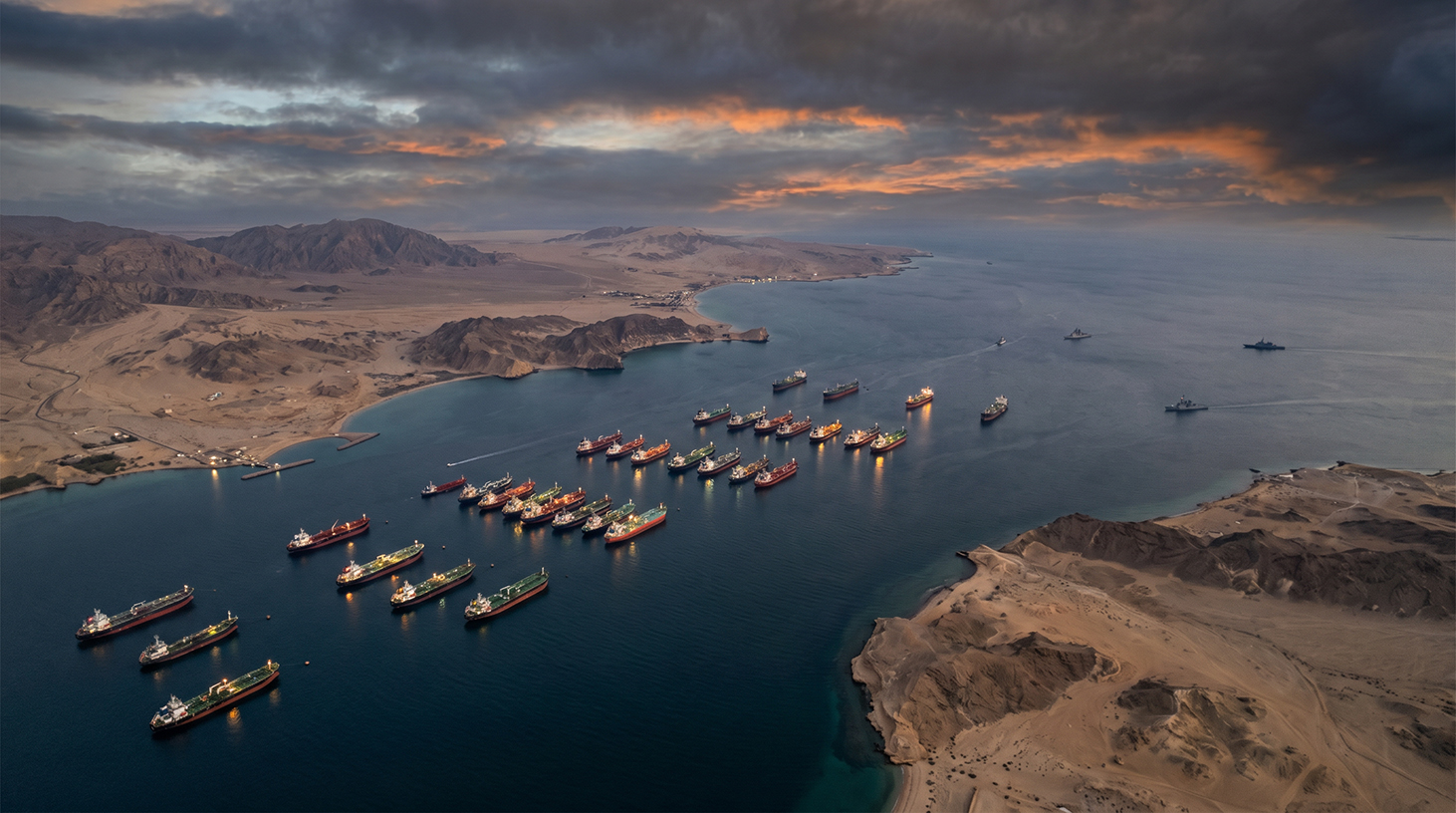
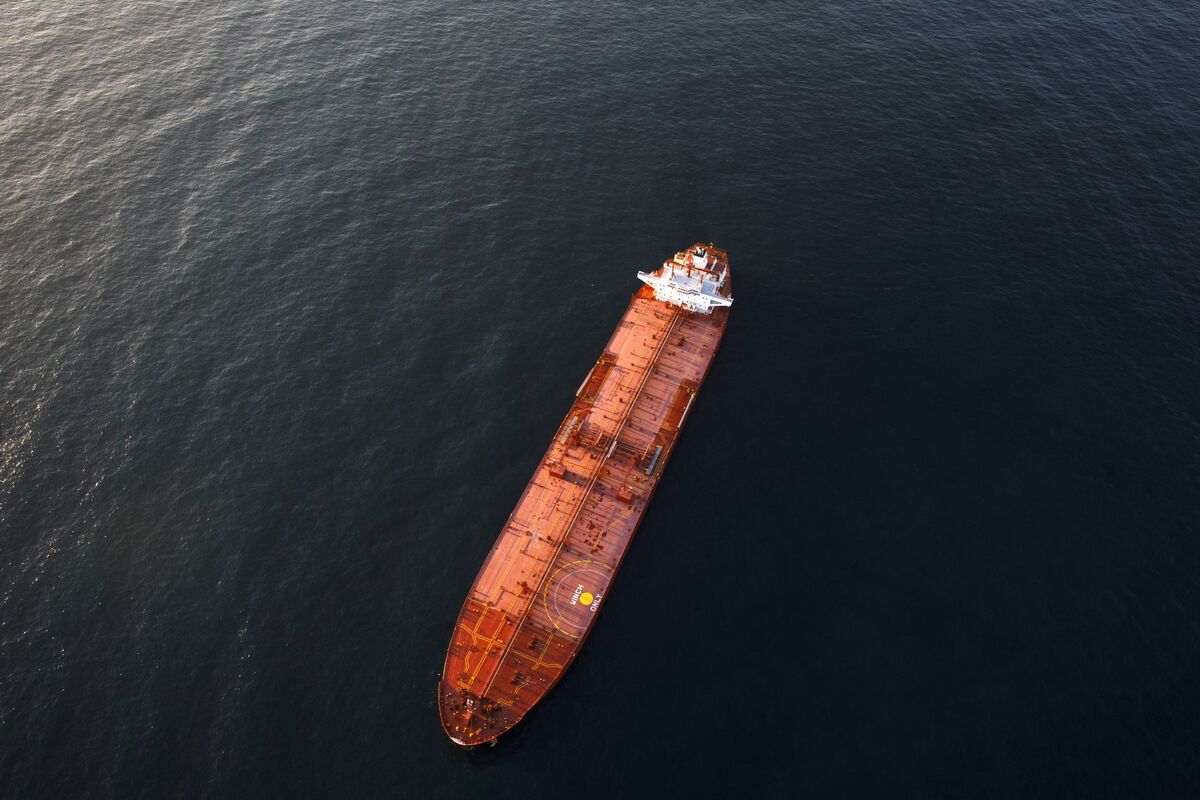
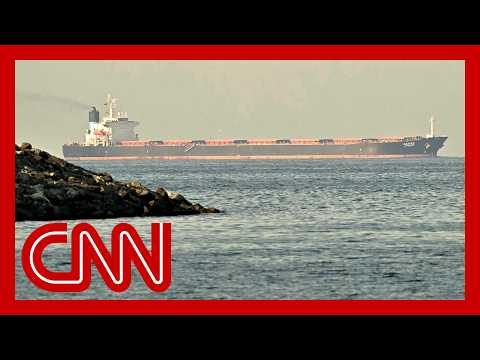
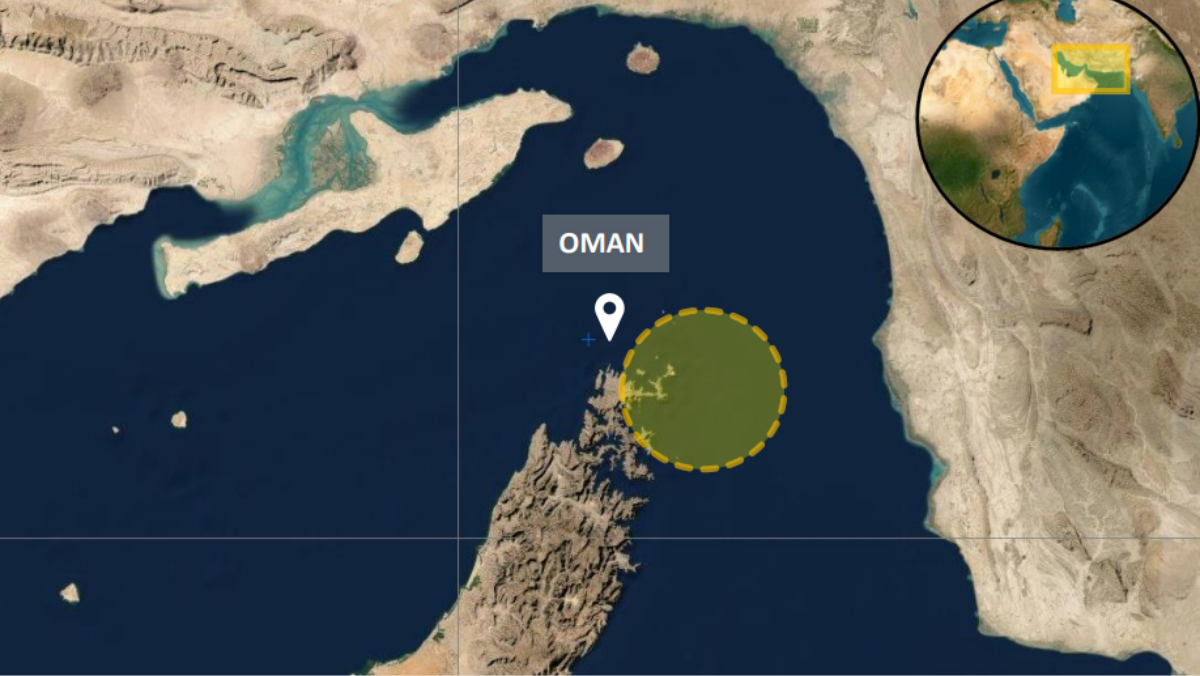
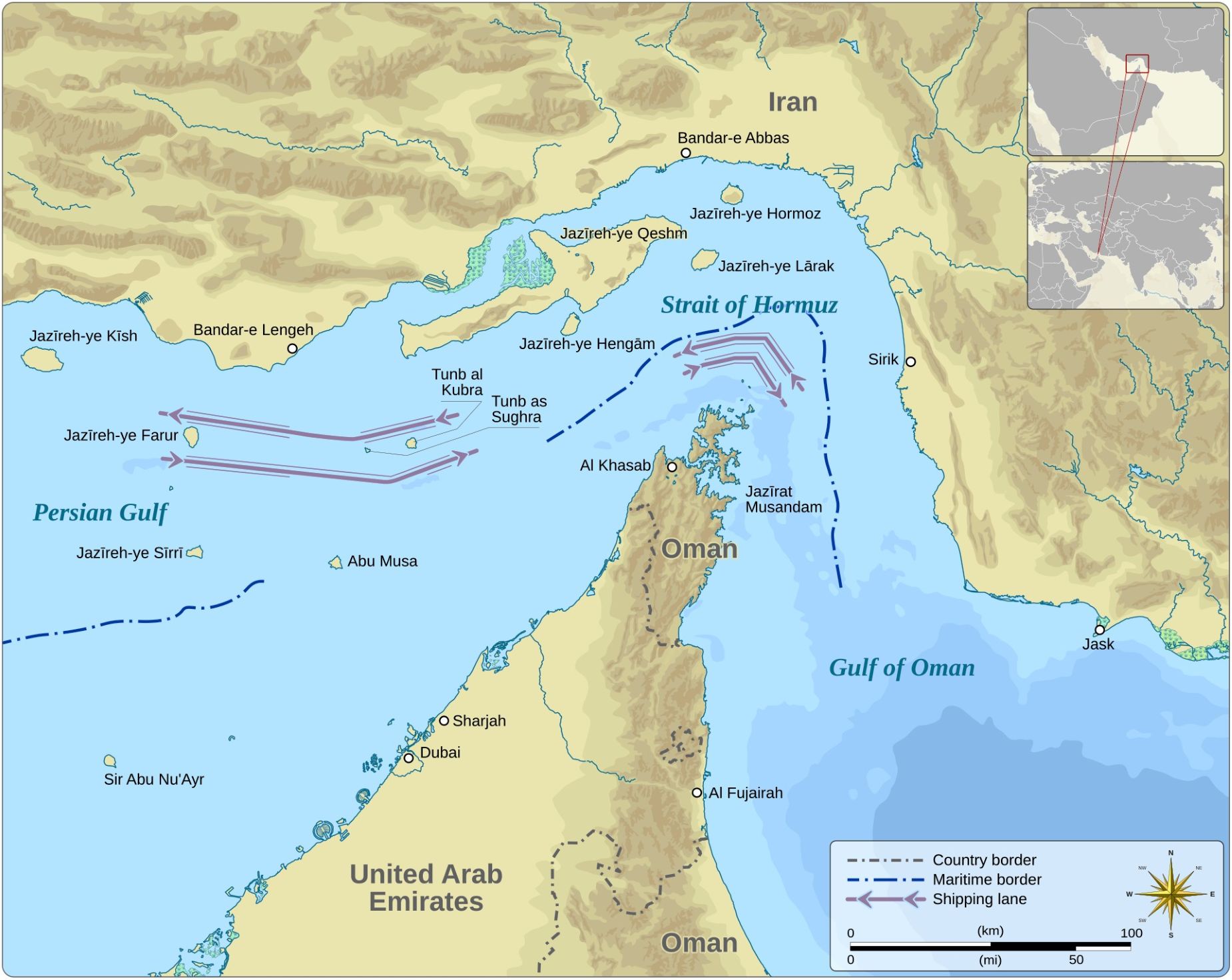
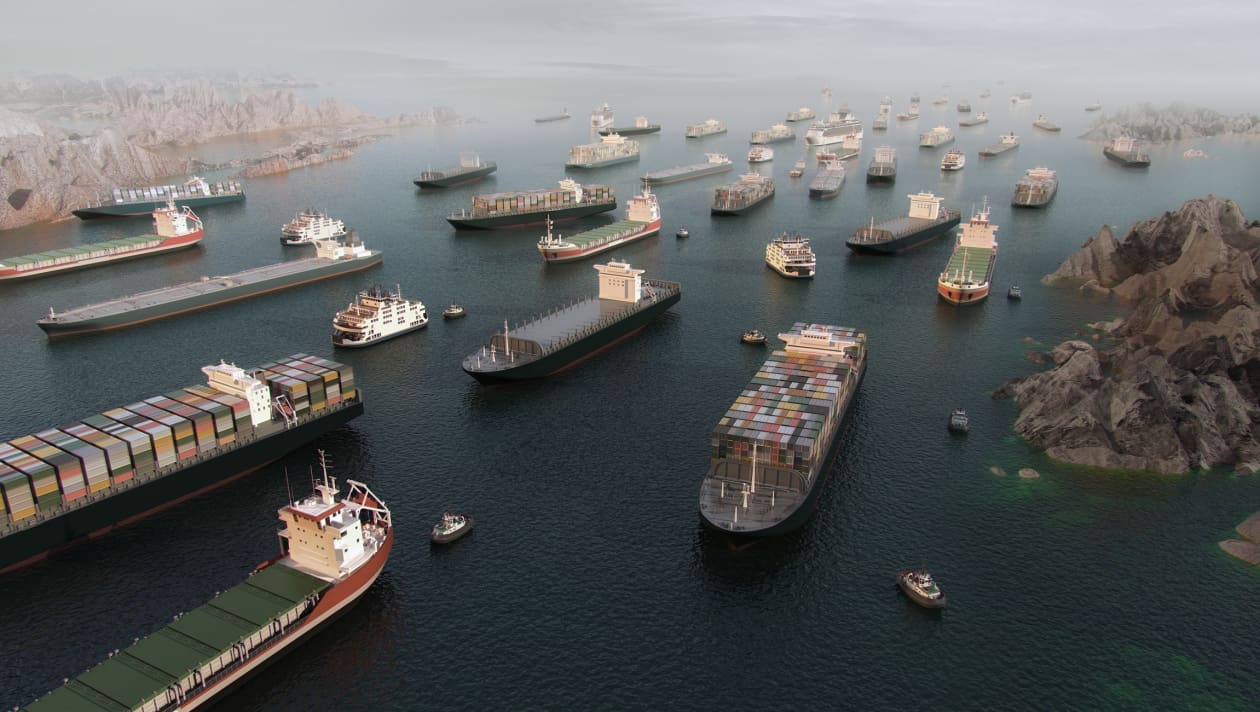
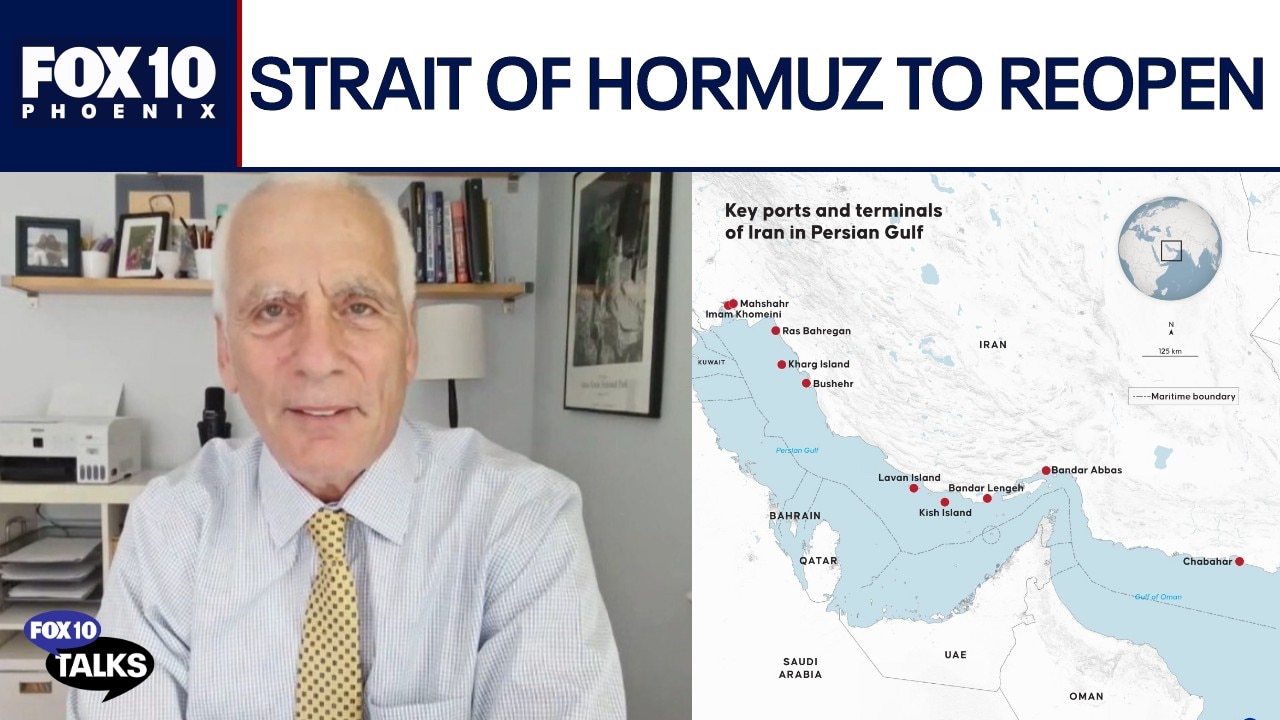
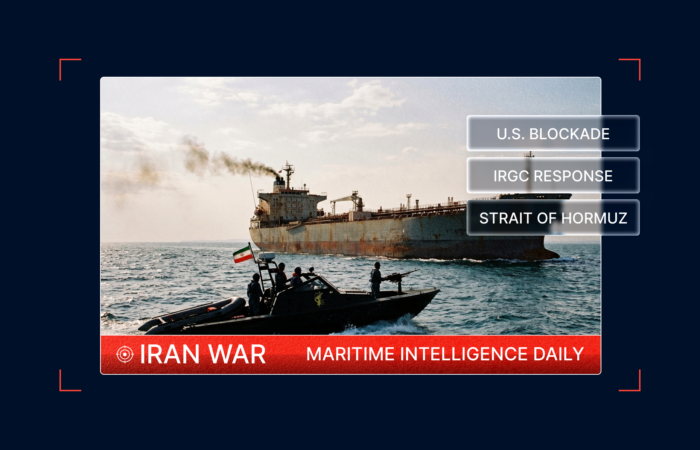
The Strait of Hormuz disruption—triggered by Iran-Israel conflict beginning February 28, 2025—represents the most severe global energy supply shock since the conflict began, with direct operational and financial consequences for cross-border e-commerce sellers. According to Reuters reporting on April 20, 2025, the Strait carries approximately 20% of global oil and gas supplies, with 260 vessels currently trapped inside the Persian Gulf carrying 170 million barrels of oil and 1.2 million metric tons of LNG. The International Energy Agency reports commercial crude storage at 262 million barrels—equivalent to 20 days of disrupted production—while recovery timelines extend far beyond initial expectations.
For cross-border sellers, the operational impact is immediate and severe. Tanker fleet rebalancing requires minimum 8-12 weeks, while round-trip voyages from Middle East to India's west coast now require 20 days versus normal operations, with longer routes to China, Japan, and South Korea extending to two months or more. This creates a cascading effect: fuel surcharges on ocean freight have spiked 15-25% for sellers shipping electronics, apparel, and consumer goods from Asia-Pacific manufacturing hubs to US and EU markets. Sellers relying on just-in-time inventory from China, Vietnam, and India face inventory depletion risks, with delivery timelines extending 3-4 weeks beyond normal schedules. The IEA estimates only 50% of Gulf oil and gas fields can return to pre-war output within two weeks under stable conditions, with 30% requiring six weeks and the remaining 20% (2.5-3 million barrels daily) facing severe technical obstacles. Qatar's Ras Laffan LNG hub, where 12-17% of capacity was damaged, could require up to five years for repairs.
The pricing mechanism breakdown compounds logistics challenges. The Platts Dubai crude oil benchmark—which prices approximately 18 million barrels per day (one-fifth of global supply)—has become fundamentally disconnected from physical market reality. Platts reduced deliverable grades from five to two (Murban and Oman crude), cutting supply in the pricing basket by approximately 40%, while market participants report the benchmark is "effectively broken." This pricing volatility directly translates to unpredictable fuel surcharges for sellers: TotalEnergies' trading arm spent around $4 billion on Dubai partials in March, dominating pricing mechanisms and creating extreme cost volatility. For sellers with thin margins in electronics (3-8% net margin) and apparel (8-12% net margin), a 15-25% fuel surcharge increase can compress margins by 1.5-3 percentage points, requiring immediate price increases or margin absorption.
Strategic sourcing shifts are accelerating. Asian refineries—particularly in China—have invested heavily in complex upgrading capacity to process heavier, cheaper crudes, signaling that crude oil cost structures are fundamentally shifting. This creates opportunities for sellers to negotiate lower manufacturing costs with suppliers in Vietnam and India (which have less energy-intensive production) while Chinese manufacturers face rising energy input costs. However, the shipping cost advantage of China-based sourcing is temporarily eroding due to fuel surcharges, making nearshoring to Mexico and Central America more cost-competitive for US-based sellers during the 8-12 week recovery window.
Questions 8
How long will shipping delays persist from Asia-Pacific?
The International Energy Agency estimates full recovery to pre-war operations will take years rather than months, with tanker fleet rebalancing requiring minimum 8-12 weeks. Round-trip tanker voyages from Middle East to India's west coast now require 20 days versus normal operations, while routes to China, Japan, and South Korea extend to two months or more. Even under optimistic scenarios with successful peace negotiations, industry experts project 8-12 weeks minimum for return to normal shipping rhythms. Sellers should plan for extended delivery timelines through June 2025 and communicate revised ETAs to customers by May 15, 2025 to manage expectations.
Which product categories are most vulnerable to shipping cost increases?
Electronics (3-8% net margin), apparel (8-12% net margin), and consumer goods with high shipping-to-product-value ratios are most vulnerable. A 15-25% fuel surcharge increase compresses margins by 1.5-3 percentage points in these categories. Heavy/bulky items (furniture, sporting goods) with lower margins face margin compression of 2-5 percentage points. Conversely, high-margin luxury goods (jewelry, premium electronics) and lightweight items (digital products, software) are less affected. Sellers in vulnerable categories should prioritize price increases or margin absorption strategies immediately, while high-margin sellers can absorb surcharges temporarily.