

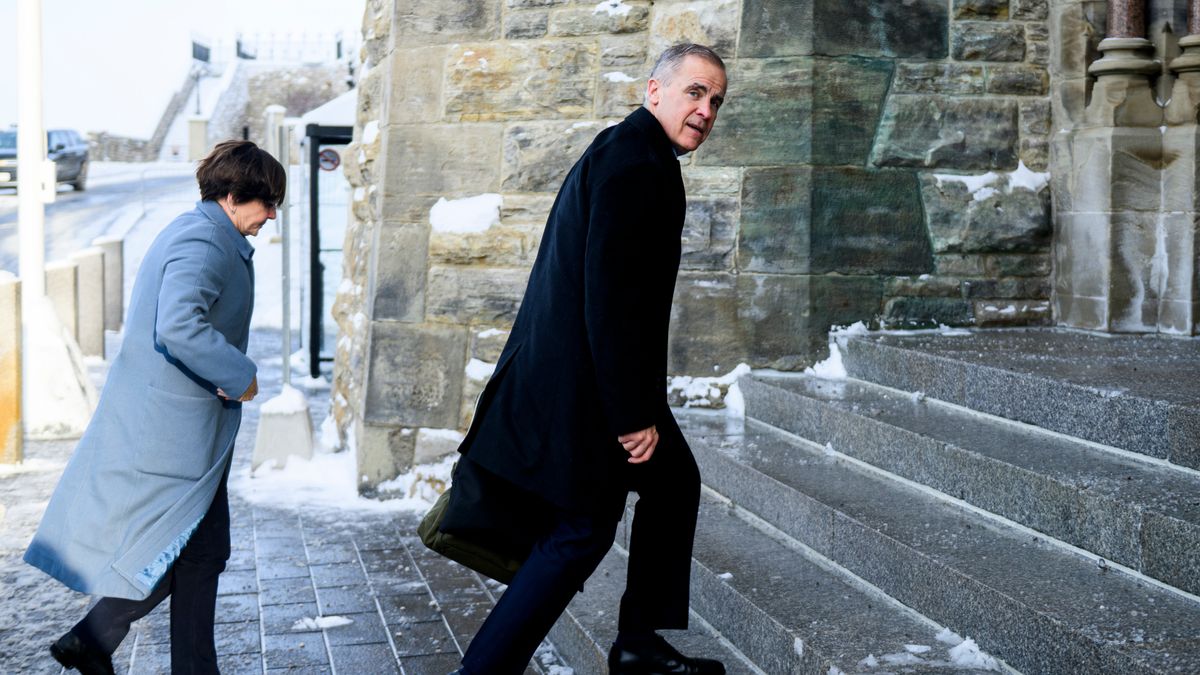

Political Realignment Reshapes Canadian Parliamentary Dynamics
- Strategic floor-crossing signals deeper transformation in Canada's political landscape




















Overview
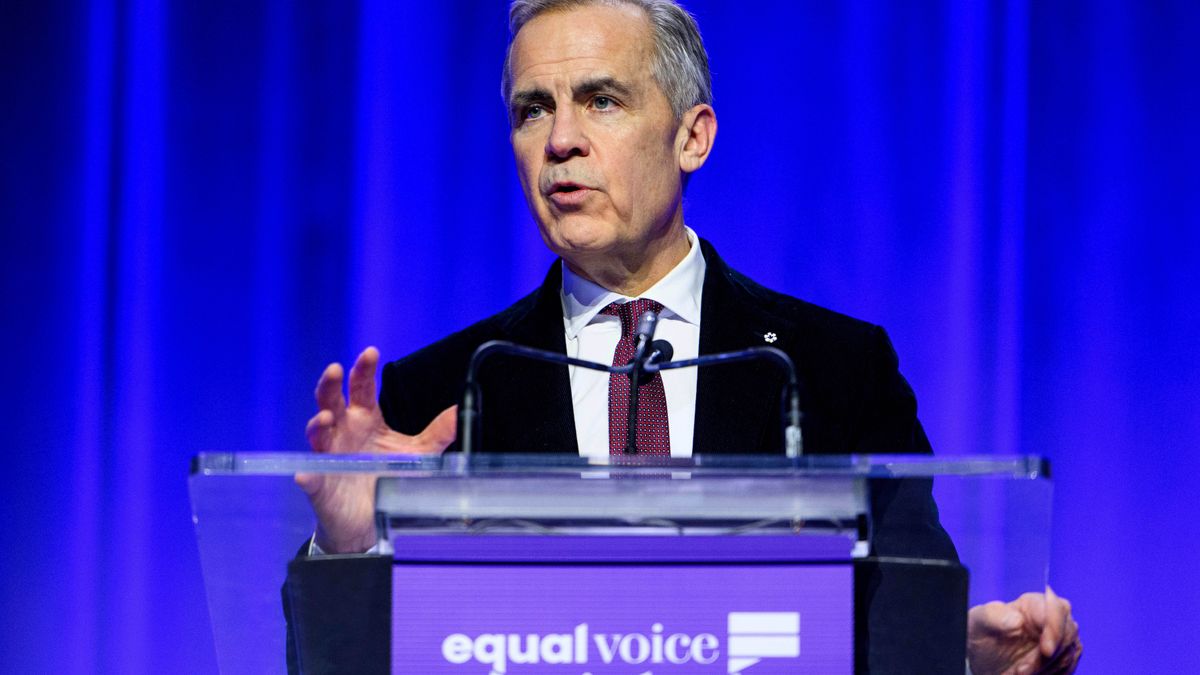
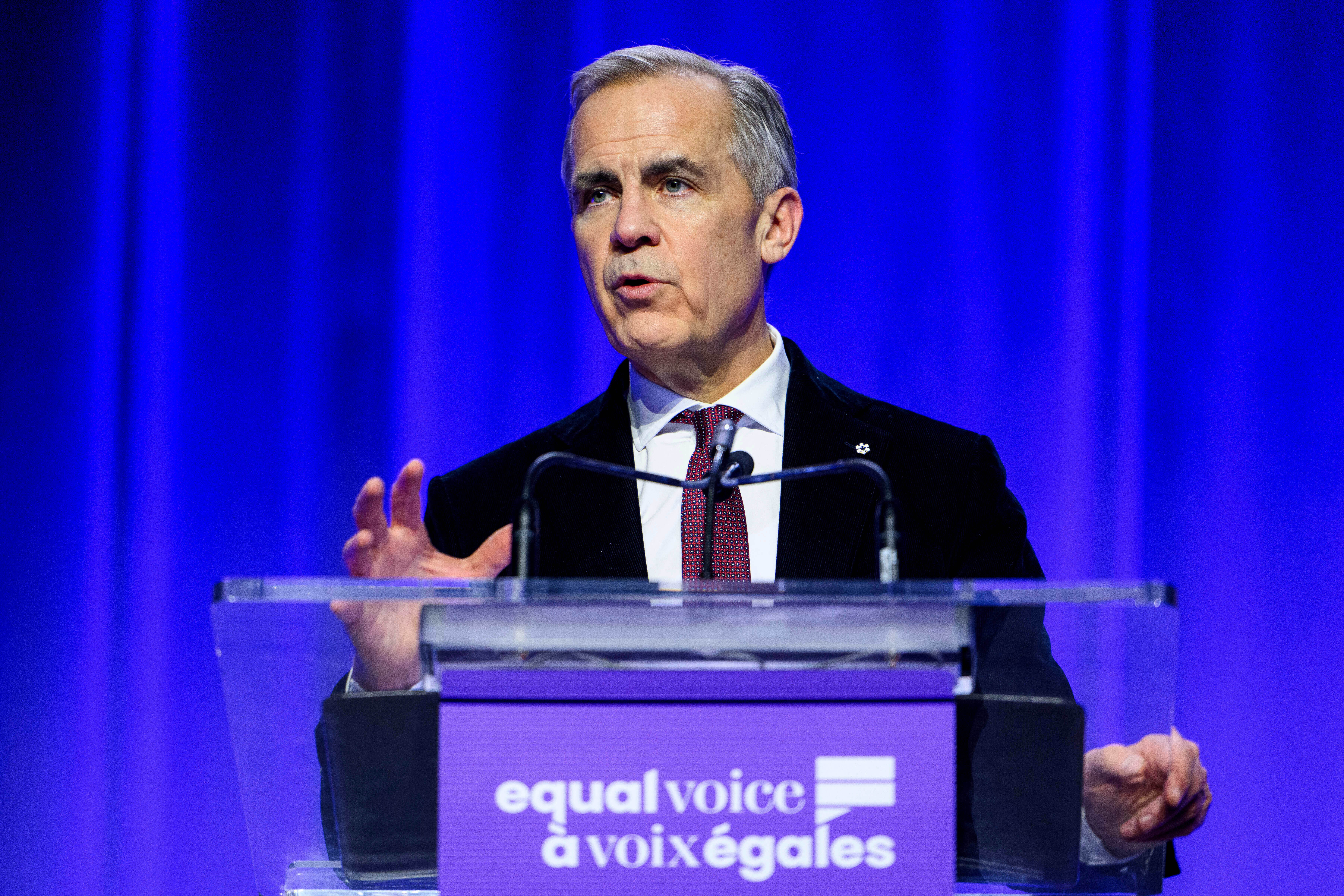
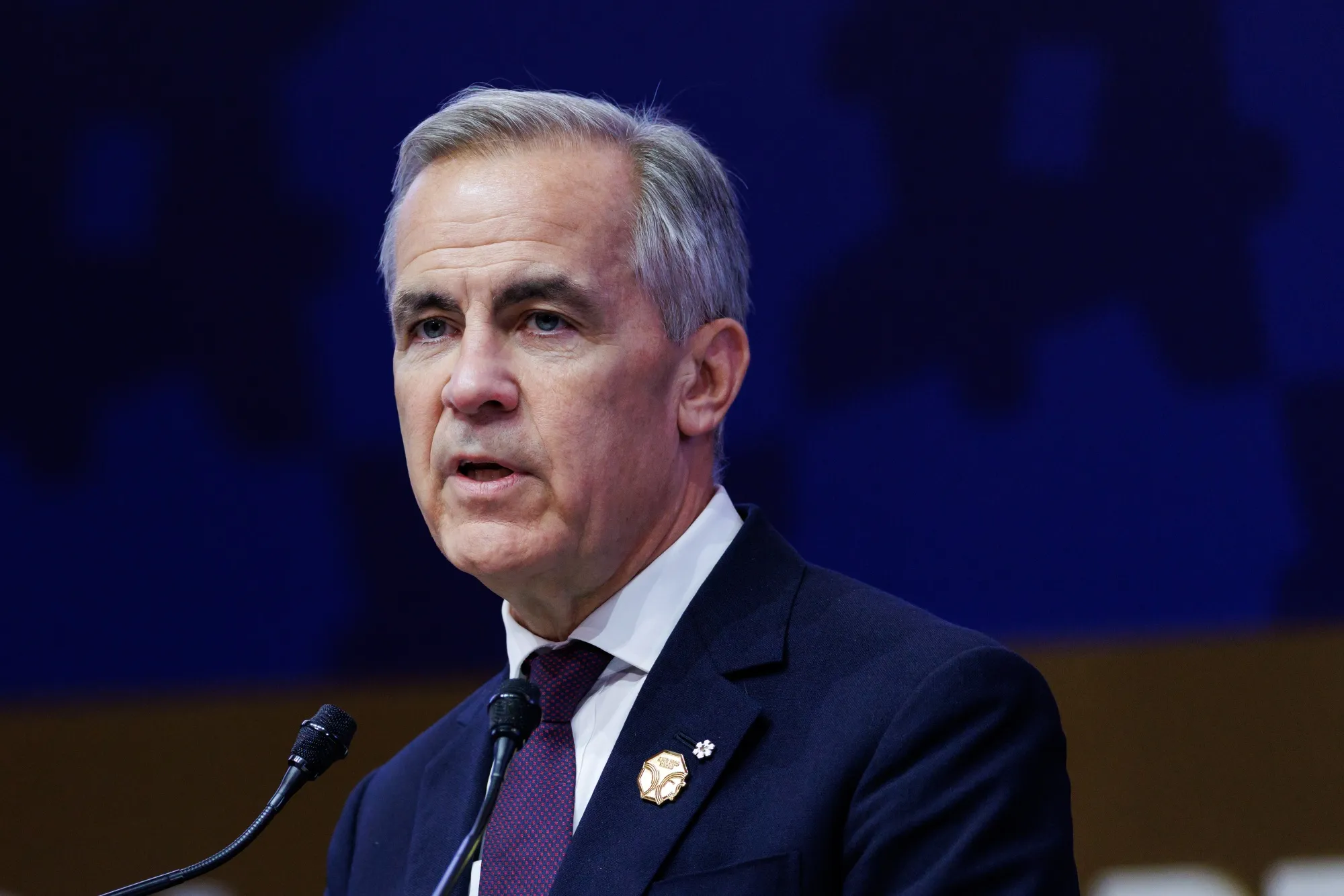
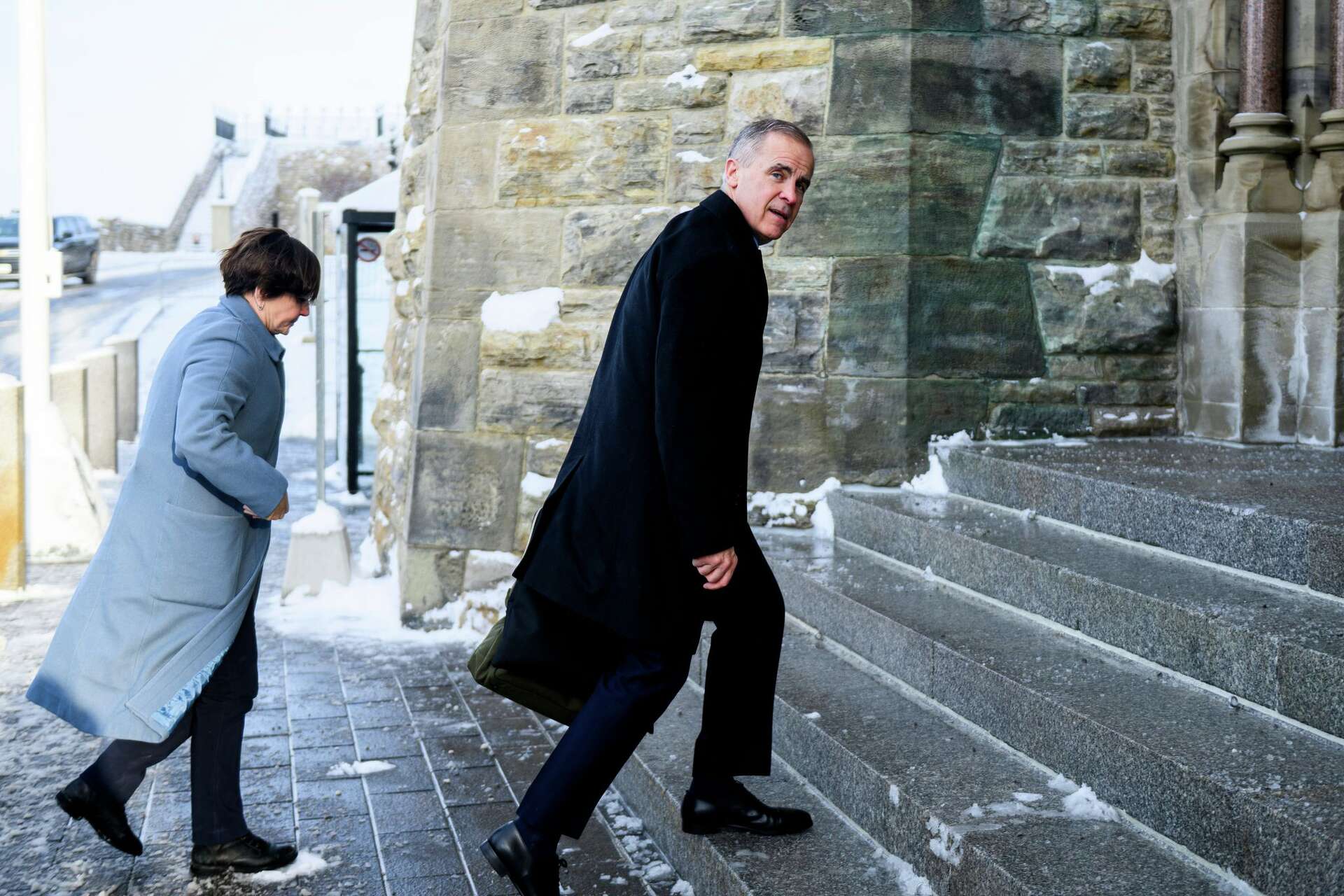
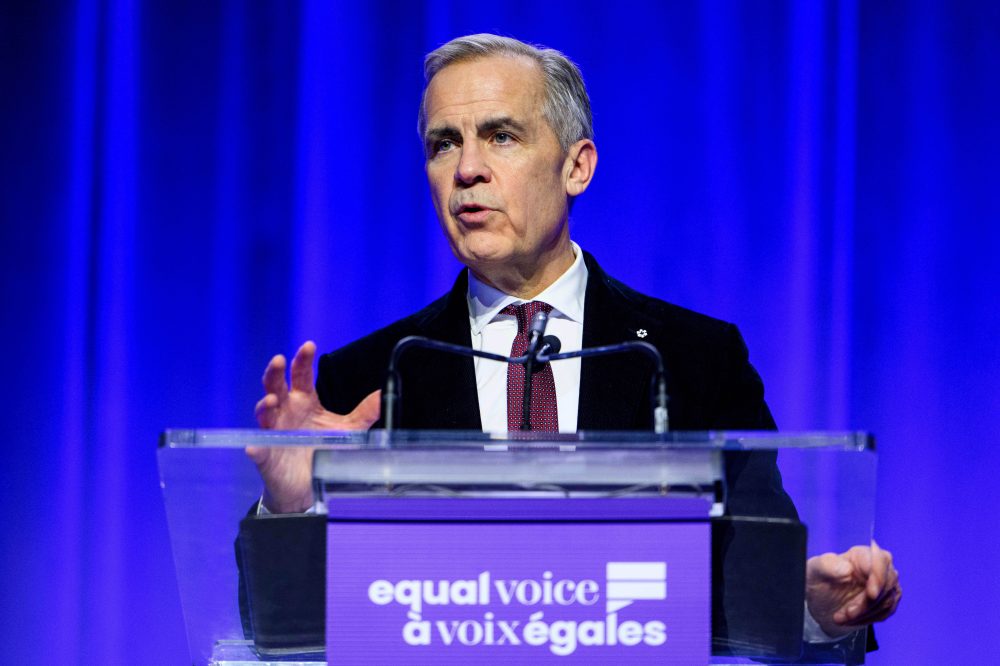
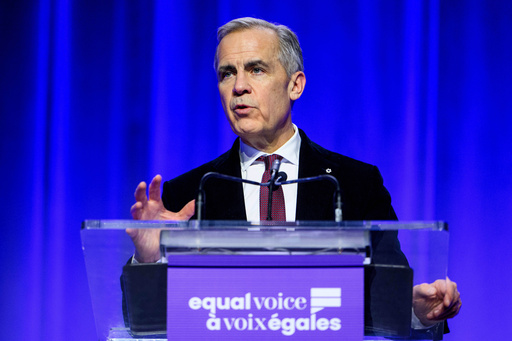
The recent political maneuver in Canadian federal politics reveals a profound strategic realignment that extends far beyond a simple seat swap. Mark Carney's Liberal Party is executing a calculated repositioning, leveraging floor-crossing defections to construct a more centrist, pragmatic political narrative that challenges traditional party boundaries.
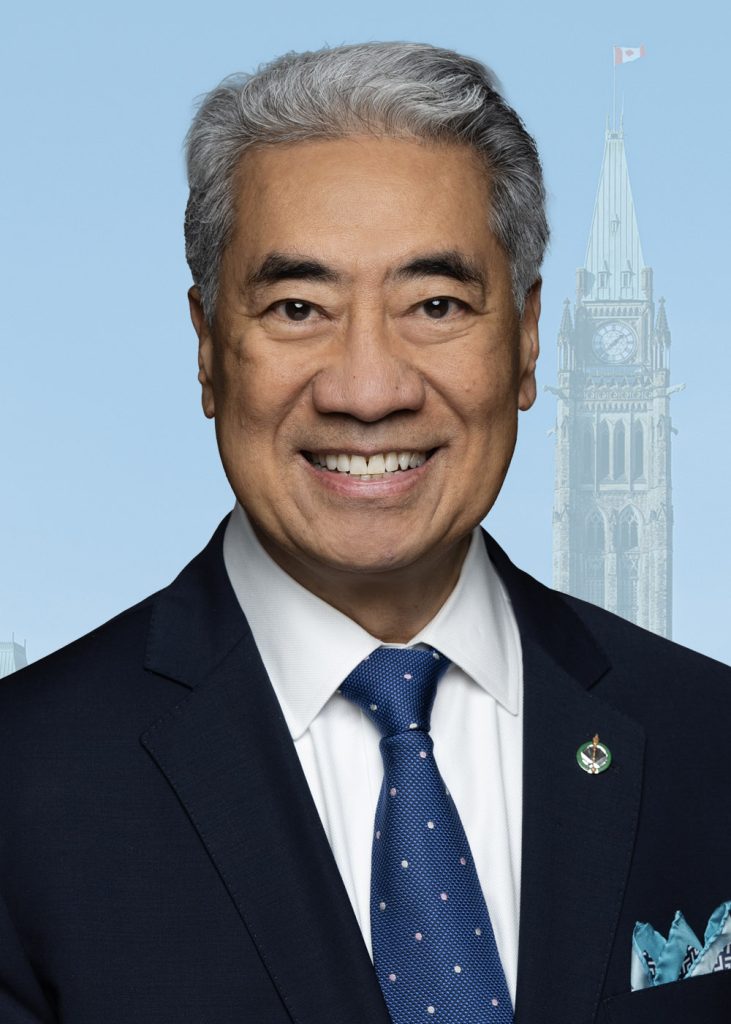
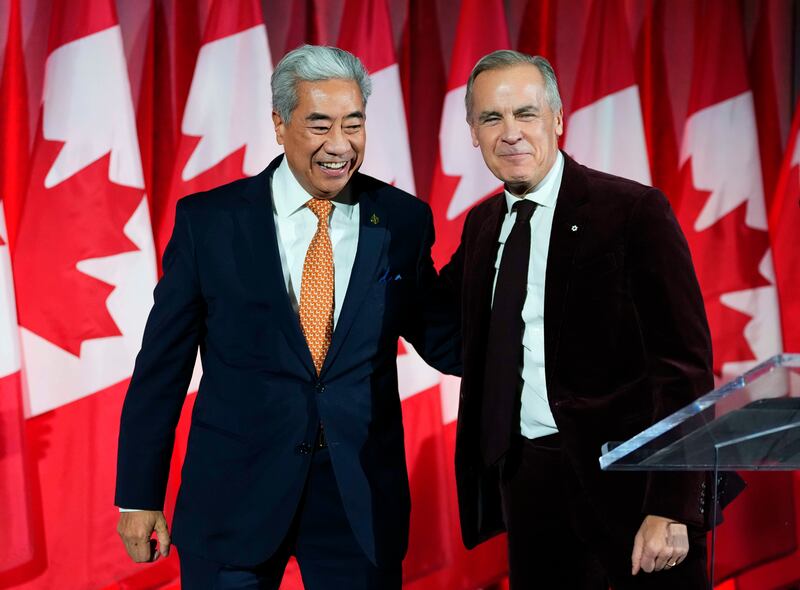
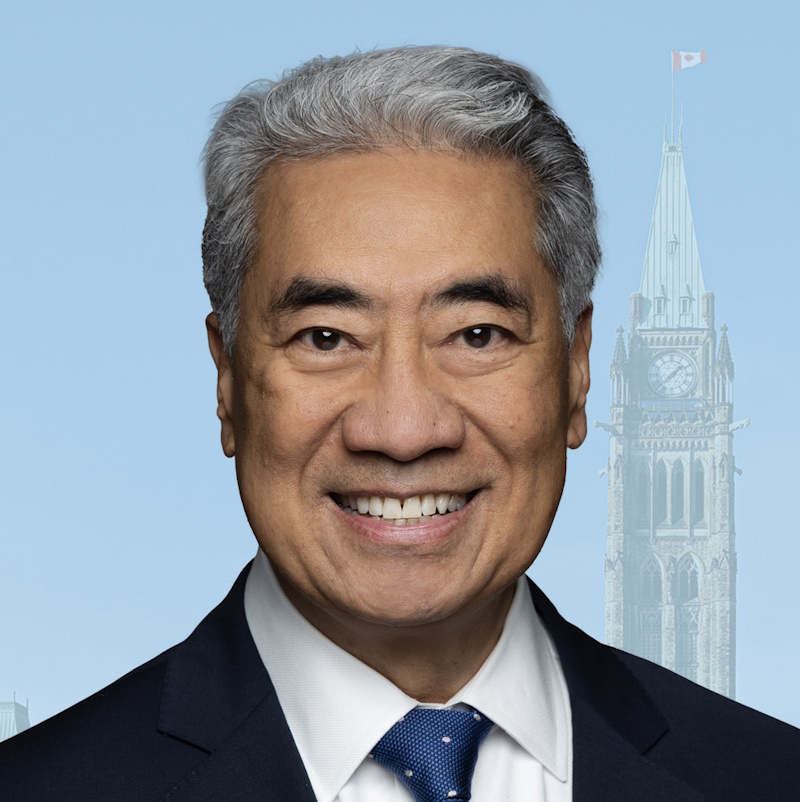
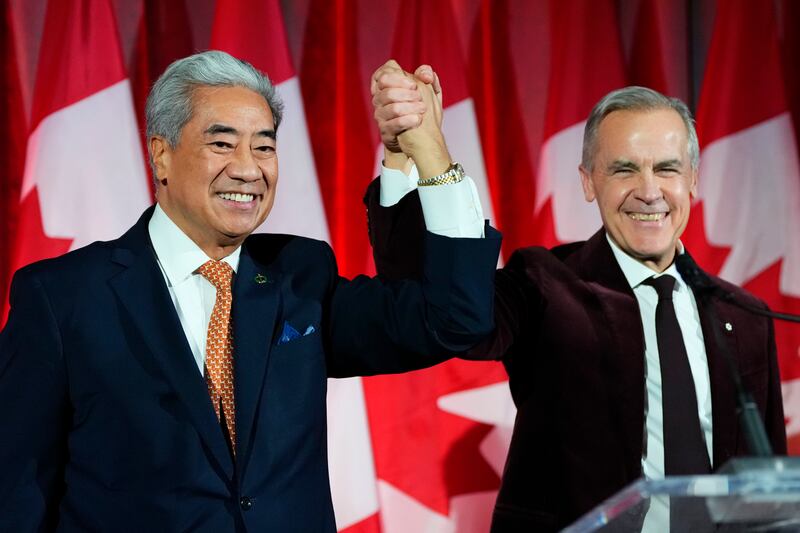
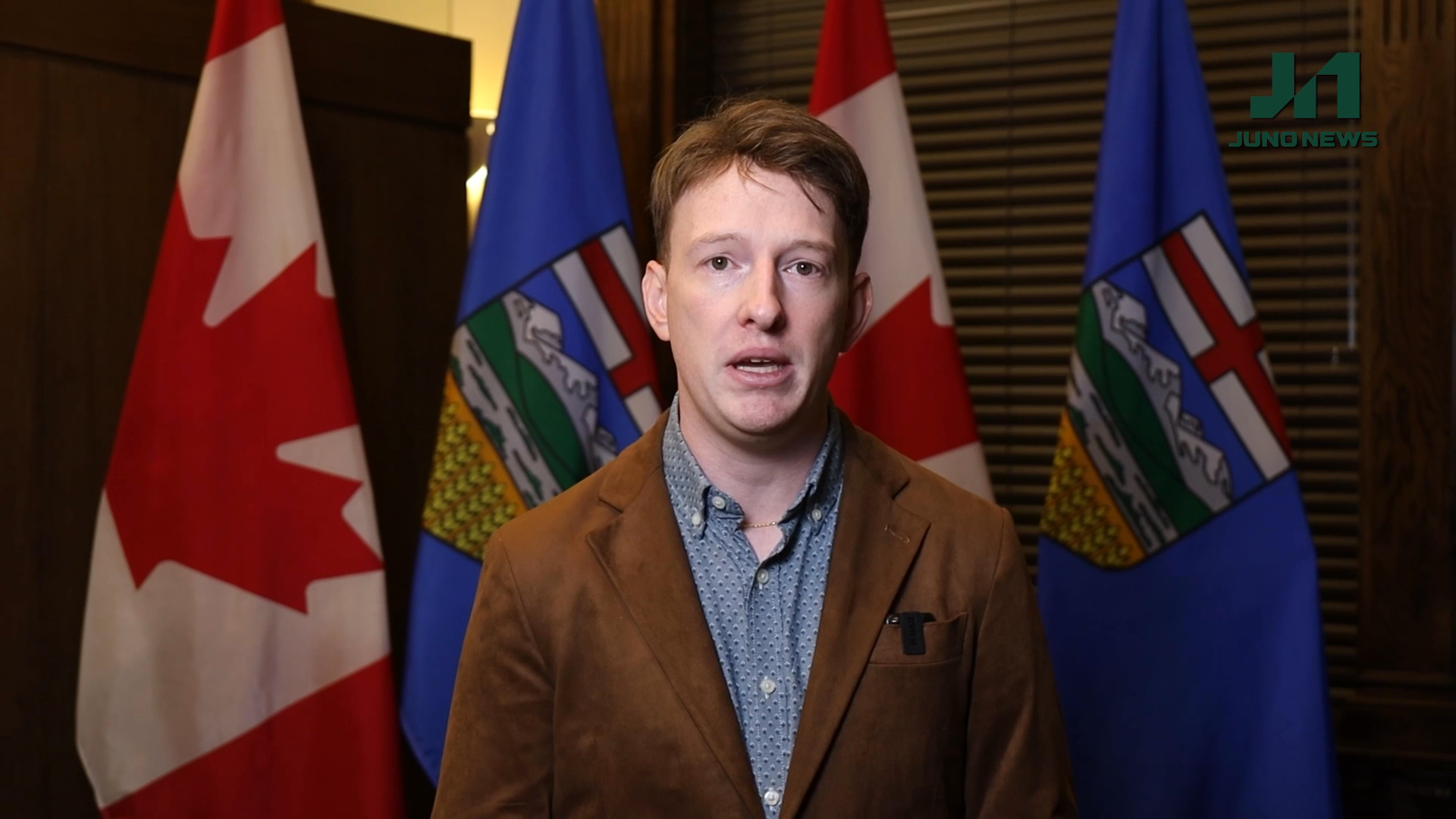
Strategic Repositioning Dynamics: By attracting Conservative MPs like Michael Ma and Chris d'Entremont, Carney is systematically dismantling the opposition's internal cohesion. Ma's defection, occurring just before Parliament's six-week break, brings the Liberals tantalizingly close to a majority with 171 seats—just one seat shy of the critical 172-seat threshold. This isn't merely a numerical game, but a sophisticated political strategy designed to marginalize Conservative Leader Pierre Poilievre and redefine the ideological center of Canadian politics.
The deeper narrative emerges through the defectors' justifications. Ma explicitly praised Carney's "steady, practical approach", signaling a deliberate move away from populist rhetoric toward pragmatic governance. By distancing himself from Justin Trudeau's progressive policies while simultaneously attracting center-right voters, Carney is constructing a nuanced political identity that transcends traditional partisan lines. The Liberal Party's strategic portrayal of the Conservative Party's internal dynamics as "chaotic" further amplifies this repositioning, drawing provocative parallels to Donald Trump's divisive leadership style.
The timing is particularly strategic. With Poilievre facing a leadership review in January and the Liberals just one seat from a majority, Carney is positioning himself to potentially reshape Canadian federal politics until 2029. This isn't just about parliamentary arithmetic—it's about redefining the ideological landscape, creating a more flexible, centrist political framework that can absorb moderate voices from across the traditional political spectrum.
The implications extend beyond immediate parliamentary mechanics. By demonstrating an ability to attract disaffected Conservative MPs, Carney is signaling a new approach to political coalition-building—one that prioritizes practical problem-solving over rigid ideological boundaries.
Questions 3
What does Carney's approach reveal about the evolving Canadian political landscape?
Carney is constructing a more centrist political identity by attracting center-right voters and distancing himself from traditional progressive policies. This suggests a strategic realignment that prioritizes pragmatic governance over rigid ideological boundaries.
What challenges does Pierre Poilievre face in the upcoming leadership review?
With two Conservative MPs defecting and criticisms of his leadership style, Poilievre faces significant internal party challenges. The upcoming January leadership review will be crucial in determining his continued leadership and the Conservative Party's future direction.