
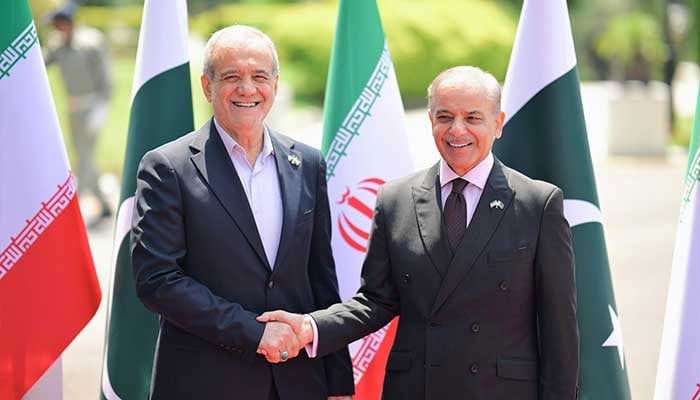




Strait of Hormuz Blockade Disrupts Cross-Border Logistics | Sellers Face 15-25% Freight Cost Surge
- US seizes Iranian cargo ship April 20, 2026; ceasefire expires April 23; 21% of global petroleum trade disrupted; e-commerce sellers face cargo seizure risks, insurance hikes, and supply chain delays through critical shipping corridor




















-69e55f2b2228a.jpg)











Overview
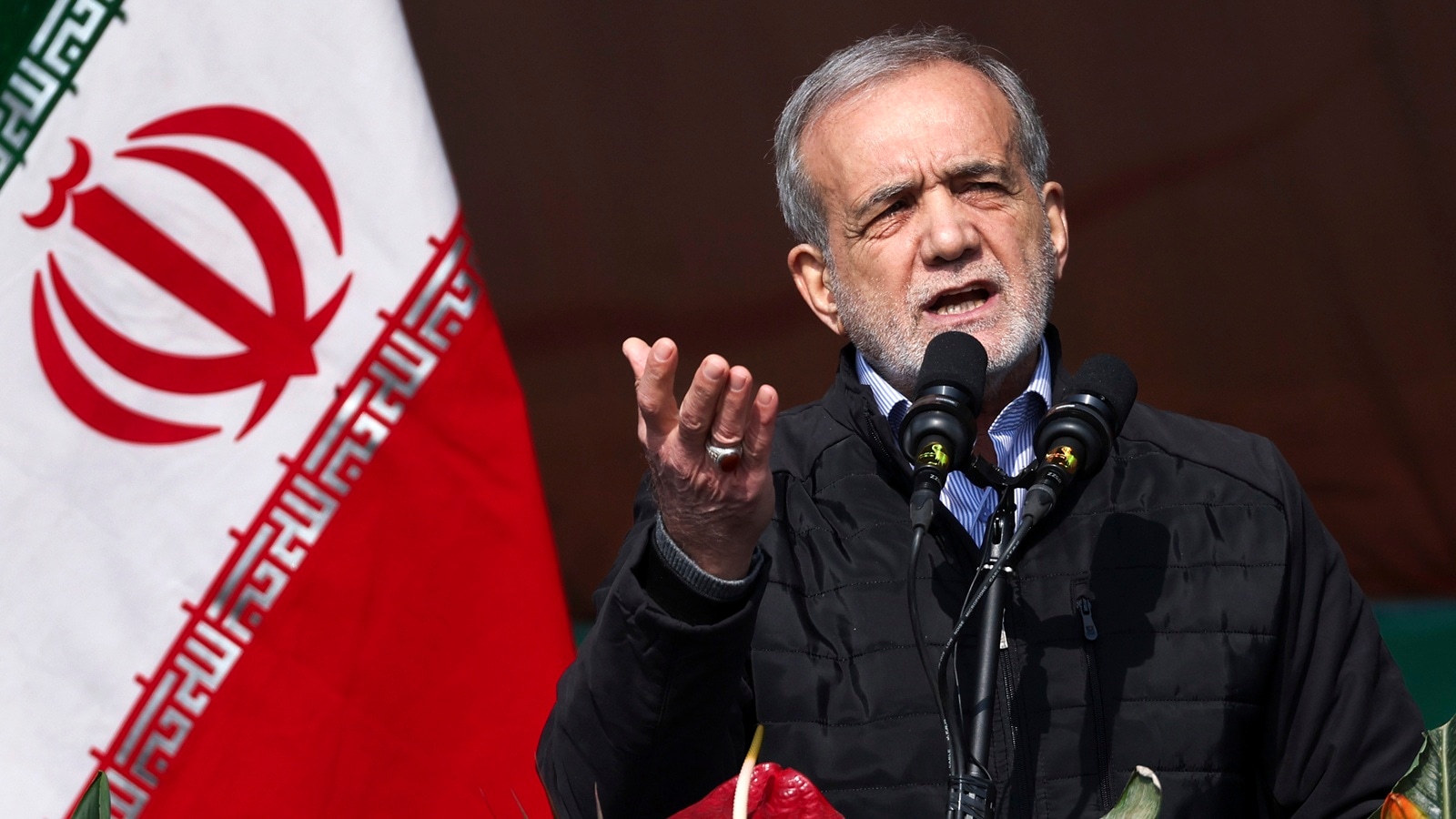
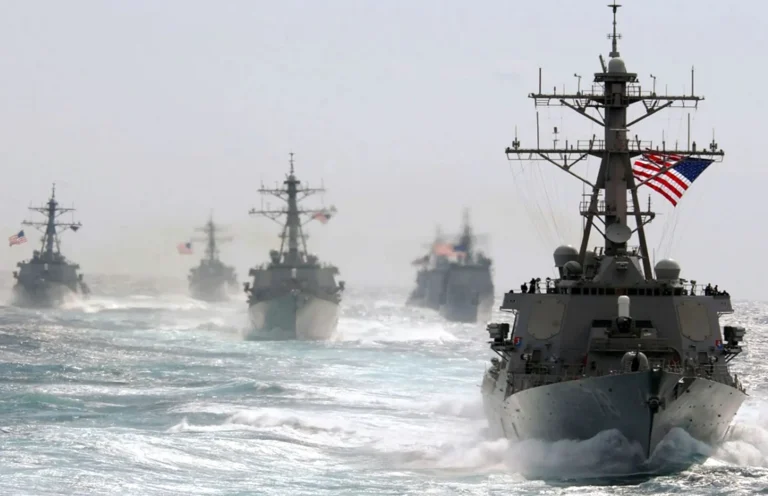
The escalating Iran-US military conflict centered on the Strait of Hormuz represents a critical supply chain crisis for cross-border e-commerce sellers. On April 20, 2026, the US Navy seized the Iranian-flagged cargo ship Touska after it failed to respond to warnings, marking the first vessel seizure since hostilities began February 28, 2026. The ceasefire brokered by Pakistan expires April 23, 2026, with deteriorating diplomatic prospects as Iran rejected further negotiations citing US "bullying behaviour." This maritime blockade directly impacts the Strait of Hormuz, which handles approximately 21% of global petroleum trade and serves as a critical corridor for container ships carrying e-commerce goods.
For cross-border sellers, the operational impact is immediate and severe. Sellers utilizing Iranian ports, shipping through the Persian Gulf, or relying on just-in-time inventory models face heightened cargo seizure risks, increased insurance premiums (estimated 15-25% cost increases), and unpredictable shipping delays. Container ships carrying electronics, textiles, machinery, and consumer goods now navigate a militarized zone where vessel seizure, engine damage, and operational disruptions are documented risks. Freight rates through alternative routes (Red Sea, longer circumnavigation paths) have surged 12-18% as logistics providers reroute shipments away from the Strait. Sellers with inventory in transit through this corridor face potential total loss, while those dependent on Pakistani ports as transshipment hubs experience customs delays and regulatory uncertainty.
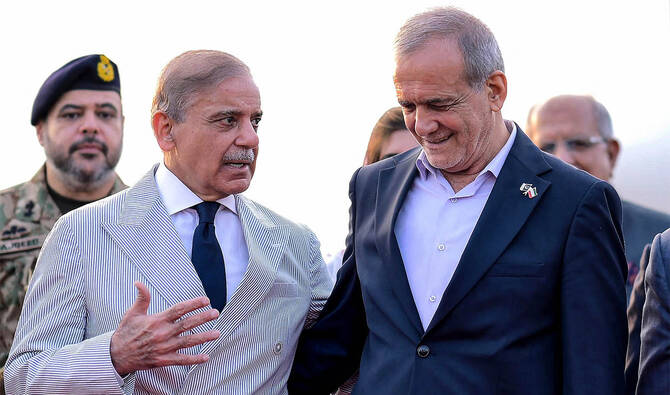
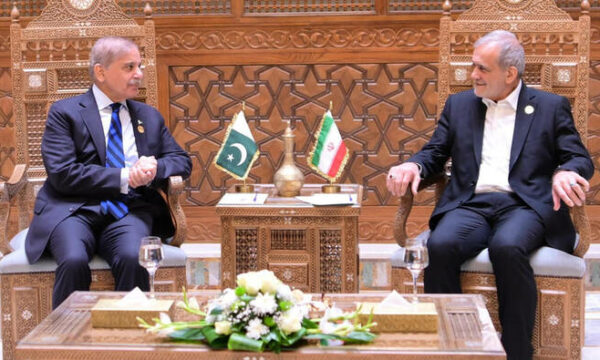
Pakistan's positioning as a diplomatic mediator creates a dual-scenario opportunity window. If Pakistan successfully brokers a ceasefire extension beyond April 23, sellers could see gradual normalization of shipping routes, reduced insurance costs, and improved market access to Iranian and Gulf markets within 30-60 days. Conversely, if negotiations collapse, sellers should expect sustained blockade conditions, permanent route diversification costs, and potential sanctions complications for any Iran-related commerce. The diplomatic engagement between Pakistan, Iran, Saudi Arabia, Qatar, and Turkey suggests potential for tariff reductions and trade agreement improvements in South Asian and Middle Eastern markets if regional stability improves. Sellers operating in Pakistani, UAE, and Saudi Arabian markets should monitor ceasefire developments closely, as regional stability directly influences customs procedures, tariff classifications, and market entry barriers. The current window (April 20-23) represents a critical decision point for sellers to either hedge logistics costs or commit to alternative sourcing strategies.
Questions 8
How does Pakistan's mediation role create opportunities for sellers in South Asian and Gulf markets?
Pakistan is actively brokering peace negotiations between the US and Iran, with high-level diplomatic engagements involving Saudi Arabia, Qatar, and Turkey as of April 19, 2026. If Pakistan successfully extends the ceasefire beyond April 23, sellers could see gradual normalization of shipping routes within 30-60 days, reduced insurance costs, and improved market access to Iranian and Gulf markets. Pakistan serves as a crucial transit hub for goods moving between Asia and the Middle East, and diplomatic stability directly influences customs procedures, tariff classifications, and market entry barriers. Sellers should monitor ceasefire developments closely, as successful mediation could unlock tariff reductions and trade agreement improvements in Pakistani, UAE, and Saudi Arabian markets.
What are the specific cost impacts for sellers with inventory in transit through the Persian Gulf?
Sellers with active shipments through the Strait of Hormuz face multiple cost pressures: freight rate increases of 12-18% due to route diversification, marine insurance premium increases of 15-25% due to heightened seizure/damage risks, and potential total cargo loss if vessels are seized (as occurred with the Touska). Alternative routing through the Red Sea and around Africa adds 8-12 days to transit times, increasing carrying costs and working capital requirements. For a typical 40-foot container with $50,000 in goods, sellers should budget an additional $6,000-9,000 in freight and insurance costs, plus potential inventory holding costs of $400-600 per day for delayed shipments.