





Strait of Hormuz Shipping Crisis | Cross-Border Sellers Face 8-12% Freight Cost Surge
- Oil prices spike 6-8% amid naval blockade; WTI crude hits $90.54/barrel; Brent reaches $96.50; FBA sellers experience immediate fuel surcharge increases; Asia-to-US shipping routes face 5-7 day delays

.jpg?w=1600)
























Overview
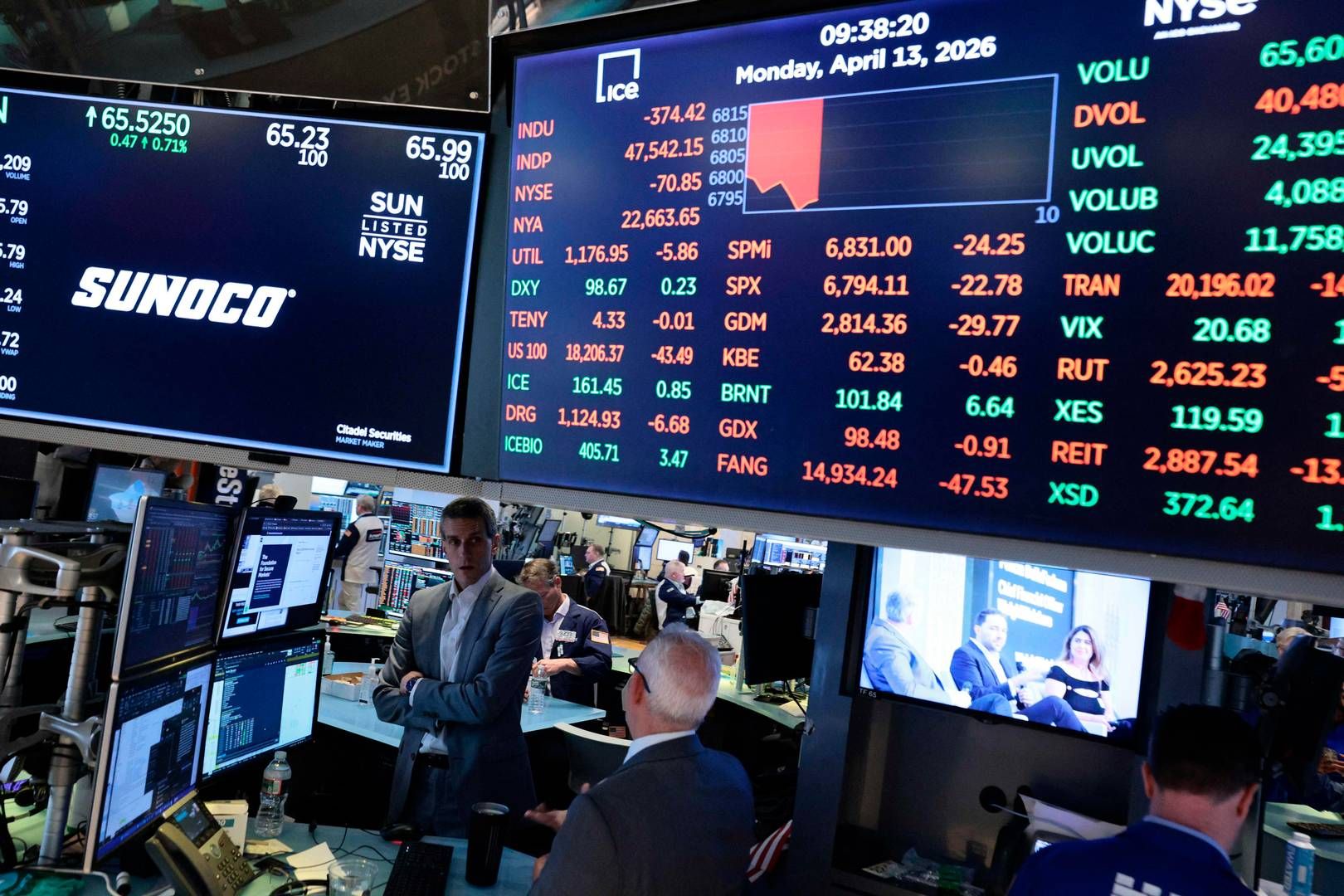
The Strait of Hormuz shipping crisis triggered by U.S.-Iran military escalation on April 17, 2026, creates an immediate supply chain emergency for cross-border e-commerce sellers. When the U.S. Navy seized the Iranian-flagged cargo ship TOUSKA and resumed port blockades, crude oil prices surged 6-8% within hours—West Texas Intermediate jumped to $90.54/barrel (up 8%) and Brent crude advanced to $96.50 (up 6%). This represents the most significant energy shock to global shipping since 2022, directly translating to increased fuel surcharges on ocean and air freight. For sellers using Amazon FBA, eBay, or third-party logistics providers, this means immediate cost increases of $150-400 per 40-foot container on Asia-Pacific routes, compressing margins by 3-8% depending on product category and current pricing.
The operational impact cascades across three critical seller segments. Small-to-medium sellers (SMBs) shipping 500-2,000 units monthly from China/Vietnam face the steepest pressure—fuel surcharges typically add $0.50-$1.50 per unit on ocean freight, forcing difficult choices between absorbing costs or raising prices during a period of consumer spending uncertainty (stock futures fell 0.58-0.72%). Large sellers with pre-negotiated freight contracts have 30-60 day windows before surcharges apply, creating a competitive advantage window. Electronics, home goods, and apparel categories—which depend heavily on Asian sourcing—face the most acute pressure, while domestically-sourced categories (furniture, sporting goods) see relative advantage. The Strait of Hormuz handles 21% of global petroleum trade, making any prolonged closure a systemic threat; vessel traffic restrictions resumed Saturday despite Iran's Friday declaration of reopening, indicating the blockade will persist through at least the Pakistan peace talks scheduled this week.
Strategic sourcing shifts are already underway. Sellers should immediately audit their supply chain: identify which shipments are in-transit through the Strait (typical routing for 40-50% of Asia-Pacific cargo), calculate exposure to fuel surcharge increases, and evaluate alternative sourcing. Vietnam and India-based suppliers offer 2-4 week longer lead times but avoid Middle Eastern routing entirely. Sellers with inventory arriving in April-May face the highest risk; those shipping in June+ have time to negotiate alternative routes or consolidate shipments to reduce per-unit costs. The timing window is critical—the Iran-Lebanon ceasefire expires this week, and Trump has threatened escalated military action, meaning this is not a temporary 48-hour disruption but a multi-week supply chain crisis. Sellers dependent on time-sensitive air freight (electronics, fashion, perishables) should expect 15-25% cost increases and consider shifting to ocean freight with extended lead times where possible.
Questions 7
Which product categories face the highest shipping cost pressure from this crisis?
**Electronics, home goods, and apparel categories sourced from Asia face 8-12% margin compression.** These categories depend on Asian manufacturing (China, Vietnam, India) and typically route through the Strait of Hormuz. A $200 container cost increase on 500-unit shipments adds $0.40 per unit—devastating for low-margin categories like basic apparel (5-8% margins) but manageable for electronics (15-20% margins). Domestically-sourced categories (furniture, sporting goods, some apparel) gain relative competitive advantage. Sellers in high-volume, low-margin categories should immediately evaluate Vietnam/India sourcing alternatives, which add 2-4 weeks to lead times but avoid Middle Eastern routing entirely. Premium and luxury categories can absorb cost increases through price adjustments without demand destruction.
How much will my Amazon FBA shipping costs increase due to the Strait of Hormuz crisis?
**Expect 8-12% increases on Asia-Pacific ocean freight within 2-4 weeks.** The April 17, 2026 U.S. Navy seizure of the TOUSKA cargo ship and resumption of the Iranian port blockade triggered immediate fuel surcharges: WTI crude jumped 8% to $90.54/barrel and Brent advanced 6% to $96.50. For a typical 40-foot container from China to U.S. ports, this translates to $150-400 additional cost. Amazon FBA sellers should expect fuel surcharge notifications from their logistics providers by late April. Air freight costs will spike 15-25% immediately for time-sensitive shipments. The Strait of Hormuz handles 21% of global petroleum trade, so this disruption will persist through at least the Pakistan peace talks scheduled this week, with potential escalation if the Iran-Lebanon ceasefire expires without resolution.