




Seattle Data Center Moratorium Threatens AWS/Azure Expansion | Cloud Cost Implications for E-Commerce Sellers
- Potential electricity rate increases of 8-15% could raise hosting costs for 50,000+ sellers using AWS, Azure, or cloud-based fulfillment platforms in Pacific Northwest region












Overview
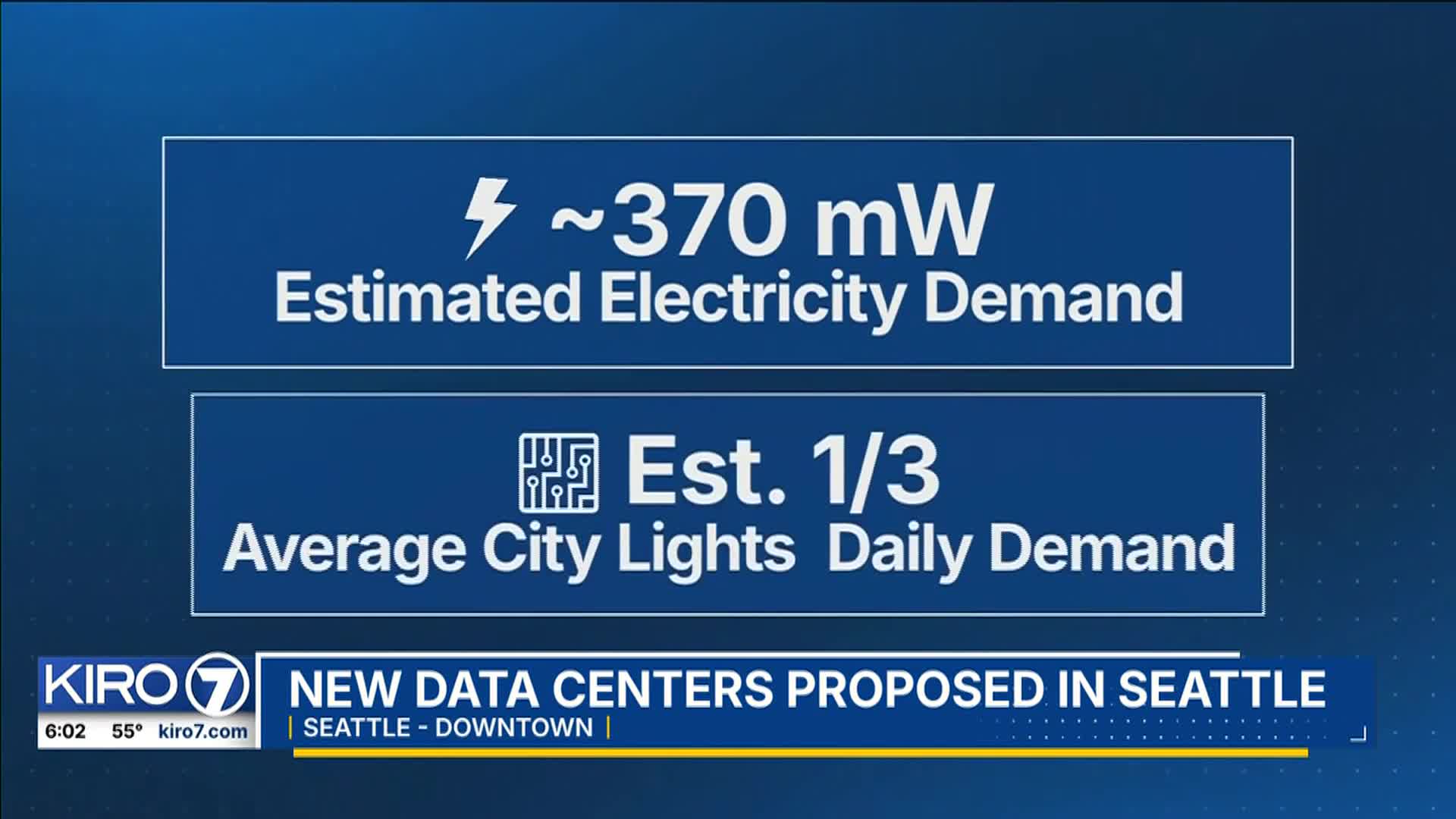
Seattle's proposed data center moratorium (April 2026) represents a critical infrastructure constraint that could reshape cloud computing costs for e-commerce sellers across North America. Mayor Katie Wilson announced the city is exploring a moratorium on new hyperscale data center construction following a coordinated advocacy campaign that generated 54,000 letters from residents opposing five proposed facilities. Three major developers—Equinix, Prologis, and Sabey—are pursuing projects that would collectively demand 370 megawatts of power (approximately one-third of Seattle City Light's average daily capacity), triggering concerns about electricity rate increases and environmental strain on the region's hydropower infrastructure.
For e-commerce sellers, this infrastructure bottleneck creates direct cost implications. Sellers relying on Amazon Web Services (AWS) for inventory management, fulfillment automation, and marketplace integration face potential hosting cost increases if Seattle's data center capacity constraints force AWS to redirect infrastructure investments to higher-cost regions. AWS announced $200 billion in AI-related infrastructure spending this year, with significant Pacific Northwest allocation planned. A potential moratorium could force AWS to prioritize data center development in regions with less regulatory resistance, increasing latency and hosting costs for sellers serving West Coast markets. Similarly, sellers using Microsoft Azure for business intelligence, demand forecasting, and supply chain optimization could experience service degradation or cost escalation if Azure's planned Seattle expansion faces delays.
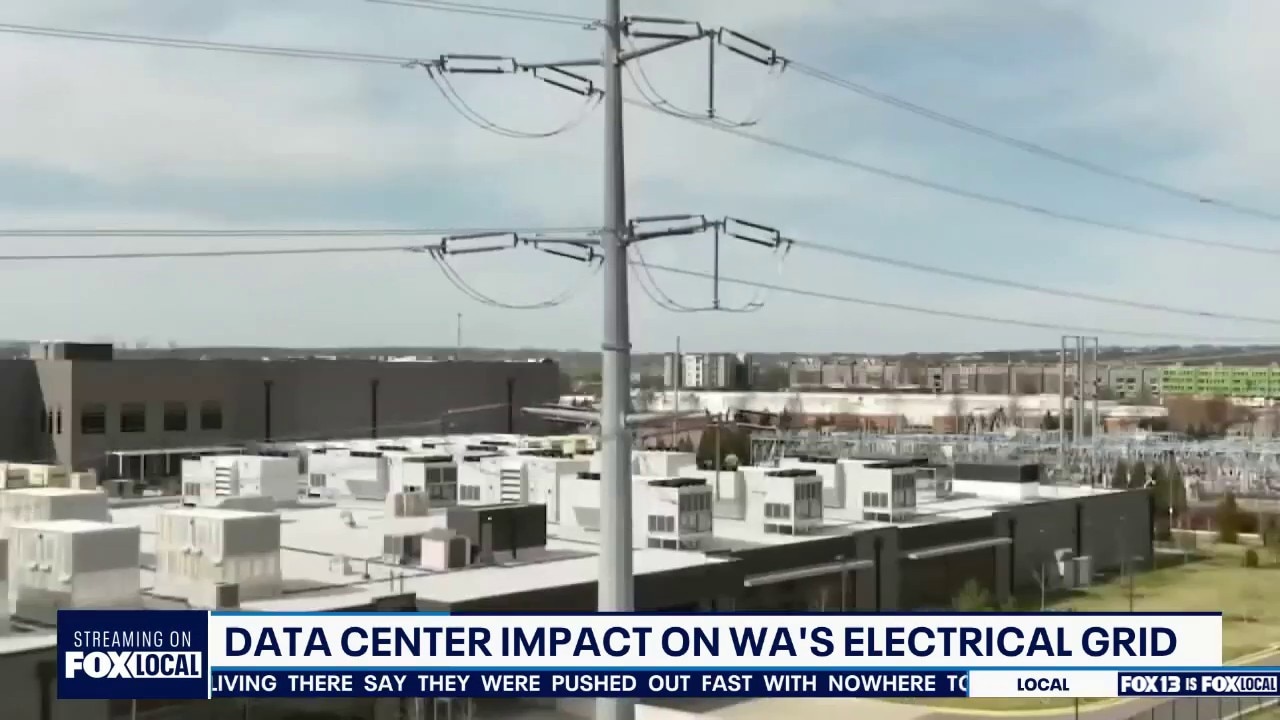
The broader pattern indicates a national trend toward data center regulation. Similar moratorium efforts are underway in Maine, Missouri, and North Carolina, suggesting cities are increasingly viewing hyperscale infrastructure as a public utility requiring community protection. This regulatory shift creates a two-tier market: regions with favorable data center policies (Texas, Virginia, Arizona) will attract investment and offer lower hosting costs, while restrictive regions (Pacific Northwest, Northeast) will experience cost premiums. Sellers with fulfillment operations or inventory management systems in restricted regions should anticipate 8-15% annual cost increases over 2-3 years as utilities implement "large-load policies" to protect residential ratepayers. Washington State's fourth consecutive year of drought emergency compounds the issue—hydropower reliability is declining precisely when AI-driven computing demand is accelerating, creating a structural supply-demand mismatch.
The competitive landscape is shifting toward alternative cloud regions. Sellers currently optimizing for West Coast latency (serving California, Oregon, Washington markets) should evaluate cost-benefit analysis of migrating workloads to AWS regions in us-east-1 (Virginia) or us-south-1 (Texas), which offer lower electricity costs and less regulatory uncertainty. However, migration carries switching costs ($5,000-$50,000 depending on infrastructure complexity) and potential latency increases of 20-40ms, which could impact real-time inventory synchronization and order processing. The strategic decision depends on seller volume: high-volume sellers (10,000+ monthly units) should model migration scenarios now, while smaller sellers may absorb modest cost increases rather than incur switching expenses.
Questions 8
What specific actions should sellers take in response to Seattle's data center moratorium proposal?
Immediate actions (0-30 days): (1) Audit current AWS/Azure spending and identify regional dependencies; (2) Model cost scenarios for alternative regions using AWS Pricing Calculator; (3) Review current cloud contracts for rate-lock provisions and renewal dates. Medium-term actions (1-6 months): (1) Negotiate multi-year Reserved Instance commitments to lock in current pricing; (2) Evaluate 3PL providers in alternative regions (Texas, Virginia) if using fulfillment automation; (3) Conduct latency testing for alternative regions to assess customer impact. Long-term actions (6-12 months): (1) Monitor Seattle City Council moratorium decision; (2) If moratorium is approved, execute migration plan to lower-cost regions; (3) Diversify infrastructure across multiple regions to reduce regulatory risk. Risk mitigation: maintain 10-15% cost buffer in financial projections to account for potential 8-15% hosting cost increases by 2027.
How can sellers reduce cloud infrastructure costs amid data center constraints?
Sellers can reduce costs through: (1) Reserved Instance commitments with AWS/Azure (30-40% discounts for 1-3 year commitments); (2) Spot Instance usage for non-critical workloads (60-70% savings); (3) Regional optimization to lower-cost zones (us-east-1 vs us-west-2); (4) Workload consolidation to reduce redundant infrastructure; (5) Negotiation of volume discounts with cloud providers (available for sellers spending $50,000+ annually). Additionally, sellers should audit current cloud spending for waste—industry data shows 20-30% of cloud spending is unused or redundant. Immediate action: conduct AWS Cost Explorer analysis by May 2026 to identify optimization opportunities; negotiate Reserved Instance commitments for 2-3 year terms to lock in current pricing before rate increases.