




Strait of Hormuz Blockade Drives 5-15% Shipping Cost Surge for Asia-Import Sellers
- US-Iran military standoff closes critical Persian Gulf corridor, raising ocean freight 5-15%, extending transit times 2-4 weeks, compressing margins for 50K+ cross-border sellers importing from Asia






















Overview
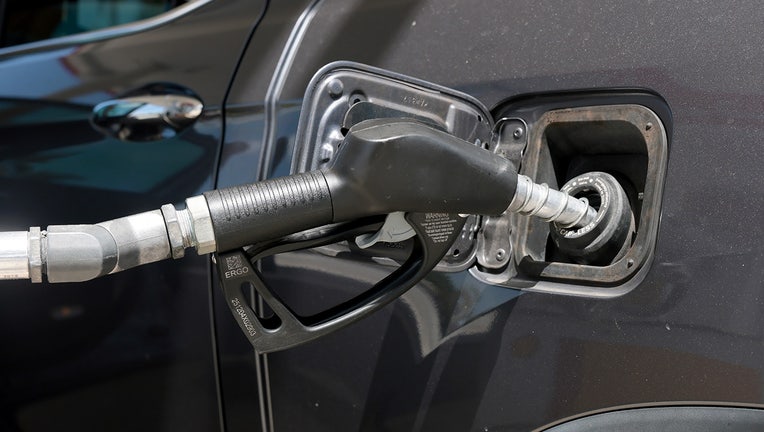
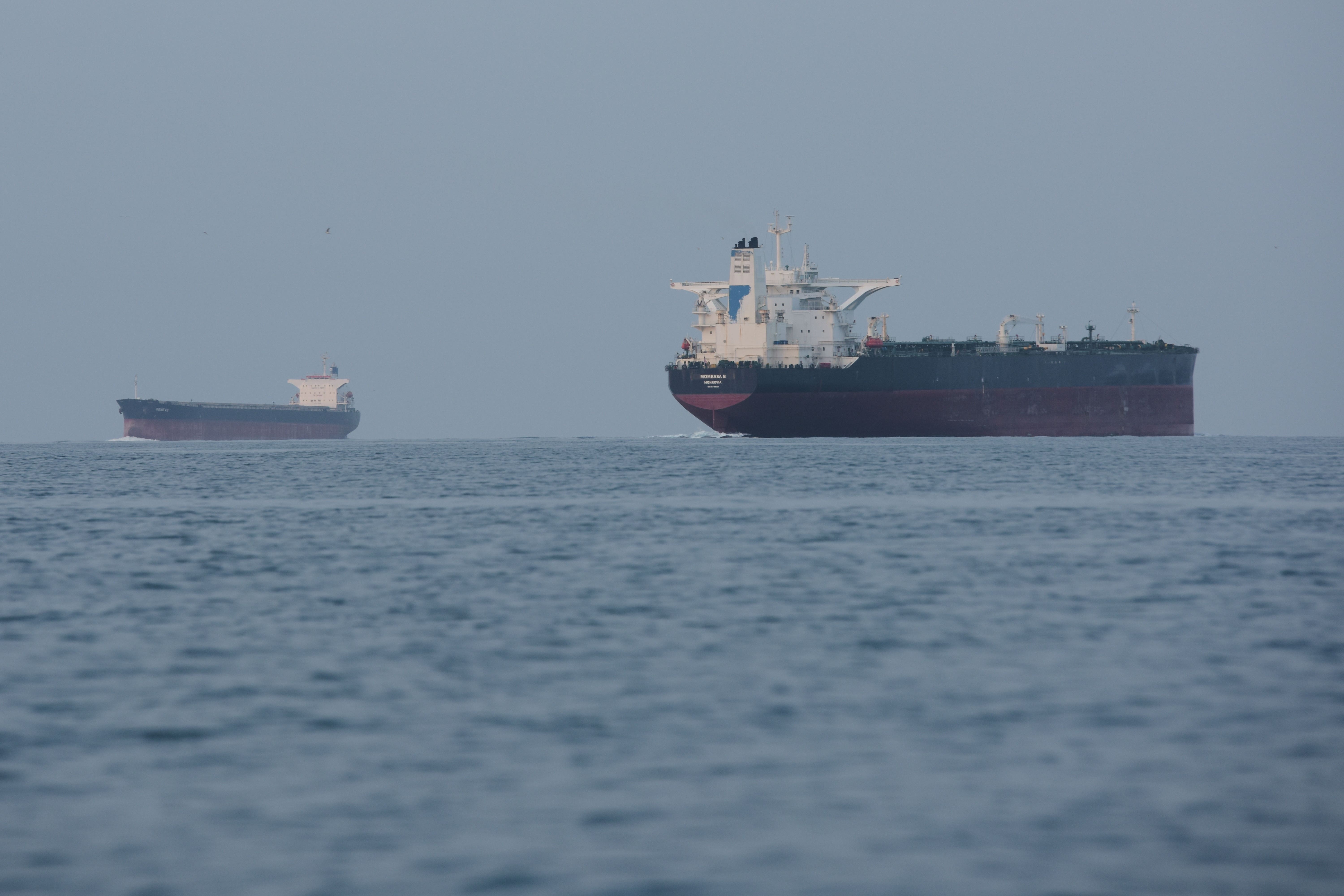
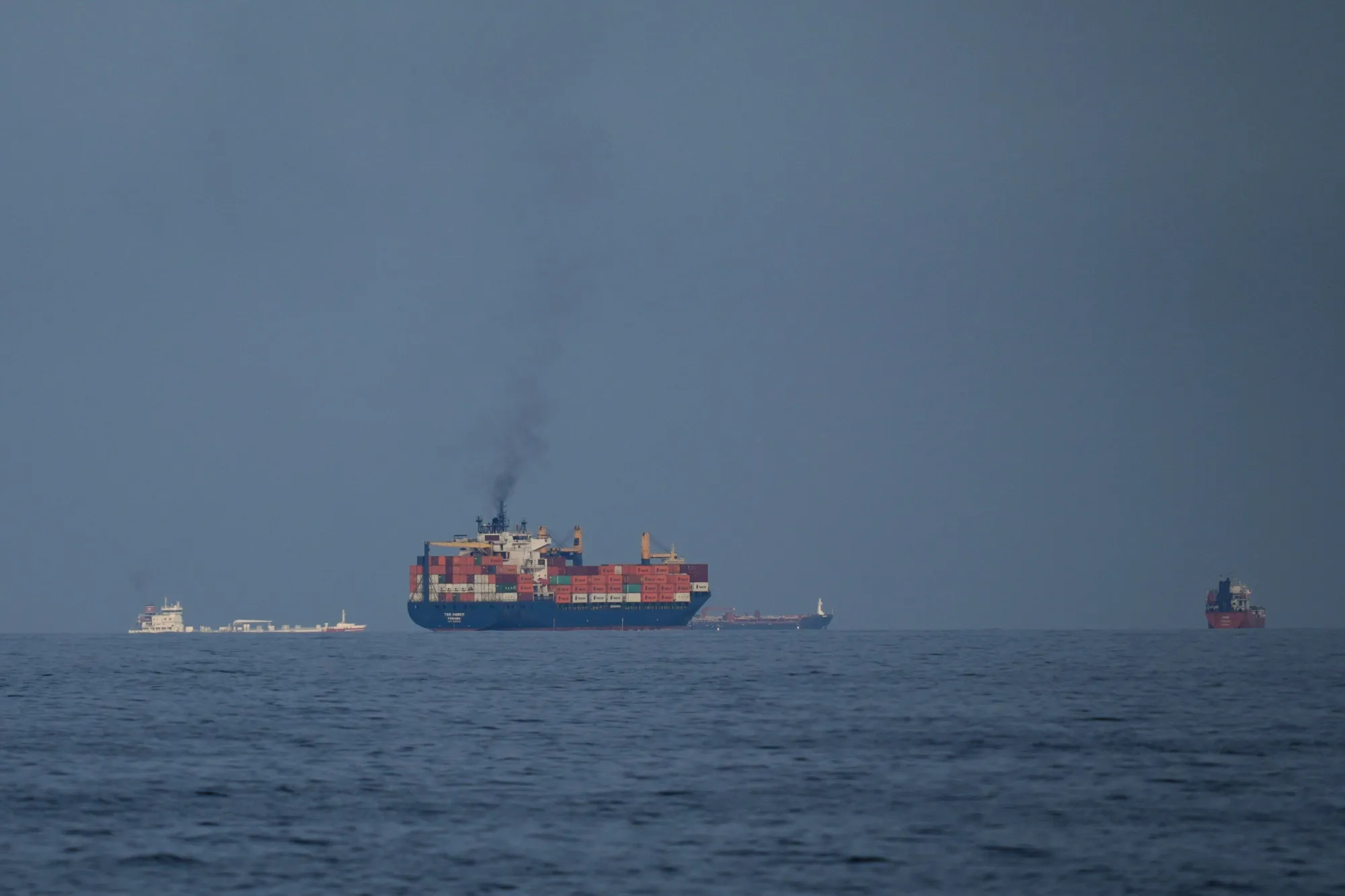
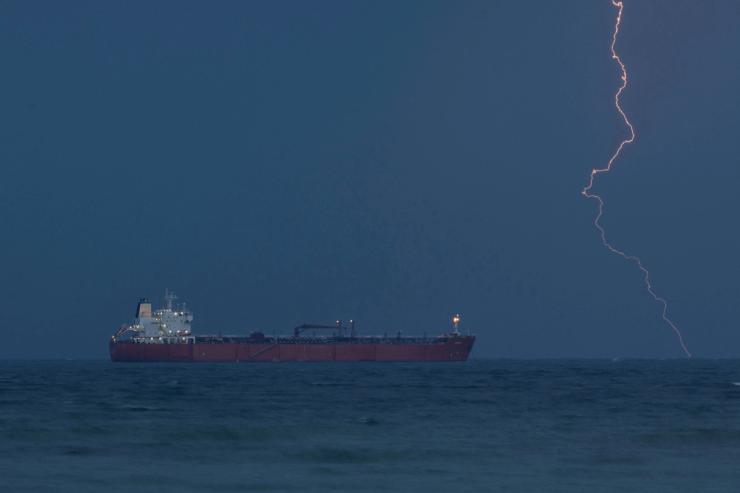
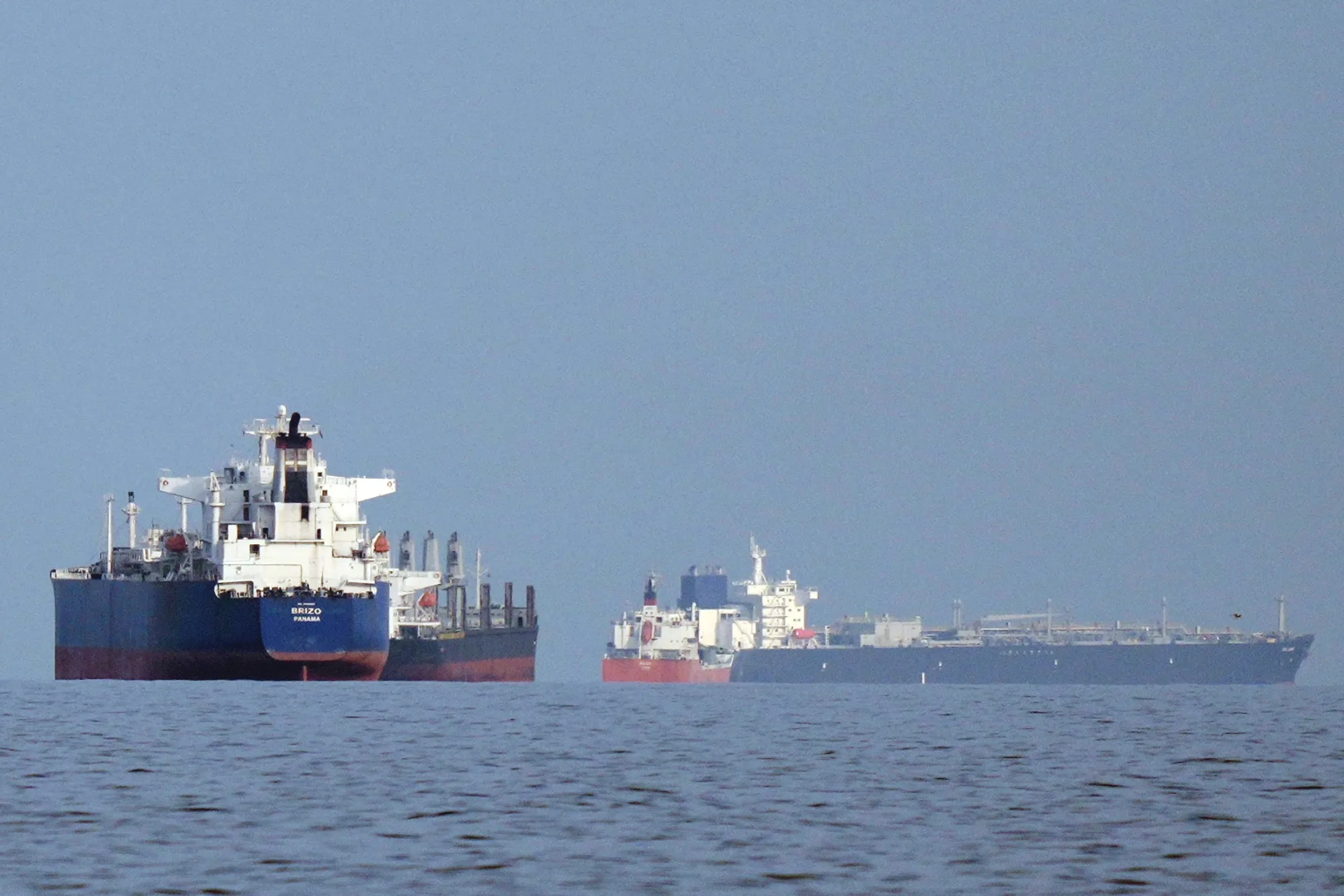
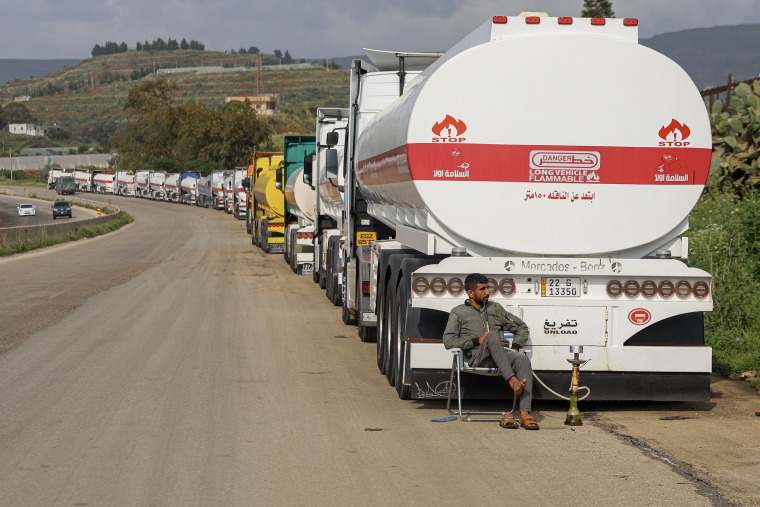
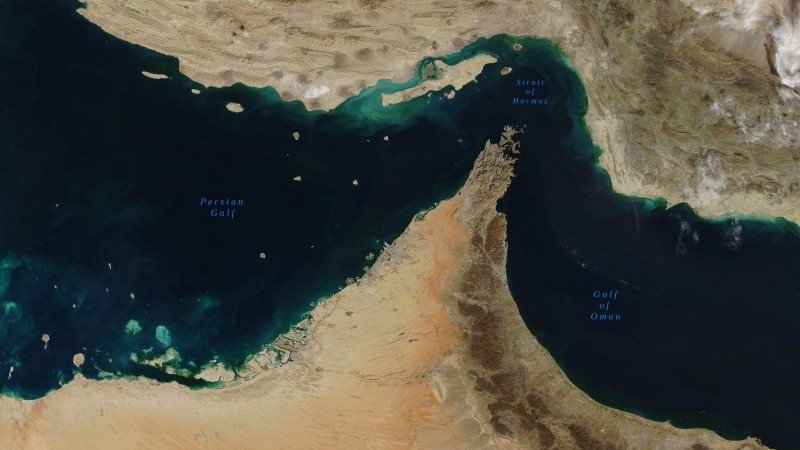
The Strait of Hormuz blockade represents a critical logistics cost shock for cross-border e-commerce sellers. Between April 19-20, 2026, escalating US-Iran military tensions closed the world's most critical shipping corridor, which handles approximately 20-33% of global maritime oil trade. West Texas Intermediate crude surged 7.5% to $90.17/barrel while Brent North Sea crude gained 6.5% to $96.27/barrel following the US Navy's seizure of an Iranian-flagged cargo ship. Energy Secretary Chris Wright indicated US gasoline prices may not return below $3 per gallon until 2026-2027, signaling prolonged energy market volatility. For cross-border sellers, this translates directly to elevated shipping costs: ocean freight surcharges typically increase 5-15% during Hormuz disruptions, with transit times extending from standard 2-3 weeks to 4-6 weeks via alternative African routes.
The operational impact varies significantly by seller segment and product category. Sellers importing electronics, textiles, and consumer goods from Asia face the most acute margin compression, as these categories rely heavily on cost-efficient ocean freight. Small-to-medium sellers (SMBs) with limited inventory buffers face the greatest risk, as extended transit times create stockout scenarios and force expedited air freight alternatives costing 3-5x standard ocean rates. Large sellers with established 3PL networks and pre-positioned inventory in US/EU fulfillment centers experience less disruption but face elevated storage costs as inventory sits longer in transit. Energy-efficient product sellers (LED lighting, solar equipment, EV accessories) may see demand tailwinds as consumers seek cost-reduction solutions amid elevated energy prices.
Strategic sourcing dynamics are shifting in real-time. The blockade creates a 4-6 week window where sellers must choose between: (1) accepting extended delivery timelines and customer satisfaction risks, (2) paying 3-5x premiums for air freight, or (3) diversifying sourcing to Vietnam, India, and Indonesia to bypass Hormuz entirely. Vietnam-based suppliers are already reporting increased inquiry volumes from US/EU sellers seeking alternative sourcing. Packaging material costs are rising due to petrochemical supply chain disruptions—plastic film and corrugated cardboard prices typically increase 8-12% during extended energy crises. Sellers relying on just-in-time inventory models face the highest operational risk, while those with 60-90 day inventory buffers can weather the disruption by absorbing short-term margin compression.
Questions 7
When might Hormuz reopen and shipping costs normalize?
Vice President JD Vance is leading US-Iran negotiations in Islamabad with ceasefire expiring within days (late April 2026). Treasury Secretary Scott Bessent predicted relief by summer 2026, though Iran has expressed skepticism about US intentions. Historical precedent: previous Hormuz disruptions lasted 2-8 weeks. Sellers should plan for 4-6 week disruption window through May 2026, with potential normalization by June. Monitor daily news updates and carrier announcements—shipping costs typically decline 2-3 weeks after ceasefire announcement as carriers resume normal routing.
Should sellers shift to air freight or accept extended delivery timelines?
Air freight ($3,000-8,000 per 40ft container) is economically viable only for high-margin products (electronics, luxury goods, time-sensitive inventory). For standard consumer goods with 15-25% margins, air freight premiums compress profitability below acceptable thresholds. Recommended approach: (1) use air freight for top 10-15% of SKUs by velocity/margin, (2) accept 4-6 week timelines for standard inventory, (3) communicate transparently with customers about extended delivery windows. Sellers can offset margin compression by raising prices 3-5% on affected categories, though this risks Buy Box loss on Amazon and eBay.