




Intel Nova Lake CPUs 2025 | High-Performance PC Market Shift
- 52-core flagship with 288MB cache launches late 2025, reshaping gaming/workstation demand and creating $8-12B market opportunity for PC component sellers












Overview
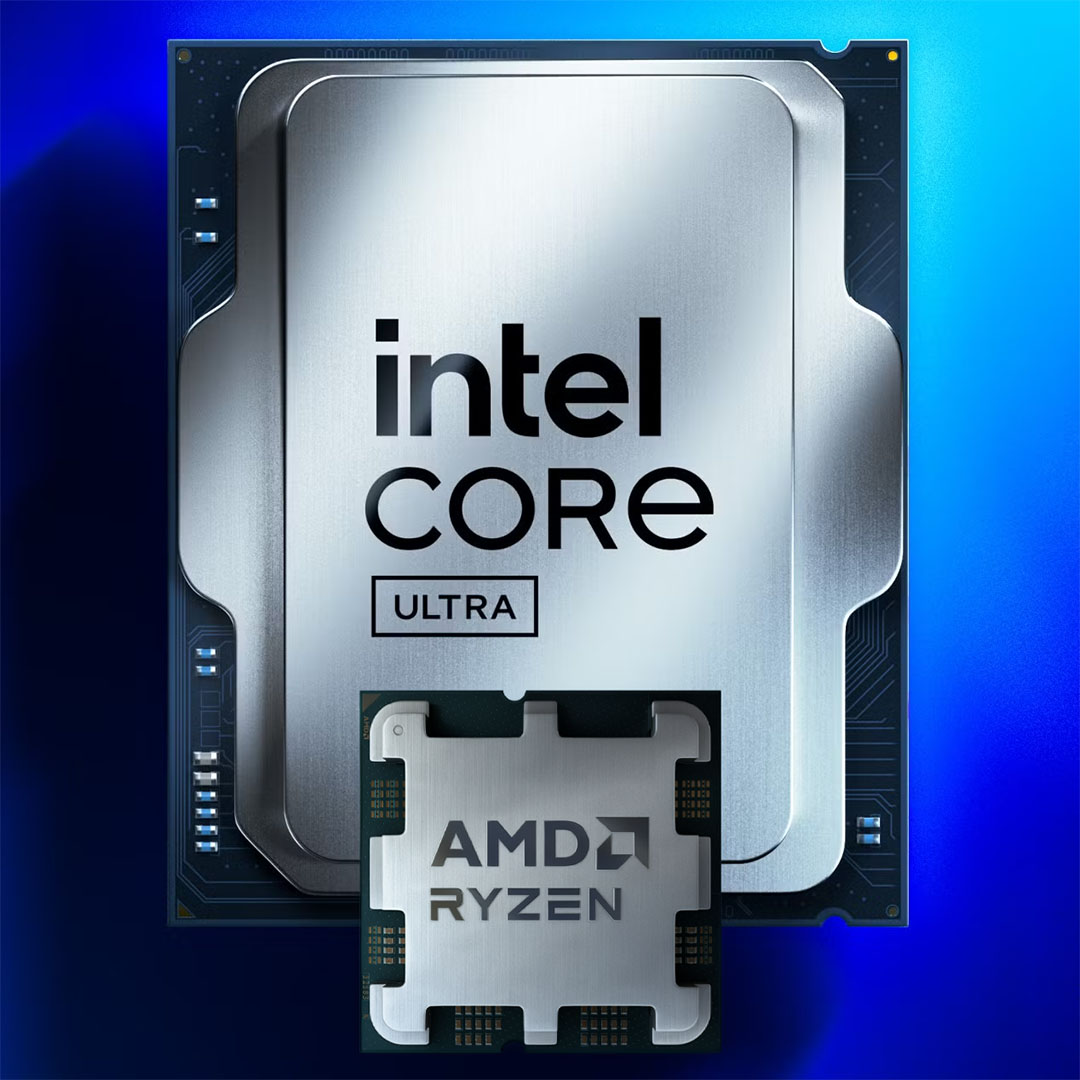
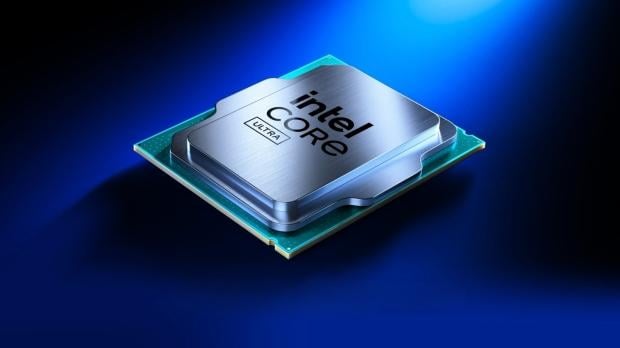
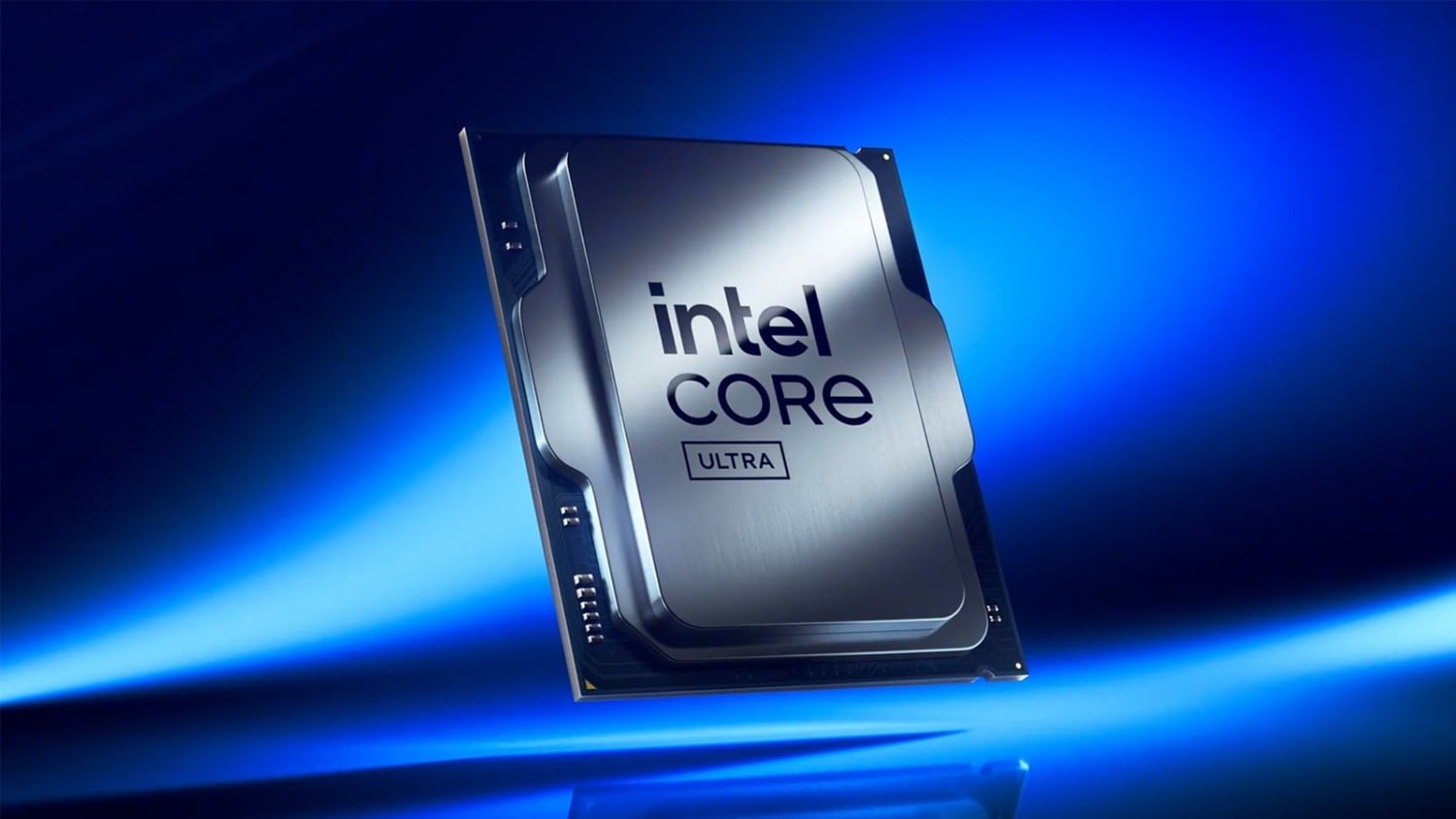
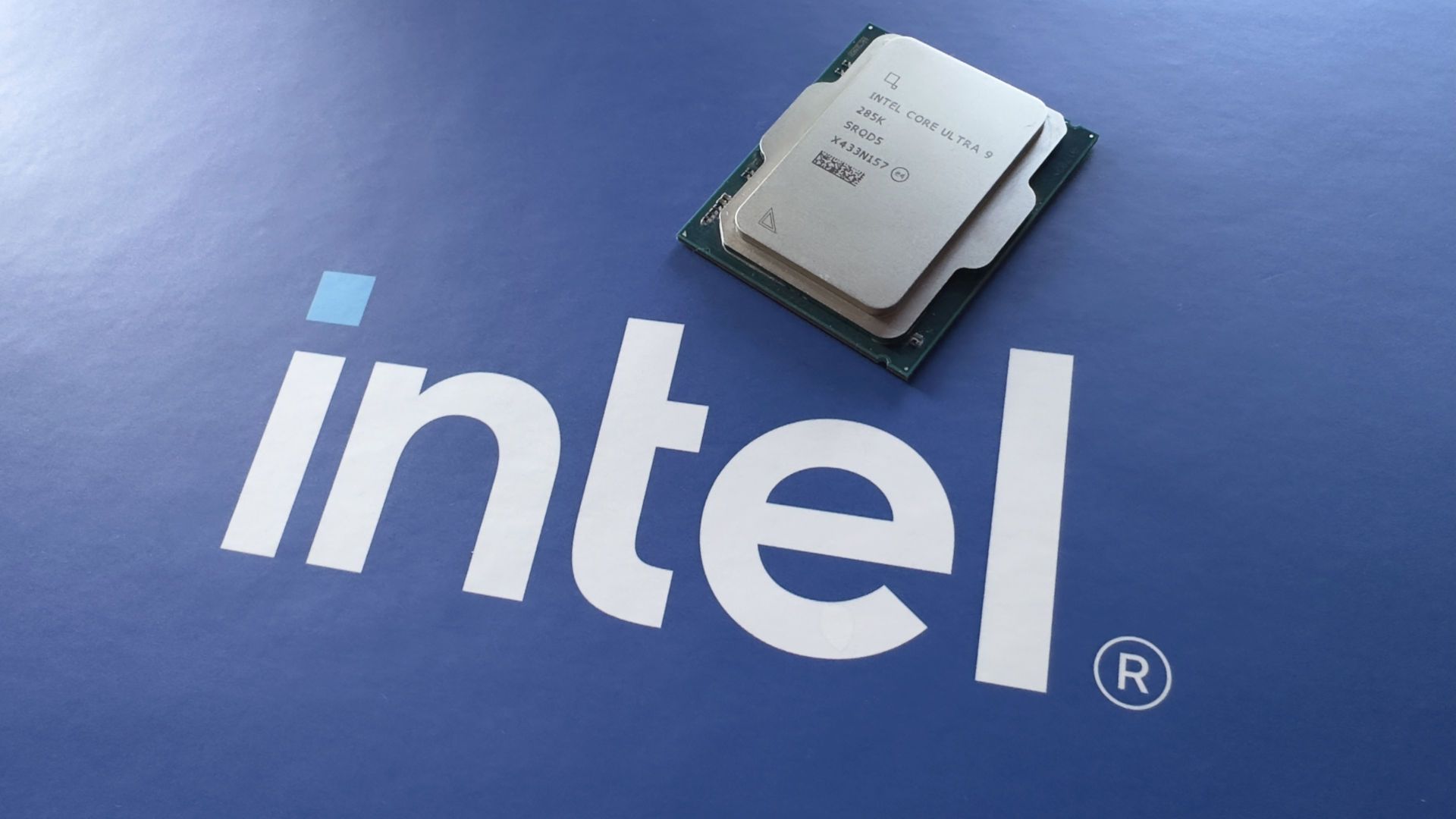
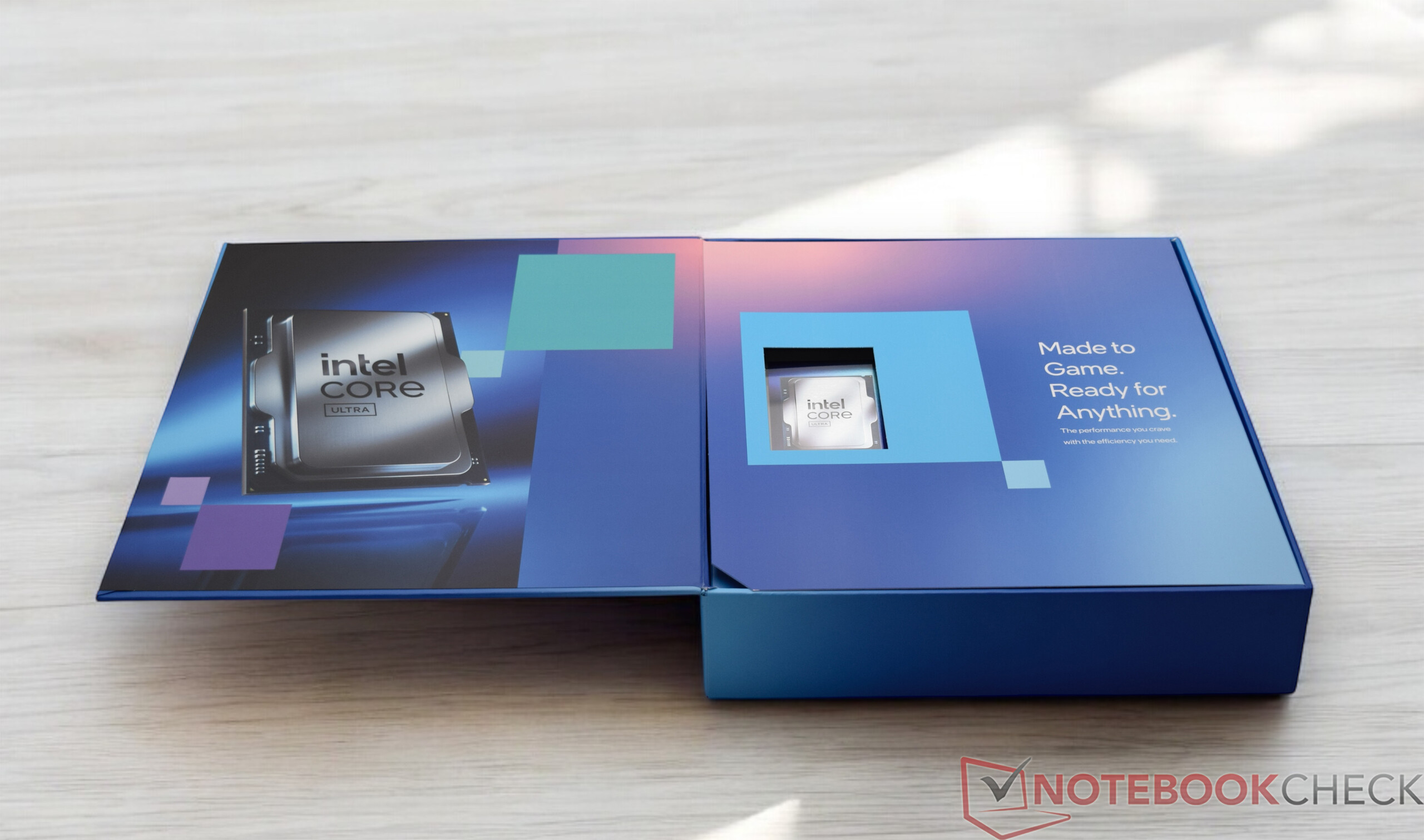
Intel's Nova Lake processor lineup, launching in late 2025, represents a fundamental shift in the high-performance CPU market with direct implications for e-commerce sellers across multiple categories. The leaked specifications reveal a comprehensive range of 12+ desktop CPUs featuring Intel's new bLLC (Big Last Level Cache) technology, with the flagship 52-core Core Ultra DX9 400 delivering 288 MB of cache—38% more than AMD's competing Ryzen 9 9950X3D2 (208 MB). This competitive escalation signals accelerating demand for premium PC components, gaming peripherals, and workstation-class systems throughout 2025-2026.
For e-commerce sellers, this processor launch creates immediate product opportunities across multiple categories. The new LGA 1954 socket architecture requires compatible motherboards, DDR5 memory modules supporting 8,000 MT/s speeds, and premium cooling solutions—categories that historically see 40-60% sales spikes following major CPU launches. Gaming PC builders and content creators represent the primary buyer segments, with enthusiast-class systems typically priced $2,500-$8,000, generating significant accessory demand. Sellers specializing in computer components, gaming peripherals, and pre-built systems should anticipate inventory acceleration starting Q3 2025, with peak demand extending through Q4 2025 and Q1 2026. The three bLLC variants (52-core DX9, 44-core DX7, 28-core D9) targeting gaming and professional workloads will drive demand for high-end graphics cards, NVMe storage, and premium power supplies rated 850W+.
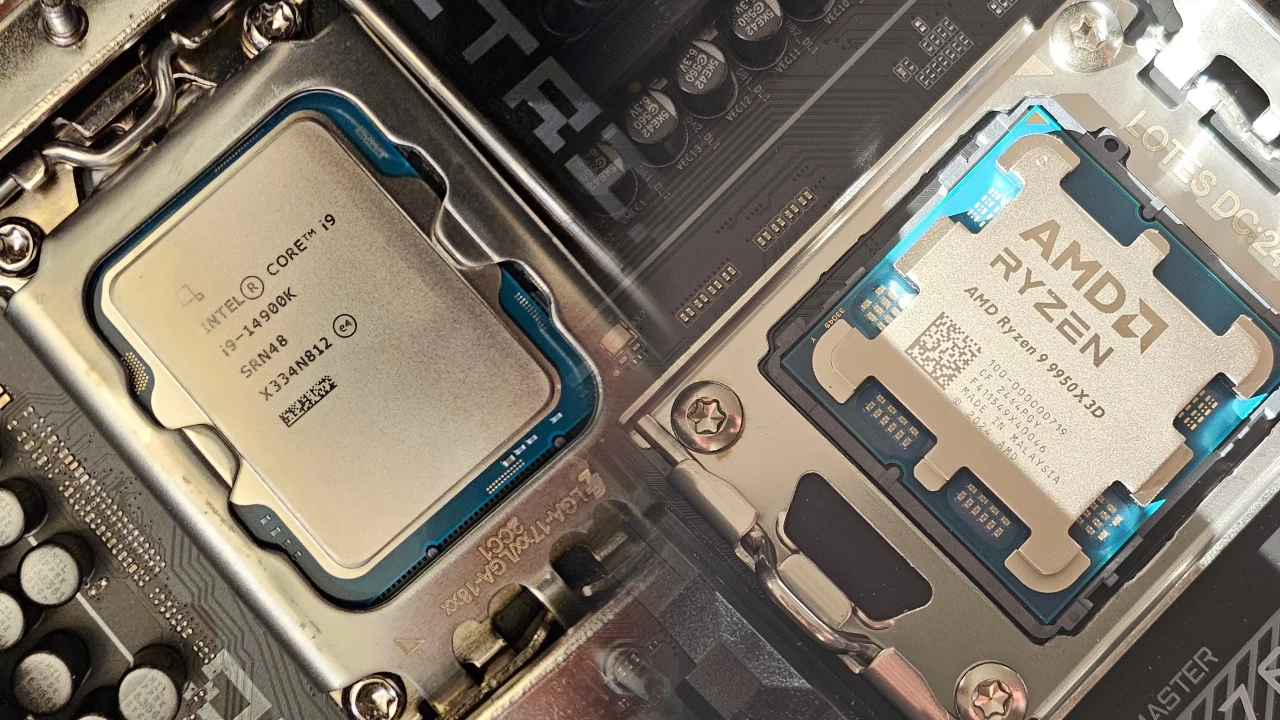
The competitive dynamics between Intel and AMD create strategic opportunities for cross-border sellers. Intel's aggressive positioning against AMD's X3D advantage indicates both manufacturers will escalate specifications in future generations, creating a 12-18 month window of peak consumer interest and purchasing activity. Sellers should monitor benchmark releases throughout 2026 and position inventory accordingly. The naming convention complexity (new 'D' prefix alongside existing 'K', 'F', 'KF' designations) creates consumer confusion that sellers can leverage through detailed product comparisons, compatibility guides, and educational content. Regional demand patterns will vary—North American and European gaming markets typically see 25-35% higher adoption rates for flagship processors compared to entry-level variants, while Asian markets show stronger demand for workstation-class configurations. The transition to new socket architecture also creates opportunity for sellers of legacy component inventory, as existing LGA 1700 systems will see price reductions and clearance demand.
Questions 8
When should sellers begin inventory planning for Nova Lake component demand?
Sellers should begin preliminary sourcing in Q2 2025 (April-June), with aggressive inventory accumulation in Q3 2025 (July-September) ahead of the expected late 2025 launch window. Peak demand typically extends 6-8 weeks following official launch, with secondary demand waves continuing through Q1 2026. For compatible components (motherboards, memory, cooling), begin inventory positioning immediately as these items have longer lead times. Monitor Intel's official announcements and benchmark releases throughout 2026 for demand signals. Historical CPU launch patterns show 40-60% sales spikes in compatible component categories during the 8-week post-launch window. Sellers with established supplier relationships should secure allocation agreements now, as premium components typically experience allocation constraints during major platform transitions.
What content marketing opportunities exist for Nova Lake product listings?
The naming convention complexity (new 'D' prefix alongside 'K', 'F', 'KF' designations) creates significant content marketing opportunities. Sellers should develop detailed comparison guides, compatibility matrices, and performance expectation documents addressing consumer confusion. Create content around specific use cases: gaming (emphasizing cache advantage), content creation (highlighting core counts), and workstation applications (focusing on efficiency cores). Once benchmarks release in 2026, develop performance comparison content against AMD alternatives. Video content demonstrating system builds with Nova Lake components, cooling solution compatibility, and overclocking potential will drive engagement. FAQ content addressing socket compatibility, memory speed requirements, and power supply sizing will capture high-intent search traffic from builders preparing for launch.