





Geopolitical Recalibration: The Strategic Pivot in US-China Relations
- Middle Powers Reposition as US Reframes Economic Engagement Strategy










Overview
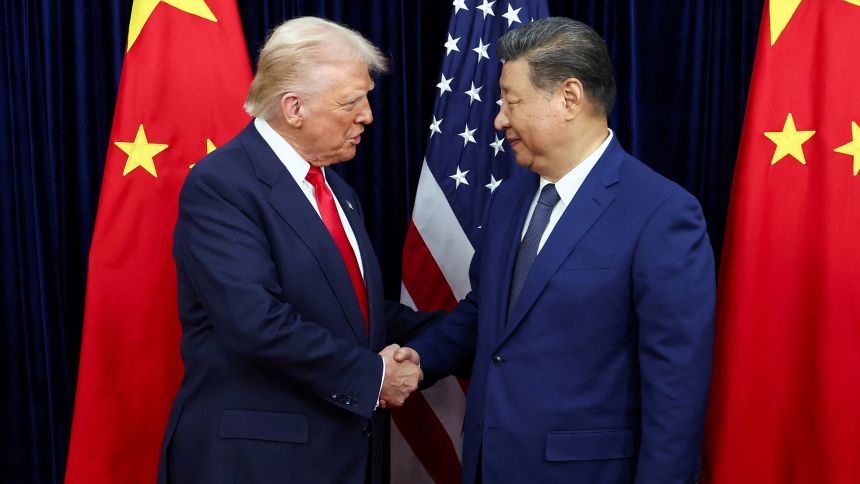
The emerging geopolitical landscape reveals a nuanced transformation in US-China relations, characterized by a strategic shift from confrontation to calculated economic competition. The Trump administration's latest National Security Strategy signals a profound reorientation, moving beyond traditional geopolitical tensions to focus primarily on economic interdependence and strategic positioning.
Economic rivalry now takes center stage, with the NSS presenting China more as an economic competitor than a ideological adversary. This represents a critical pivot: instead of ideological confrontation, the strategy emphasizes mutual economic vulnerabilities and potential collaborative opportunities. The document's strategic ambiguity regarding Taiwan and the South China Sea suggests a more pragmatic approach to regional dynamics.
The ripple effects extend beyond US-China relations. Middle powers like Canada are demonstrating remarkable diplomatic agility, recalibrating their international strategies to maintain flexibility. By potentially diversifying relationships and creating strategic options, these nations are navigating an increasingly complex geopolitical environment. The potential return of Trump to the presidency adds another layer of uncertainty, driving strategic repositioning.
Critically, this approach reveals a sophisticated understanding of global economic interdependence. The NSS acknowledges that both the US and China can inflict significant economic damage, suggesting a move towards managed competition rather than outright confrontation. The Indo-Pacific region emerges as a critical strategic focal point, with nations carefully balancing economic interests and diplomatic considerations.
The strategic implications are profound: we are witnessing a transition from a binary world of ideological conflict to a more nuanced landscape of economic strategic positioning. Nations are no longer choosing sides but crafting multi-dimensional engagement strategies that prioritize economic resilience and strategic flexibility.
Questions 3
How is the new US National Security Strategy different from previous approaches to China?
Unlike previous strategies, the new NSS prioritizes economic competition over ideological confrontation. It presents China primarily as an economic competitor, emphasizing mutual economic vulnerabilities and potential collaborative opportunities rather than focusing on human rights or geopolitical tensions.
What strategic implications emerge for middle powers like Canada?
Middle powers are developing more flexible diplomatic strategies, creating multiple engagement options that aren't solely dependent on US foreign policy. They're seeking to balance economic interests with strategic considerations, demonstrating increased diplomatic agility in a complex geopolitical landscape.