




Border War Erupts: Thailand and Cambodia's Explosive Geopolitical Powder Keg
- Regional Stability Hangs in Balance as Nationalist Tensions Threaten Cross-Border Peace




)










Overview
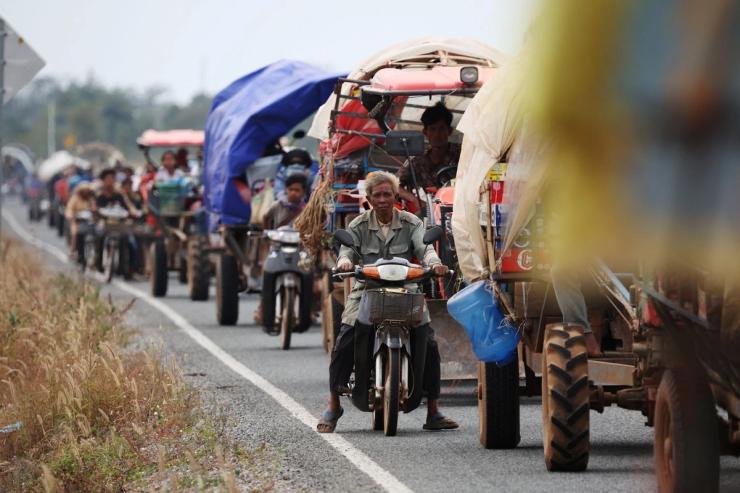
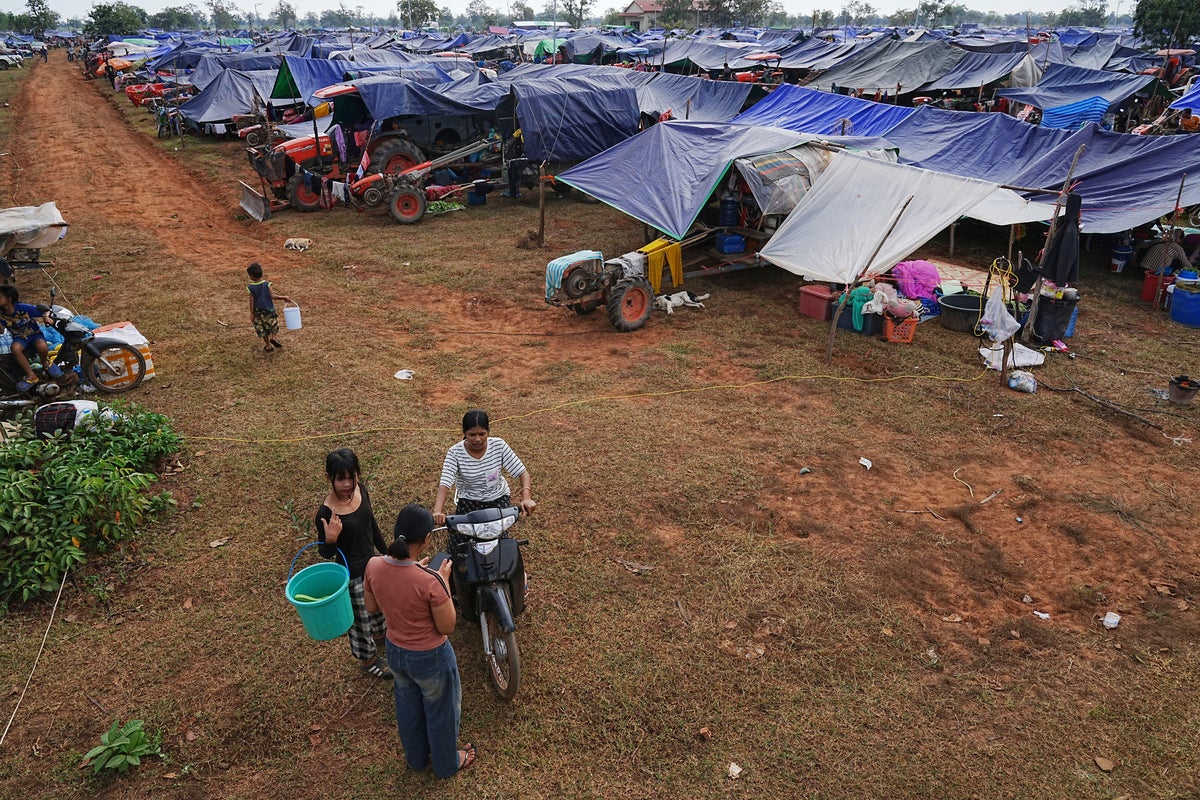
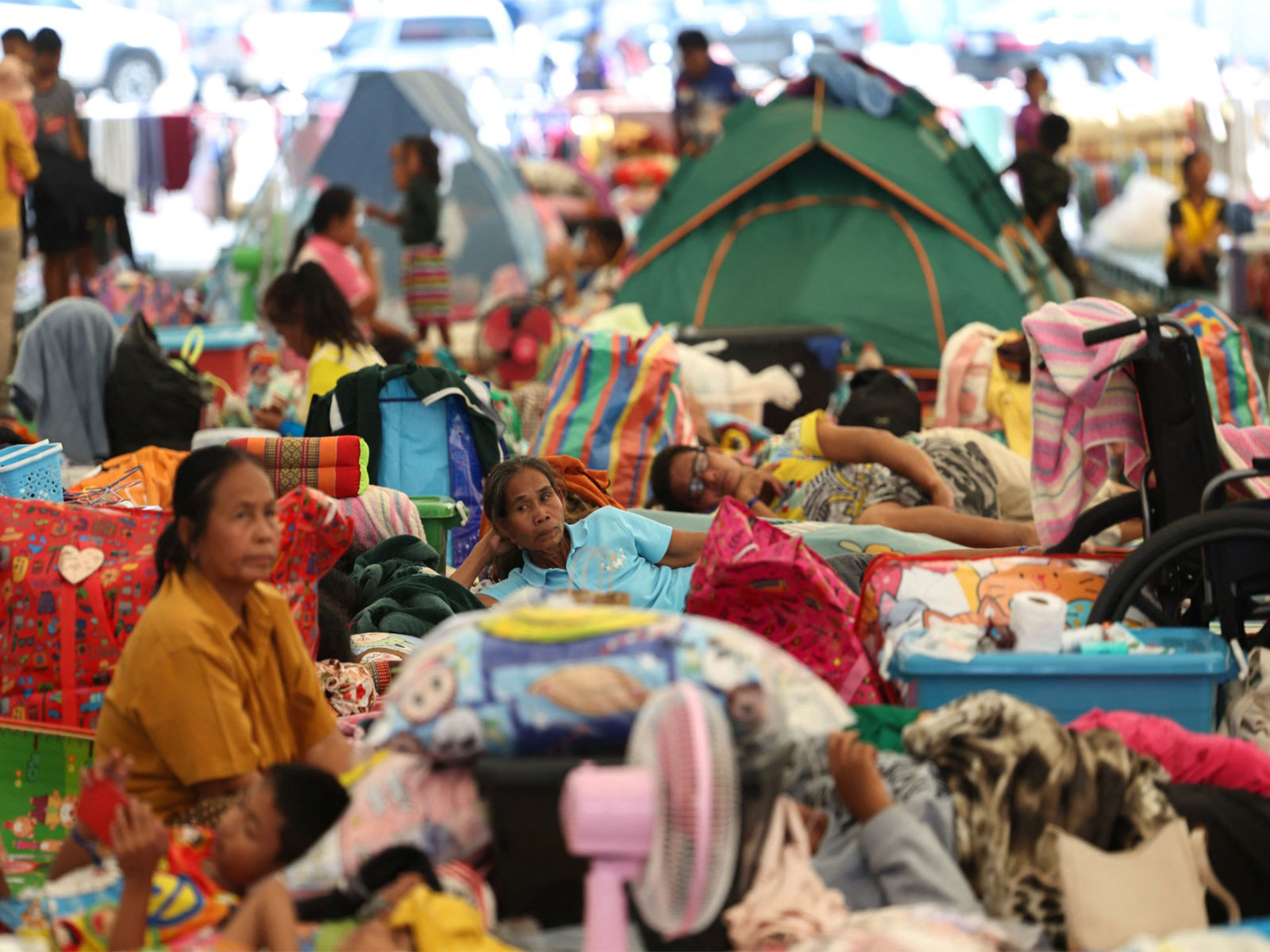
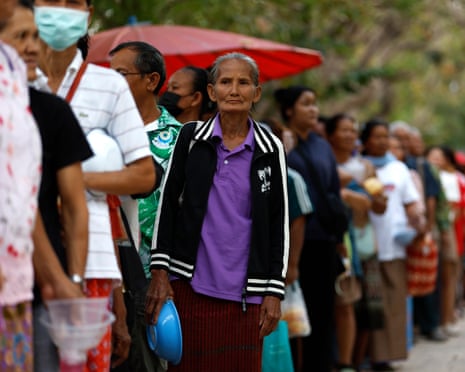
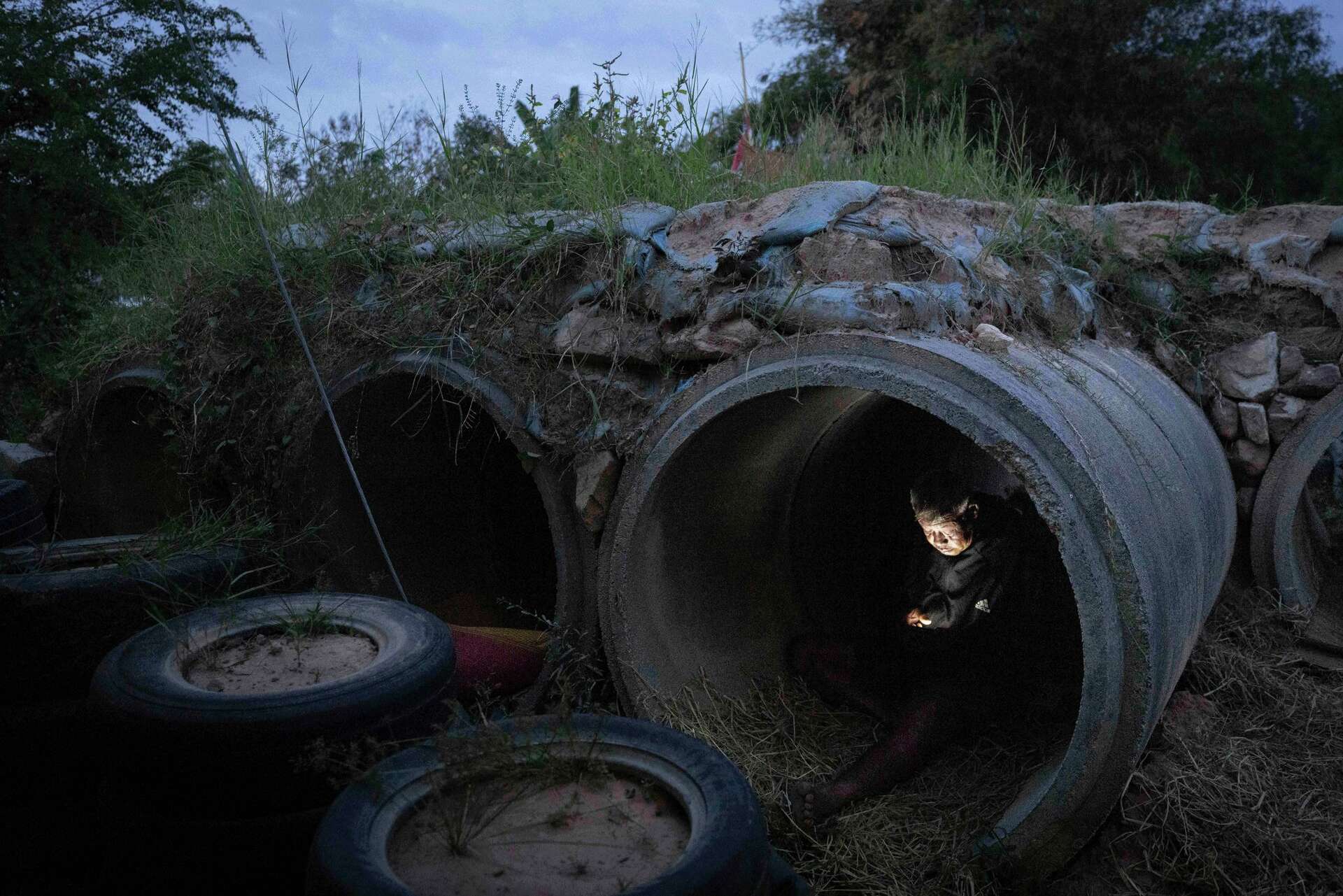
The Thailand-Cambodia border conflict represents a critical geopolitical flashpoint that threatens to destabilize Southeast Asian regional dynamics. In December 2025, tensions have escalated dramatically, with military confrontations forcing over 600,000 people to evacuate border regions and causing substantial human displacement.
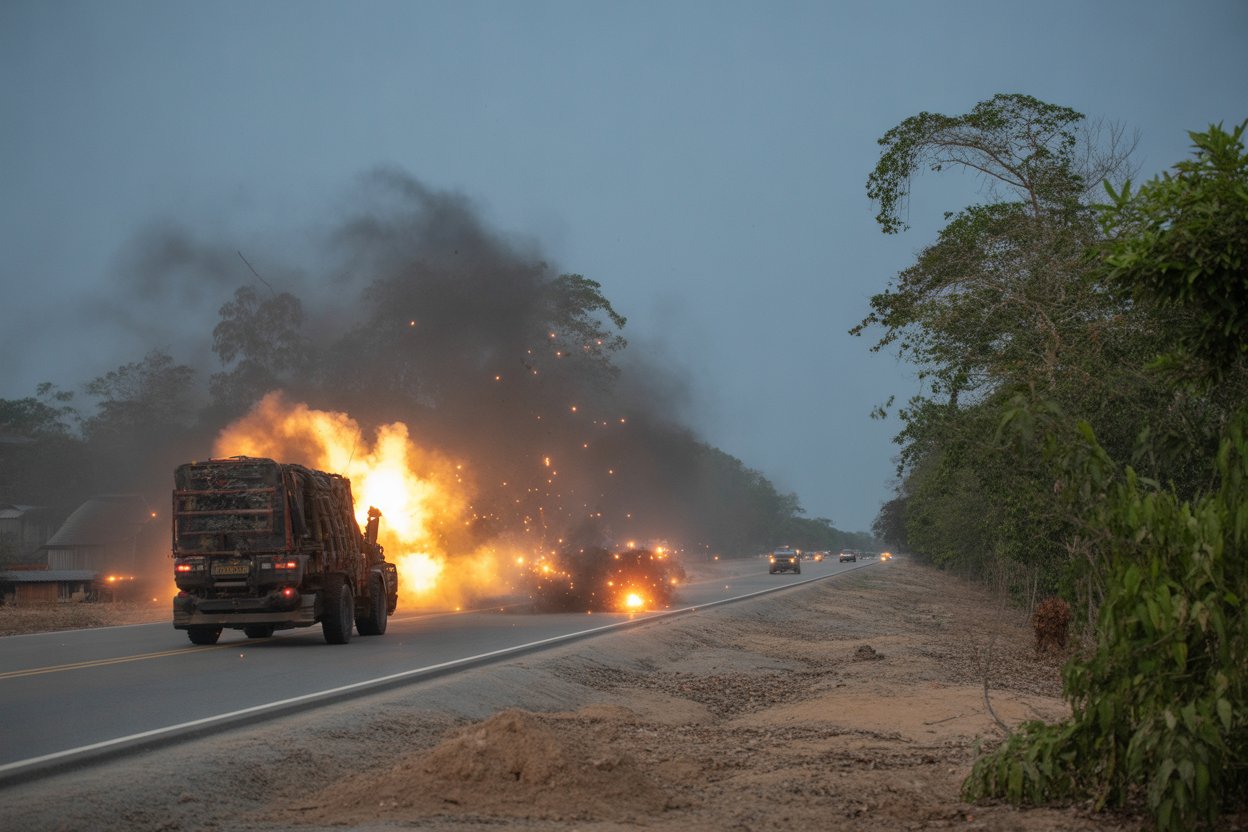
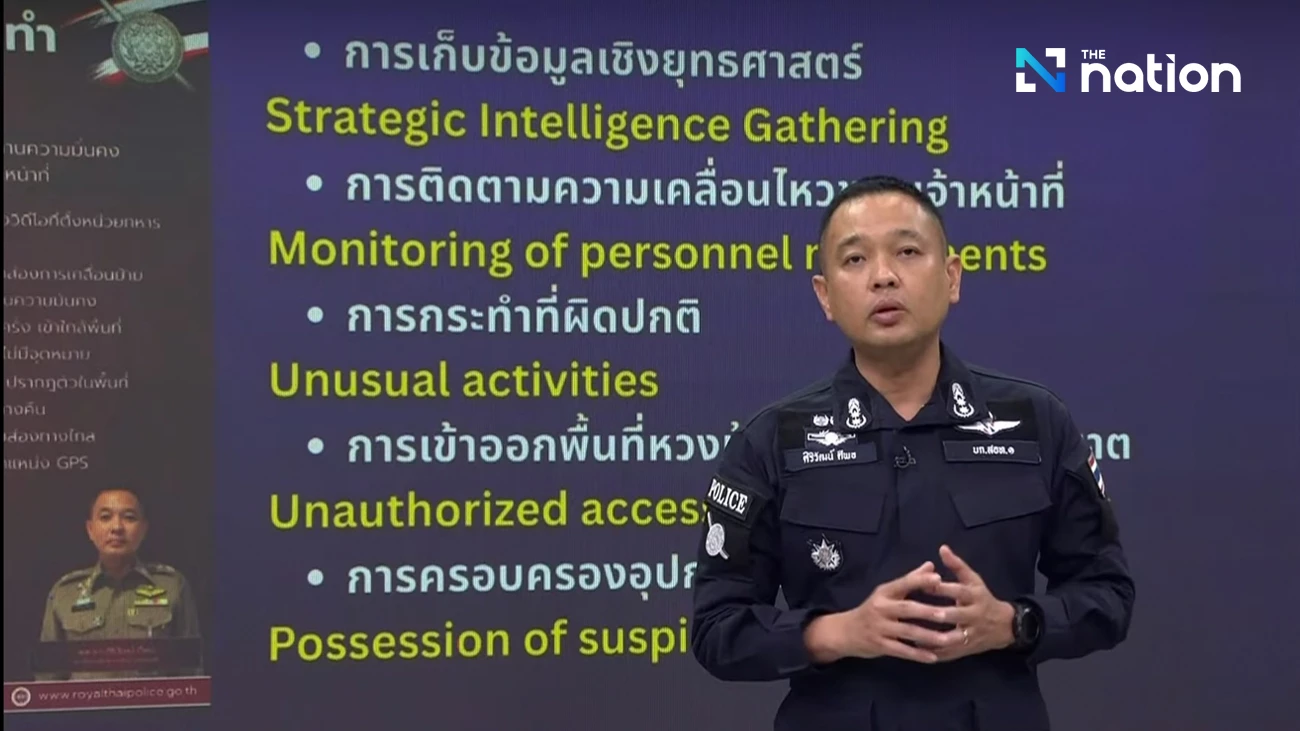
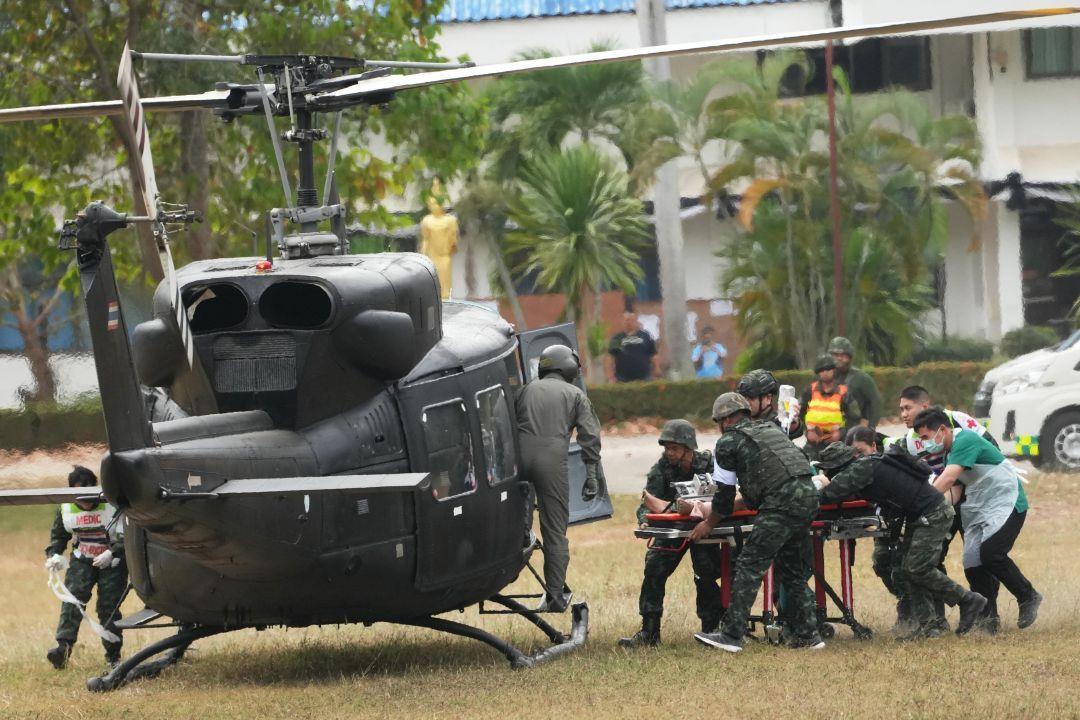
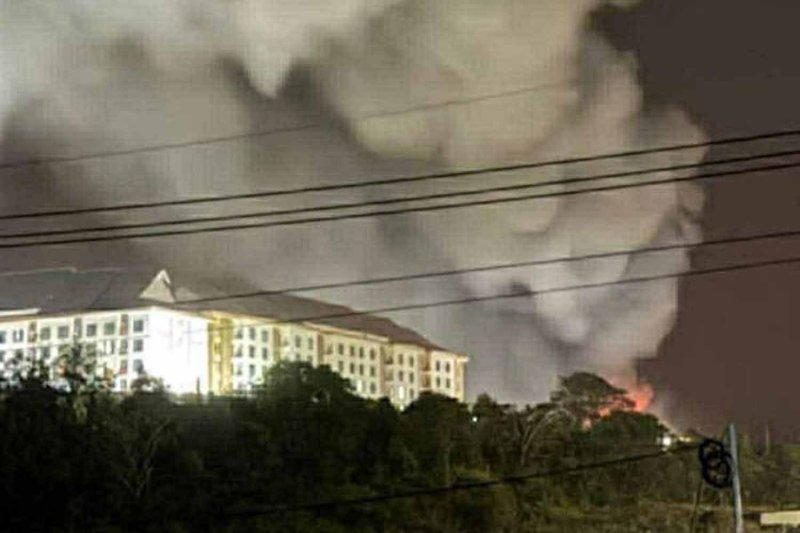
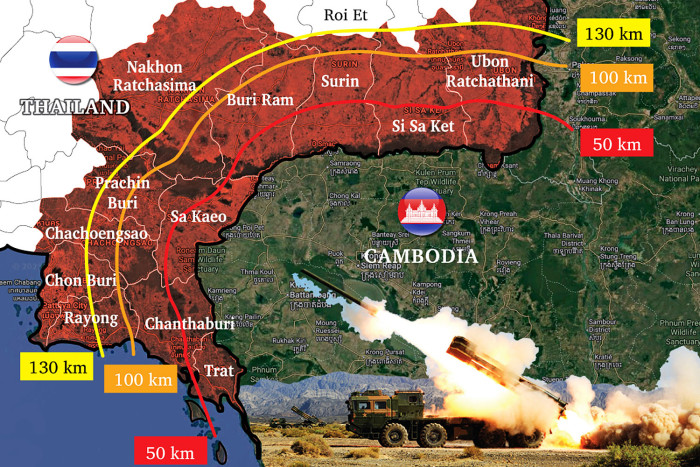
Strategic military escalation marks this conflict's most dangerous phase. The Royal Thai Army has launched comprehensive attacks across three Cambodian provinces—Oddar Meanchey, Preah Vihear, and Banteay Meanchey—utilizing advanced weaponry including artillery, fighter jets, tanks, and drones. The conflict's roots trace to a centuries-old territorial dispute, now transformed into a potential regional security crisis.
The geopolitical complexity is heightened by nationalist sentiments and domestic political calculations. A critical August poll revealed that over 50% of Thais believe their country should not be associated with Cambodia, while nearly two-thirds view international intervention skeptically. The upcoming 2026 Thai election further complicates diplomatic resolution, as Prime Minister Anutin Charnvirakul may prioritize nationalist rhetoric over peaceful compromise.
Diplomatic intervention attempts by U.S. President Donald Trump and international mediators have thus far proven ineffective. Despite multiple ceasefire negotiations—including deals in July and October 2025—the conflict remains volatile. The human cost is devastating: at least 20 people killed, nearly 200 wounded, and border communities facing repeated displacement and economic disruption.
The conflict represents more than a bilateral dispute; it signals a broader challenge to regional stability. With Thailand dissolving its parliament and Cambodia rejecting military allegations, the path to peaceful resolution appears increasingly narrow. International observers must recognize this not as an isolated incident, but as a potential trigger for wider regional instability.
Questions 3
How severe are the humanitarian consequences of this conflict?
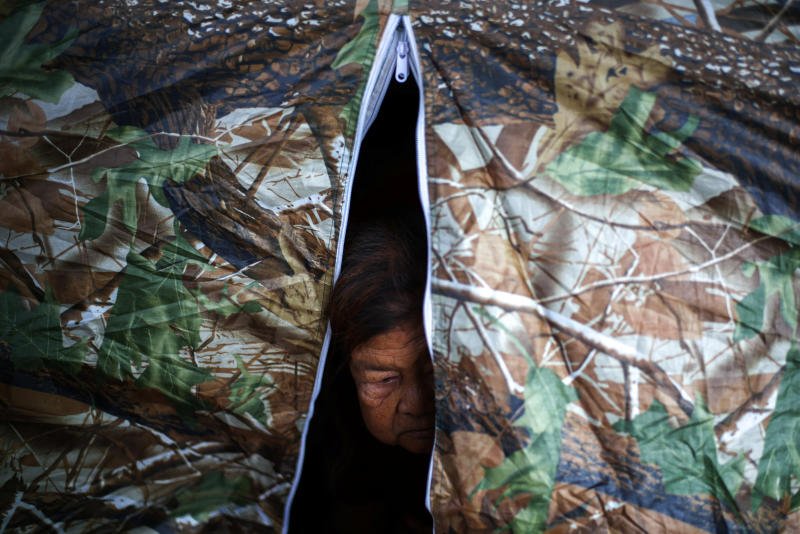
The humanitarian impact is devastating. Approximately 600,000 people have been displaced from border regions, with at least 20 people killed and nearly 200 wounded. Border communities like those of Rangsan Angda and Patcharee Kotmakti face repeated evacuations, significant financial uncertainty, and profound psychological strain.
What diplomatic efforts have been made to resolve the conflict?
Multiple diplomatic interventions have occurred, including ceasefire deals brokered by former U.S. President Donald Trump in July and October 2025. However, these attempts have been largely ineffective. Current efforts involve direct communication between leaders, with Trump promising to reach out to both countries and Thailand's top diplomat discussing peaceful resolution with U.S. Senator Marco Rubio.