




Strait of Hormuz Shipping Crisis | Logistics Costs Surge 8-15% for Cross-Border Sellers
- US-Iran naval conflict disrupts 20% of global maritime trade; fuel surcharges and insurance premiums spike for Asia-to-US and Middle East exporters through April 2025




















Overview
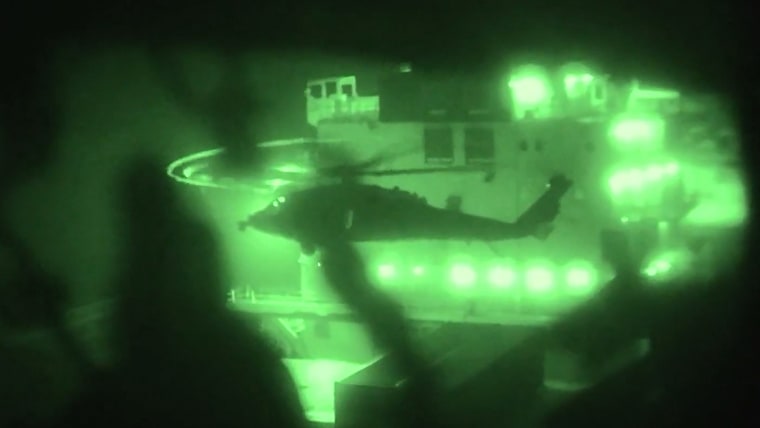
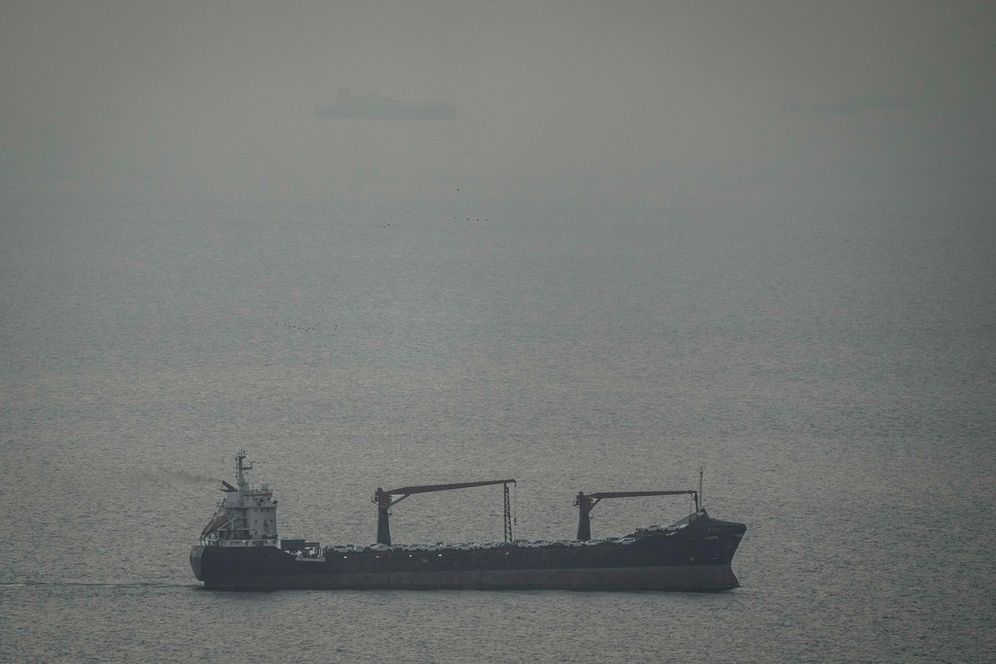
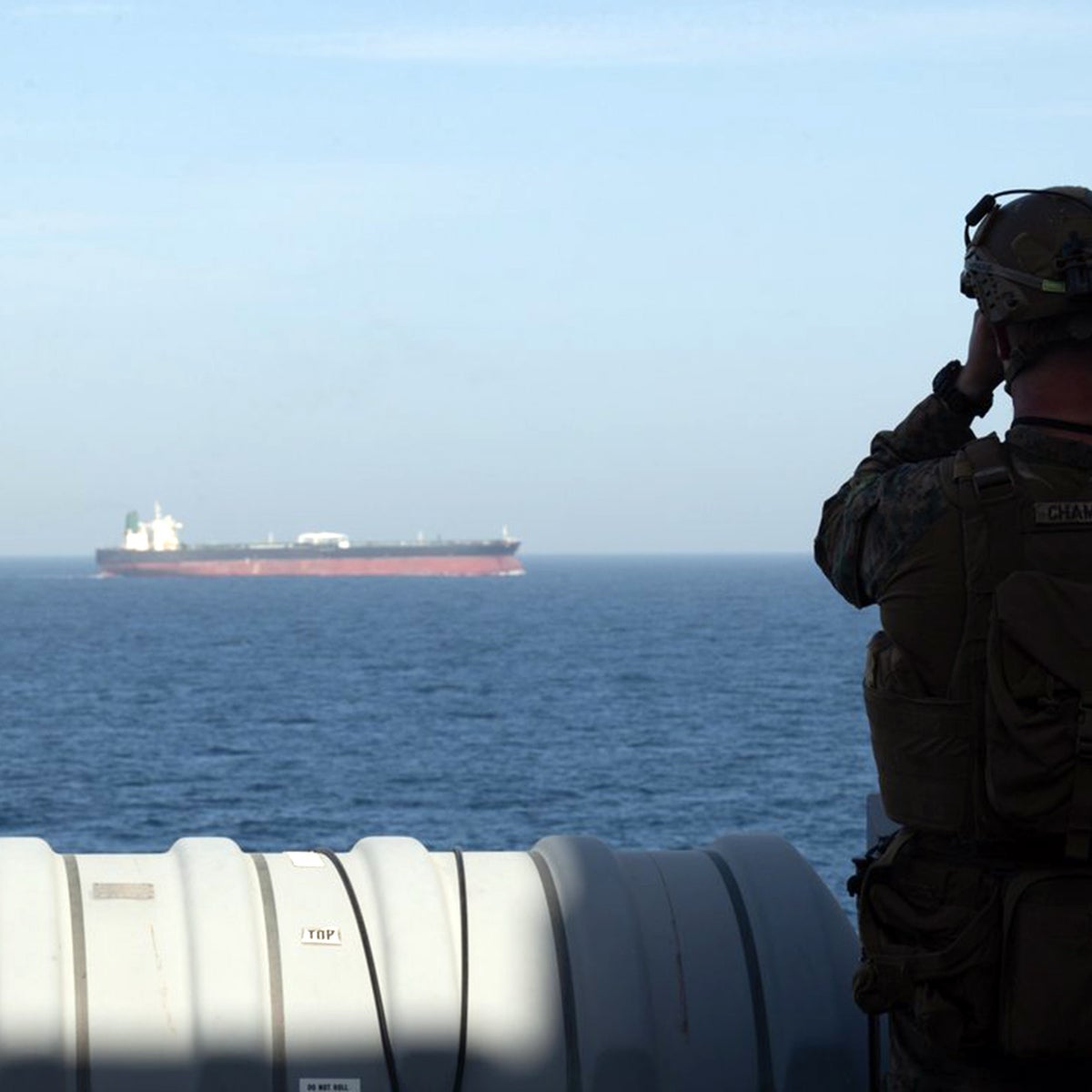
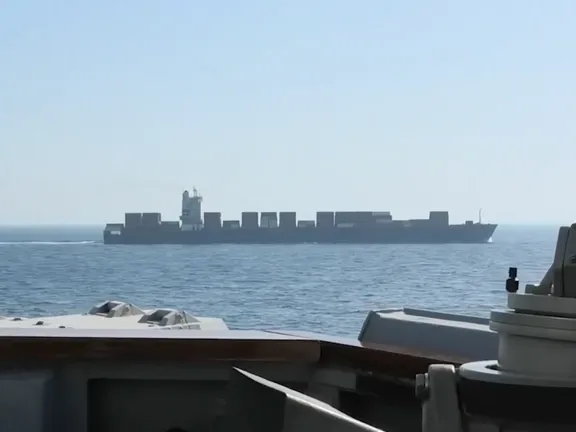
The escalating US-Iran military confrontation in the Strait of Hormuz represents a critical supply chain crisis for cross-border e-commerce sellers. On April 19-20, 2025, the US Navy seized the Iranian cargo vessel Touska in the Gulf of Oman, triggering Iranian drone retaliation and threatening a two-week ceasefire expiring April 23, 2025. This geopolitical flashpoint directly impacts seller logistics costs: approximately 20% of global oil and liquefied natural gas transits the Strait of Hormuz, making it the world's most critical maritime chokepoint for energy-dependent shipping.
Immediate Cost Impact for Sellers: Brent crude oil surged 4.74% to $94.66/barrel following the seizure announcement, directly translating to increased fuel surcharges on container shipping. Sellers importing goods from Asia (Vietnam, India, China) to US markets via the Suez Canal route face 8-15% logistics cost increases. Insurance premiums for vessels transiting the Strait have risen 12-18% as underwriters price in military escalation risk. For a typical mid-sized seller shipping 500 containers monthly from Southeast Asia, this represents $40,000-$75,000 in additional monthly logistics expenses.
Affected Seller Segments: Small-to-medium sellers (SMBs) with thin 15-25% margins face the greatest pressure, as they lack negotiating power with 3PL providers and cannot absorb fuel surcharges. Large sellers with established contracts and diversified sourcing can better weather the crisis. Sellers exporting to Middle Eastern markets (UAE, Saudi Arabia, Qatar) face additional risks from port closures and vessel targeting, with some shipping lines suspending bookings to Iranian ports entirely.
Strategic Sourcing Implications: The crisis accelerates sourcing diversification away from China-dependent supply chains. Sellers are evaluating alternative manufacturing hubs in Mexico, Vietnam, and India to reduce Strait of Hormuz exposure. Mexico-to-US routes avoid the Strait entirely, while Vietnam-to-US shipments can route around Africa (Cape of Good Hope), adding 2-3 weeks transit time but reducing geopolitical risk. This represents a structural shift in global supply chain architecture that favors nearshoring and Southeast Asian diversification.
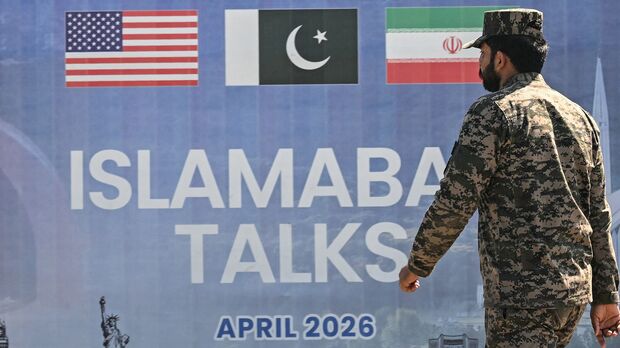
Timeline Criticality: The ceasefire expires April 23, 2025, with peace talks in Islamabad uncertain. If negotiations fail and military escalation continues, shipping disruptions could extend 6-12 months, fundamentally reshaping logistics costs and inventory strategies for sellers dependent on Asian sourcing.
Questions 7
What insurance and compliance changes should I implement for Middle East shipments?
Maritime insurance premiums for Strait of Hormuz transits have risen 12-18% as underwriters price in military escalation risk. Sellers exporting to UAE, Saudi Arabia, and Qatar should immediately review insurance policies and budget for premium increases. Some shipping lines have suspended bookings to Iranian ports entirely, requiring alternative routing through Oman or Saudi ports. Compliance-wise, verify your 3PL provider maintains updated sanctions screening for Iran-related cargo restrictions. The US Treasury OFAC maintains active sanctions lists—any inadvertent Iranian entity involvement triggers $250,000+ penalties. Request written confirmation from logistics partners that shipments avoid Iranian territorial waters and comply with current blockade conditions.
How does this crisis affect my inventory planning and cash flow?
Extended transit times and cost uncertainty create significant cash flow pressure. If you typically receive inventory every 30 days from Asia, Strait of Hormuz disruptions could extend this to 45-60 days, requiring 50% more working capital tied up in transit inventory. For sellers with $500K monthly inventory investment, this means $250K-$500K additional cash tied up. Simultaneously, fuel surcharges reduce per-unit margins by $2-$8 depending on product category. Recommend: (1) Increase safety stock by 20-30% to buffer extended lead times, (2) Negotiate extended payment terms with suppliers (60-90 days vs. 30 days), (3) Accelerate inventory velocity by running promotional campaigns to convert stock faster, (4) Evaluate inventory financing options through Amazon Lending or alternative 3PL credit lines.