






Shipping Cost Crisis: Oil Surge 5-6% Threatens Cross-Border Seller Margins
- Brent crude hits $95/barrel; freight rates expected to rise 8-15% for international e-commerce logistics within 2-4 weeks










































Overview
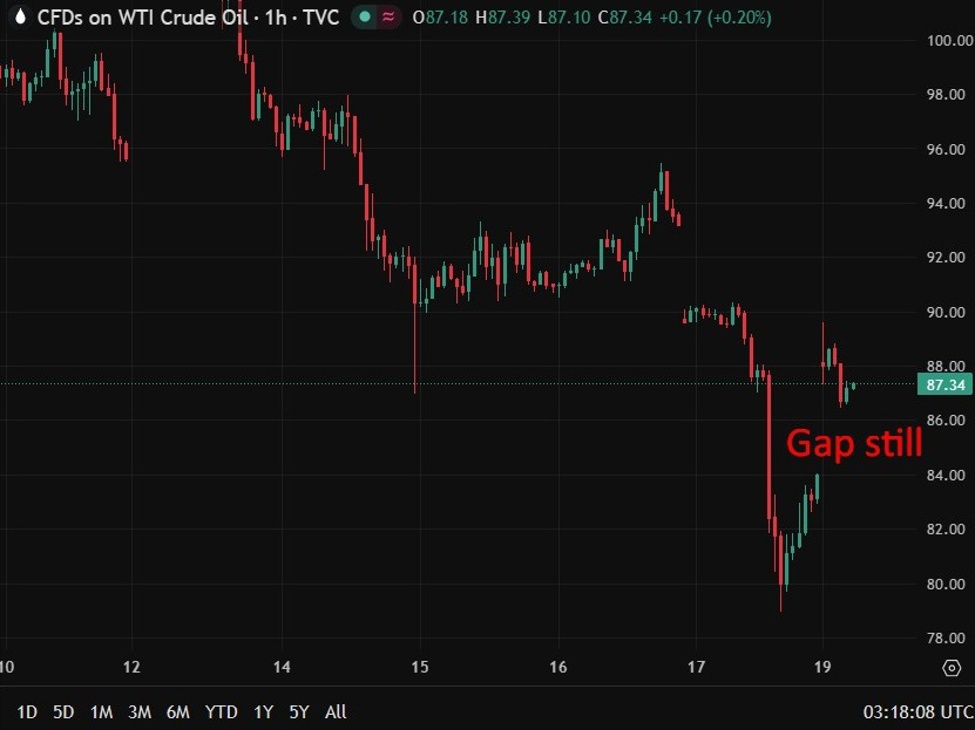
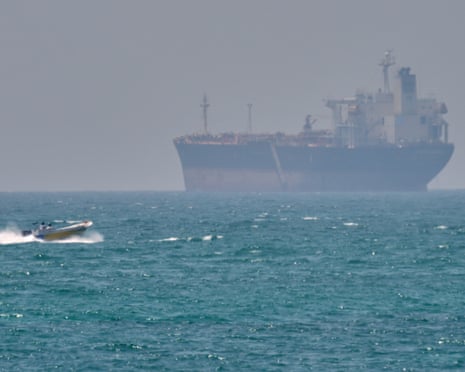
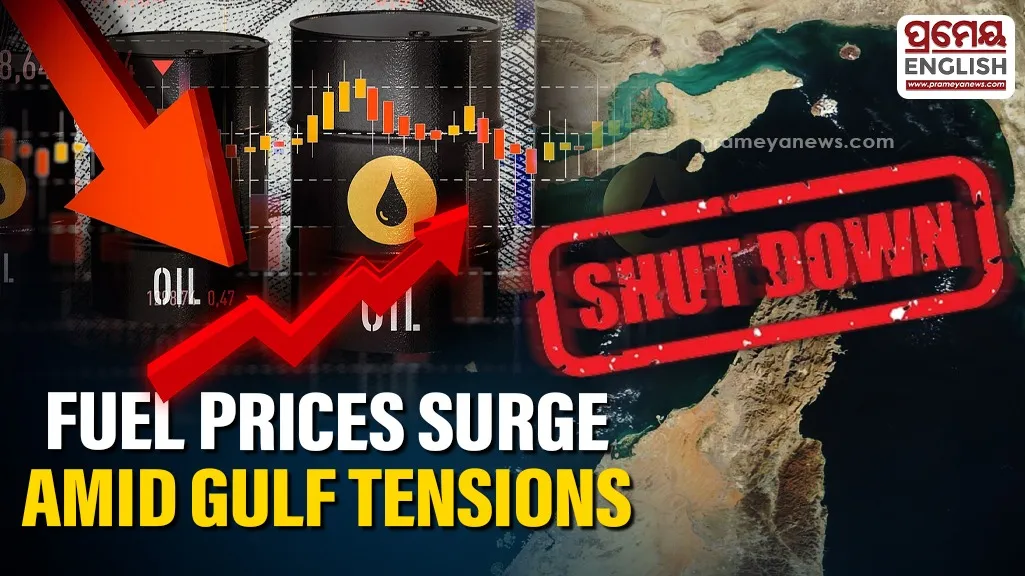
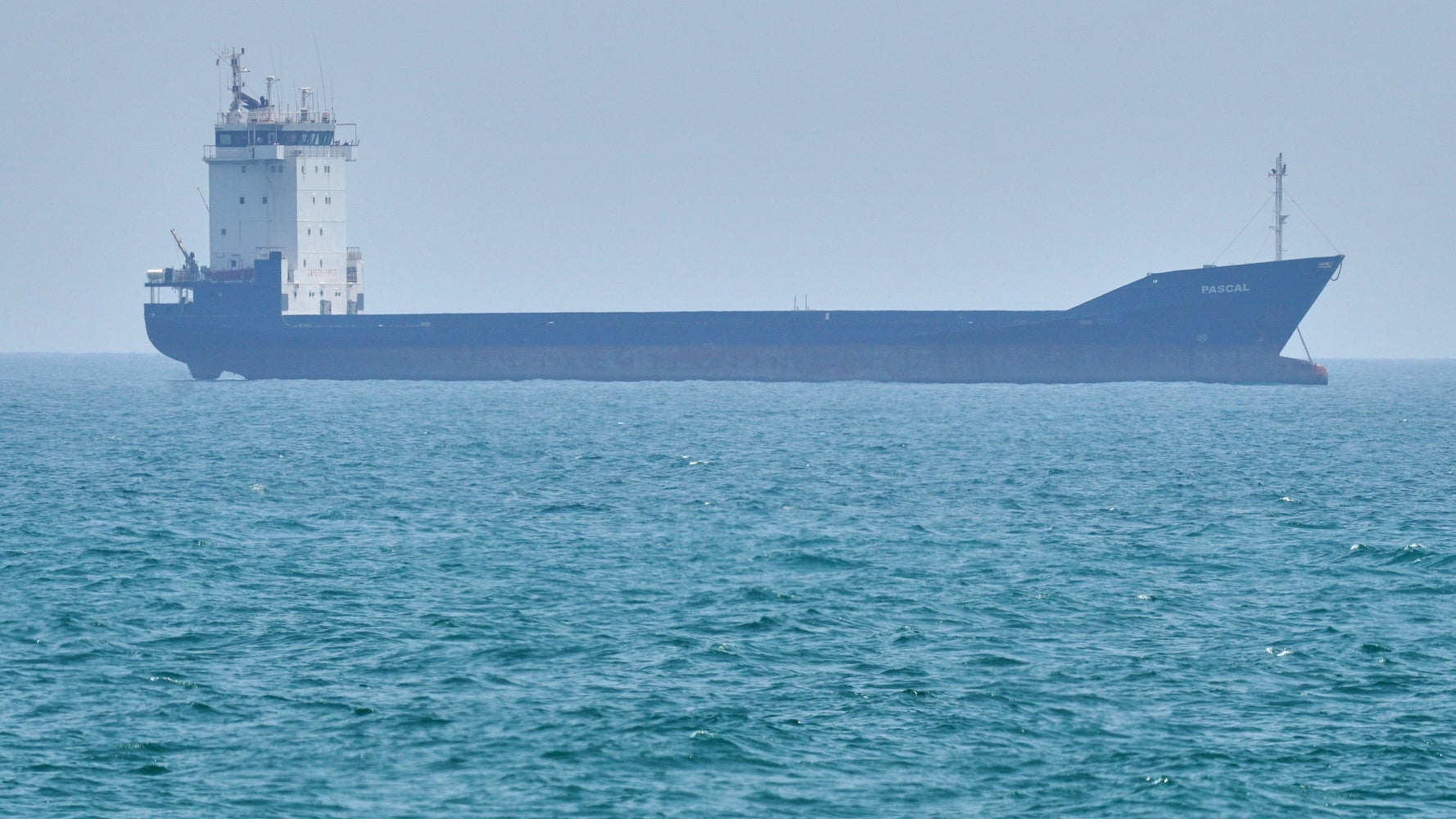
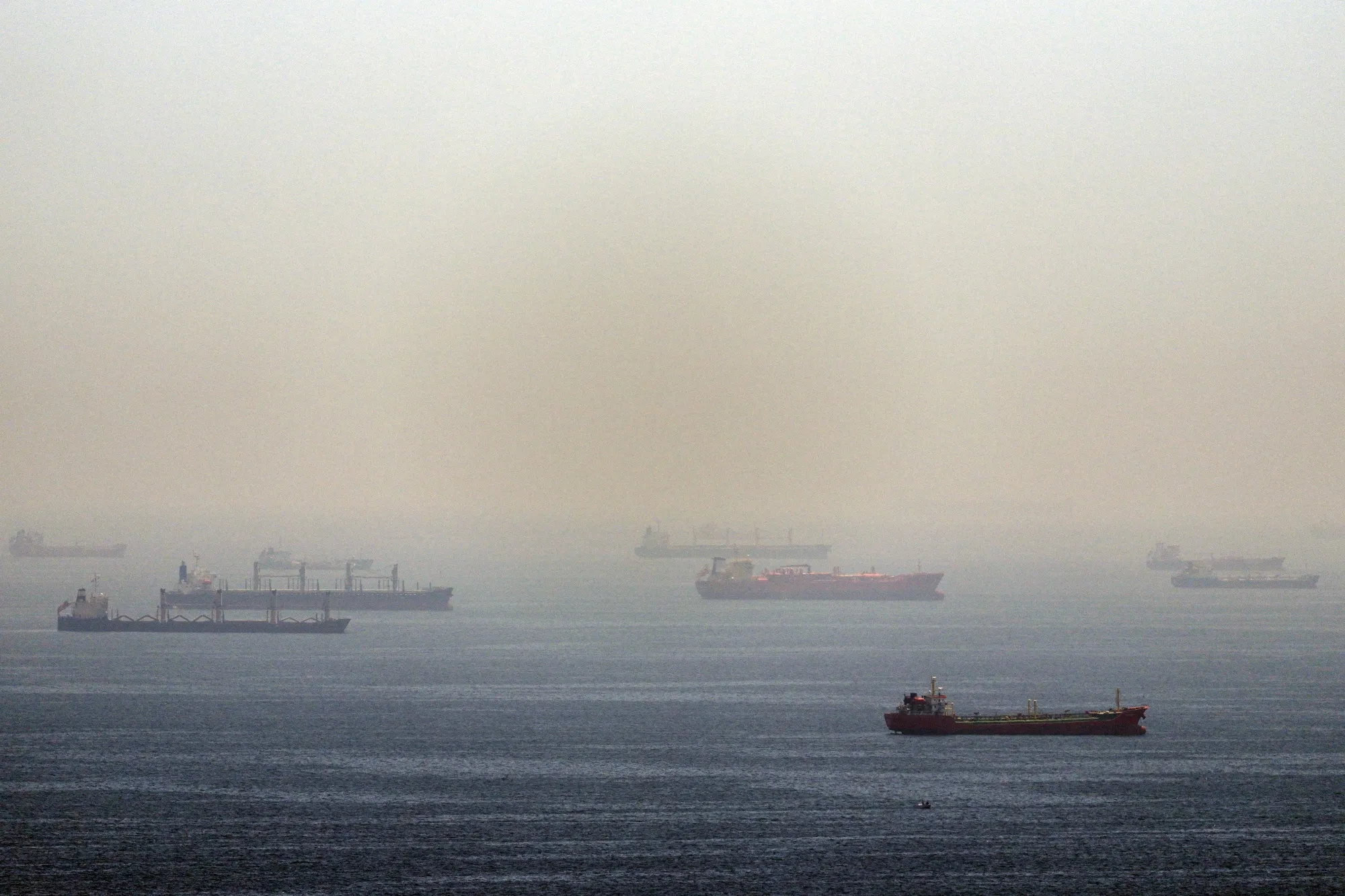
The escalation of U.S.-Iran tensions over the Strait of Hormuz represents a critical supply chain inflection point for cross-border e-commerce sellers. With Brent crude oil surging to $95 per barrel (up 5%) and WTI crude reaching $88 per barrel (up 4%) following the U.S. seizure of an Iranian cargo ship and renewed Strait restrictions, sellers face immediate pressure on fulfillment economics. The Strait of Hormuz handles approximately 21% of global petroleum trade, making any prolonged closure a direct threat to international shipping costs.
For Amazon FBA sellers shipping internationally, this translates to concrete cost increases. Air freight rates typically correlate with fuel surcharges at 0.5-1.5% per $5 barrel increase, meaning the current 5% oil jump could add $15-45 per shipment for standard 20-50 lb packages. Ocean freight, which dominates cross-border e-commerce, faces similar pressure through bunker fuel adjustments. Sellers with high-margin categories (electronics, apparel, home goods) can absorb 2-3% cost increases, but low-margin categories (books, basic supplies, bulk items) operating on 10-15% margins face margin compression of 1-2 percentage points. The fragile ceasefire expiring this week creates a 7-14 day window of maximum uncertainty before either stabilization or escalation.
Strategic sourcing decisions become time-sensitive. Sellers currently holding inventory in Asia-Pacific fulfillment centers face higher costs to reposition stock to U.S. or EU warehouses. Those with flexibility should prioritize FBA shipments to North America over Europe this week, as transatlantic routes through the Suez Canal (alternative to Hormuz) add 2-3 weeks transit time and higher fuel costs. Sellers relying on 3PL providers should immediately contact logistics partners to lock in freight rates before fuel surcharges adjust—most carriers implement rate changes within 5-10 business days of sustained oil price movements. The stock market decline (Dow futures down 200+ points) signals broader economic uncertainty, potentially reducing consumer spending on discretionary categories, creating a dual pressure scenario: higher costs plus softer demand.
Immediate mitigation requires category-specific strategies. High-velocity sellers in essential categories (health, beauty, household essentials) should accelerate inventory shipments to FBA before rate increases take effect. Sellers in seasonal categories should evaluate whether to front-load Q1 inventory or delay shipments to Q2 when geopolitical tensions may stabilize. Consider shifting 15-25% of inventory to regional 3PL providers closer to end markets to reduce long-haul shipping distances. Monitor freight rate indices (Freightos Baltic Index, Xeneta) daily—if rates spike 10%+ within 48 hours, implement emergency pricing increases on high-margin SKUs to protect contribution margins.
Questions 8
How much will my shipping costs increase from the oil price surge?
Based on current Brent crude at $95/barrel (up 5%), expect freight rate increases of 8-15% within 2-4 weeks. Air freight surcharges typically add $15-45 per 20-50 lb package, while ocean freight bunker fuel adjustments add 2-4% to base rates. For a seller shipping 500 units monthly via FBA, this translates to $750-2,250 in additional monthly costs. Lock in rates with your 3PL provider immediately, as most carriers implement fuel surcharge adjustments within 5-10 business days of sustained oil price movements.
Which product categories are most vulnerable to margin compression?
Low-margin categories operating on 10-15% gross margins face the highest risk: books, bulk supplies, basic household items, and commodity electronics. A 2-3% shipping cost increase directly compresses margins by 1-2 percentage points, making these categories unprofitable. High-margin categories (specialty electronics, premium apparel, collectibles) with 30-50% margins can absorb cost increases more easily. Sellers should prioritize FBA shipments for high-margin SKUs and consider pausing or repricing low-margin inventory until freight rates stabilize.