


Satellite Broadband Infrastructure Delays Impact Global E-Commerce Logistics Networks Through 2026
- AST SpaceMobile delays 45-satellite constellation deployment; Blue Origin FAA grounding extends launch delays affecting rural e-commerce connectivity and last-mile delivery capabilities for 5B+ underserved subscribers

























Overview
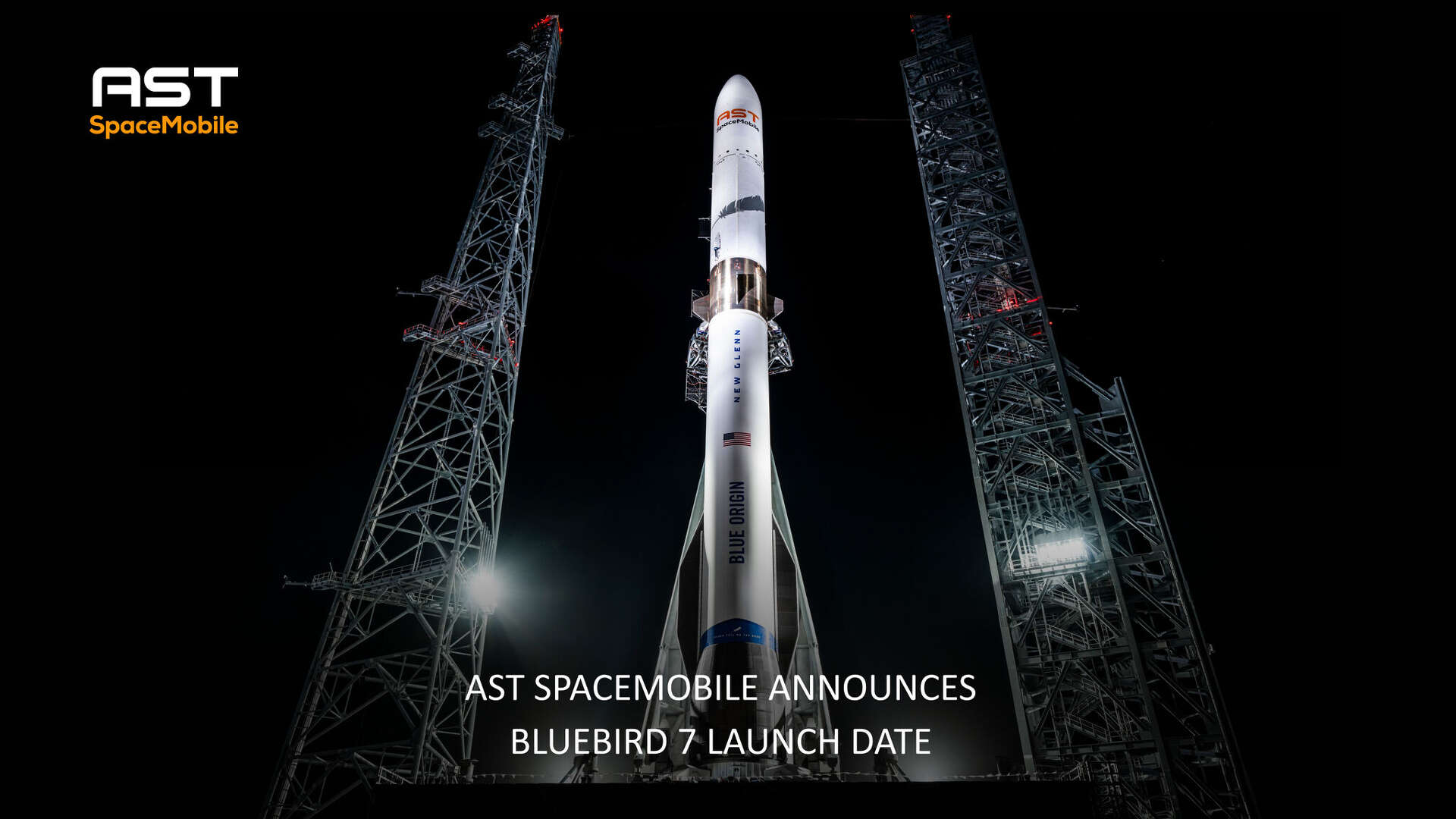
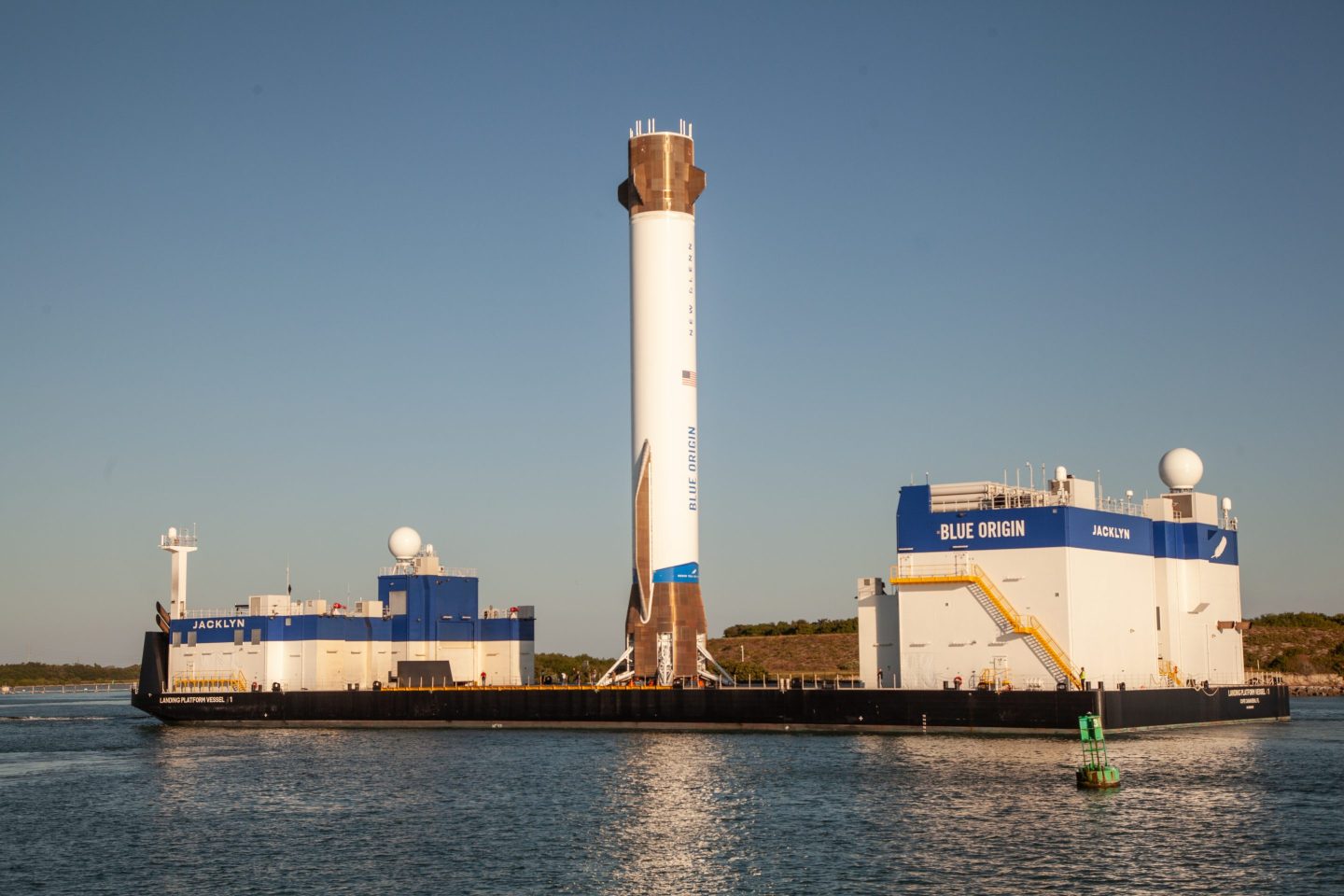
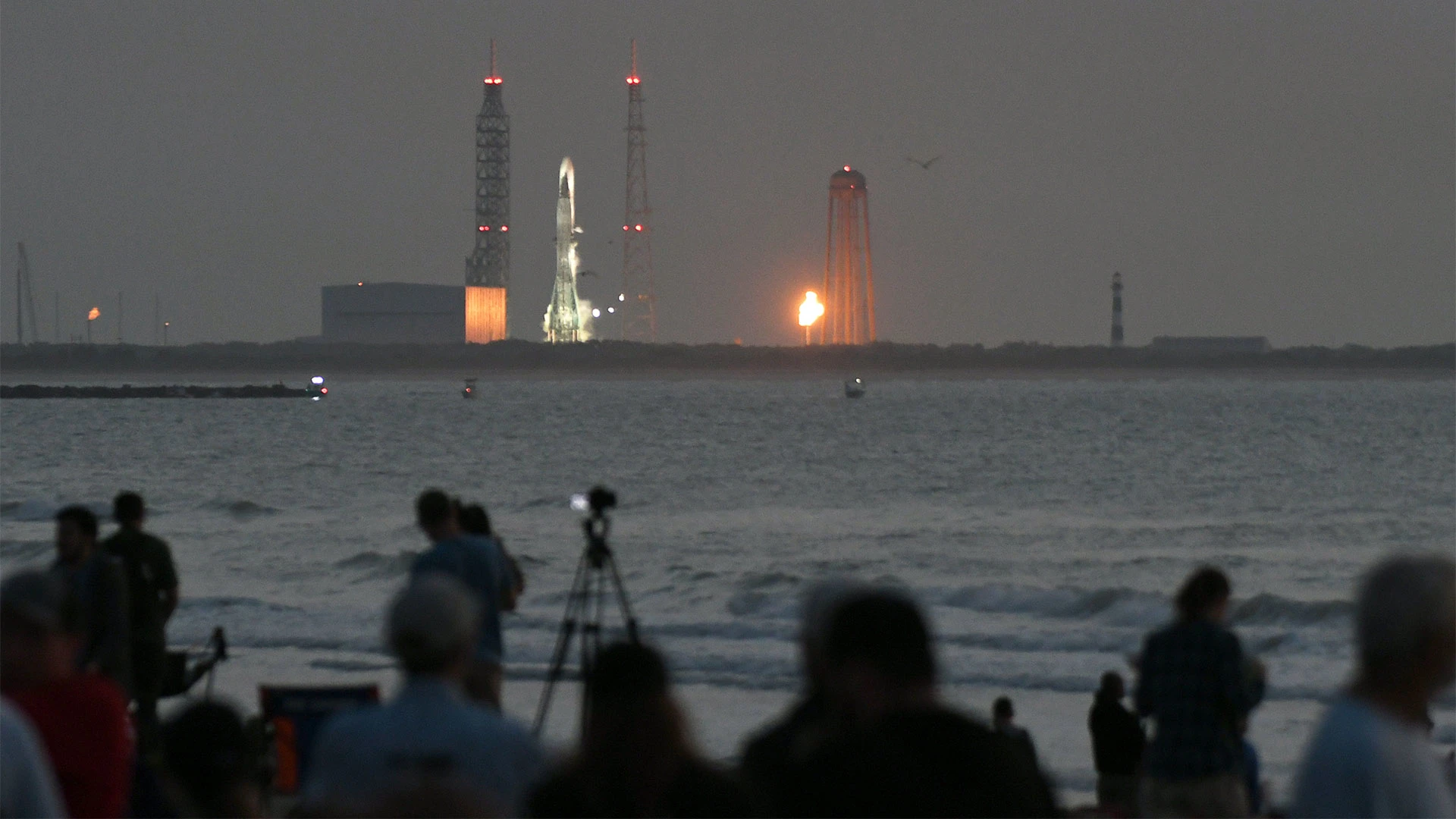
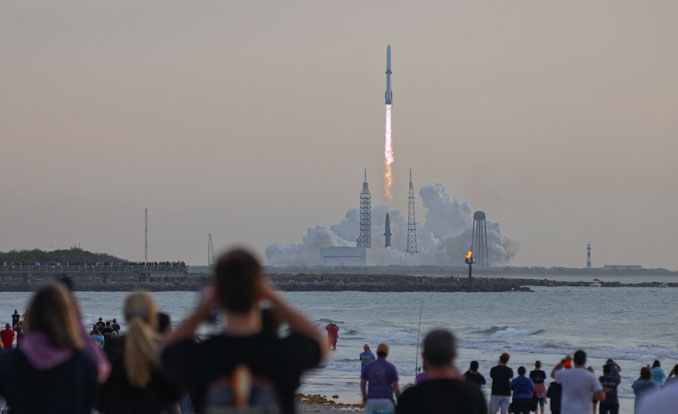
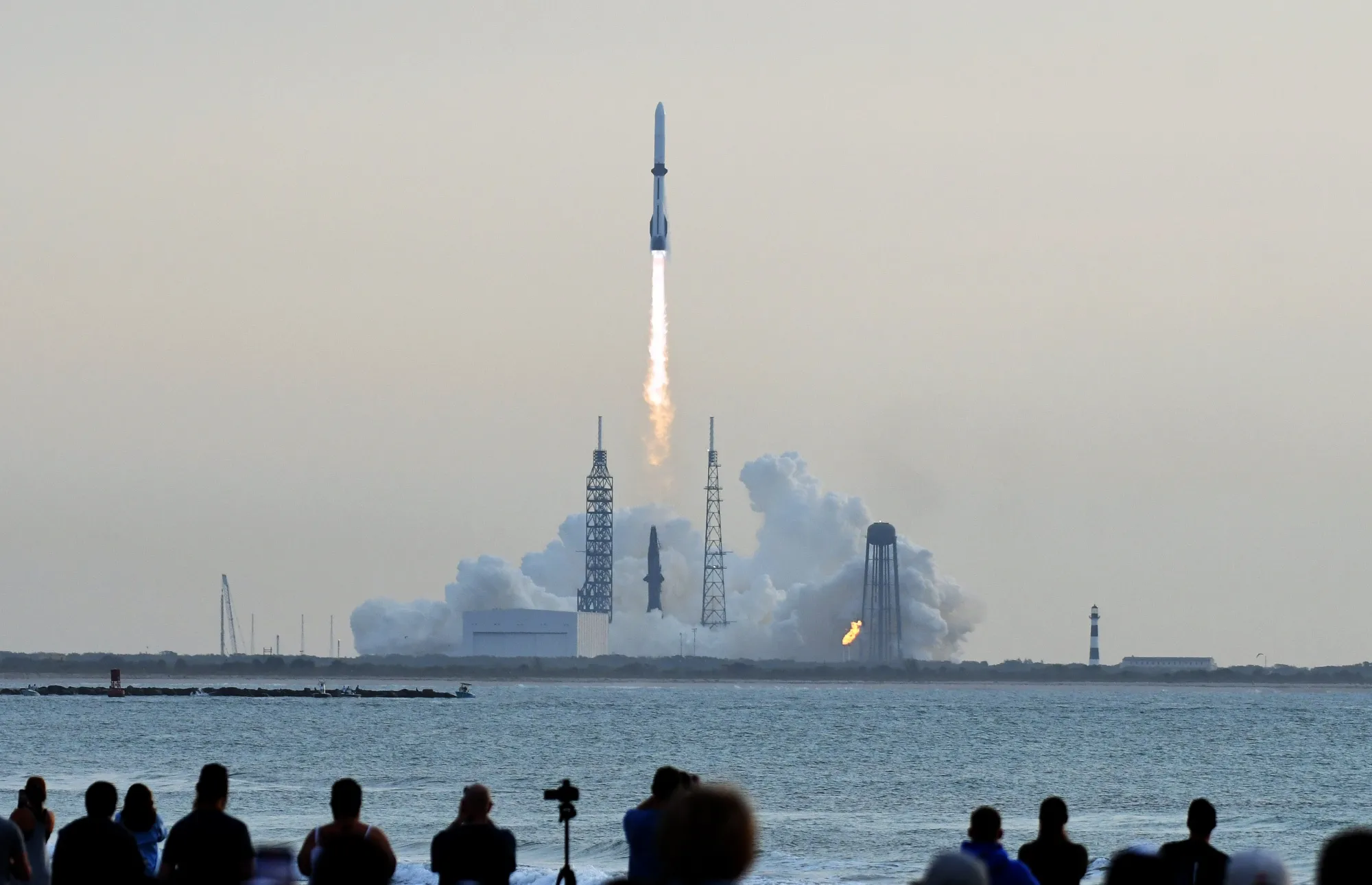
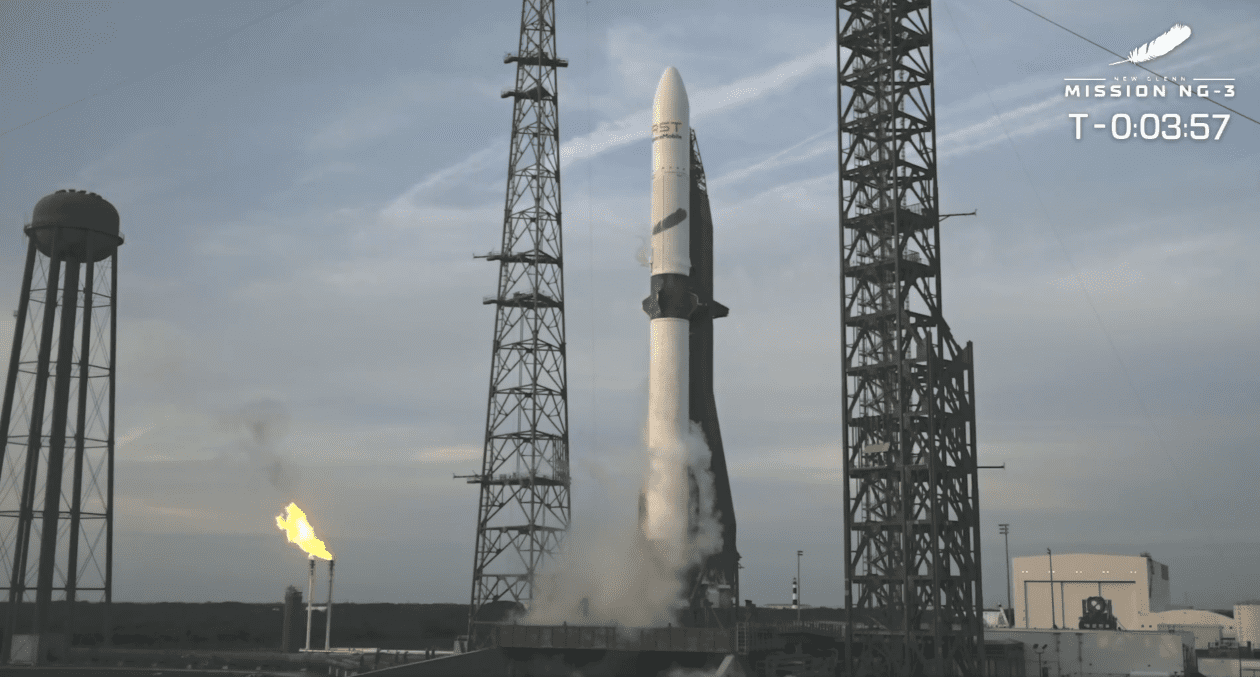
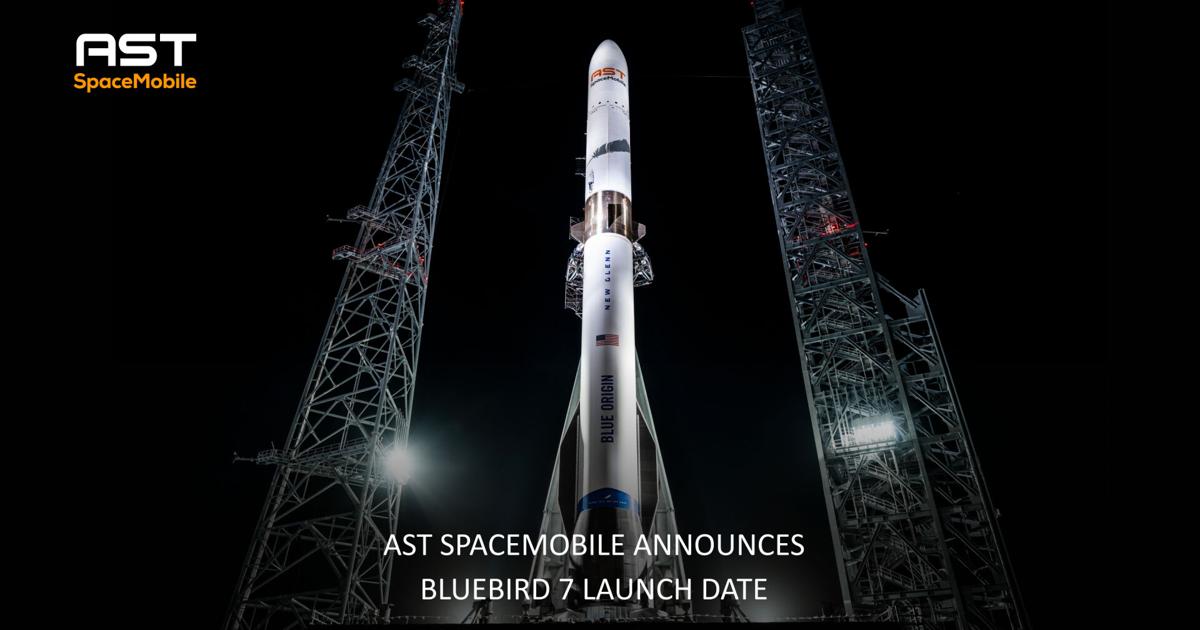
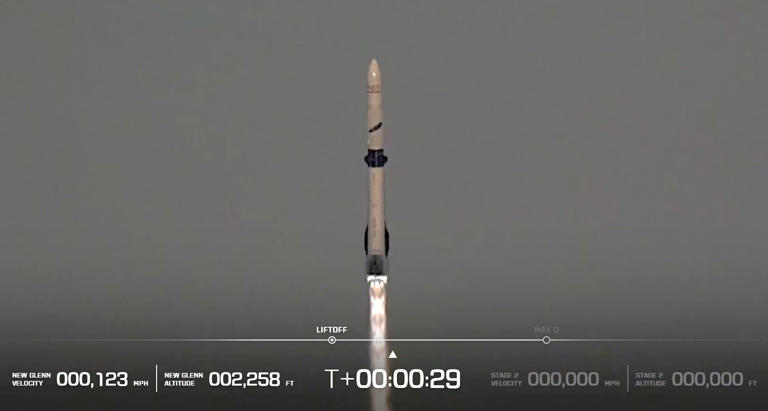
The April 2026 Blue Origin New Glenn mishap and subsequent FAA grounding represents a critical inflection point for satellite-based broadband infrastructure that directly impacts e-commerce logistics networks serving underconnected regions. AST SpaceMobile's BlueBird 7 satellite failure—placed in insufficient orbit during the New Glenn 3 mission on April 19, 2026—delays the company's target of 45 operational satellites by end-2026, pushing back connectivity to an estimated 5 billion mobile subscribers globally who currently lack reliable broadband access. This delay cascades through e-commerce supply chains in three critical ways: (1) Last-mile delivery logistics in rural and emerging markets depend on real-time tracking and communication infrastructure that satellite broadband enables; (2) Cross-border sellers targeting underserved regions face extended timelines for reliable fulfillment networks; (3) Platform expansion into tier-2 and tier-3 cities in Asia, Africa, and Latin America becomes operationally constrained without satellite connectivity.
Blue Origin's FAA grounding following the mishap classification on April 20, 2026, compounds delays. The upper stage's second-burn failure to achieve target orbit forced comprehensive mishap investigation before return-to-flight authorization, extending New Glenn's launch cadence beyond the planned 1-2 month intervals. AST SpaceMobile maintains production momentum through BlueBird 32 with BlueBird 8-10 shipping within 30 days, but launch provider delays now create a bottleneck. The company's diversified launch agreements (multiple providers) provide resilience, yet regulatory oversight demonstrates that commercial space operations face unpredictable timelines—critical context for sellers planning logistics infrastructure investments. Insurance coverage mitigates AST SpaceMobile's direct financial loss, but the operational delay affects downstream e-commerce ecosystems.
For cross-border sellers, this infrastructure delay has measurable implications: Rural e-commerce markets in Sub-Saharan Africa, Southeast Asia, and Latin America—representing 2.1B+ potential consumers—face extended timelines for reliable last-mile delivery networks. Sellers currently investing in 3PL expansion to these regions should expect 6-12 month delays in satellite-enabled tracking and communication capabilities. The delay also affects Amazon, Shopify, and eBay's expansion strategies in underconnected markets, where satellite broadband was positioned as the enabling technology for logistics networks. Regulatory delays in space infrastructure mirror broader supply chain unpredictability that sellers must factor into market entry timelines and capital allocation decisions.
Questions 8
How does the Blue Origin New Glenn grounding affect e-commerce sellers targeting emerging markets?
The FAA grounding delays AST SpaceMobile's satellite constellation deployment by 6-12 months, extending timelines for reliable broadband infrastructure in rural Africa, Southeast Asia, and Latin America. Sellers planning 3PL expansion to these regions should expect delays in real-time tracking and communication capabilities that satellite broadband enables. The mishap on April 19, 2026, followed by FAA classification on April 20, 2026, triggers comprehensive investigation before New Glenn resumes operations. Sellers should revise market entry timelines and consider alternative logistics partnerships while satellite infrastructure stabilizes.
What is the financial impact of AST SpaceMobile's BlueBird 7 satellite loss on cross-border logistics?
AST SpaceMobile's BlueBird 7 loss represents one satellite from the planned 45-constellation by end-2026, delaying connectivity to 5 billion underserved subscribers. Insurance coverage mitigates AST SpaceMobile's direct loss, but the operational delay cascades through e-commerce supply chains. Sellers investing in emerging market logistics infrastructure face 6-12 month delays in satellite-enabled tracking systems. The delay particularly impacts sellers targeting tier-2 and tier-3 cities in Asia, Africa, and Latin America where satellite broadband was positioned as the enabling technology for last-mile delivery networks.