





China Brokerage Consolidation Reshapes Financial Services | Cross-Border Seller Financing Impact
- 583 billion yuan ($85B) merger signals stronger capital access for Chinese e-commerce exporters; regulatory push toward mega-brokerages affects seller financing, IPO pathways, and supply chain financing options




Overview
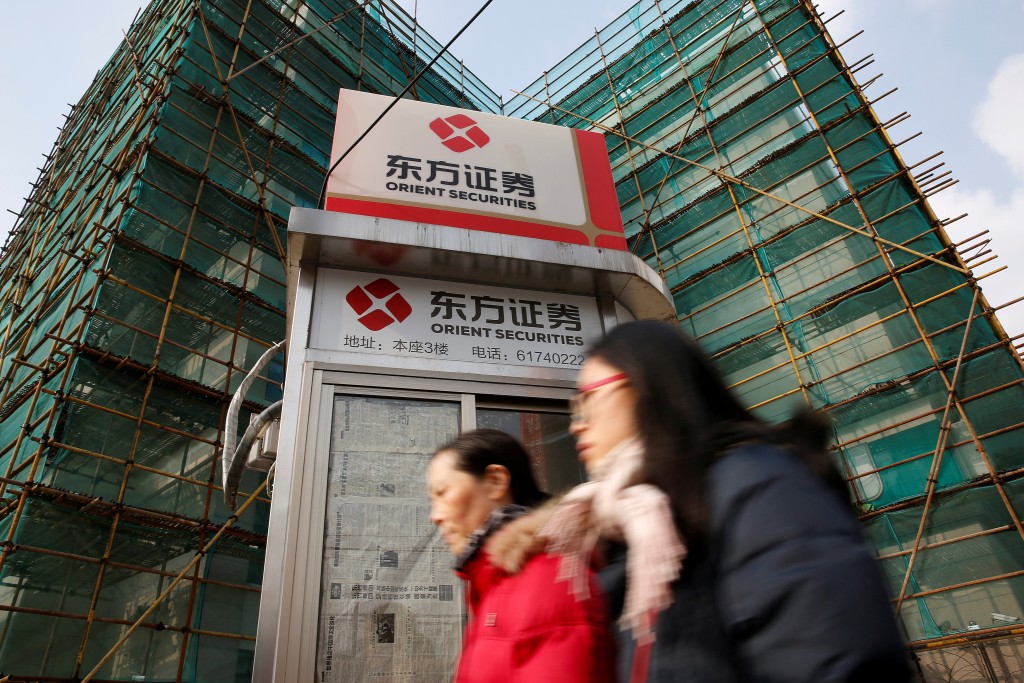
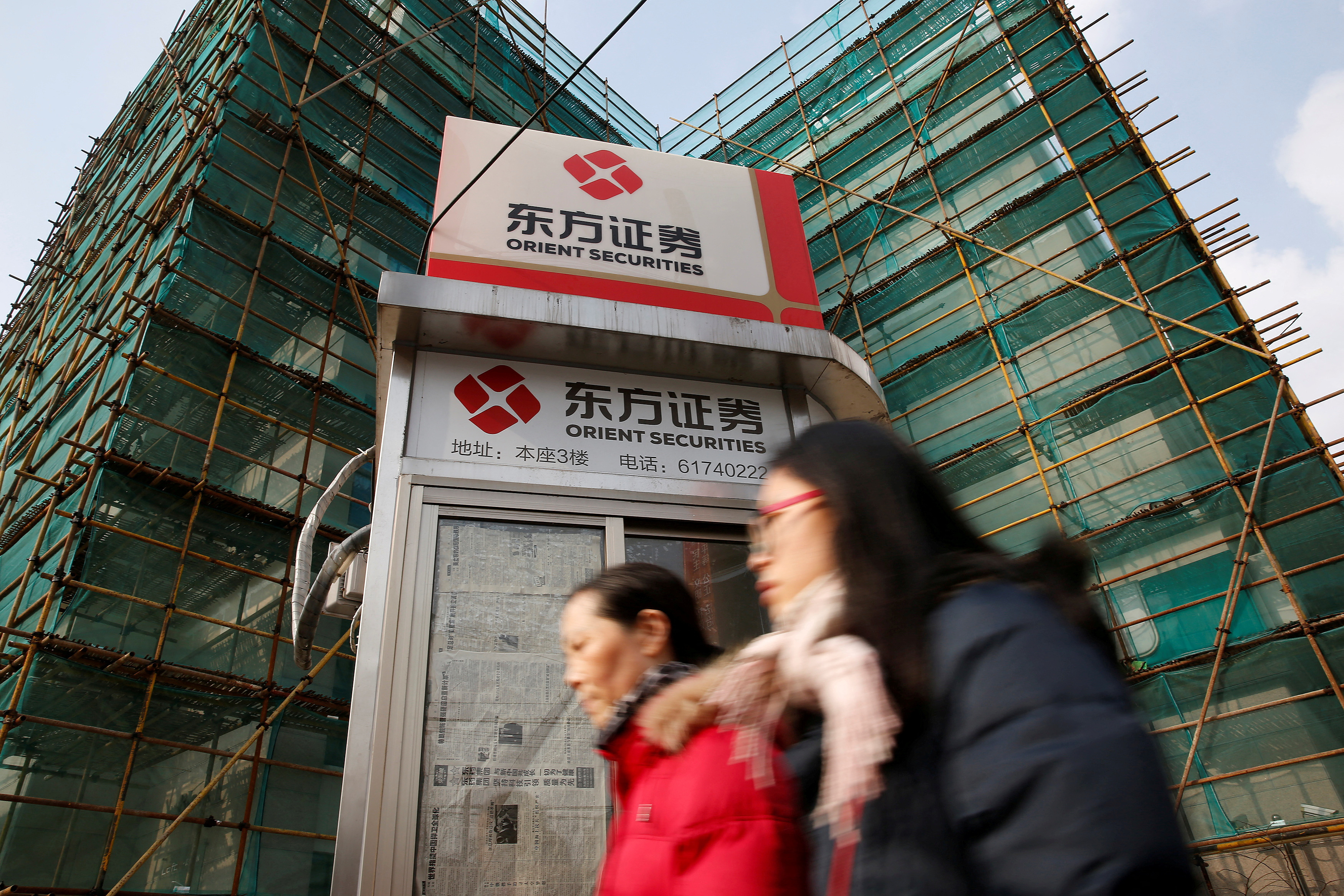
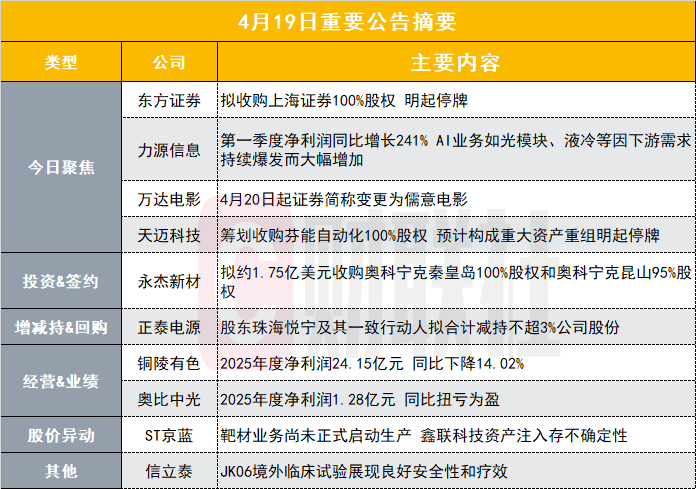
China's brokerage sector is undergoing accelerated consolidation that directly impacts cross-border e-commerce sellers' access to capital and financing solutions. The proposed merger between Orient Securities and Shanghai Securities—creating a combined entity with 583 billion yuan ($85 billion) in assets—represents a pivotal shift in how Chinese exporters can access growth capital. This consolidation reflects Beijing's strategic mandate to cultivate world-class investment banks capable of competing globally, as directed by the China Securities Regulatory Commission (CSRC).
For e-commerce sellers, this consolidation creates both opportunities and risks in capital access. The merged entity will rank 10th among Chinese brokerages by revenue and total assets, strengthening its position across Shanghai, Jiangsu, and Zhejiang—regions that account for approximately 40% of China's cross-border e-commerce exports. Larger, better-capitalized brokerages typically offer enhanced services including supply chain financing, inventory-backed lending, and IPO advisory services that smaller sellers depend on. Orient Securities reported 68% year-on-year net income growth in 2025, indicating strong profitability that could translate into expanded lending capacity for SME exporters. The consolidation trend is expected to accelerate, with China's 146 brokerages managing 14.8 trillion yuan in assets as of year-end 2024—a market where mid-tier players face pressure to merge or lose competitive positioning.
However, consolidation creates execution risks that sellers must monitor. The trading halt on Orient Securities (600958.SH) for up to 10 trading days pending regulatory approval signals potential operational disruptions during integration. Sellers with existing relationships at Shanghai Securities may experience service delays or account transfers during the 6-12 month integration period. Additionally, regulatory reforms allowing pre-profit tech startups to list on Shenzhen's ChiNext board indicate Beijing is diversifying capital sources beyond traditional brokerages—potentially fragmenting the financing landscape for traditional exporters. The initial market enthusiasm (13.5% opening gap for DFZQ) followed by profit-taking suggests investor caution about execution risks, which could translate into tighter lending standards during the transition period.
Strategic implications for sellers include diversifying financing sources and monitoring regulatory developments. Sellers currently reliant on Shanghai Securities for trade financing or inventory loans should proactively establish relationships with larger consolidated entities or alternative fintech platforms. The consolidation pattern—with recent mergers including the 103 billion yuan combination of Guotai Junan Securities and Haitong Securities—indicates that mid-tier brokerages will continue disappearing, making early relationship diversification critical. Sellers should also monitor the ChiNext regulatory reforms, as tech-enabled financing platforms may offer more flexible terms than traditional brokerages during the consolidation transition.
Questions 7
What is the timeline for the merger completion and when should I take action?
The merger is pending regulatory approval with a 10-day trading halt announced on April 20, 2026, suggesting approval decision within 2-4 weeks. Full integration typically takes 6-12 months post-approval. Sellers should take immediate action (within 30 days) to: (1) audit existing financing relationships and identify backup providers, (2) document current loan terms and renewal dates, (3) establish relationships with alternative brokerages or fintech platforms. By month 3-4 post-approval, integration disruptions should stabilize, allowing sellers to renegotiate terms with the consolidated entity from a position of strength.
Should I shift my financing strategy toward ChiNext-listed fintech platforms instead of traditional brokerages?
The CSRC's regulatory reform allowing pre-profit tech startups to list on ChiNext indicates Beijing is diversifying capital sources beyond traditional brokerages. This creates opportunities for sellers to access innovative financing products (AI-powered inventory optimization, real-time supply chain financing) from tech platforms. However, traditional brokerages still offer more established track records and regulatory oversight. The optimal strategy is hybrid: maintain relationships with consolidated brokerages for core trade financing while piloting fintech solutions for inventory management and working capital optimization. This diversification reduces dependency on any single financing source during consolidation transitions.