

Tesla's $20B AI Pivot Signals Robotics Boom | E-Commerce Fulfillment Transformation 2026
- Tesla discontinues Model S/X production, redirects Fremont factory to Optimus robot manufacturing; $1.45B Q1 2026 cash burn signals aggressive capex for 1-terawatt AI compute facility and 100GW solar expansion, creating downstream opportunities in warehouse automation, logistics tech, and robotics-as-a-service for cross-border sellers






/EV%20charging%203%20by%20Sarawuth702%20via%20iStock.jpg)











Overview
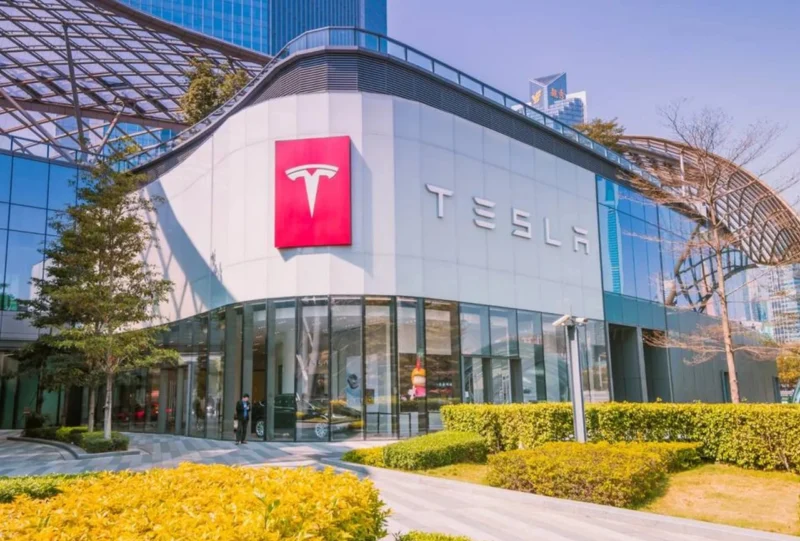
Tesla's strategic transformation from traditional automaker to AI-focused autonomous vehicle and robotics company represents a critical inflection point for e-commerce logistics infrastructure. The company's Q1 2026 earnings reveal a paradoxical financial picture: while automotive revenue grows 12-22% year-over-year to $15.678 billion, Tesla is burning $1.45 billion in cash quarterly due to $20 billion annual capex guidance—with additional semiconductor and solar factory construction costs not yet included. Most significantly, Tesla is discontinuing Model S and Model X production at its Fremont, California facility, repurposing manufacturing lines to produce Optimus humanoid robots, signaling a fundamental shift in corporate strategy.
The Robotics Opportunity for E-Commerce Sellers: Tesla's Optimus pivot directly impacts the $47 billion global warehouse automation market, projected to grow 15% annually through 2030. As Tesla invests in humanoid robot development and deployment, competing automation vendors (ABB, KUKA, Boston Dynamics) will accelerate product launches and price competition. For cross-border sellers, this creates a 12-18 month window to evaluate warehouse automation investments before prices stabilize. Sellers managing 500+ daily shipments should assess robotic picking systems, which reduce fulfillment errors by 30-40% and labor costs by 25-35%. Amazon, Shopify, and eBay sellers with 3PL partnerships will see automation capabilities expand significantly as logistics providers adopt Tesla's Optimus or competing humanoid systems.
Infrastructure Investment Cascade: Tesla's Terafab project—targeting 1 terawatt of AI compute capacity (50x current global capacity)—signals massive demand for semiconductor manufacturing and power infrastructure. This $2-5 trillion investment (if fully developed) will drive semiconductor prices down 15-25% over 2026-2027, directly benefiting sellers using AI-powered inventory management, demand forecasting, and dynamic pricing tools. The 100-gigawatt solar expansion indicates Tesla's commitment to reducing operational costs through renewable energy, a trend that will pressure traditional 3PL providers to invest in sustainable logistics infrastructure. Sellers should monitor announcements from major 3PL providers (XPO Logistics, J.B. Hunt, Saia) regarding automation and renewable energy investments—these will determine fulfillment cost trajectories for 2026-2027.
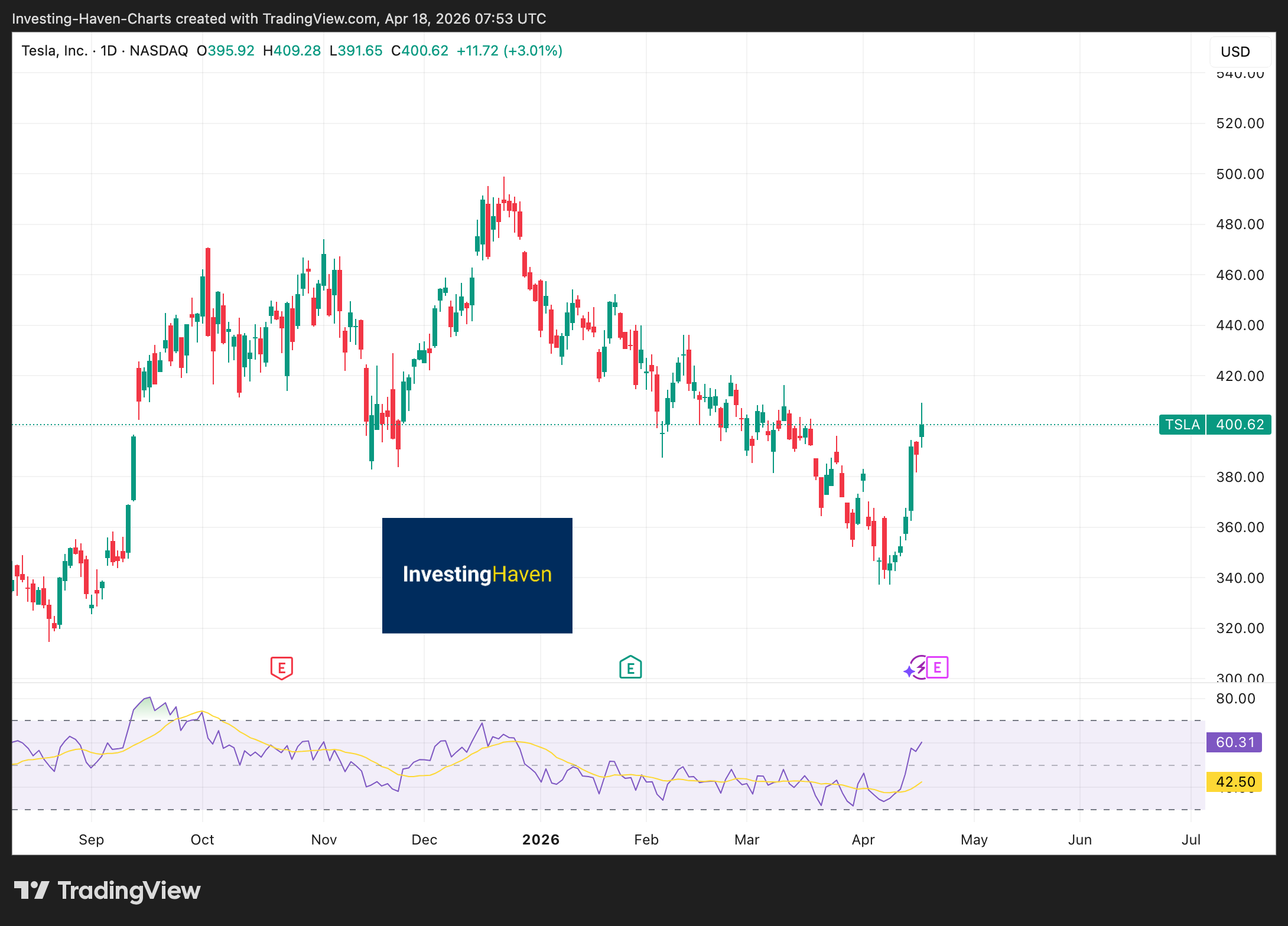
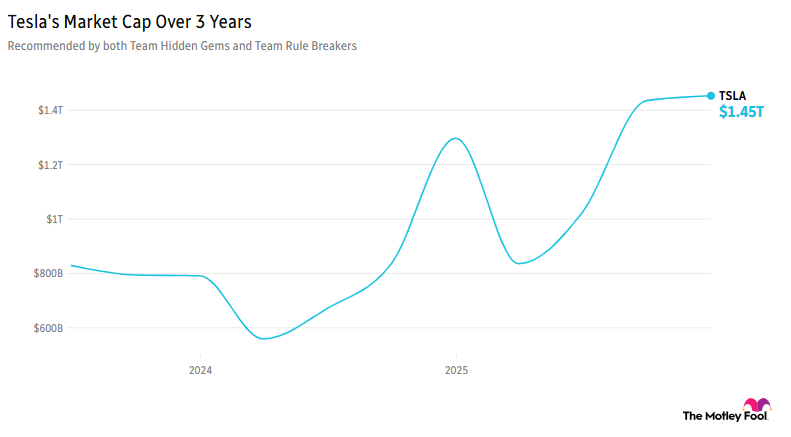
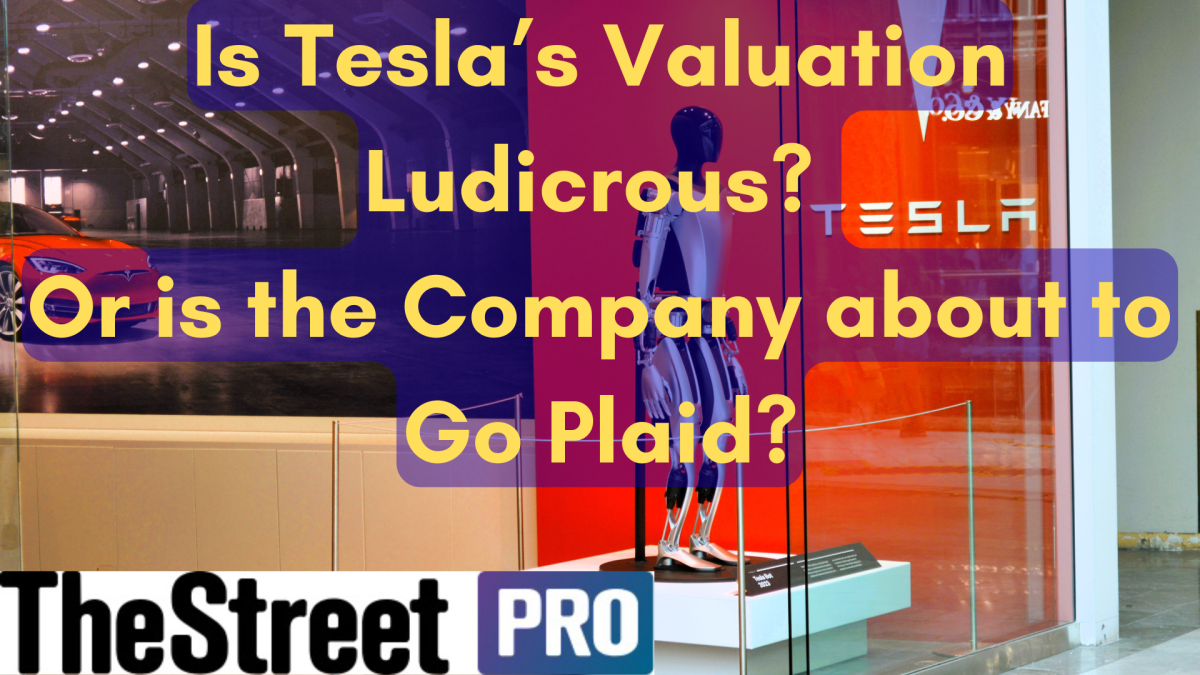
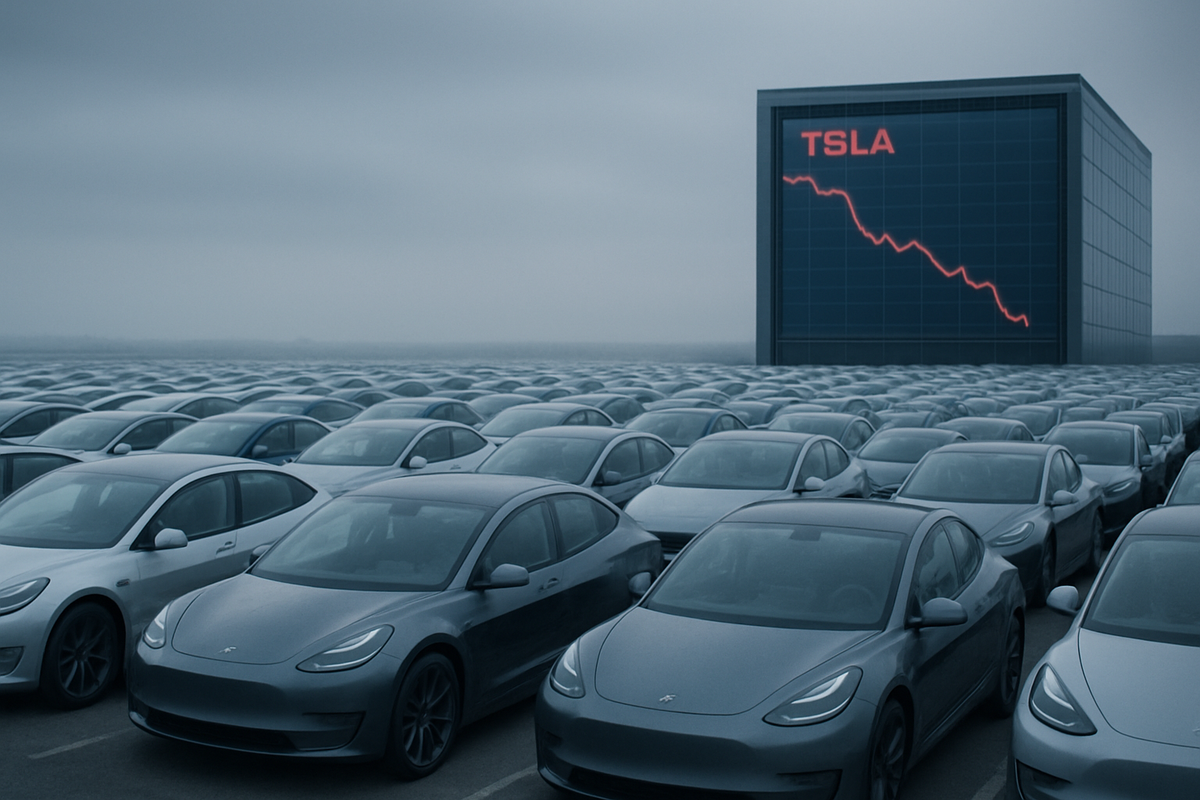
Valuation Disconnect & Market Risk: Barclays analyst Dan Levy's assessment that Tesla stock is "detached from fundamentals" reflects investor uncertainty about execution risks. The company's ability to deliver on Terafab and Optimus timelines will determine whether capex remains at $20 billion or escalates further. For sellers, this creates a risk scenario: if Tesla faces execution delays or cost overruns, capital-intensive automation investments across the logistics industry could stall, delaying fulfillment efficiency gains. Conversely, successful execution would accelerate automation adoption, benefiting sellers who invest early in warehouse technology partnerships.
Questions 8
How will Tesla's 100-gigawatt solar expansion impact 3PL logistics costs?
Tesla's aggressive renewable energy investment signals a strategic shift toward zero-carbon logistics operations. Major 3PL providers (XPO Logistics, J.B. Hunt, Saia) will face pressure to invest in solar and wind power to remain competitive. This creates a 24-36 month transition period where fulfillment costs may increase 5-8% as 3PLs invest in renewable infrastructure, then decline 10-15% as operational costs drop. Sellers should: (1) lock in 2-year 3PL contracts now before rate increases; (2) negotiate sustainability clauses that pass through cost savings after 2027; (3) monitor announcements from major 3PLs regarding renewable energy investments. Sellers shipping to California, Texas, and Arizona will see the fastest cost reductions, as these regions have highest solar deployment potential.
Should sellers invest in warehouse automation now or wait for Tesla Optimus deployment?
Tesla's Optimus is 18-24 months away from commercial deployment at scale, while competing humanoid robots (Boston Dynamics Handle, ABB GoFa) are available now. Sellers should pursue automation investments immediately through established 3PL partnerships rather than waiting for Tesla. The 12-18 month window before Optimus reaches market allows sellers to: (1) implement proven automation systems from ABB, KUKA, or Fanuc; (2) train staff on robotic systems; (3) optimize warehouse layouts for automation. Waiting risks losing competitive advantage as early adopters reduce fulfillment costs by 25-35%. However, avoid long-term contracts (5+ years) with automation vendors—lock in 2-3 year terms to allow technology upgrades as Optimus and competing systems mature.