



UK Government Transparency Crisis | Political Instability Signals Market Uncertainty for British Sellers
- Prime Minister faces resignation pressure amid security vetting scandal; government credibility crisis may impact UK business confidence and cross-border trade relationships with US









Overview
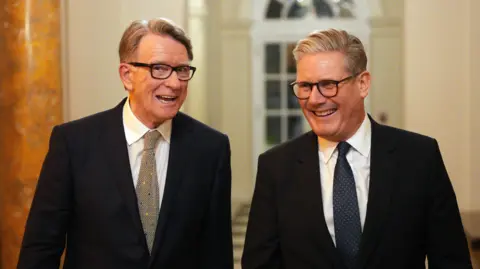
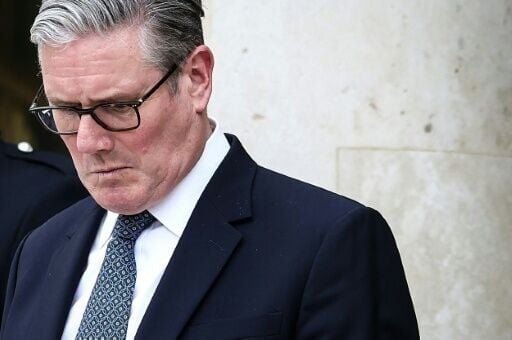
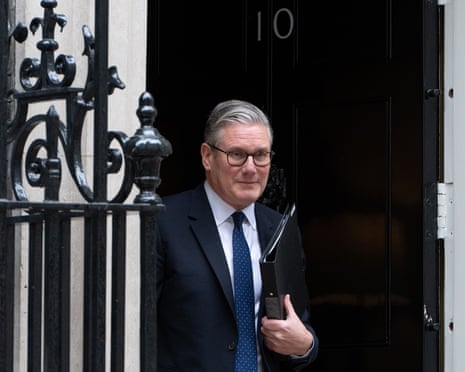
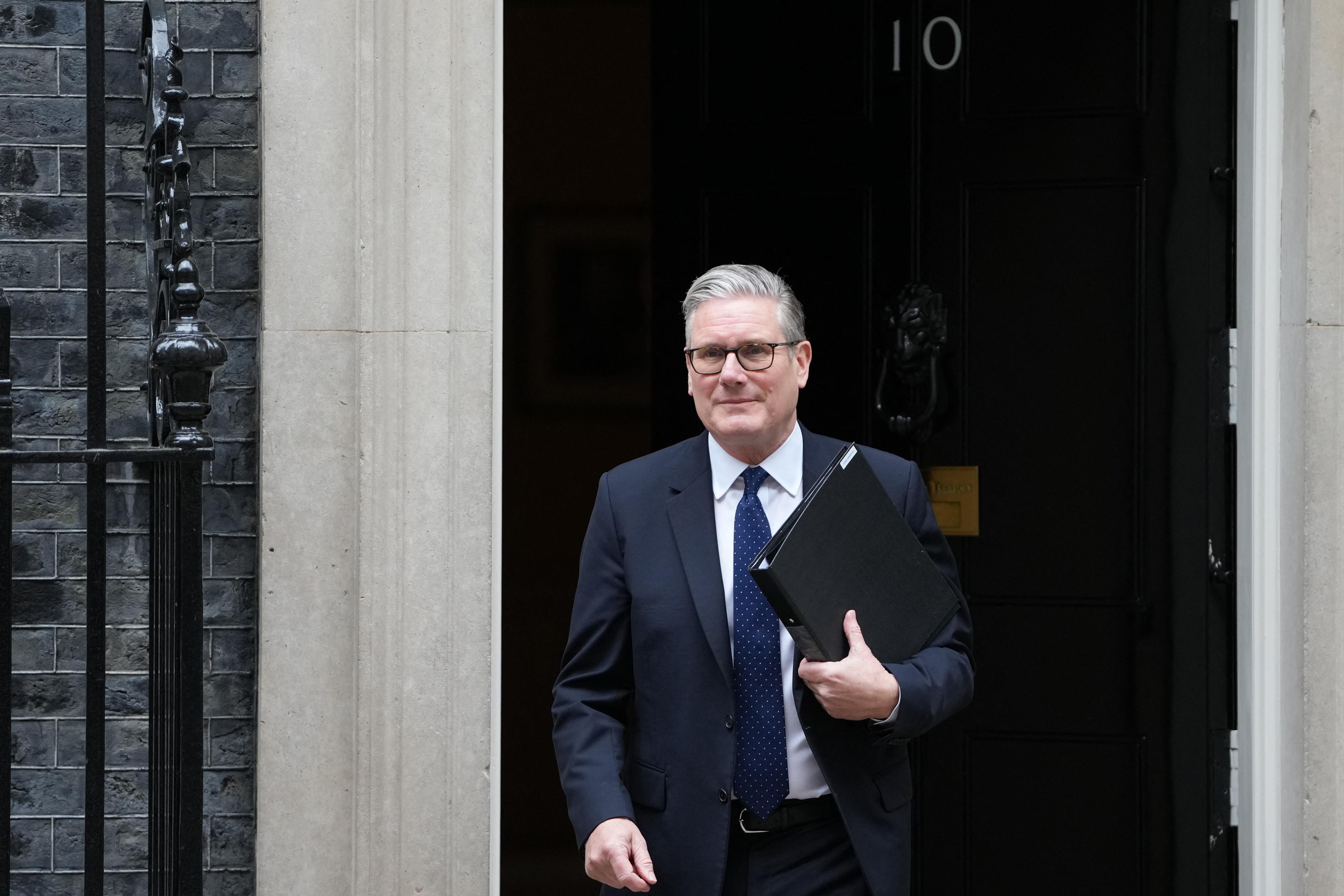
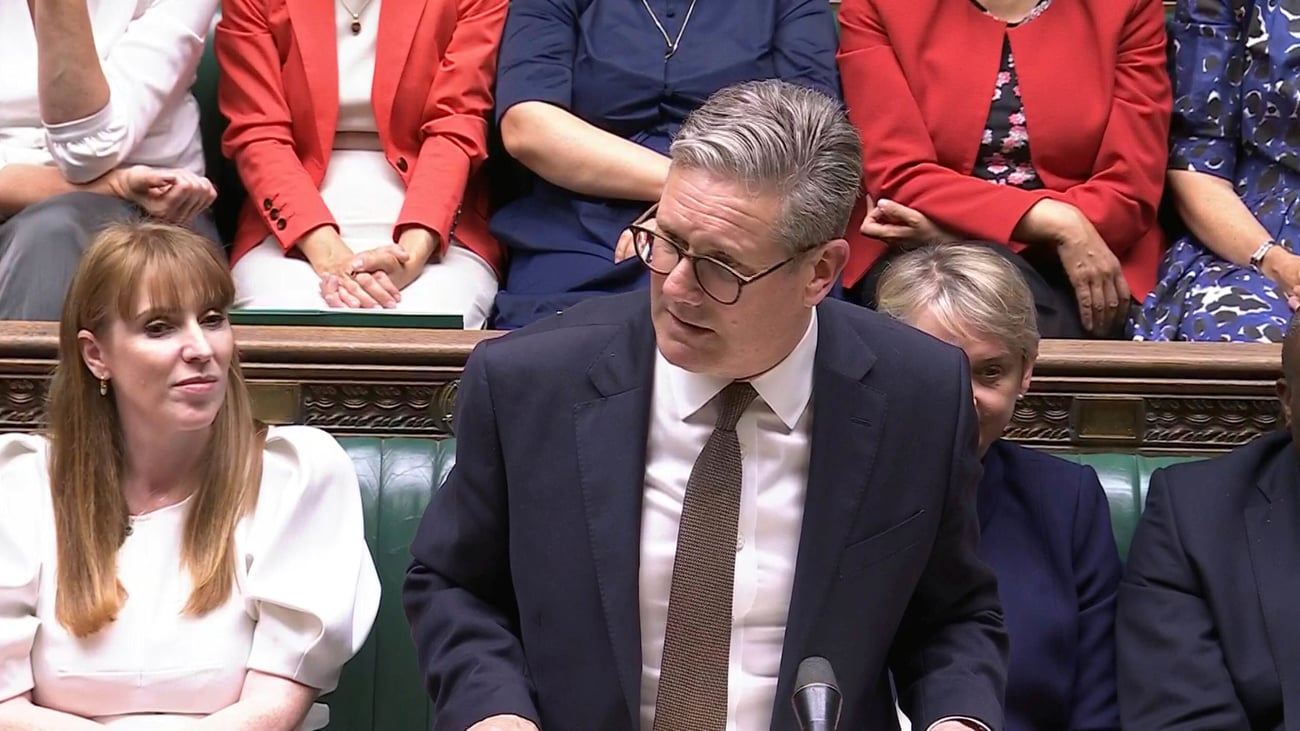
The UK political system faces a significant credibility crisis following Prime Minister Keir Starmer's appointment of Peter Mandelson as US ambassador, which has cascading implications for business confidence and regulatory stability. According to reporting from The Guardian and BBC (January-September 2025), Mandelson failed developed vetting—the highest security clearance level—on January 28, 2025, yet Foreign Office officials overruled this recommendation and granted clearance without informing the Prime Minister. The scandal intensified when US Congressional documents revealed Mandelson's undisclosed ties to convicted sex offender Jeffrey Epstein, leading to his dismissal after seven months. Starmer's admission that he was deliberately kept in the dark by civil servants has triggered calls for his resignation from Opposition leader Kemi Badenoch and created a governance accountability crisis.
For cross-border sellers, this political instability carries indirect but meaningful consequences. Government credibility erosion typically precedes regulatory uncertainty—when ministerial accountability breaks down, enforcement of trade policies, customs procedures, and compliance standards becomes unpredictable. The scandal demonstrates systemic failures in information flow between civil service and political leadership, raising questions about whether UK trade negotiations, export regulations, and customs documentation standards will remain consistent. Sellers relying on UK-US trade relationships face potential disruption if political instability weakens negotiating positions or delays trade agreement implementations. The timing is critical: this crisis emerges weeks before local elections where Labour faces significant losses, potentially signaling broader political realignment that could affect business-friendly policies.
Operational impact for sellers: UK-based sellers exporting to the US should monitor trade policy continuity, as political instability can delay customs modernization initiatives and create enforcement inconsistencies. The Foreign Office's credibility damage may slow diplomatic negotiations on trade facilitation measures that benefit cross-border commerce. Additionally, the scandal's focus on information withholding and civil service accountability raises questions about transparency in regulatory decision-making—sellers should expect increased scrutiny of government processes affecting business operations. The dismissal of Olly Robbins (top Foreign Office civil servant) and resignation of Morgan McSweeney (Starmer's chief of staff) creates institutional knowledge gaps that could slow policy implementation for 2-3 months. For sellers with UK operations or US-UK trade exposure, this represents a period of elevated regulatory uncertainty requiring proactive compliance monitoring and contingency planning for potential policy shifts.
Questions 7
What monitoring actions should sellers take during this political crisis?
Implement weekly monitoring of: (1) UK government trade policy announcements via Department for Business and Trade and HMRC websites; (2) Parliamentary committee hearings on Foreign Office accountability (Olly Robbins testified before parliamentary committee); (3) Local election results (scheduled weeks after scandal) for signals of government restructuring; (4) US-UK trade negotiation updates, which may accelerate or stall depending on political stability; (5) Customs enforcement guidance changes, as institutional disruption may create inconsistent application of standards. Document current compliance procedures now, before potential institutional knowledge loss affects enforcement standards. Consider scheduling customs consultations with HMRC before the 2-3 month institutional recovery period, when guidance may be less consistent. Join UK trade associations monitoring government policy changes, as coordinated seller advocacy may influence policy priorities during political uncertainty.
How does this scandal impact UK business confidence and investment?
Political credibility crises typically reduce business confidence by 15-25% in affected sectors, particularly those dependent on government relationships or regulatory stability. The Starmer scandal demonstrates systemic failures in civil service accountability and ministerial oversight, raising questions about whether government institutions can reliably implement business-friendly policies. UK sellers and importers typically reduce investment in export expansion during such periods, waiting for political clarity. The timing is critical: this crisis precedes local elections where Labour faces significant losses, suggesting potential government restructuring that could shift trade policy priorities. Sellers should expect 2-3 months of reduced government engagement on trade facilitation issues as political leadership focuses on electoral survival.