



Thailand-Cambodia Border Crisis: A Powder Keg of Regional Instability
- Escalating Conflict Threatens Regional Security and Humanitarian Stability





Overview
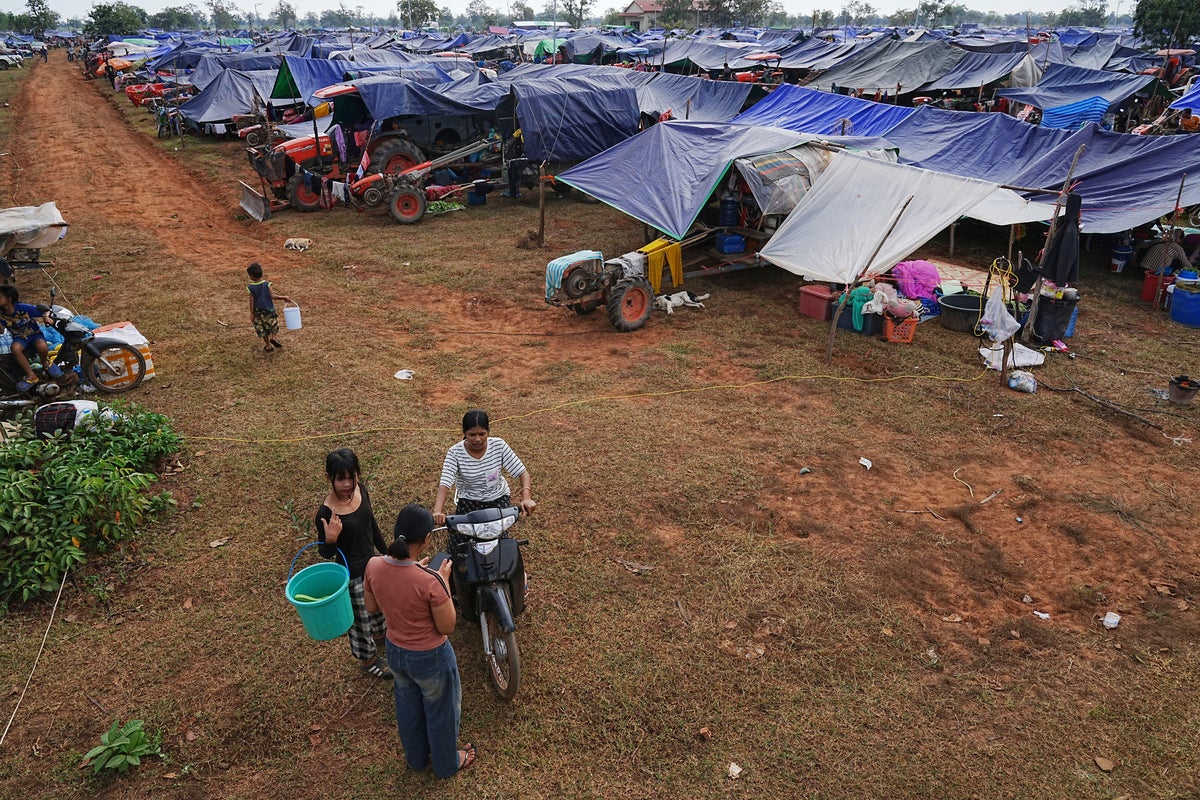
The Thailand-Cambodia border conflict has erupted into a critical geopolitical flashpoint that threatens to destabilize Southeast Asian regional dynamics. With over 600,000 people displaced and tensions escalating rapidly, this conflict represents more than a territorial dispute—it's a complex powder keg of nationalist sentiments, historical grievances, and strategic miscalculations.
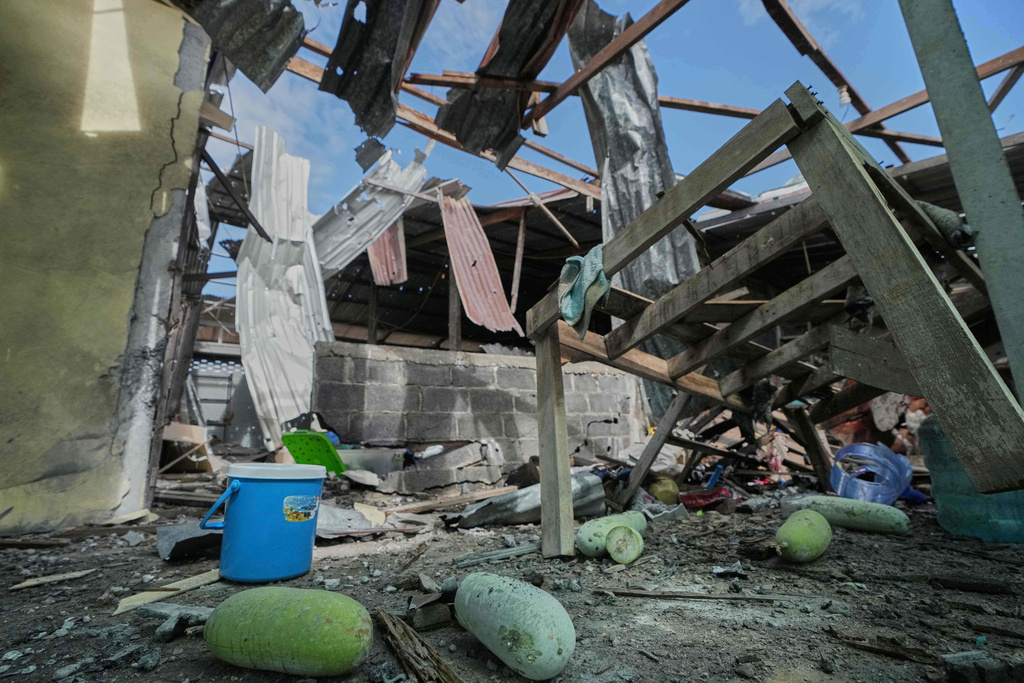
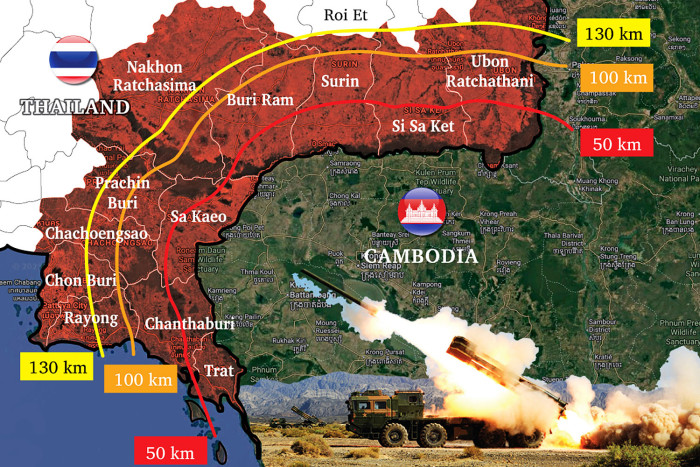
The conflict's intensity is unprecedented, characterized by five consecutive days of cross-border military confrontations involving heavy artillery, fighter jets, and strategic attacks across three Cambodian provinces. The Royal Thai Army's explicit goal of neutralizing Cambodia's military capabilities signals a dangerous escalation beyond traditional border skirmishes.
Diplomatic efforts are proving frustratingly ineffective. Despite U.S. President Donald Trump's mediation attempts, including previous ceasefire negotiations in July and October, local sentiment remains deeply skeptical. A critical poll revealed that over half of Thais reject any association with Cambodia, and nearly two-thirds view international intervention as serving superpower interests rather than pursuing genuine peace.
The upcoming 2026 Thai election adds another layer of complexity. Prime Minister Anutin Charnvirakul appears more likely to leverage nationalist rhetoric than pursue diplomatic compromise. This political calculation transforms the conflict from a territorial dispute into a potential referendum on national pride and military strength.
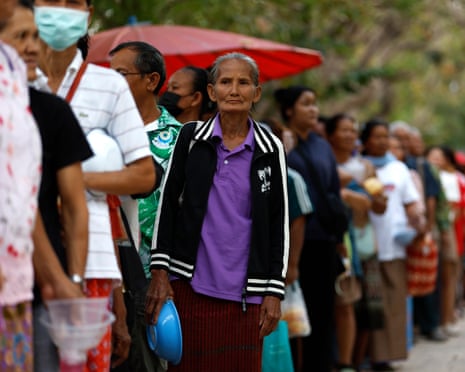
The humanitarian consequences are devastating. Border communities like those of Rangsan Angda and Patcharee Kotmakti have been repeatedly displaced, facing continuous financial uncertainty and psychological trauma. The conflict has transformed from a geopolitical tension to a human crisis that threatens the social fabric of both nations.
Strategically, this conflict represents a significant regional security challenge. The centuries-old border dispute, now weaponized through modern military technology, demonstrates how historical tensions can rapidly escalate in an increasingly volatile geopolitical landscape. The international community faces a critical test: can diplomatic mechanisms prevent a potential wider regional conflict?
Questions 3
What are the primary drivers of the current Thailand-Cambodia border conflict?
The conflict stems from a centuries-old territorial dispute involving historical temple ownership, compounded by rising nationalist sentiments. A poll showing over half of Thais rejecting association with Cambodia indicates deep-rooted historical tensions that extend beyond immediate territorial claims.
How likely is a peaceful resolution to the current military confrontation?
Current prospects for peace are low. With the Thai military explicitly seeking to neutralize Cambodia's military capabilities and an upcoming 2026 election potentially incentivizing nationalist rhetoric, diplomatic compromise seems challenging. Trump's mediation attempts have thus far been unsuccessful.