


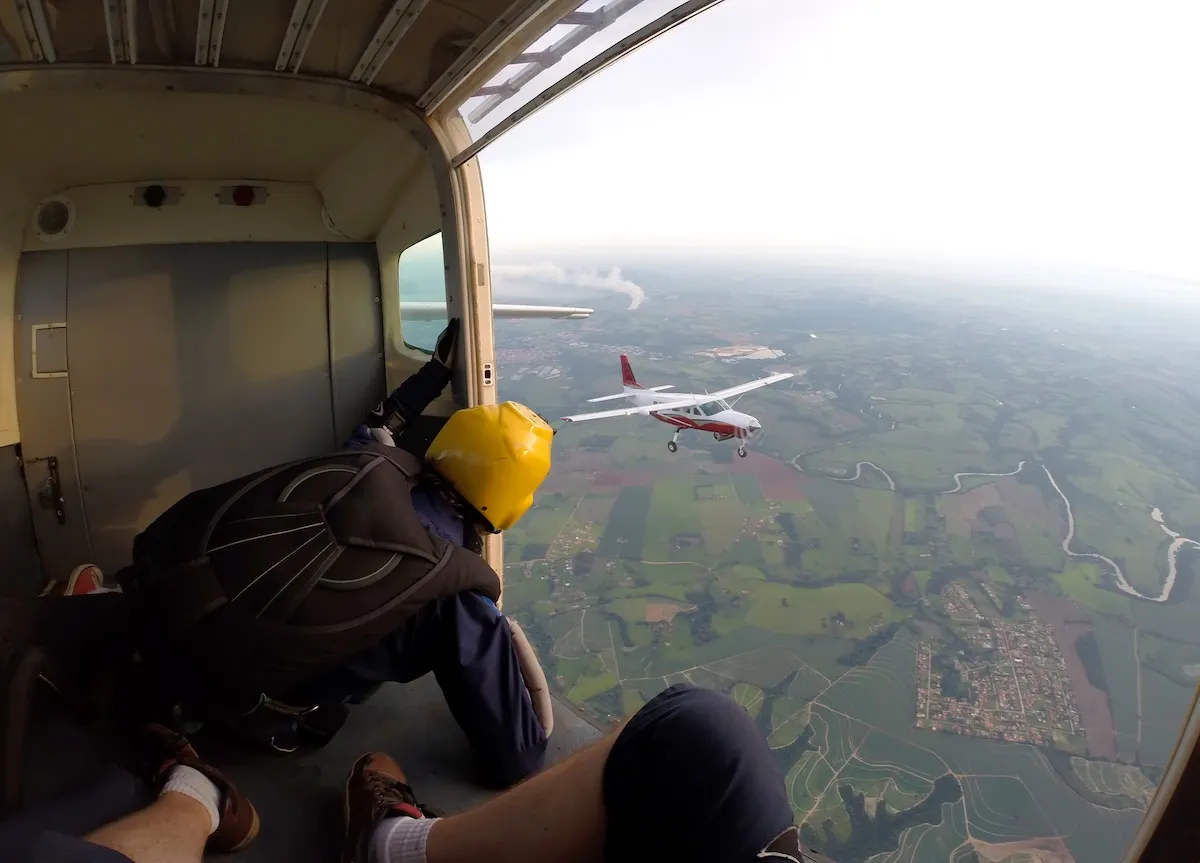
Extreme Survival at 15,000 Feet: When Skydiving Goes Critically Wrong
- A Harrowing Incident Reveals the Razor-Thin Line Between Disaster and Survival in Aerial Extreme Sports








)







Overview
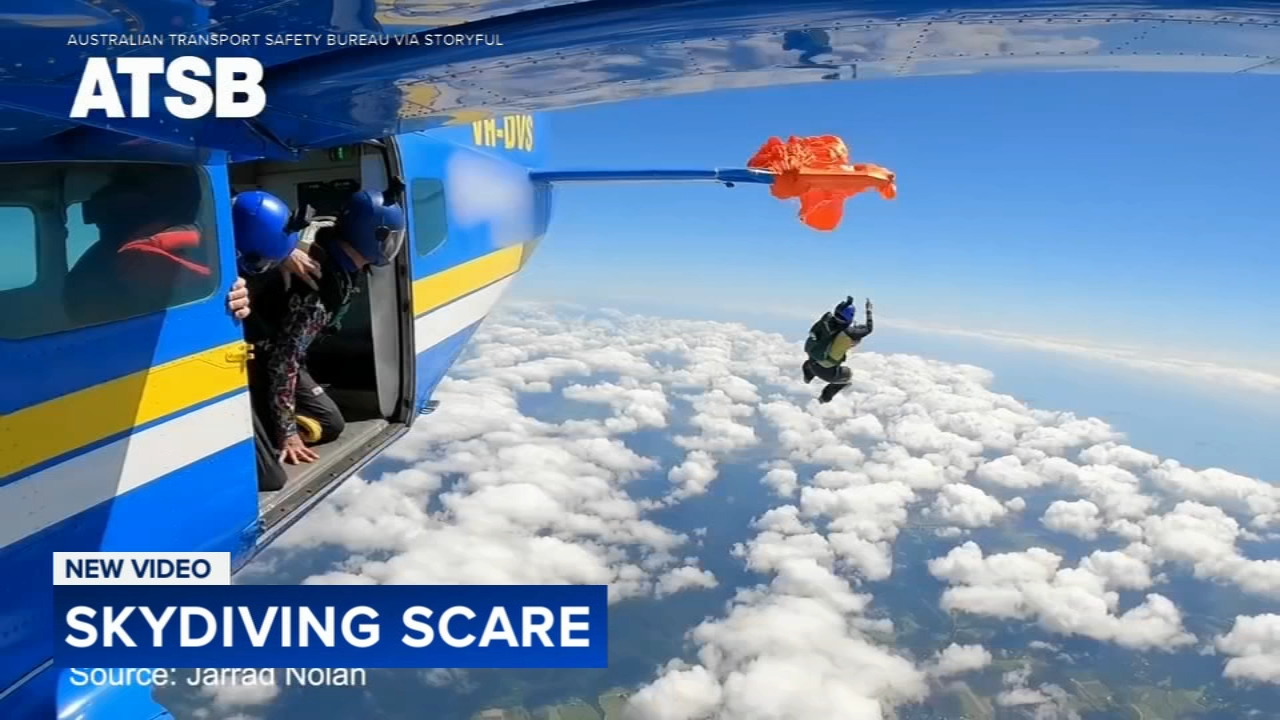
In the high-stakes world of extreme aerial sports, a recent skydiving incident near Cairns, Australia, dramatically illustrates the razor-thin margin between life and death. On September 20, what was meant to be a routine 16-way formation jump transformed into a heart-stopping survival scenario that underscores the critical importance of preparedness and split-second decision-making.
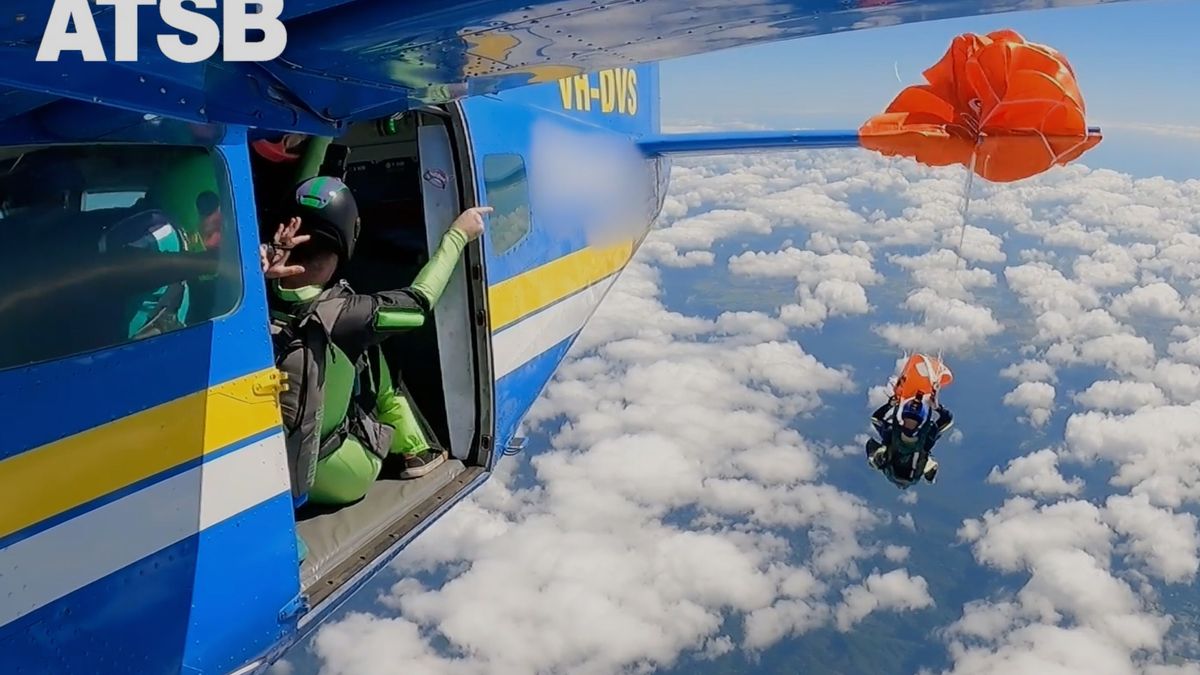
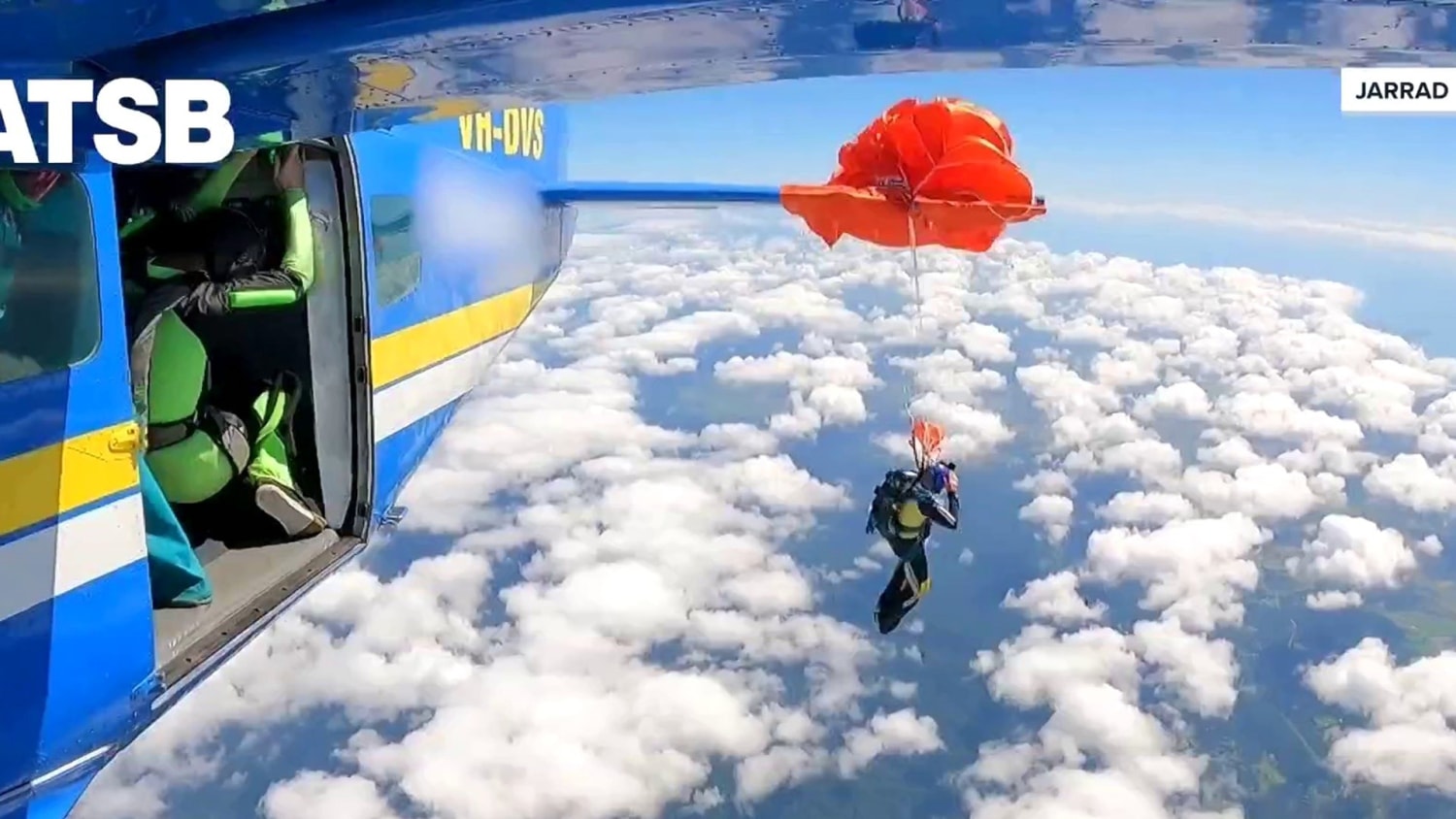
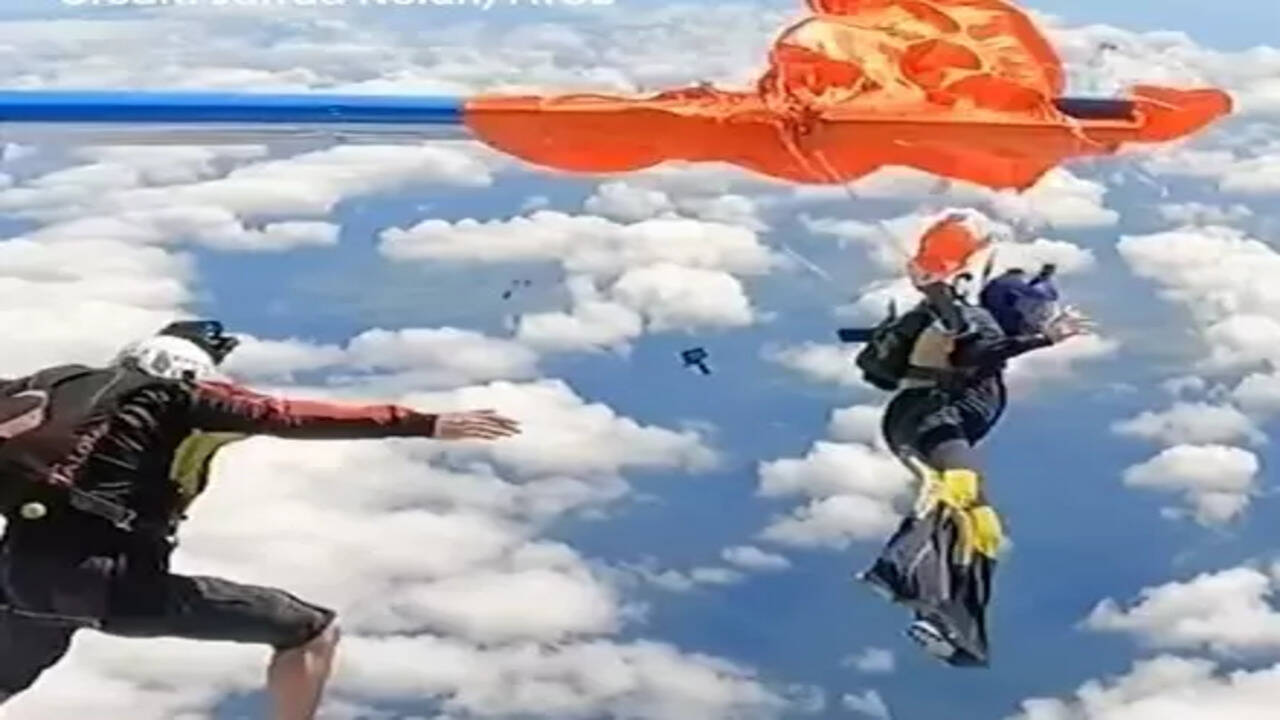
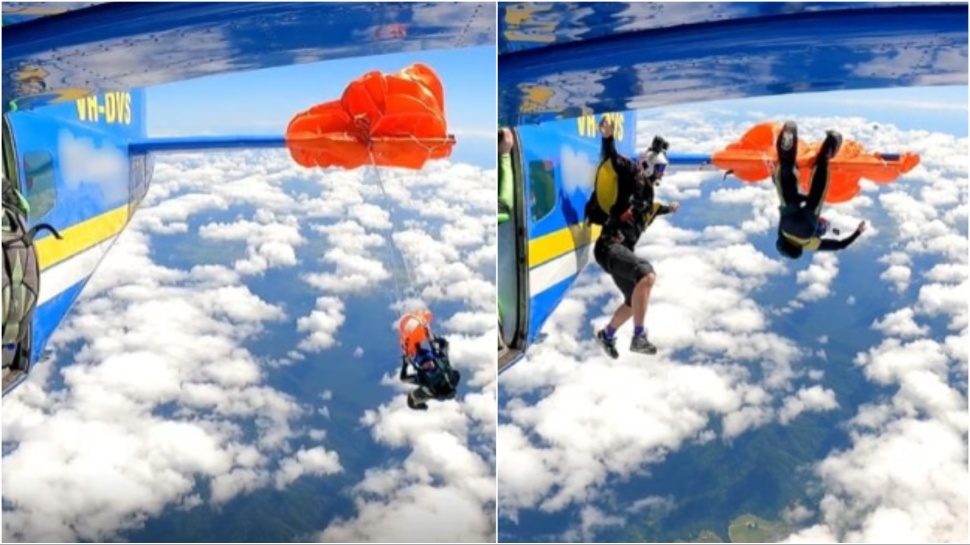
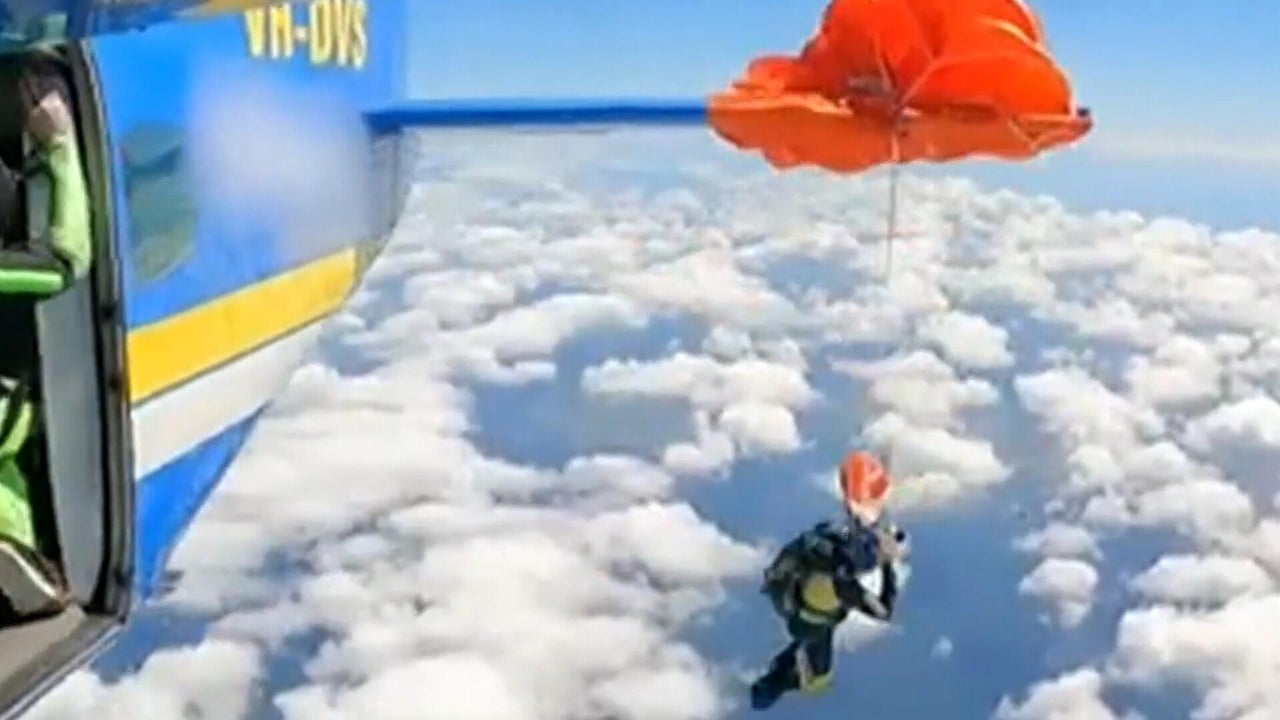
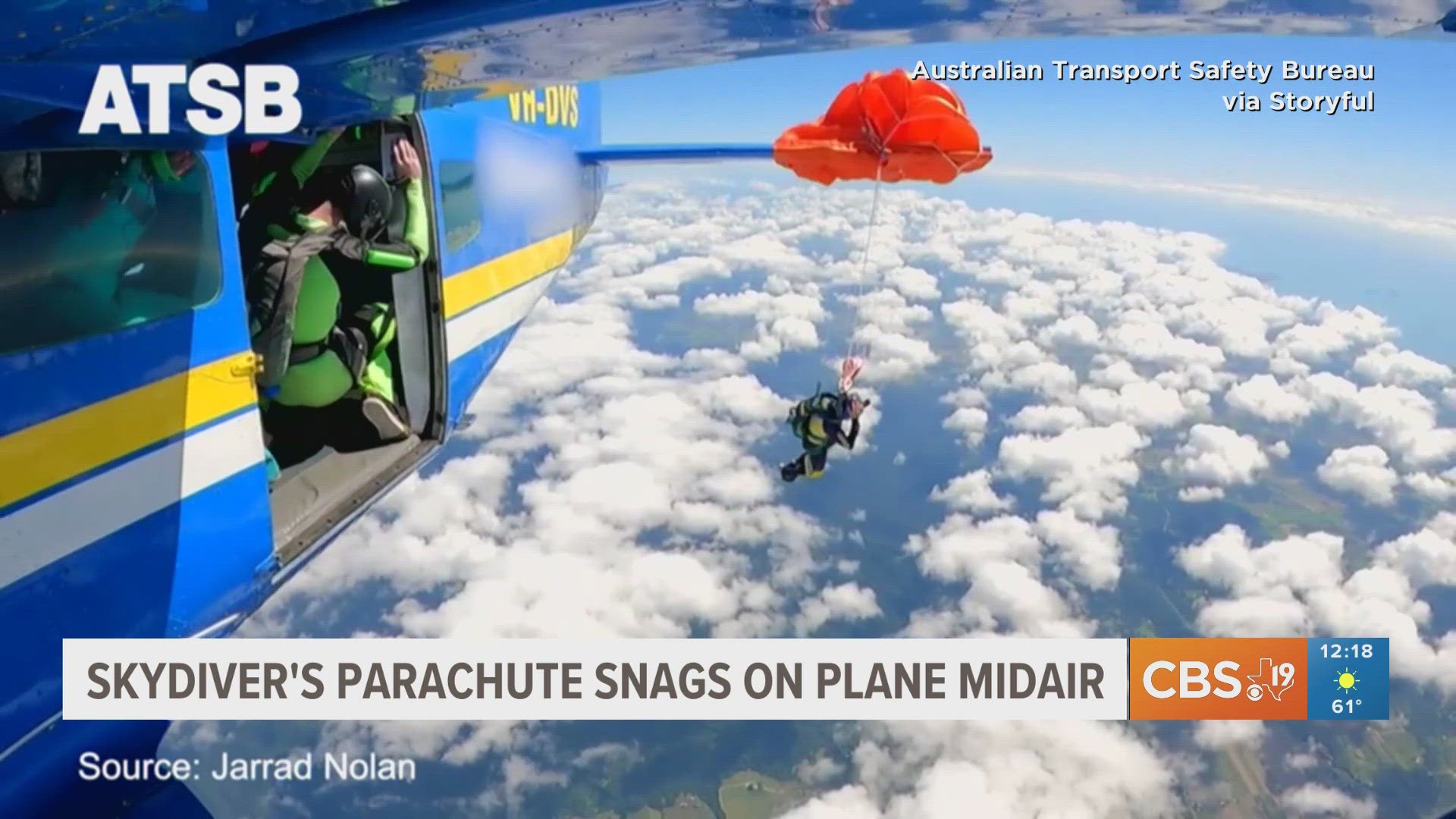
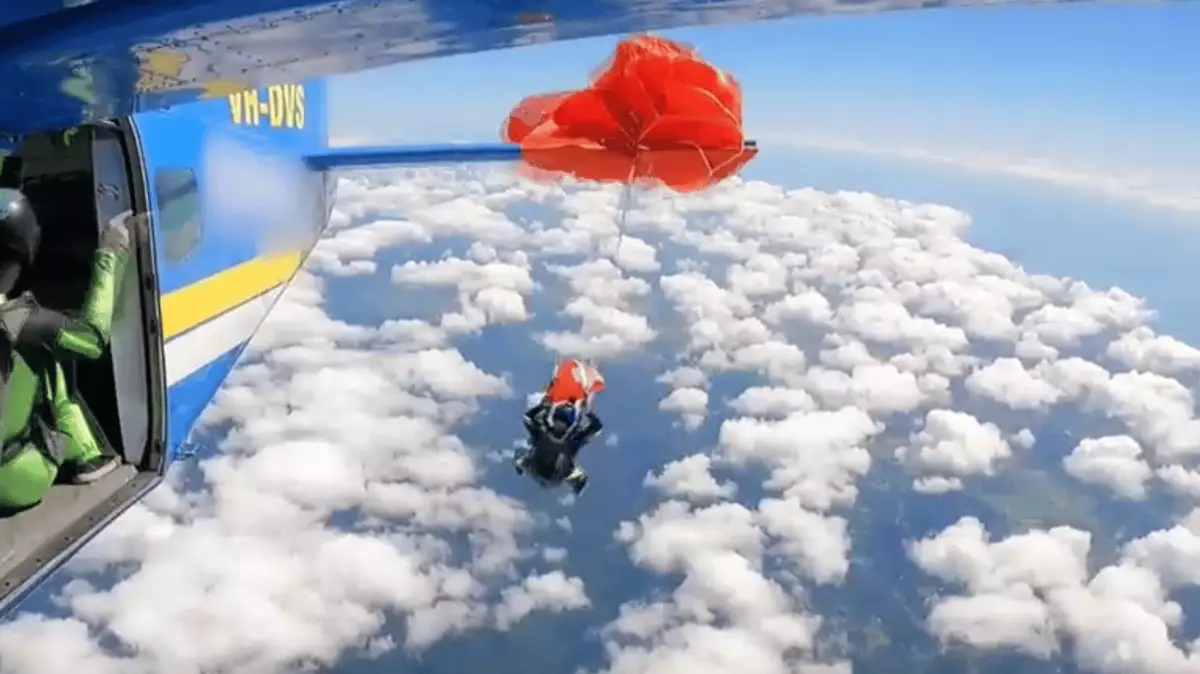
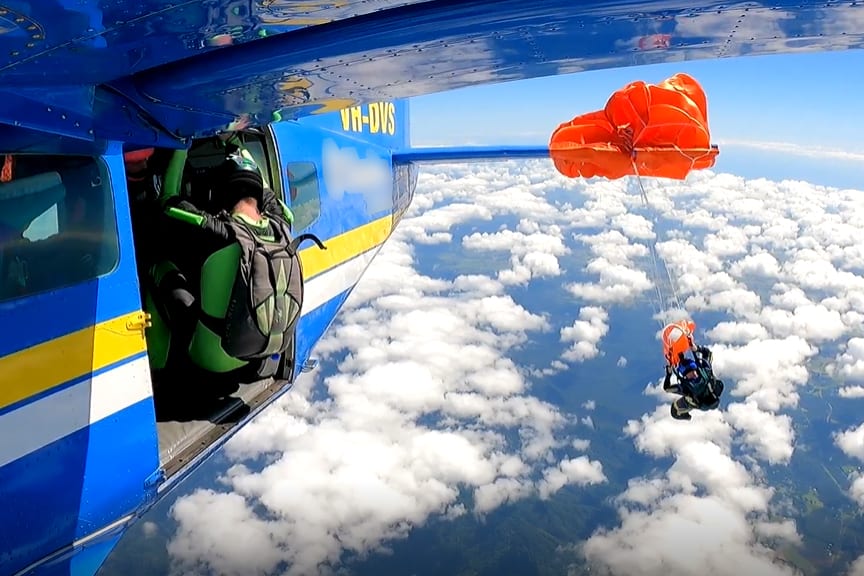
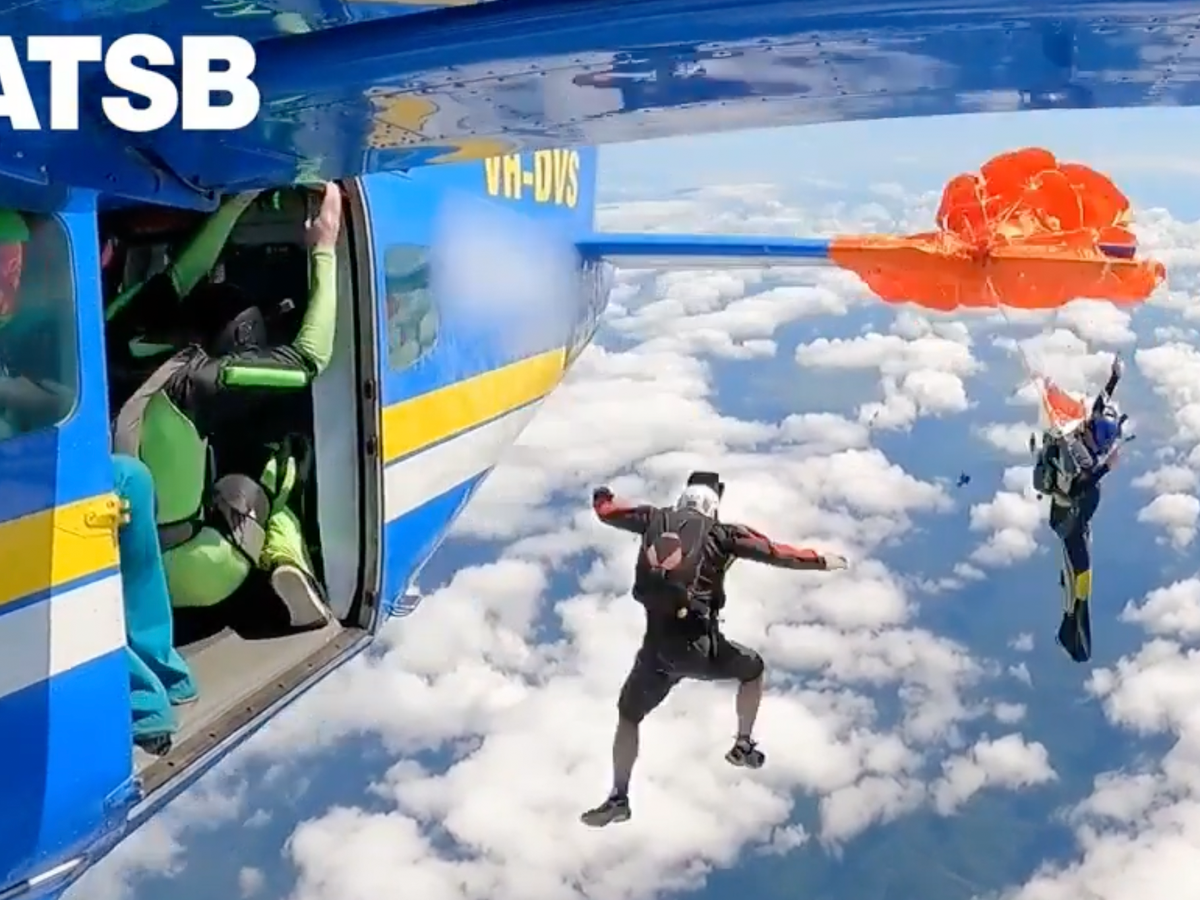
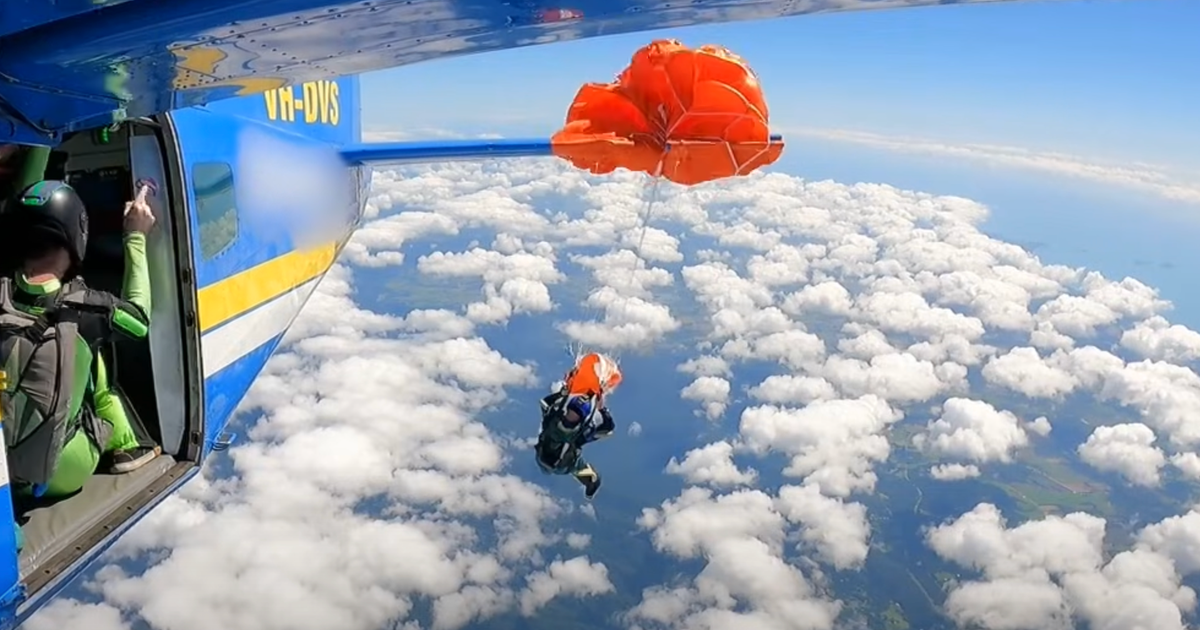
Emergency Preparedness emerged as the defining factor in this near-catastrophic event. When a skydiver's reserve parachute unexpectedly deployed and became entangled with the aircraft's tail at 15,000 feet, the situation could have easily resulted in multiple fatalities. Instead, the skydiver's remarkable composure and critical equipment—specifically a hook knife—transformed a potentially fatal incident into a survivable experience.
The incident reveals multiple layers of risk management in extreme sports. The skydiver, suspended precariously from the plane's horizontal stabilizer, managed to cut through 11 parachute ropes in approximately 50 seconds, ultimately freeing themselves and deploying their main parachute. This wasn't just luck, but a testament to rigorous training and equipment awareness. The Australian Transport Safety Bureau's investigation highlighted that while carrying a hook knife is not mandatory, it can be literally lifesaving during unexpected deployment scenarios.
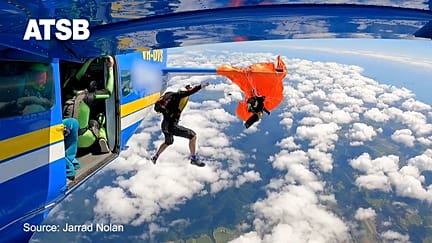
The broader implications extend far beyond this single incident. Aerial formation jumping inherently involves complex choreography and split-second risks. The fact that thirteen other parachutists continued their jump while this drama unfolded speaks to the professional discipline within this extreme sports community. Moreover, the pilot's exceptional situational management—wearing an emergency parachute and successfully landing a damaged aircraft—demonstrates the multi-layered safety protocols in high-risk aerial operations.
Chief Commissioner Angus Mitchell's subsequent commentary is particularly telling. By emphasizing the importance of equipment preparedness and situational awareness, he transformed this near-disaster into a critical learning moment for the entire skydiving community. The Far North Freefall Club's immediate response—now requiring all parachutists to carry a hook knife—shows how quickly safety protocols can evolve from real-world incidents.
Questions 3
What made the skydiver's survival possible in this extreme scenario?
The skydiver's survival hinged on three critical factors: carrying a hook knife, maintaining composure under extreme stress, and having thorough emergency training. By quickly cutting through 11 parachute ropes in 50 seconds and successfully deploying their main parachute, they transformed a potentially fatal situation into a survivable incident.
How are extreme sports communities responding to such high-risk incidents?
Extreme sports communities like the Far North Freefall Club are rapidly evolving safety protocols based on real-world incidents. In this case, they immediately mandated that all parachutists carry a hook knife, demonstrating a proactive approach to learning from near-miss scenarios and continuously improving safety standards.