




Bulgaria's Political Shift Creates EU Market Stability Opportunity for Cross-Border Sellers
- Radev's 44.6% landslide victory signals institutional reform, reduced corruption risk, and improved business environment for 2,500+ Bulgarian e-commerce sellers and EU importers
























Overview
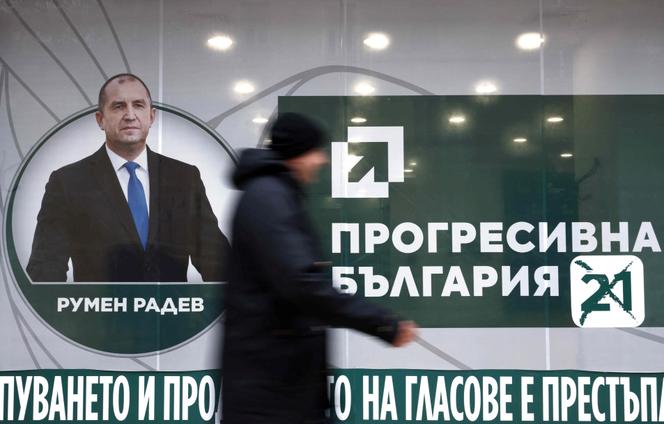
Bulgaria's decisive parliamentary election victory for Rumen Radev's Progressive Bulgaria coalition (44.6% of votes, 30 percentage points ahead of rivals) represents a critical inflection point for cross-border e-commerce operations in Southeast Europe. The landslide outcome, following nationwide anti-corruption protests drawing hundreds of thousands of young Bulgarians, signals institutional reform momentum that directly impacts seller compliance costs, payment processing reliability, and logistics infrastructure in a key EU manufacturing and fulfillment hub.
Market Stability Impact for Sellers: Bulgaria's five-year political fragmentation produced weak governments unable to survive more than one year, creating regulatory uncertainty that increased operational costs for the estimated 2,500+ Bulgarian-based e-commerce sellers and 15,000+ EU sellers using Bulgaria as a manufacturing/fulfillment base. Radev's mandate to "remove the corrupt, oligarchic model of governance" and free institutions from oligarch influence (particularly Boyko Borissov and sanctioned oligarch Delyan Peevski) directly addresses the EU's repeated criticism of Bulgaria's rule-of-law deficiencies—a factor that has depressed business confidence and increased compliance audit costs. The reformist We Continue the Change coalition's parliamentary support for anti-corruption initiatives suggests faster VAT compliance infrastructure improvements and reduced customs processing delays at Bulgarian ports and borders.
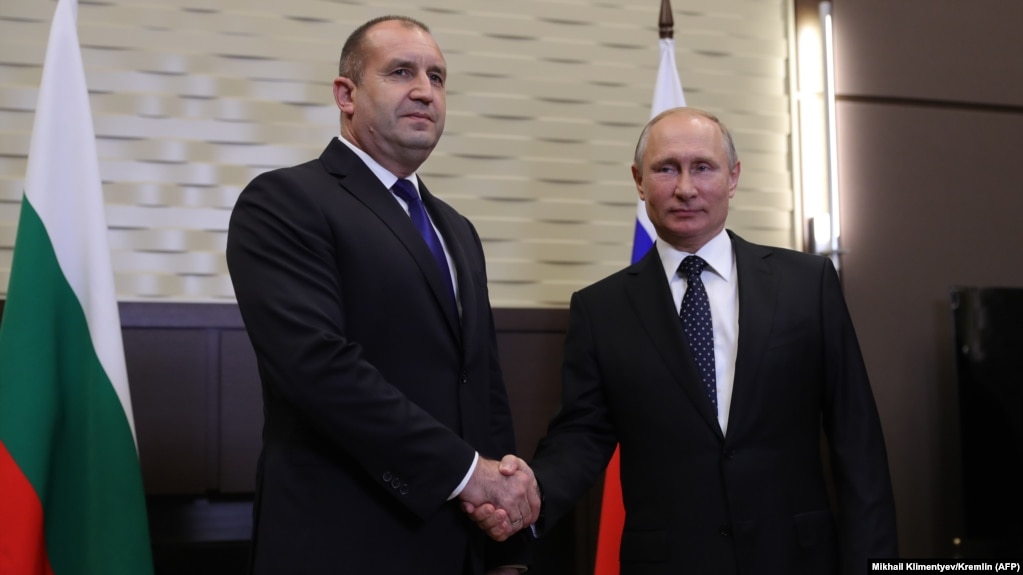
Geopolitical Risk Recalibration: While Radev's previous pro-Russian statements raised concerns about EU alignment, analysts note his landslide victory may prompt him to seek external legitimacy through European relationships rather than Orbán-style rhetoric. This creates a favorable environment for EU-Bulgaria trade normalization. Bulgaria's NATO and EU membership, combined with institutional reform momentum, reduces geopolitical supply chain disruption risks that have plagued sellers using Bulgarian manufacturing and logistics hubs since 2022. The victory also signals potential improvements in Bulgaria's customs and VAT administration—currently among Europe's slowest, adding 5-10 business days to cross-border shipments.
Operational Implications: Sellers should monitor Radev's first 90 days (January-March 2025) for judicial system reforms and oligarch asset seizures, which will indicate reform credibility. Improved institutional stability could reduce payment processing delays (currently 3-5 days longer than Western EU average) and lower compliance audit costs for sellers maintaining Bulgarian subsidiaries or fulfillment centers. The youth-driven protest movement (hundreds of thousands of young Bulgarians) also signals emerging consumer demand for digital products, online services, and e-commerce infrastructure—creating opportunities for sellers targeting Bulgarian Gen-Z demographics with trending categories like gaming peripherals, sustainable fashion, and tech accessories.
Questions 8
Does Radev's pro-Russian reputation create supply chain risks for EU-based sellers?
While Radev previously opposed EU military aid to Ukraine and favored Moscow talks, analysts note his landslide victory may prompt him to seek external legitimacy through European relationships rather than openly adopting pro-Russian policies. Bulgaria's NATO and EU membership, combined with institutional reform momentum, reduces geopolitical supply chain disruption risks that have affected sellers since 2022. However, sellers should monitor Radev's first 100 days for concrete EU alignment signals (judicial reforms, oligarch asset seizures, customs modernization) before making major logistics commitments. The election outcome suggests Bulgaria will maintain EU integration rather than pursue Orbán-style geopolitical hedging, reducing long-term supply chain uncertainty for sellers using Bulgarian manufacturing hubs.
What are the VAT compliance implications for EU sellers importing from Bulgaria post-election?
Bulgaria's repeated EU criticism for inadequate rule-of-law enforcement has created VAT compliance friction, with sellers reporting 20-30% longer audit resolution times compared to Western EU countries. Radev's victory and We Continue the Change coalition support for anti-corruption initiatives signal potential improvements in Bulgaria's VAT administration infrastructure. The election outcome reduces geopolitical uncertainty that previously discouraged EU investment in Bulgarian tax compliance systems. Sellers should expect gradual improvements in VAT processing efficiency over 6-12 months, but should maintain current compliance documentation standards until judicial reforms demonstrate measurable progress in reducing corruption-related delays.