


Venezuela Political Transition 2026 | Emerging Market Opportunity for Cross-Border Sellers
- IMF/World Bank re-engagement signals $2B+ consumer market reopening; sanctions lifted create import/export opportunities for US sellers targeting Venezuelan diaspora in Spain, US






Overview
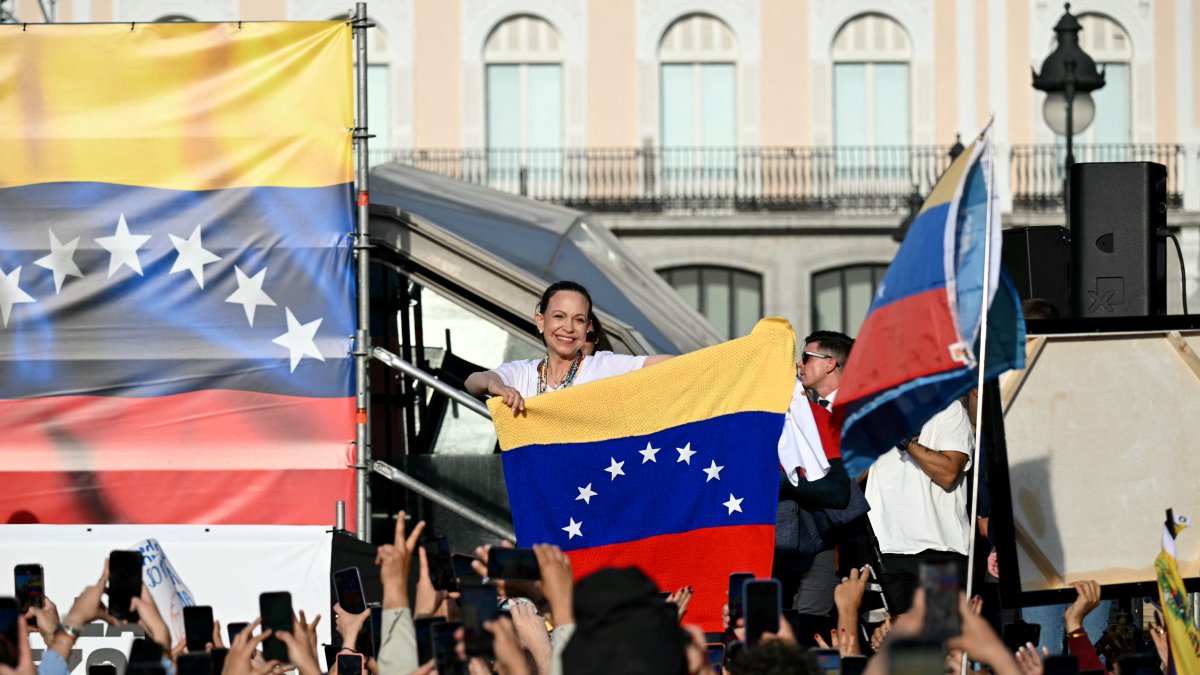
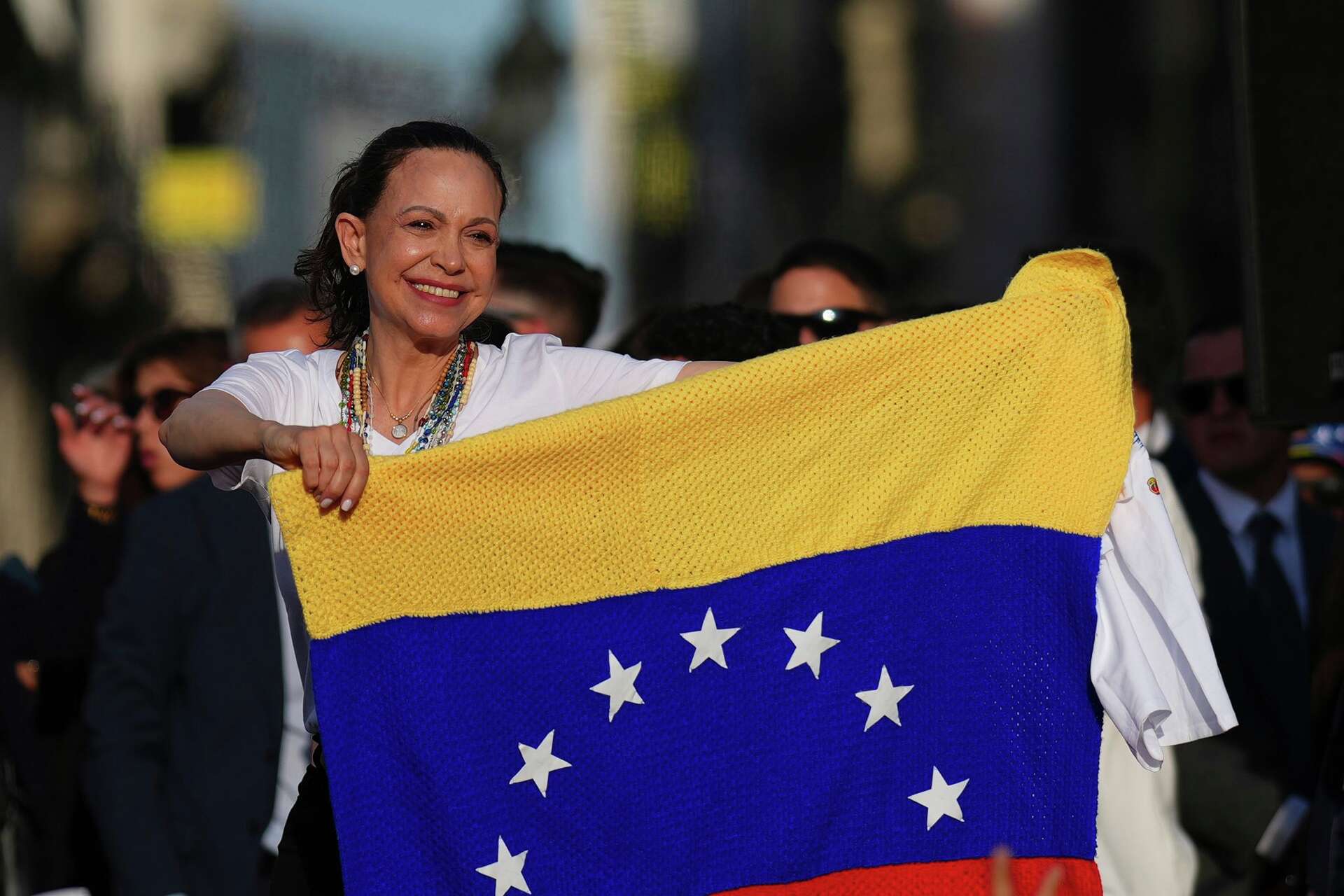
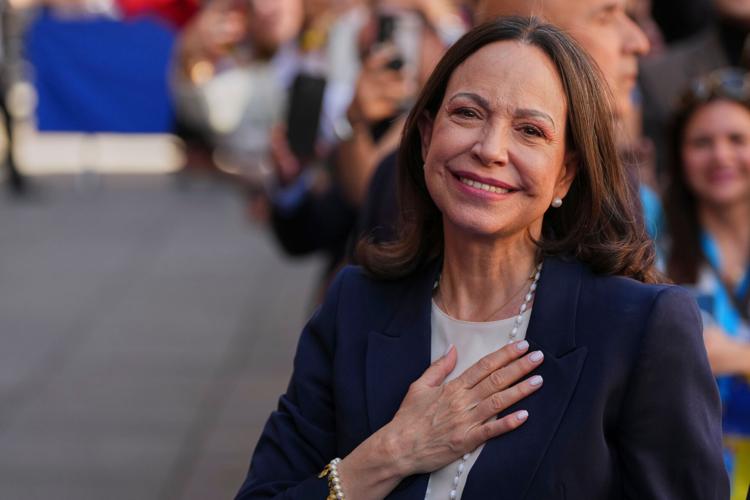
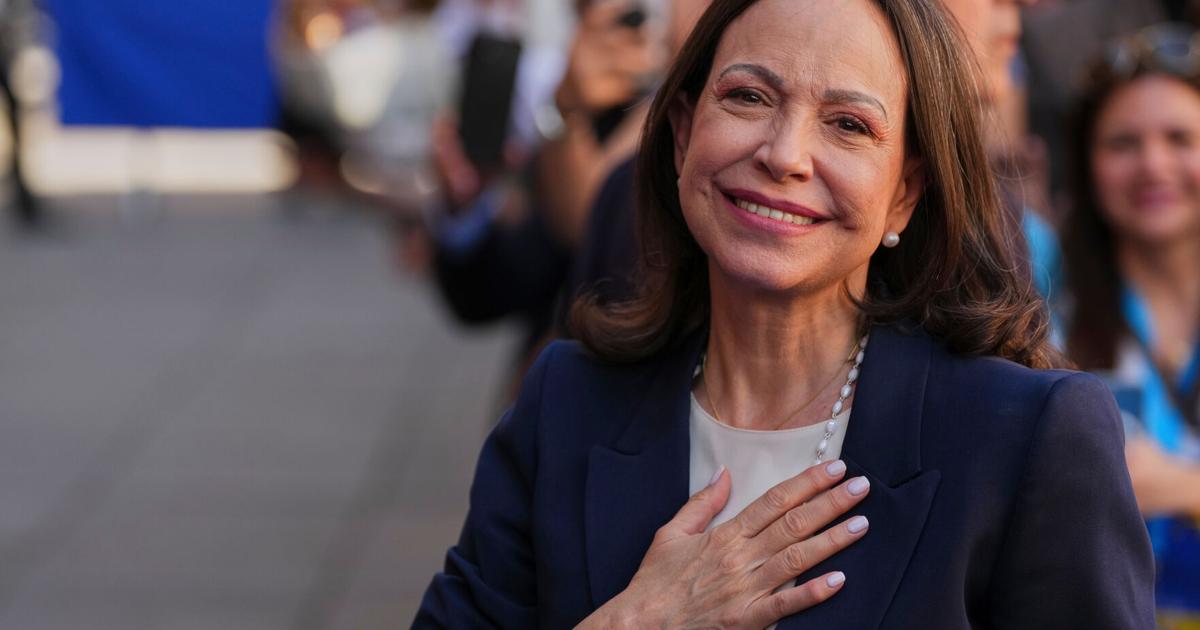
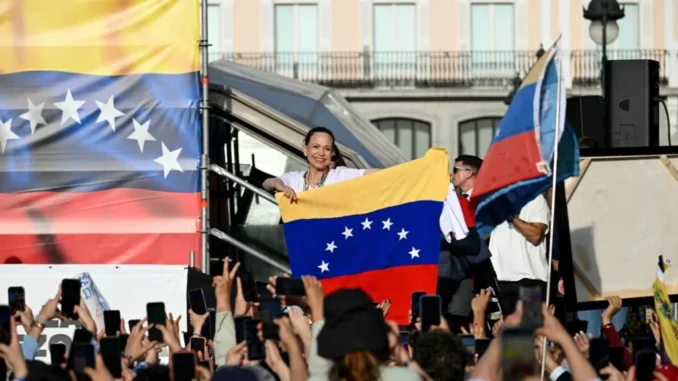
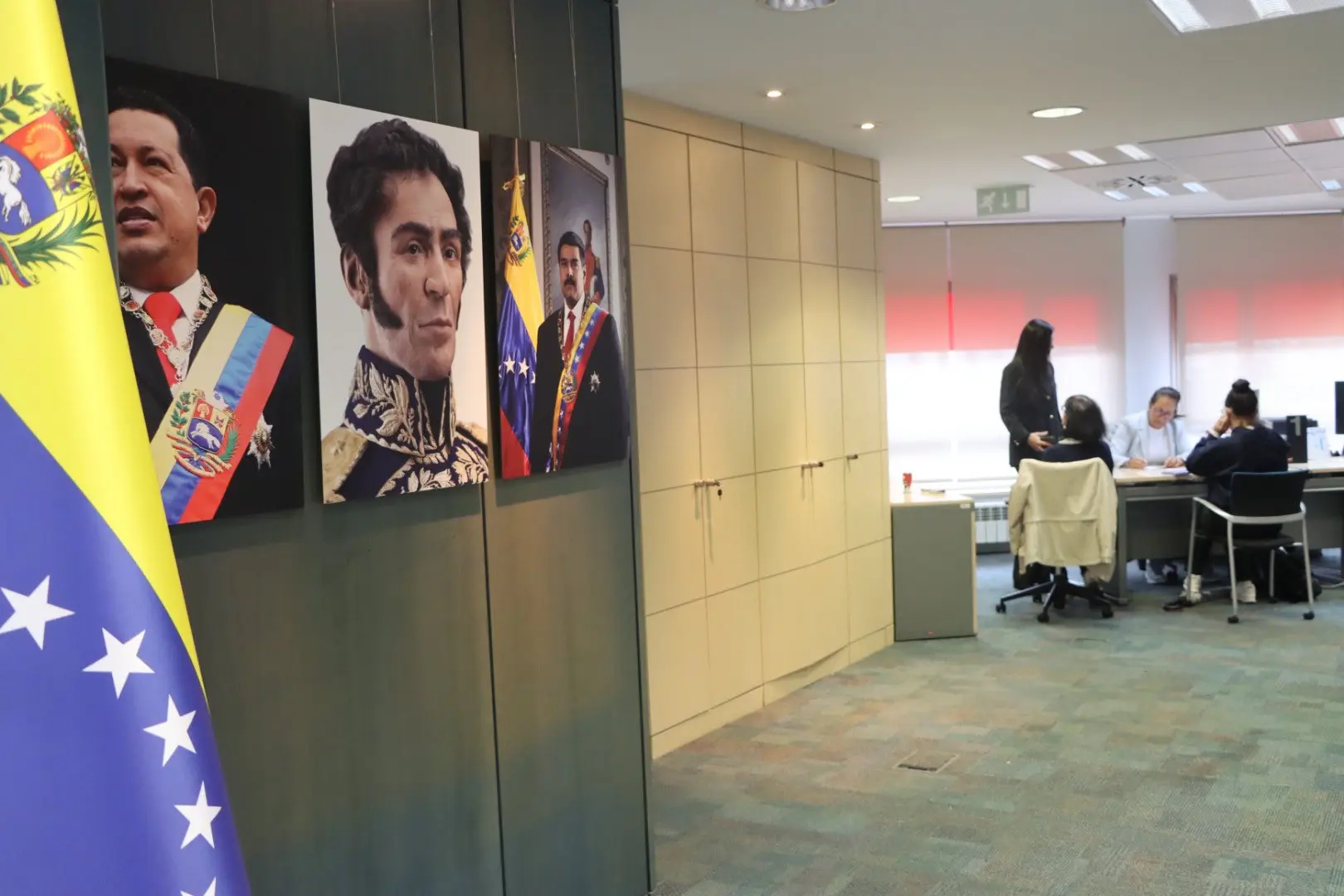
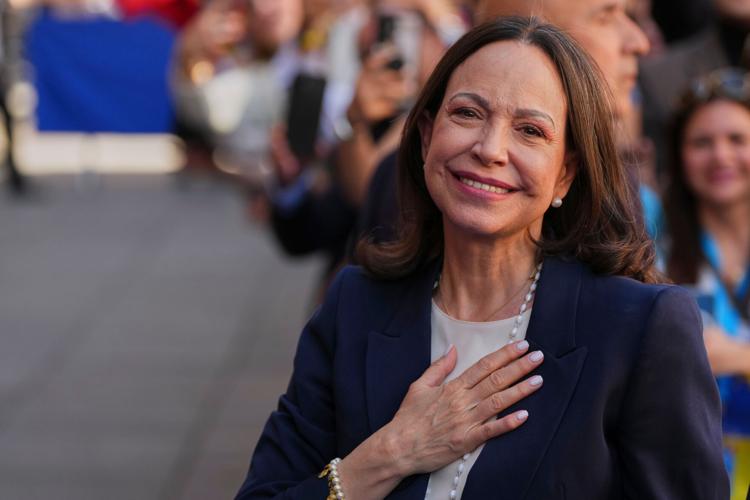
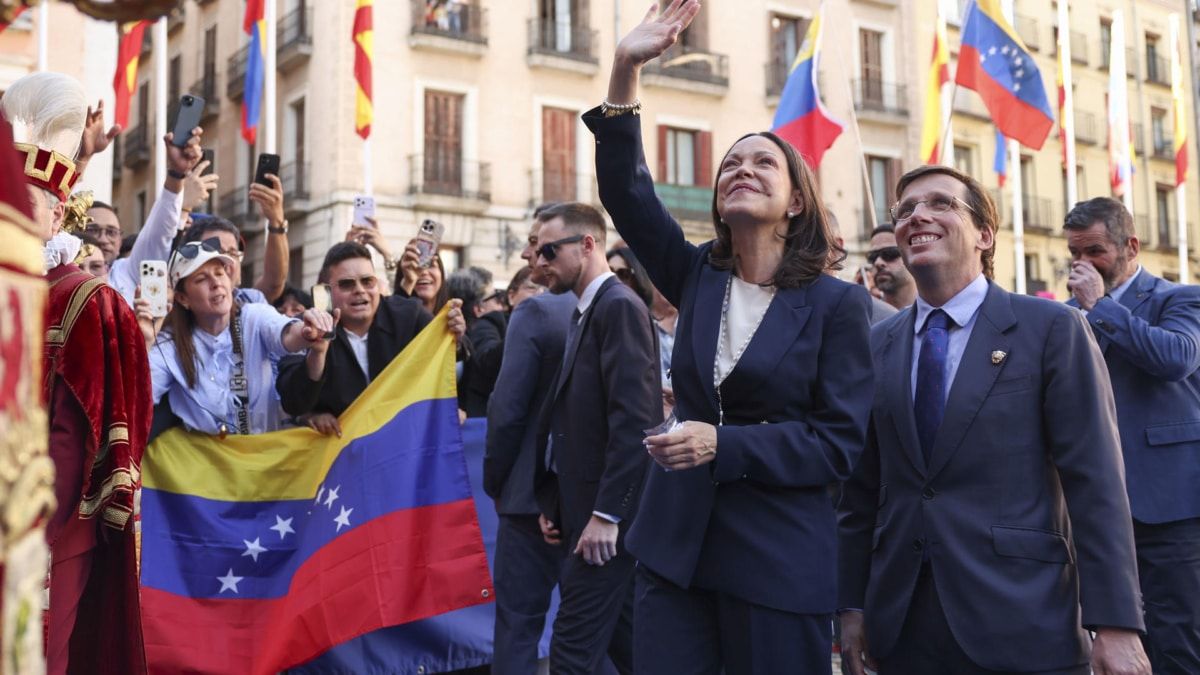
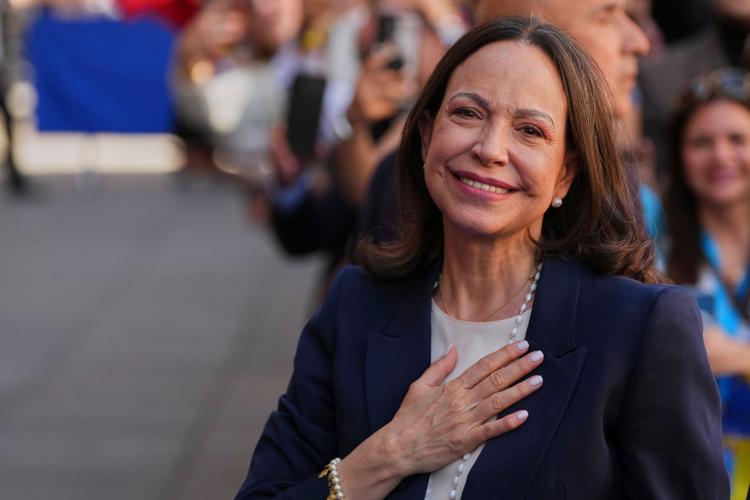
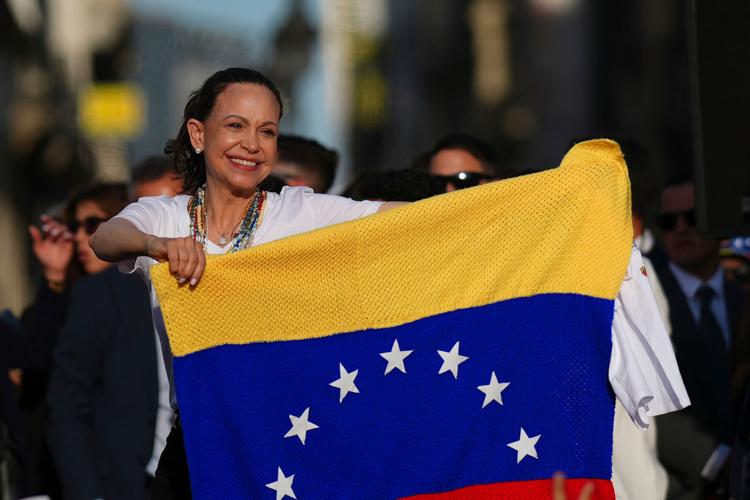
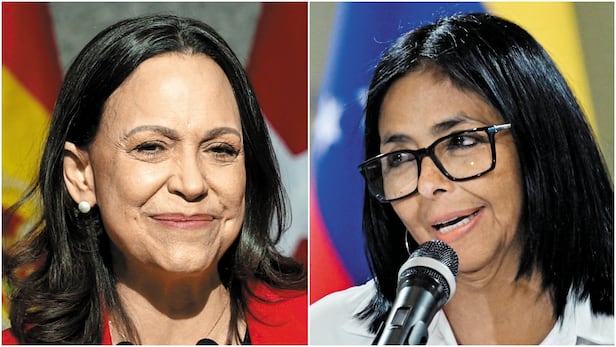
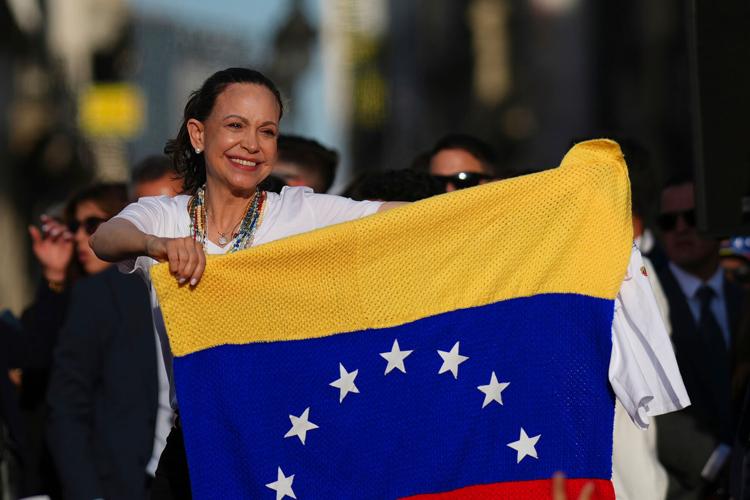
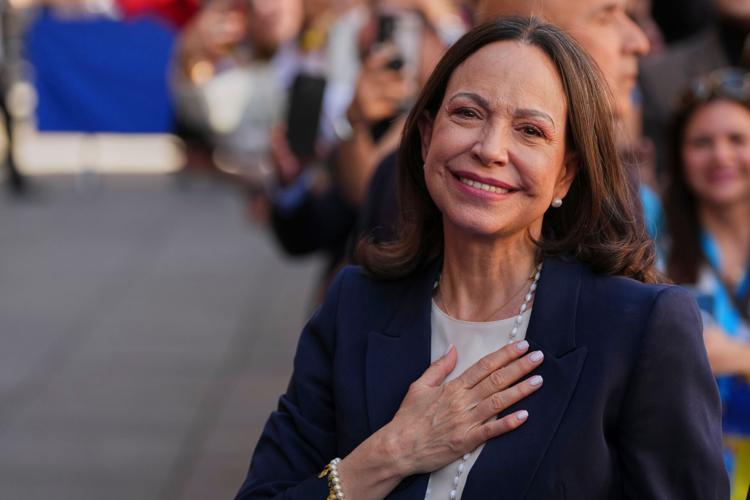
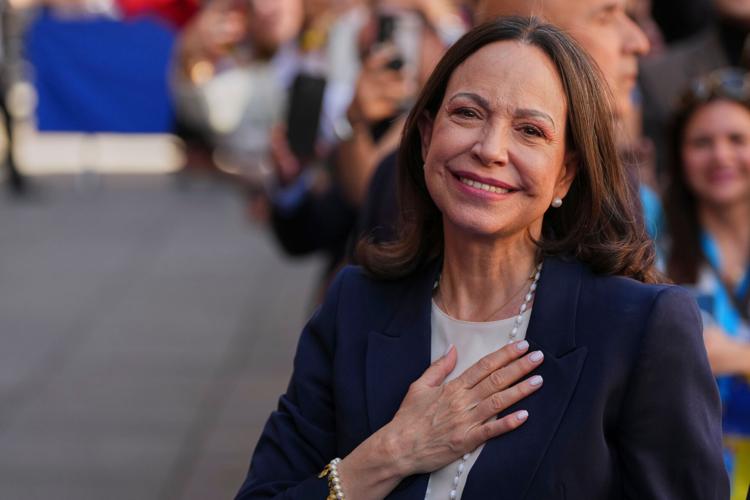
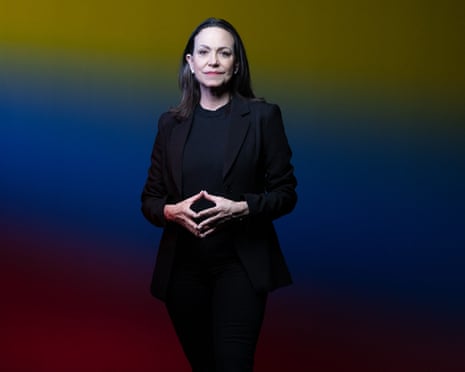
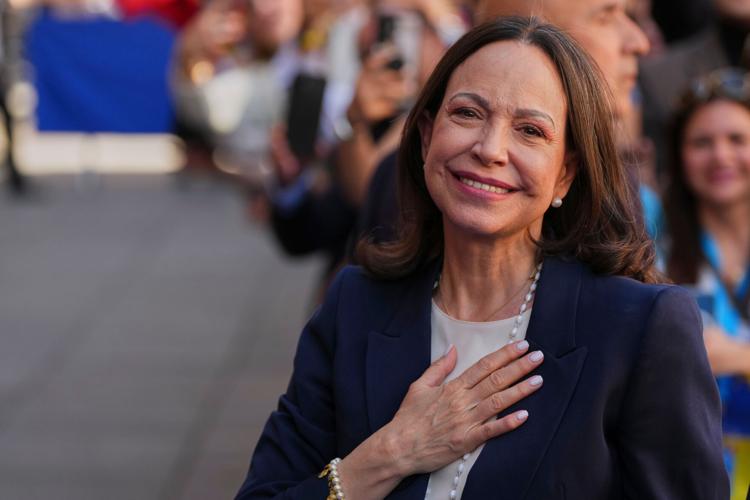
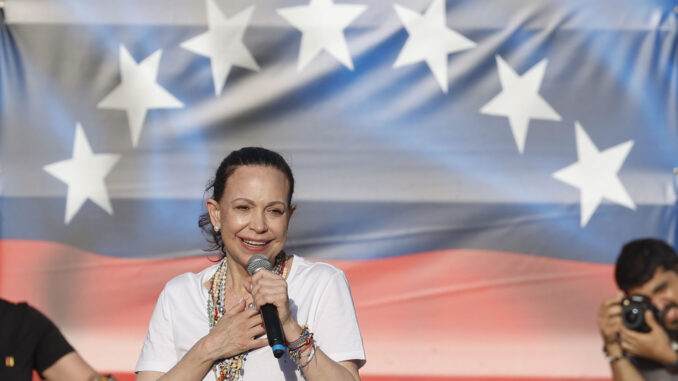
Venezuela's political landscape underwent seismic shifts in January 2026 following Nicolás Maduro's capture by US troops, creating unprecedented opportunities for cross-border e-commerce sellers targeting both the Venezuelan diaspora and the newly stabilized domestic market. The International Monetary Fund and World Bank resumed operations with Caracas after a seven-year hiatus, signaling renewed international economic engagement. The Trump administration lifted sanctions against interim leader Delcy Rodríguez and issued licenses to stimulate US investment, fundamentally reshaping trade dynamics. Opposition leader María Corina Machado, despite winning the 2024 presidential election and receiving the Nobel Peace Prize in December 2025, has been sidelined from direct governance but maintains significant international influence, conducting strategic diplomatic visits across Europe (Spain, France, Netherlands) in April 2026.
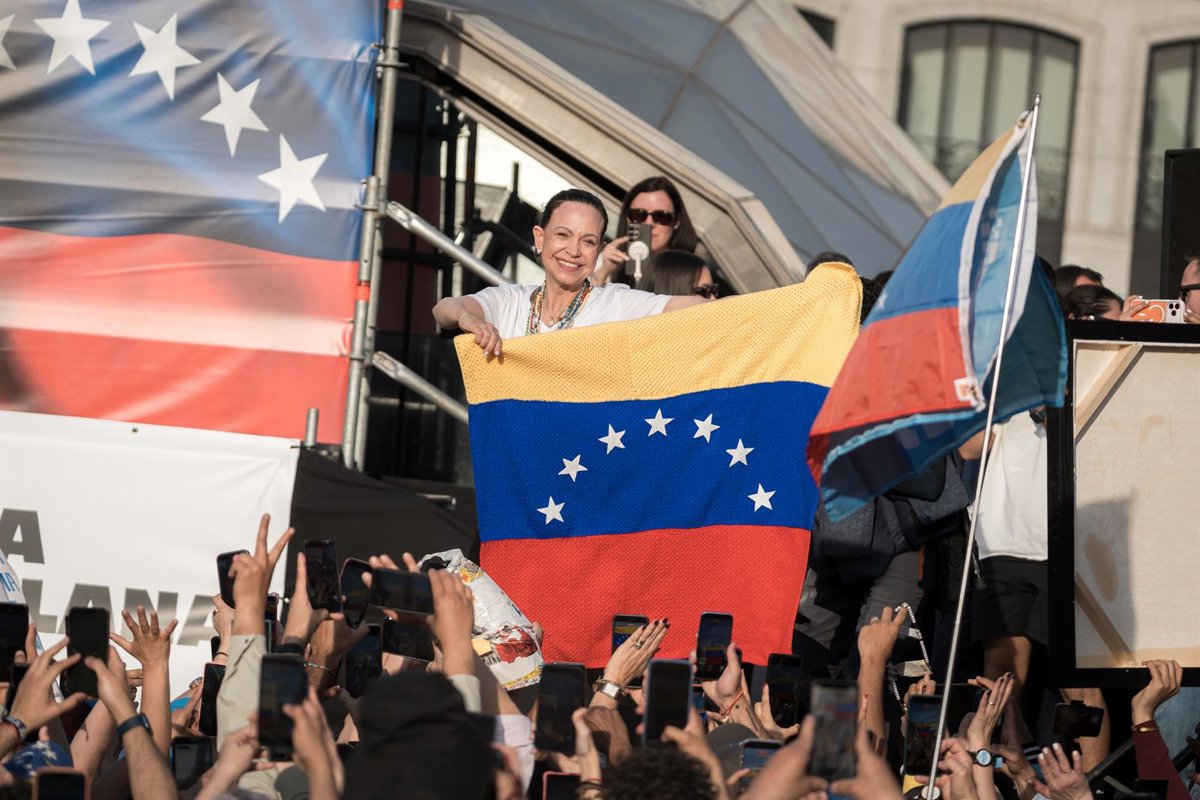
For cross-border sellers, this transition creates three distinct market opportunities. First, the Venezuelan diaspora expansion—particularly in Spain, where Machado held rallies expecting tens of thousands of protesters—represents a concentrated consumer segment with purchasing power and nostalgia-driven demand for Venezuelan cultural products, specialty foods, and consumer goods. Spain's socialist government under PM Sánchez has welcomed Venezuelan migrants, creating a growing market segment. Second, the sanctions lift and IMF/World Bank re-engagement signal potential for direct-to-consumer sales into Venezuela itself, with restored banking infrastructure enabling payment processing that was impossible during the Maduro regime. Third, the political uncertainty creates demand for premium imported goods among Venezuela's emerging technocratic class (Rodríguez's administration emphasizes economic transparency and professional governance), who seek quality products unavailable domestically.
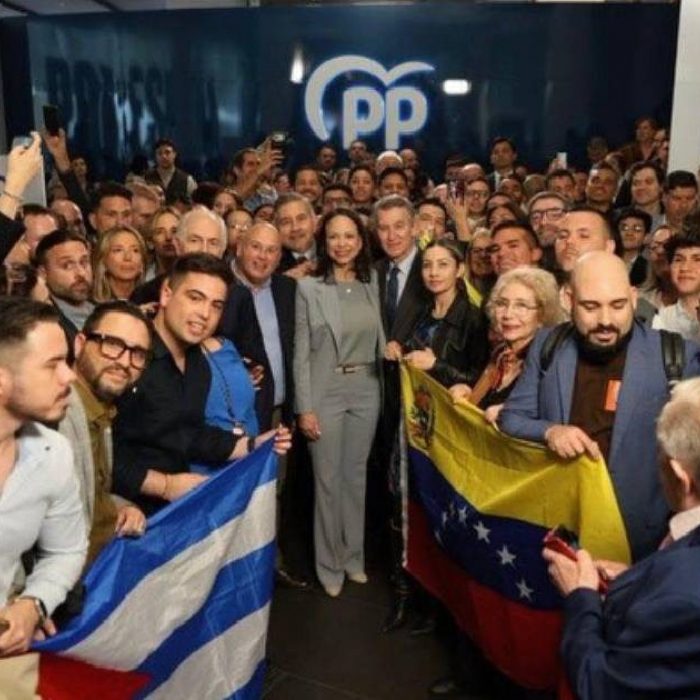
The geopolitical alignment matters strategically for seller positioning. Machado's deliberate meetings with Spain's conservative PP party (Alberto Núñez Feijóo, José Luis Martínez-Almeida) and far-right Vox party (Santiago Abascal), combined with her alignment toward US Secretary of State Marco Rubio's MAGA circles, indicate that pro-US, free-market economic policies will likely dominate Venezuela's transition. This favors sellers offering premium, Western-branded products and those positioned as alternatives to state-controlled distribution. The Real Elcano Institute and Barcelona Centre for International Affairs note that Machado and Spain's conservative PP share "liberal economic philosophies emphasizing free trade and limited state intervention"—a framework that benefits cross-border commerce. However, over 500 political prisoners remain detained, and constitutional requirements for elections within seven months have been overlooked, indicating continued instability that could disrupt market access.
Questions 8
What product categories should sellers prioritize for the Venezuelan diaspora market?
The Venezuelan diaspora, particularly concentrated in Spain following Machado's rallies expecting tens of thousands of protesters, shows strong demand for: (1) cultural/nostalgic products (Venezuelan music, literature, traditional crafts), (2) specialty foods and beverages unavailable in host countries, (3) premium consumer goods (electronics, cosmetics, fashion) that signal economic success, and (4) educational materials and children's products for families maintaining cultural identity. Spain's socialist government under PM Sánchez has actively welcomed Venezuelan migrants, creating a stable, growing consumer base. Sellers should target Spanish marketplaces (Amazon.es, eBay.es) and diaspora-focused platforms with Spanish-language listings emphasizing authenticity and quality—positioning products as superior alternatives to locally available options.
How does Venezuela's political transition in 2026 create opportunities for cross-border sellers?
Venezuela's January 2026 transition—marked by Maduro's removal and the Trump administration lifting sanctions—reopens a market that was economically isolated for seven years. The IMF and World Bank resuming operations after a seven-year hiatus signals restored banking infrastructure, enabling payment processing and currency stability that cross-border sellers require. US sellers can now legally export to Venezuela through licensed channels, while the Venezuelan diaspora in Spain (praised by Machado during her April 2026 Madrid visit) represents an immediate consumer segment with disposable income and demand for imported goods. The interim Rodríguez administration's emphasis on economic transparency and professional governance suggests a business-friendly environment compared to the previous regime.