



)
Strait of Hormuz Closure Drives 8-12% Shipping Cost Surge for Asia-Sourcing Sellers
- Iran's maritime restrictions impact 21% of global petroleum flow, forcing cross-border sellers to absorb $200-400/month additional freight costs and extend delivery timelines by 2-3 weeks

Overview
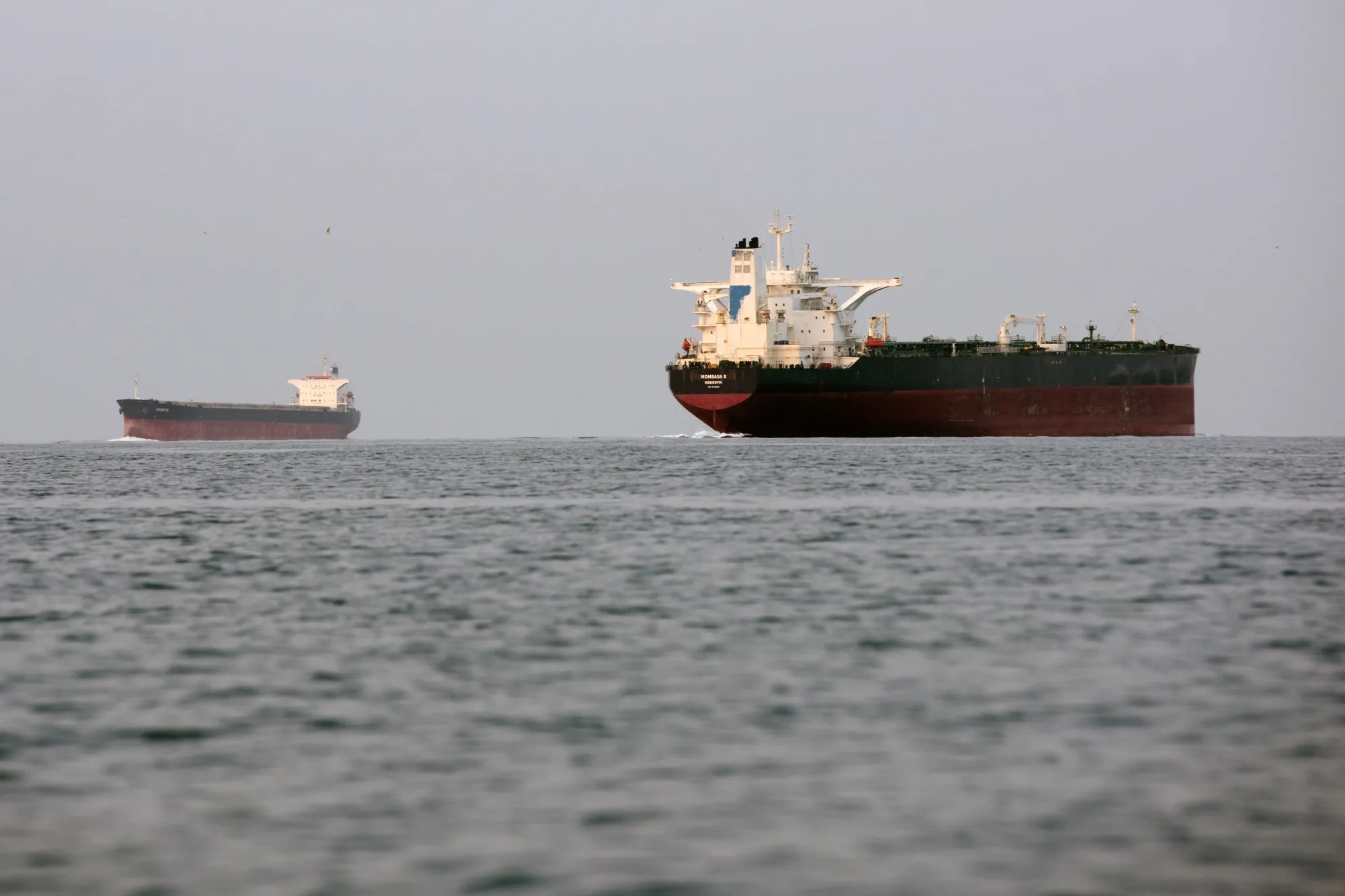
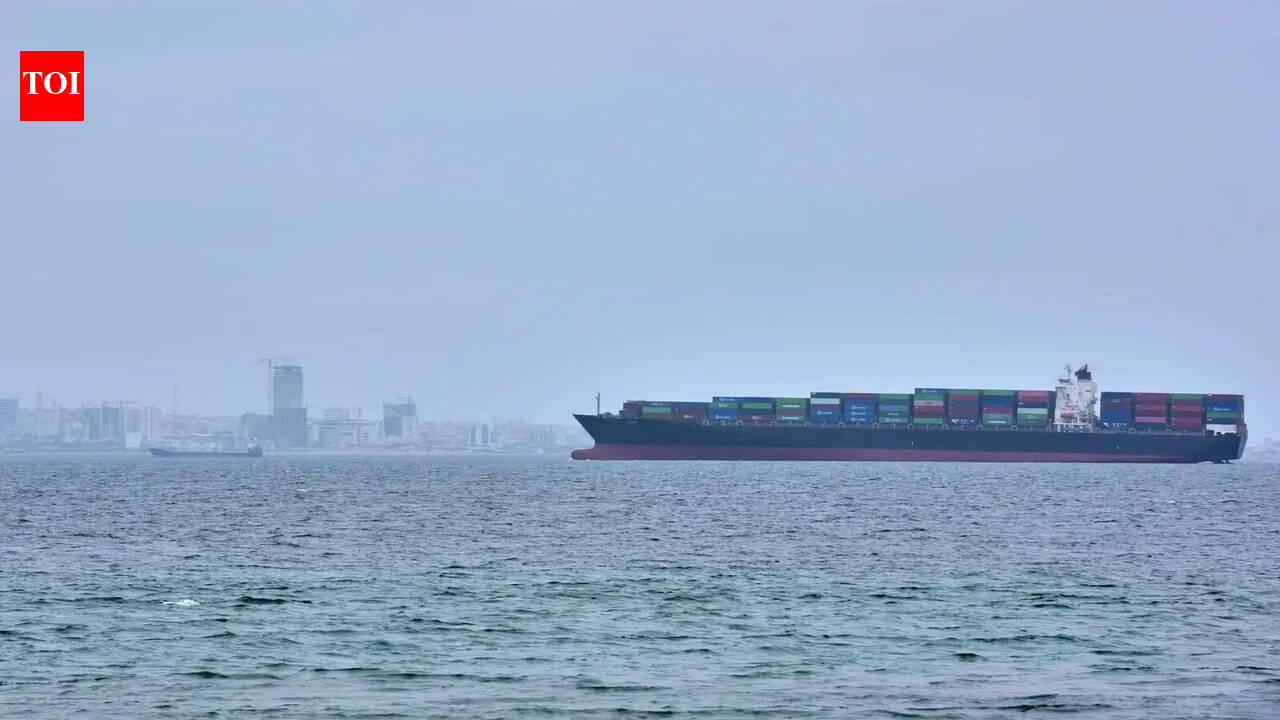
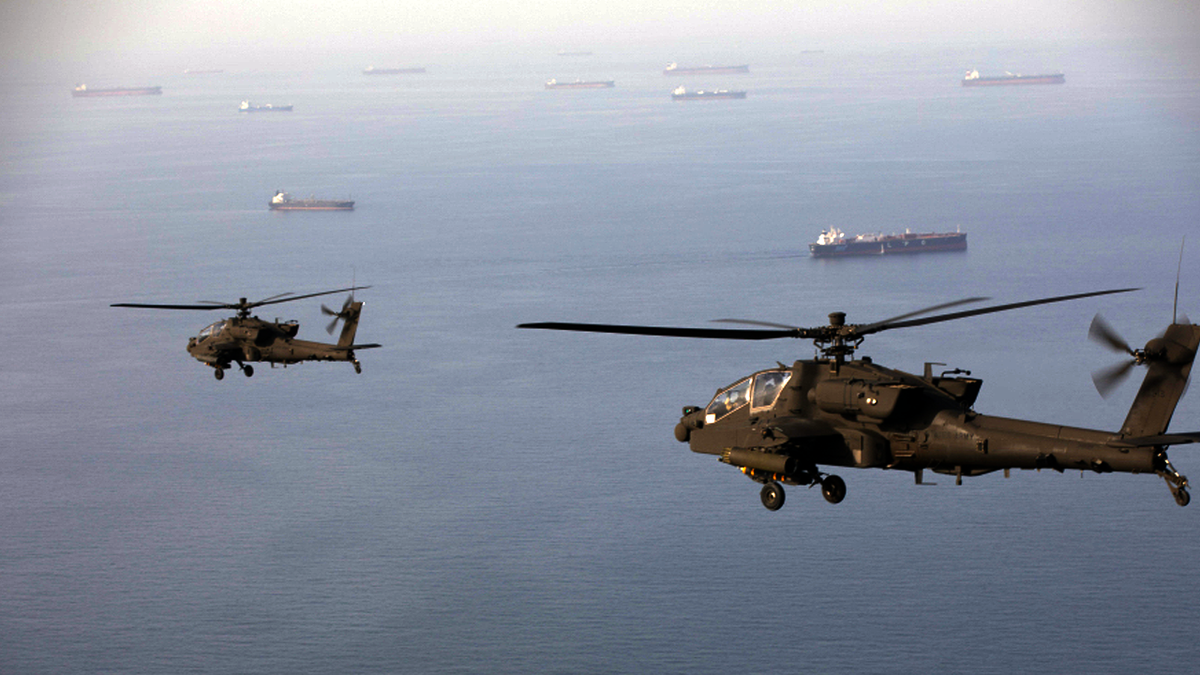
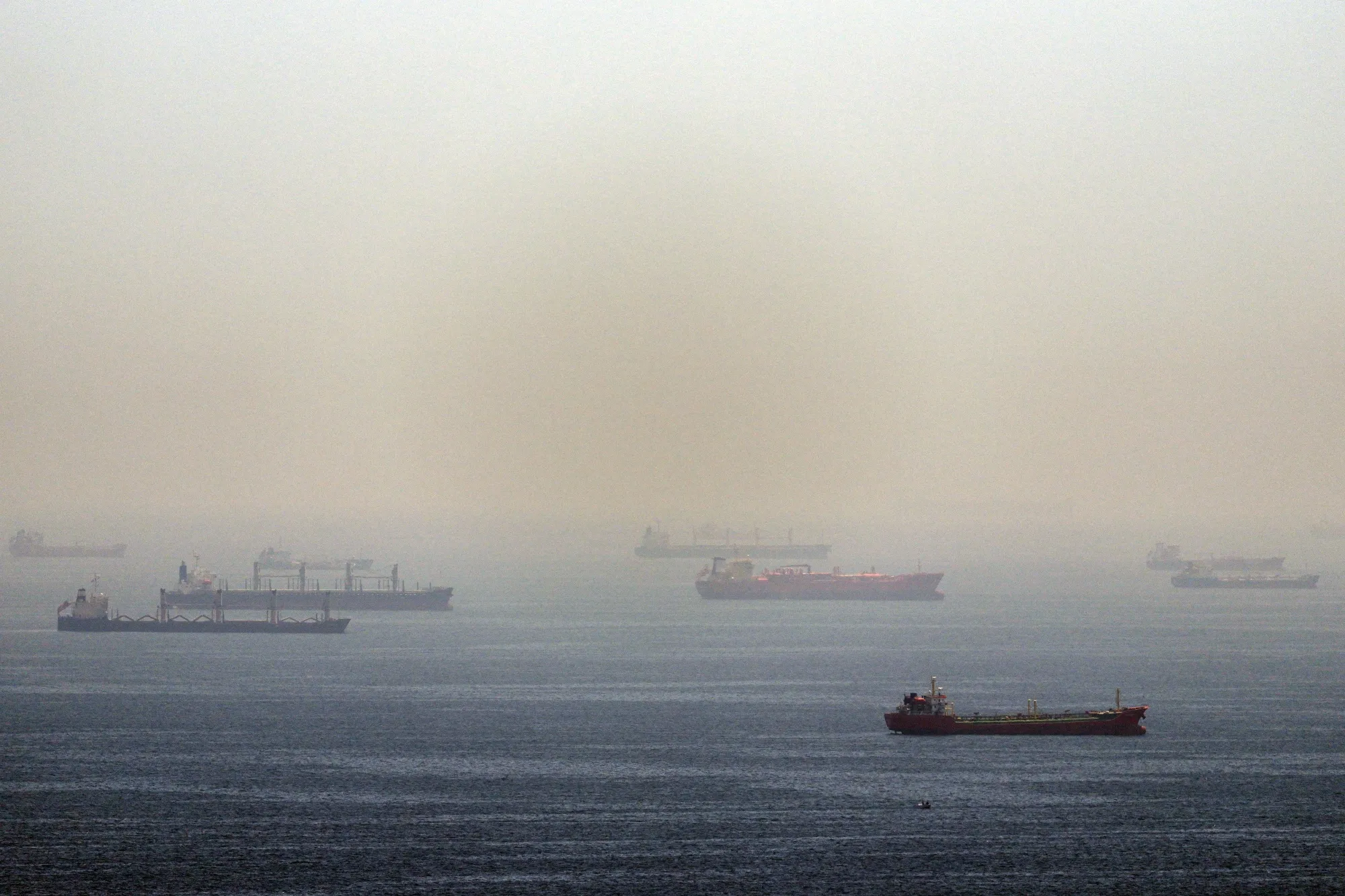
The closure of the Strait of Hormuz by Iran represents a critical geopolitical event with direct operational and financial implications for cross-border e-commerce sellers. The Strait handles approximately 21% of global petroleum annually, making it a critical chokepoint for international maritime trade. Iran's restriction of passage, combined with US naval blockade activities, is triggering immediate increases in ocean freight costs of 8-12% and extending shipping timelines by 2-3 weeks for sellers importing goods from Asia or exporting to Middle Eastern markets.
For Amazon FBA sellers and other cross-border merchants sourcing from China, Vietnam, India, and Southeast Asia, this geopolitical tension directly impacts fulfillment economics. Sellers shipping 1,000+ units monthly via ocean freight can expect additional costs of $200-400 per month, compressing profit margins by 3-5% on standard product categories. The impact is most acute for low-margin categories (electronics, home goods, apparel) where freight represents 8-15% of landed costs. High-margin luxury goods and collectibles experience less percentage impact but absolute cost increases remain significant.
Energy market tensions are cascading through logistics networks, with 3PL providers and freight forwarders already implementing fuel surcharges and route adjustments. Sellers relying on expedited shipping to Middle Eastern markets (UAE, Saudi Arabia, Qatar) face even steeper increases—some carriers reporting 15-20% premiums for Gulf region deliveries. The operational risk extends beyond cost: extended transit times compress inventory turnover, increase working capital requirements, and risk stockouts during peak selling seasons (Q4 holiday, Chinese New Year).
Strategic sourcing implications are emerging: sellers may accelerate diversification away from China-dependent supply chains toward Vietnam, India, and Indonesia to reduce Strait of Hormuz exposure. This represents a 6-12 month window for sellers to renegotiate supplier contracts, explore alternative sourcing regions, and optimize inventory positioning before competitors recognize the same opportunity. Sellers with existing Vietnam or India supplier relationships gain immediate competitive advantage through lower freight cost exposure.
The timing is critical—this disruption coincides with Q1 2025 inventory planning cycles. Sellers must immediately audit their freight cost structures, recalculate landed costs by sourcing region, and adjust pricing strategies to maintain margins. Failure to act within 30-60 days risks margin compression that could persist for 6+ months if geopolitical tensions escalate.
Questions 7
How much will my Amazon FBA shipping costs increase from the Strait of Hormuz closure?
Ocean freight costs are rising **8-12% immediately** due to the Strait of Hormuz closure and energy market tensions. For sellers shipping 1,000+ units monthly from Asia, this translates to **$200-400 additional monthly costs**. The impact varies by product category: low-margin electronics (8-15% freight ratio) see 3-5% margin compression, while higher-margin goods experience smaller percentage impacts. Expedited shipping to Middle Eastern markets faces even steeper increases of 15-20%. Monitor your freight forwarder's rate cards weekly, as surcharges are being applied retroactively to bookings made before the closure announcement.
What product categories are most vulnerable to freight cost increases?
**Low-margin, high-volume categories** are most vulnerable: electronics (5-8% margins), home goods (6-10% margins), and apparel (8-12% margins) where freight represents 8-15% of landed costs. A 10% freight increase compresses margins by 0.8-1.5 percentage points—devastating for sellers operating on thin margins. **High-margin categories** (collectibles, luxury goods, niche products with 30%+ margins) absorb freight increases more easily. Sellers should prioritize repricing in vulnerable categories within 14 days. Consider temporary promotions in high-margin categories to offset margin compression in freight-sensitive lines.