


Strait of Hormuz Shipping Crisis | Urgent Cost & Route Shifts for E-Commerce Sellers
- 65% traffic collapse (20 to 7 ships) triggers 6% oil surge; sellers face 8-15% shipping cost increases and 2-3 week delays on Asia-Middle East routes






Overview
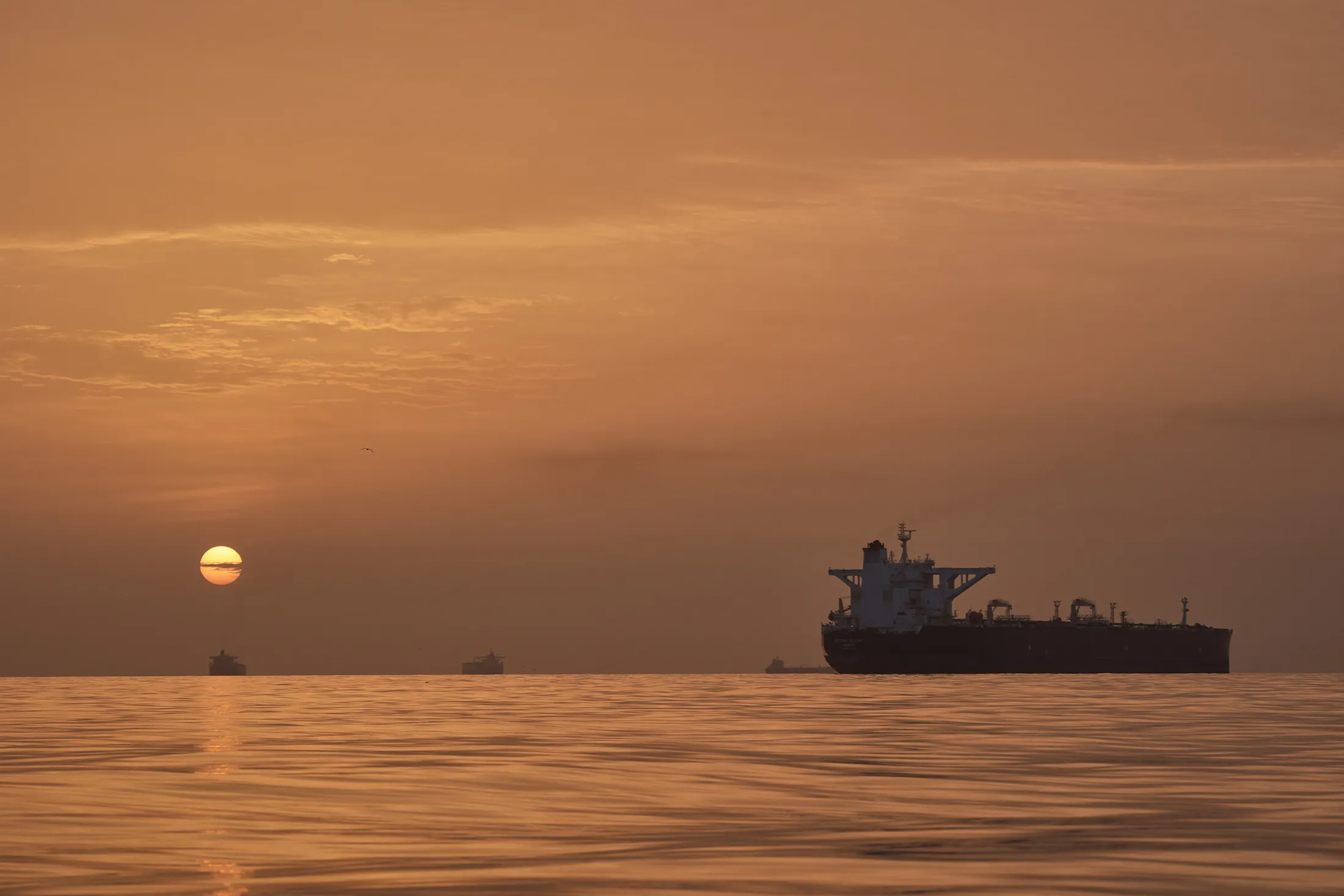
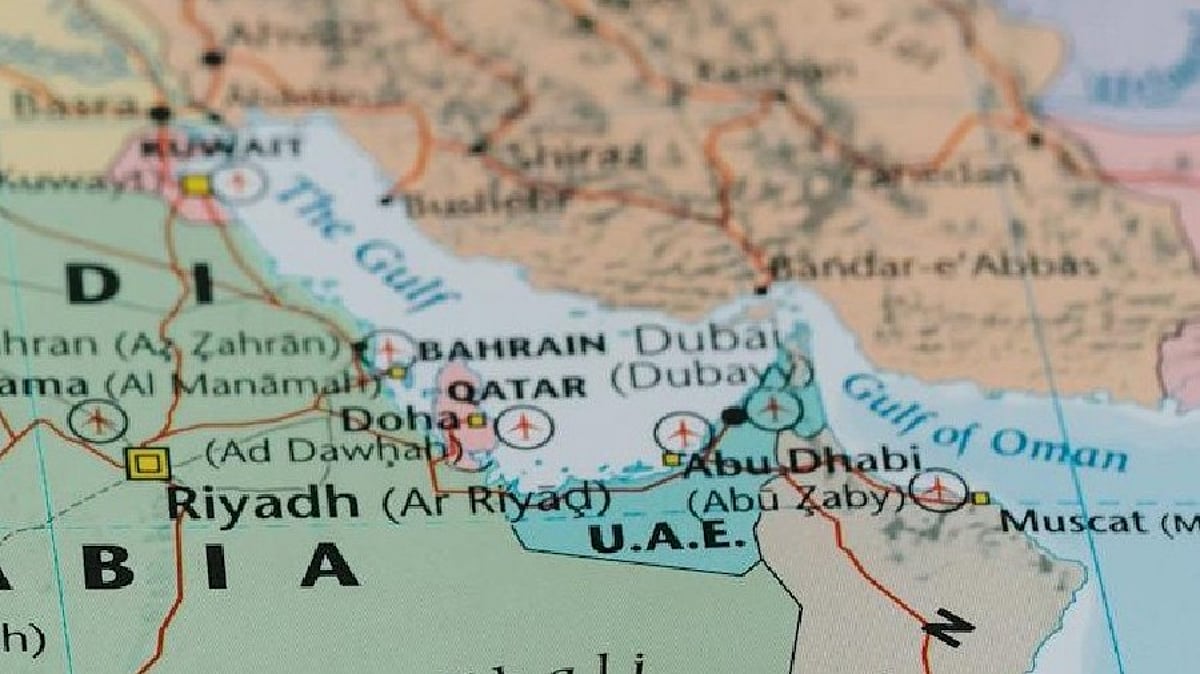
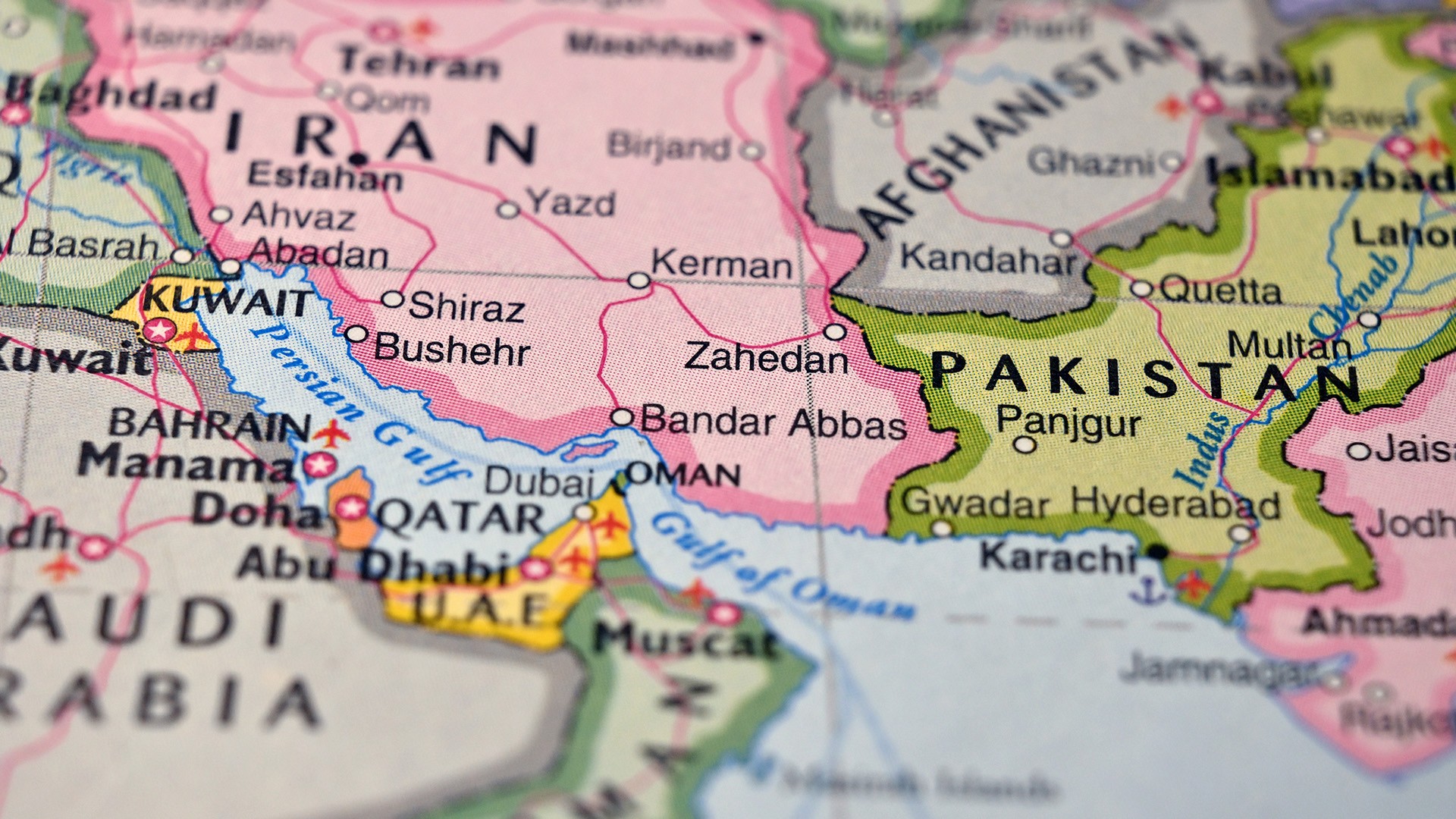
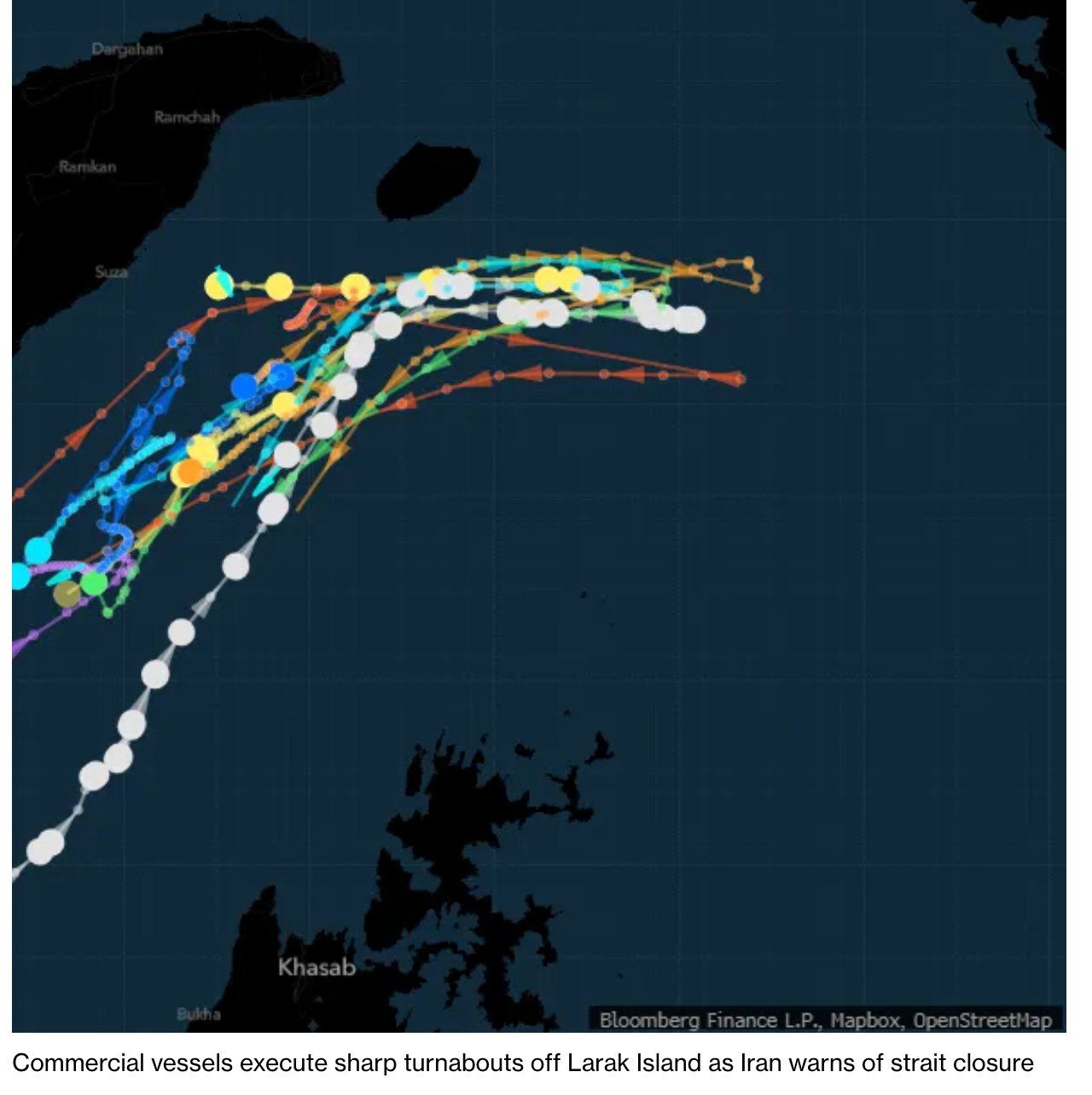
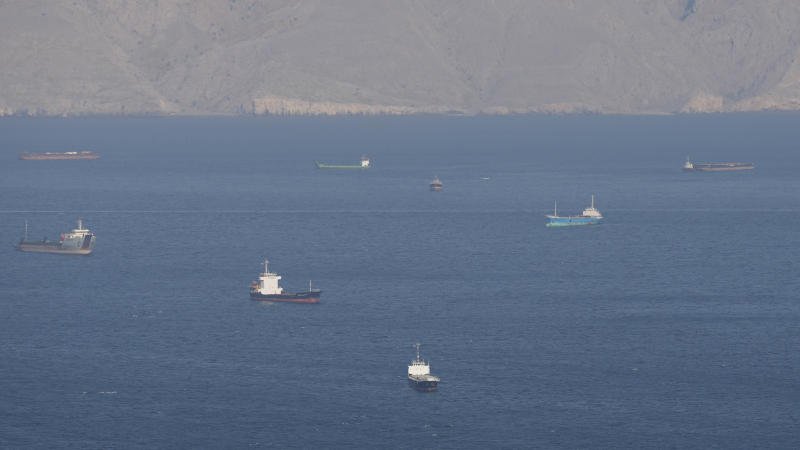
The Strait of Hormuz—handling 21% of global petroleum trade—experienced catastrophic maritime disruption following weekend military attacks, with container ship traffic plummeting 65% from Saturday's 20 vessels to Monday's 7 crossings. This geopolitical volatility directly impacts cross-border e-commerce sellers through three critical mechanisms: immediate shipping cost escalation, supply chain route restructuring, and inventory positioning urgency.
Shipping Cost Impact & Route Economics: Oil prices surged 6% Monday as traffic collapsed, directly inflating fuel surcharges on all maritime routes. For sellers shipping from Asia to Middle East/Europe, expect 8-15% cost increases on ocean freight ($0.85-1.25/kg vs. baseline $0.75/kg) and 12-18% premiums on air freight ($4.50-5.50/kg vs. $3.80/kg) as carriers divert through longer alternative routes (Suez Canal via East Africa adds 4-6 days and $800-1,200 per 20ft container). Sellers shipping high-value electronics, fashion, or time-sensitive goods face compounding costs: ocean freight increases + extended transit times forcing air freight substitution + fuel surcharges on alternative carriers.
Sourcing & Inventory Repositioning Strategy: The unpredictable security environment demands immediate action. Sellers currently sourcing from India, Vietnam, and China for Middle Eastern markets should immediately shift 30-40% of Q1-Q2 inventory to pre-positioned warehouses in UAE (Dubai), Saudi Arabia, or Egypt before further disruptions. For products with 60-90 day lead times (electronics, home goods, apparel), lock in current ocean freight rates NOW—expect 15-20% rate increases within 2-3 weeks if tensions escalate. Sellers dependent on Indian-flagged vessels (directly targeted in attacks) face additional risk; diversify to Singapore, Hong Kong, or Malaysian carriers offering 2-3% cost premiums but superior security protocols.
Warehouse & Fulfillment Optimization: Consolidate inventory in Dubai (Jebel Ali Port) and Singapore (PSA terminals) rather than direct-to-customer ocean shipments. These hubs offer: (1) 48-72 hour customs clearance vs. 5-7 days through Hormuz-dependent routes, (2) access to regional 3PL networks reducing last-mile costs 12-18%, and (3) buffer capacity for demand volatility. For US/EU sellers, increase FBA inventory by 20-30% in US East Coast and EU warehouses before Q1 peak season—expect 2-3 week delays on Asia-sourced replenishment, making domestic stock critical for Buy Box retention and BSR stability.
Total Landed Cost Recalculation: A typical 40ft container from Shanghai to Dubai now costs $2,800-3,200 (vs. $2,400 baseline), plus 6-8 day delays. Air freight substitution for time-sensitive SKUs adds $4,500-6,000 per shipment. Sellers should model scenarios: (1) Accept 2-3 week delays and absorb 10% cost increase, or (2) Shift 40-50% volume to air freight at 35-40% cost premium. For $100K monthly inventory sellers, this represents $8K-12K monthly cost impact—justifying immediate warehouse repositioning and carrier diversification.
Questions 8
How do I protect my supply chain from future geopolitical disruptions?
Implement three-tier diversification: (1) Geographic sourcing—split orders 40% India/Vietnam, 30% China, 30% Southeast Asia to avoid single-region dependency; (2) Carrier diversification—use Singapore, Hong Kong, Malaysian carriers (2-3% premium) instead of India-flagged vessels; (3) Warehouse positioning—maintain 30-40% inventory in Dubai/Singapore regional hubs as buffer stock. For critical SKUs, establish dual-sourcing agreements with suppliers in different regions. Monitor geopolitical risk indices and shipping rate futures to anticipate disruptions 4-6 weeks ahead. Consider supply chain insurance covering political risk and shipping delays for high-value inventory.
What is the total landed cost impact for my business?
A 40ft container from Shanghai to Dubai now costs $2,800-3,200 (vs. $2,400 baseline), plus 6-8 day delays. Air freight substitution for time-sensitive SKUs adds $4,500-6,000 per shipment. Model two scenarios: (1) Accept 2-3 week delays and absorb 10% cost increase, or (2) Shift 40-50% volume to air freight at 35-40% cost premium. For $100K monthly inventory sellers, this represents $8K-12K monthly cost impact. Warehouse repositioning to Dubai/Singapore reduces total landed cost 5-8% through faster customs clearance and regional distribution efficiency.