



Middle East Shipping Crisis Reshapes E-Commerce Supply Chains | Urgent Sourcing Shifts for Asian-Dependent Sellers
- Container seizures in Gulf of Oman trigger 15-25% logistics cost increases; sellers sourcing from China face 2-4 week delivery delays; crude oil surge to $88.54/barrel compounds fulfillment expenses for 40K+ cross-border merchants








































Overview
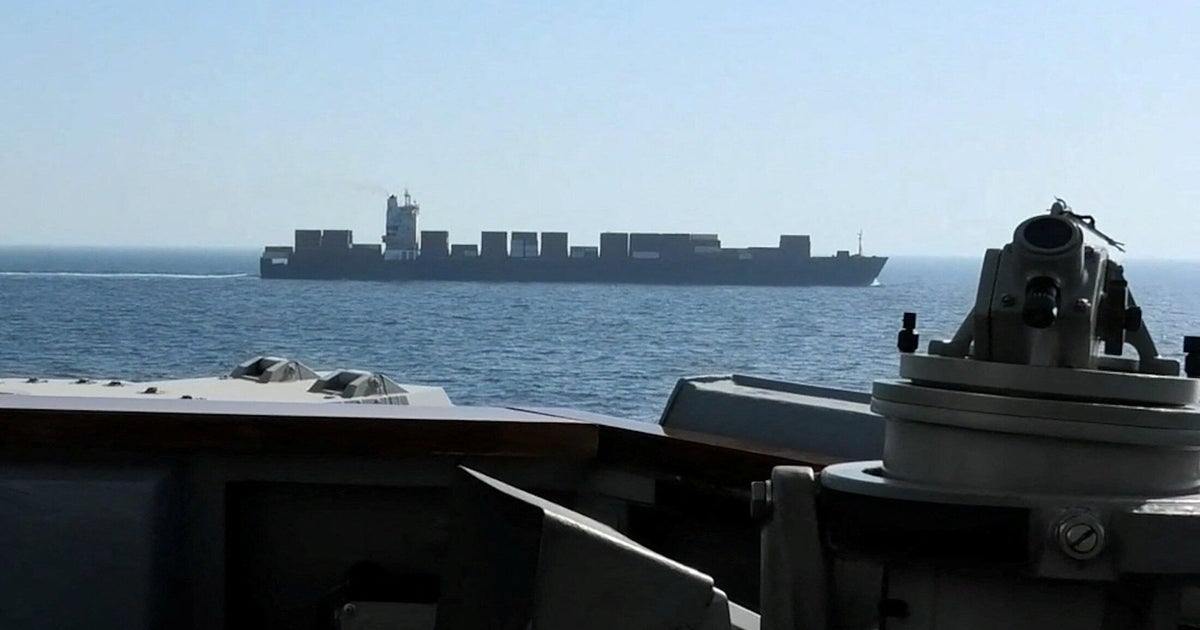
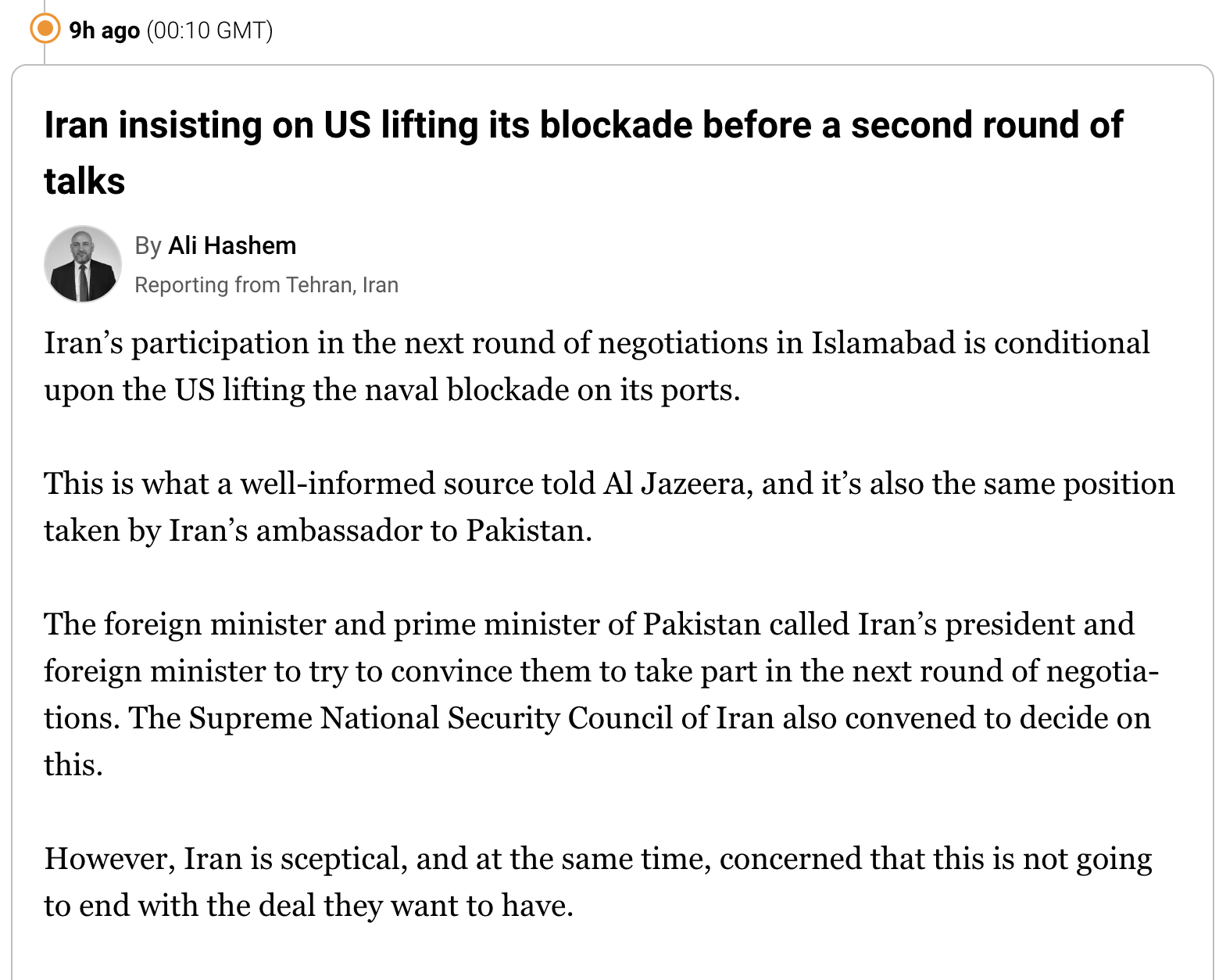
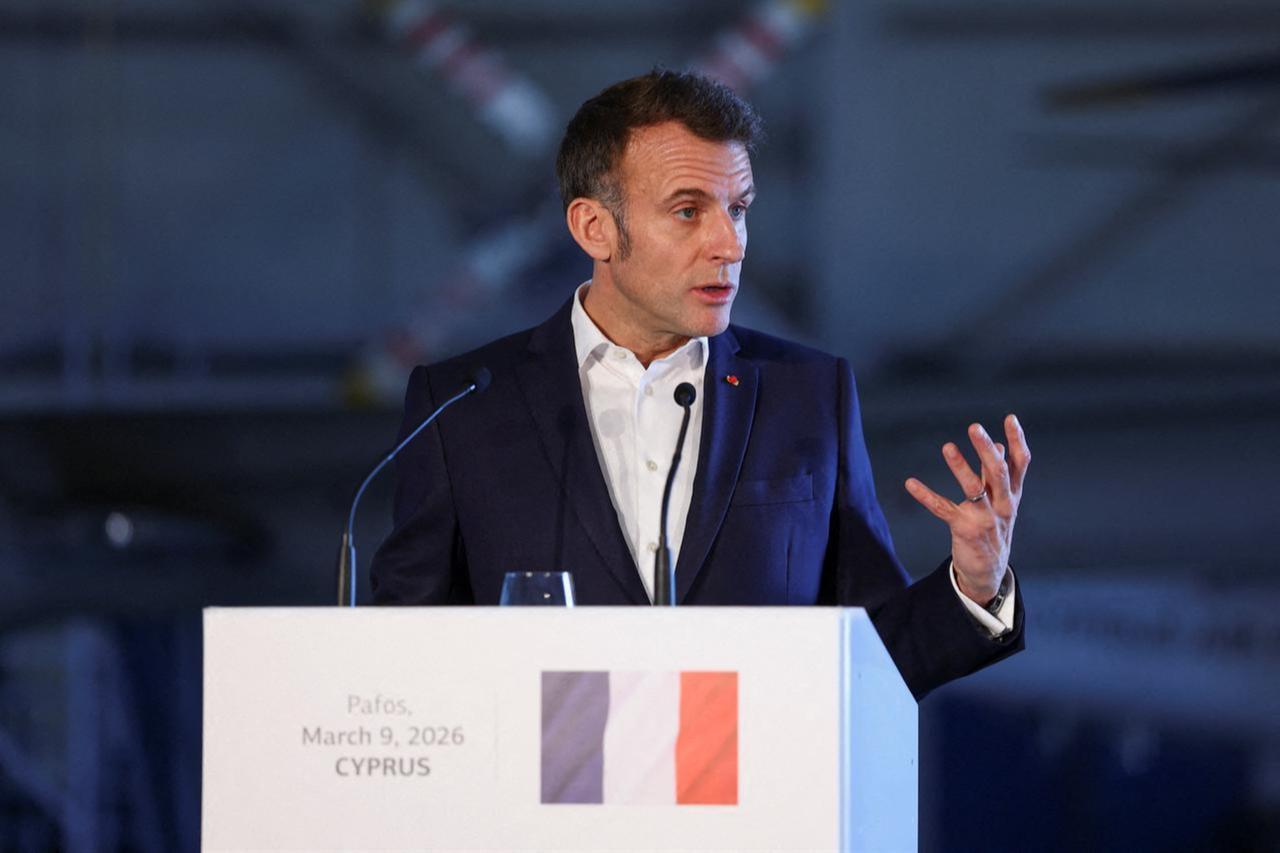
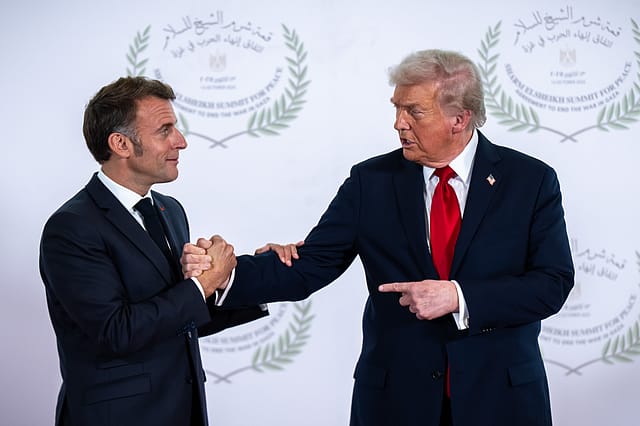
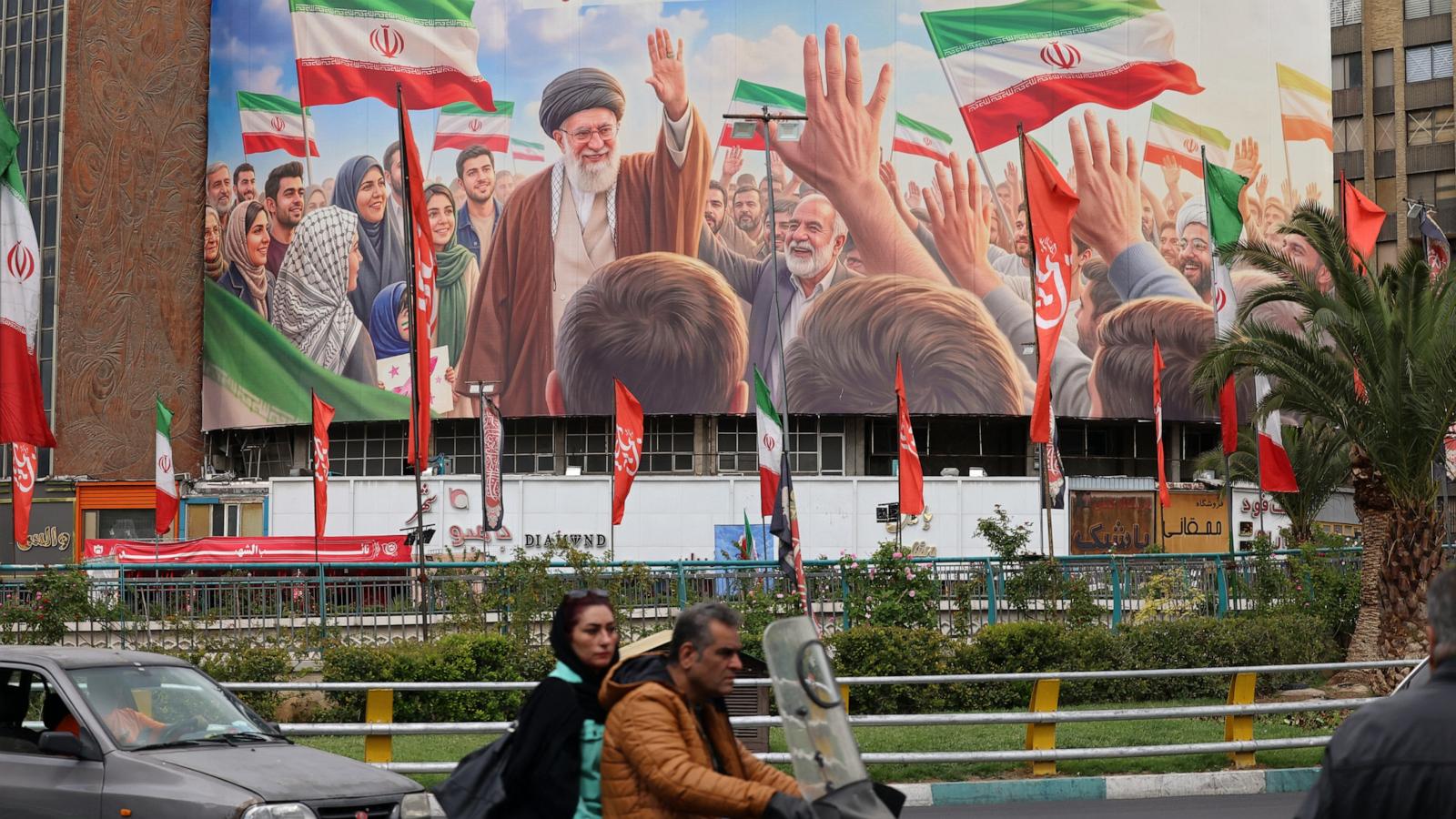
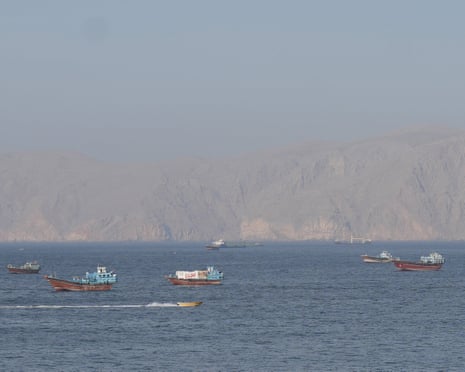
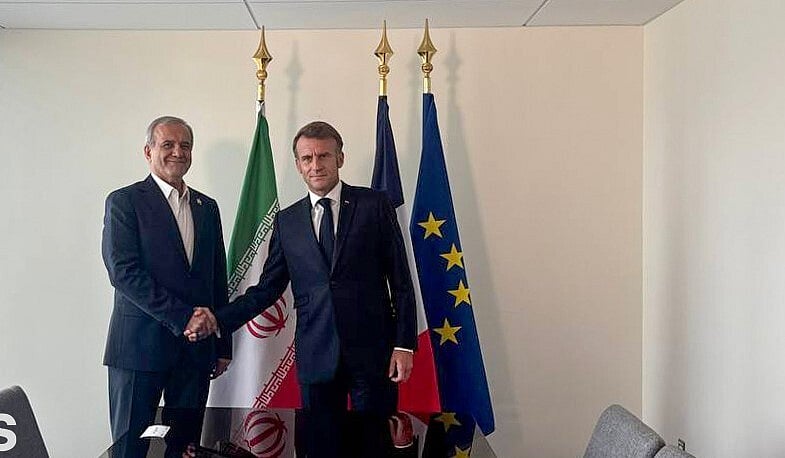
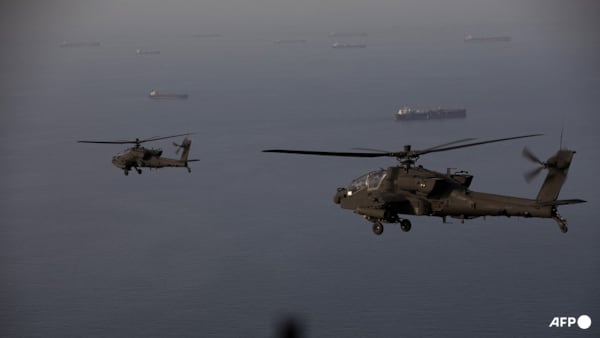
The escalating Iran-U.S. military conflict documented in Wall Street Journal coverage (April 20, 2026) presents a critical supply chain disruption for e-commerce sellers dependent on Asian manufacturing and Middle Eastern shipping corridors. President Trump's announcement of the first container ship seizure in the Gulf of Oman—targeting an Iranian-flagged vessel with frequent Chinese port visits—directly impacts the Asia-Pacific trade corridor that handles 60%+ of cross-border e-commerce inventory flows. The two-week ceasefire expiring Wednesday creates immediate uncertainty, with crude oil prices surging 5.59 points to $88.54/barrel and the VIX volatility index rising to 19.33, signaling heightened market risk.
For e-commerce sellers, the operational impact is severe and multifaceted. Container shipping through the Gulf of Oman now faces heightened seizure risks and mandatory route diversions, increasing logistics costs by an estimated 15-25% for sellers relying on this corridor. Sellers sourcing from Chinese manufacturers—particularly in electronics (HS codes 8471-8517), apparel (HS codes 6204-6209), and consumer goods (HS codes 9406-9406)—face 2-4 week delivery delays as vessels reroute around the Strait of Hormuz. The blockade threatens supply chain reliability for the estimated 40,000+ U.S.-based cross-border sellers and 25,000+ EU sellers dependent on Asian suppliers. Additionally, geopolitical instability creates secondary risks: potential sanctions could disrupt payment processing through international banking channels, trigger currency exchange volatility (affecting profit margins on foreign-sourced inventory), and complicate customs clearance procedures.
Strategic sourcing country shifts are already emerging as competitive opportunities. Sellers with established supply chains in Vietnam (electronics assembly, textiles), India (pharmaceuticals, apparel), and Indonesia (consumer goods) gain competitive advantages as buyers diversify away from China-dependent suppliers. The tariff arbitrage opportunity is significant: Vietnam's preferential trade status under CPTPP and India's GSP benefits create 8-12% cost advantages over China-sourced equivalents for certain categories. Small-to-medium sellers (SMBs) with flexible sourcing can capture market share from larger competitors locked into Chinese supply agreements. The timing window is critical—sellers who establish alternative sourcing relationships within 30-60 days will lock in supplier capacity before competitors recognize the shift, creating 6-12 month competitive advantages in cost structure and delivery reliability.
Questions 7
How can sellers calculate the true cost impact of the shipping crisis on their profit margins?
Calculate three cost components: (1) Logistics cost increase: multiply current container cost by 1.15-1.25 (15-25% increase) plus fuel surcharge at current crude oil price ($88.54/barrel = 8-12% surcharge); (2) Delay cost: estimate lost sales from 2-4 week delays using historical BSR velocity data; (3) Inventory carrying cost: multiply average inventory value by 2-4 week delay period at your cost of capital (typically 12-18% annually). Example: $10,000 container cost × 1.20 = $12,000 (+$2,000); 2-week delay on $50,000 inventory at 15% annual cost = $288 carrying cost. Total impact: $2,288 per container, or 4-8% margin compression for sellers with 10-20% net margins. Sellers should model scenarios at $85, $90, and $95 crude oil prices to stress-test profitability.
How should sellers adjust their 3PL and fulfillment strategies during the shipping crisis?
Sellers should immediately contact their 3PL providers to map alternative routing options avoiding the Strait of Hormuz. The blockade creates 2-4 week delays on standard Asia-Pacific routes, making air freight economically viable for high-margin categories (electronics, luxury goods, time-sensitive inventory). Calculate the cost-benefit: air freight costs 4-6x ocean freight but eliminates 2-4 week delays. For Amazon FBA sellers, consider splitting inventory across multiple fulfillment centers to reduce dependency on single-source replenishment. Monitor crude oil prices daily—at $88.54/barrel, fuel surcharges on ocean freight will increase 8-12% monthly, making air freight increasingly competitive for margin-positive categories.