






Strait of Hormuz Closure Drives 5-6% Oil Surge | Cross-Border Seller Logistics Crisis
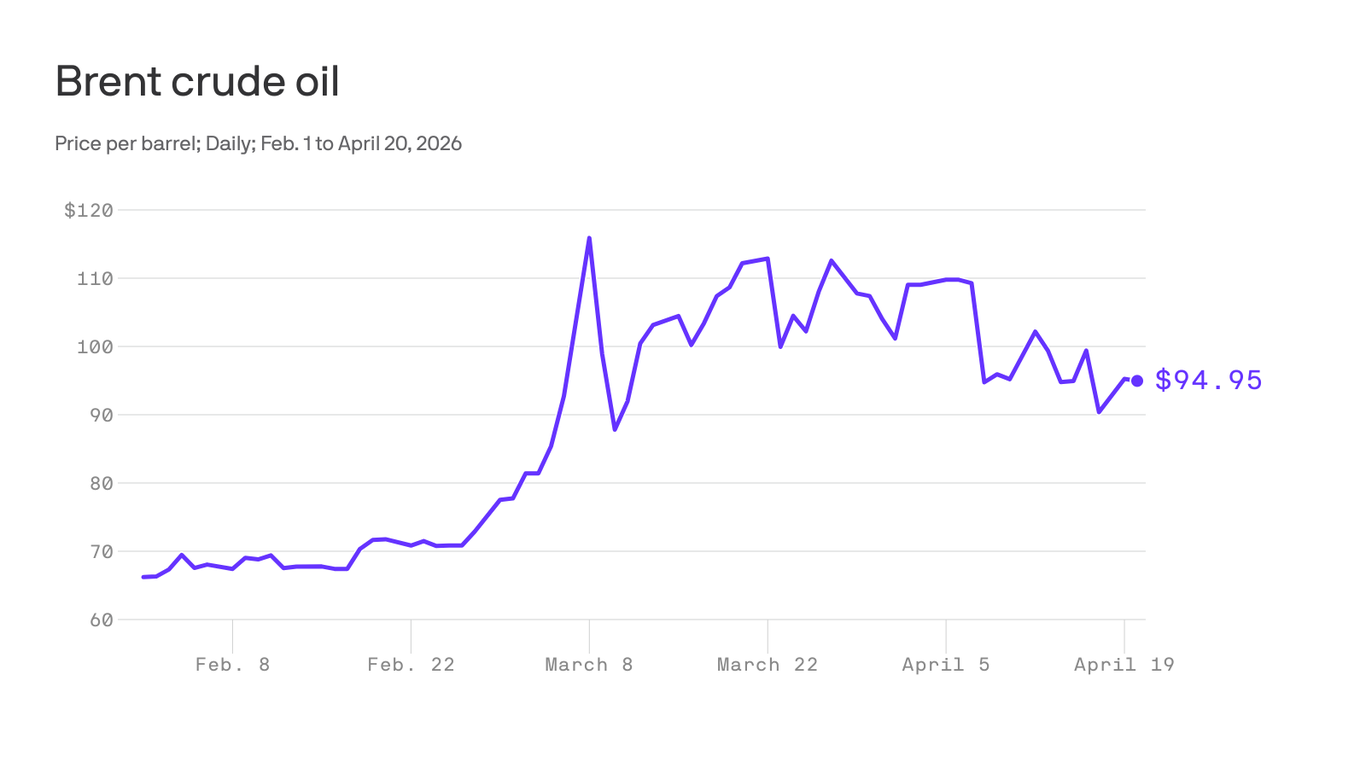
- Brent crude jumps to $95/barrel; shipping costs surge 8-15% for Asia-to-US routes; helium/urea shortages threaten electronics and agricultural sellers by Q2 2026

























Overview
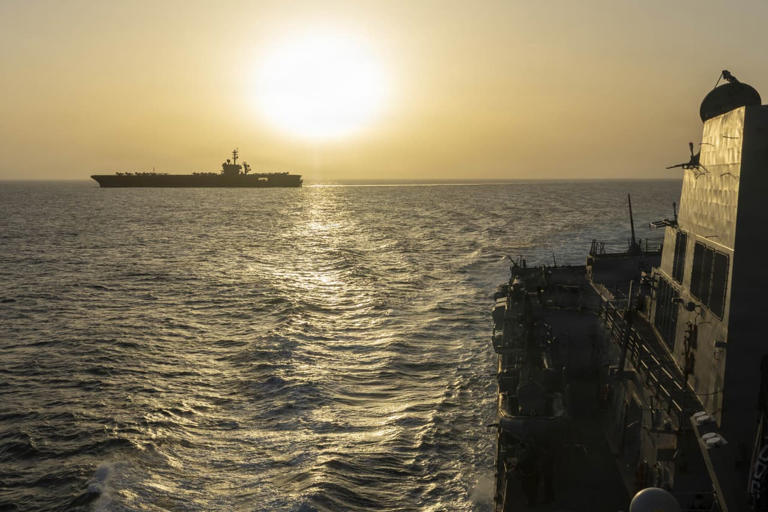
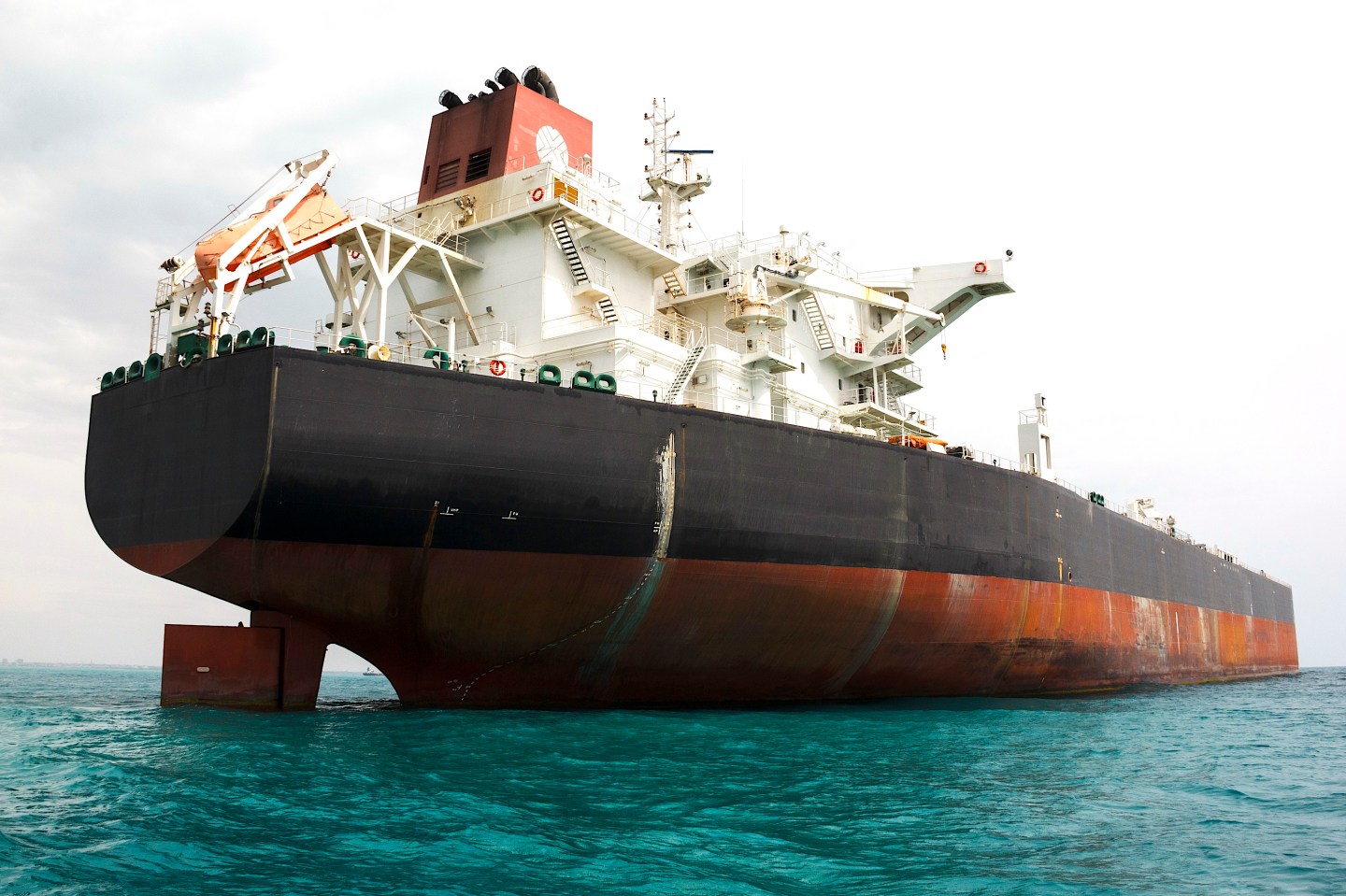
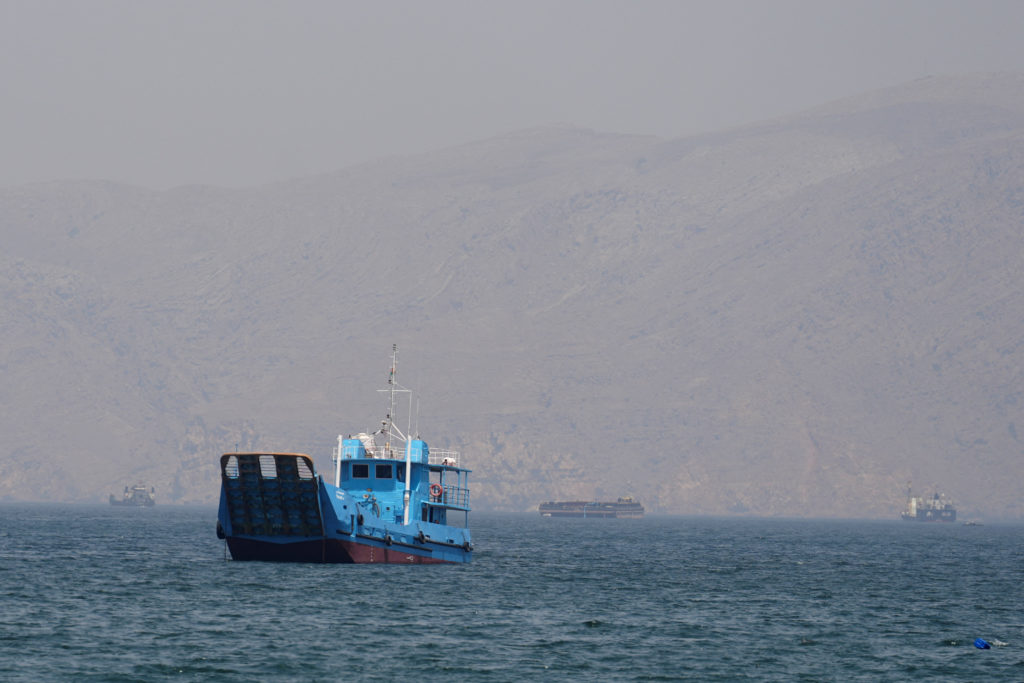
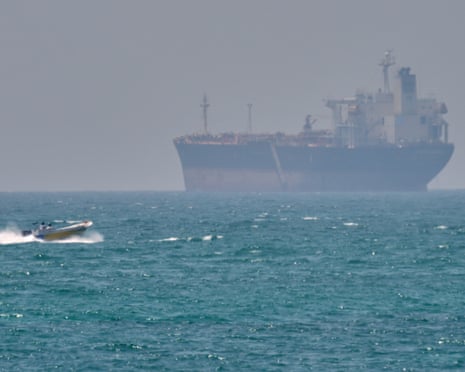
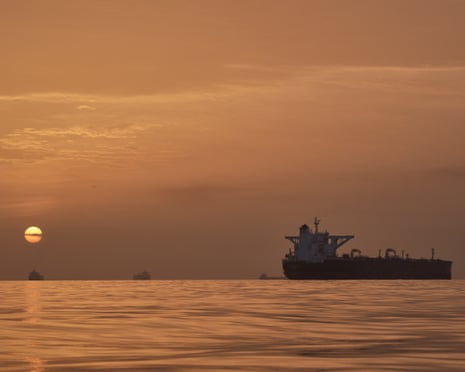
CRITICAL SUPPLY CHAIN ALERT FOR CROSS-BORDER SELLERS: Escalating U.S.-Iran tensions have triggered a 5-6% oil price surge (Brent crude to $95/barrel, WTI to $88/barrel) and closure of the Strait of Hormuz—a chokepoint handling 21% of global petroleum trade. The ceasefire agreement expires this week, creating immediate uncertainty for international logistics networks. This geopolitical crisis directly impacts e-commerce sellers through three critical mechanisms: (1) Shipping Cost Inflation: Ocean freight rates from Asia to North America and Europe are projected to increase 8-15% within 2-3 weeks as carriers reroute around the Persian Gulf and add fuel surcharges. Sellers shipping 500+ units monthly via FBA or 3PL providers will face $150-400 additional monthly costs. (2) Critical Input Shortages: Beyond oil, the disruption threatens helium supplies (essential for semiconductor manufacturing) and urea (fertilizer precursor), directly impacting electronics sellers sourcing chips from Asia and agricultural product distributors. JPMorgan commodities analysts confirm "structurally, nothing has improved," signaling prolonged supply constraints. (3) Inventory Transit Delays: Sellers with inventory currently transiting Middle Eastern routes face 7-14 day delays and potential rerouting expenses, affecting Amazon FBA replenishment cycles and inventory velocity metrics.
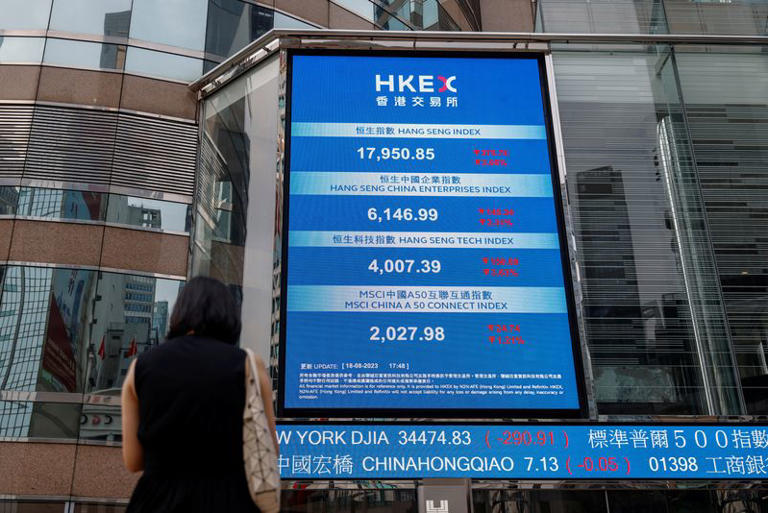
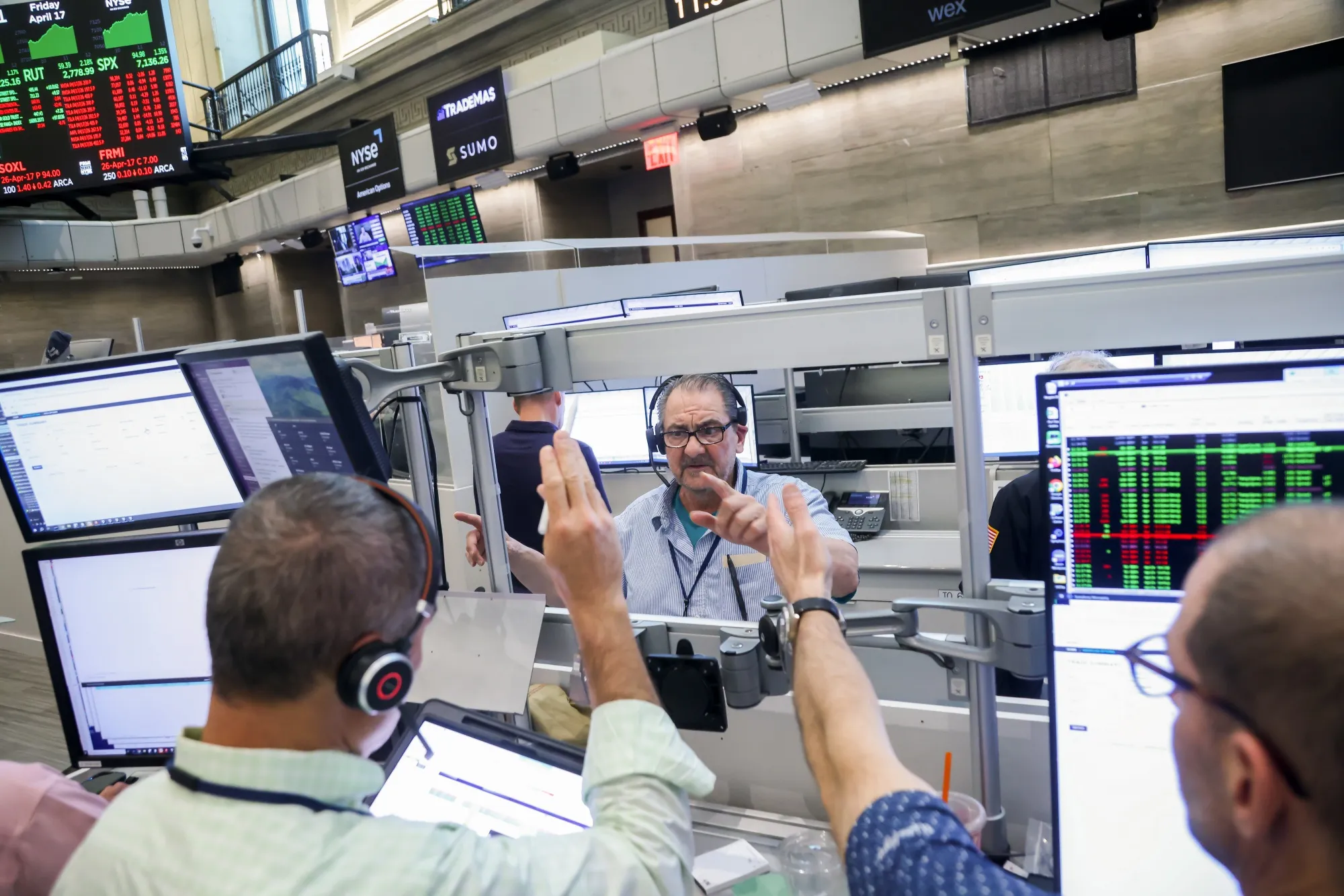
COMPETITIVE ADVANTAGE WINDOW: Small and medium sellers (SMBs) with inventory already positioned in US/EU fulfillment centers gain temporary competitive advantage over larger competitors still managing Asia-based supply chains. Sellers can capitalize on this 2-4 week window before competitors adjust pricing. However, this advantage erodes as supply chain costs normalize. STRATEGIC SOURCING SHIFT: The crisis accelerates sourcing diversification away from China/Asia toward Vietnam, India, and Mexico—regions with lower exposure to Middle Eastern logistics routes. Sellers should evaluate alternative suppliers now, as competitors will follow within 30-45 days. MARKET DEMAND DYNAMICS: European refineries are reducing oil purchases due to high costs, creating demand destruction in European e-commerce markets. This suggests sellers should reduce inventory commitments to EU warehouses and prioritize North American fulfillment. Technology stocks (semiconductor ETF SOXX) showed resilience with a 14-day winning streak despite market declines, indicating investor confidence in chip supply recovery—but this masks underlying helium shortage risks that will materialize in Q2 2026. TIMING WINDOW: The fragile ceasefire expires this week (April 22, 2026), creating a critical decision point. If negotiations fail, expect 10-20% additional shipping cost increases and 3-4 week delays on Asia-origin shipments. If ceasefire holds, costs stabilize within 2-3 weeks. Sellers must act within 5-7 days to lock in current shipping rates before carriers implement fuel surcharges.
Questions 8
What sourcing countries should I evaluate to avoid Middle East logistics exposure?
Vietnam, India, and Mexico offer the lowest exposure to Middle Eastern logistics routes and are experiencing accelerated adoption by cross-border sellers. Vietnam's manufacturing costs are 5-10% higher than China but avoid Strait of Hormuz transit entirely. India offers similar advantages for electronics and textiles. Mexico provides the fastest routes to North America (7-10 days vs. 25-30 days from Asia). Competitors will evaluate these alternatives within 30-45 days, so early movers gain 2-3 month sourcing advantage. Evaluate at least 2-3 alternative suppliers per category before the ceasefire deadline expires this week.
How long will the Strait of Hormuz closure impact my supply chain?
The ceasefire agreement expires this week (April 22, 2026), creating a critical decision point. If negotiations succeed, shipping costs stabilize within 2-3 weeks and delays resolve within 4-6 weeks. If ceasefire fails, expect prolonged disruption lasting 8-12 weeks with sustained 10-20% shipping cost premiums. Current inventory in transit faces 7-14 day delays and potential rerouting expenses. Monitor ceasefire negotiations daily and prepare contingency plans for both scenarios. Lock in shipping rates immediately before carriers implement additional fuel surcharges.