





Strait of Hormuz Crisis Drives 5-15% Shipping Cost Surge for Cross-Border Sellers
- Oil prices spike to $94/barrel amid US-Iran conflict; logistics costs rise for Asia-to-US and Middle East trade routes through April 2026







Overview
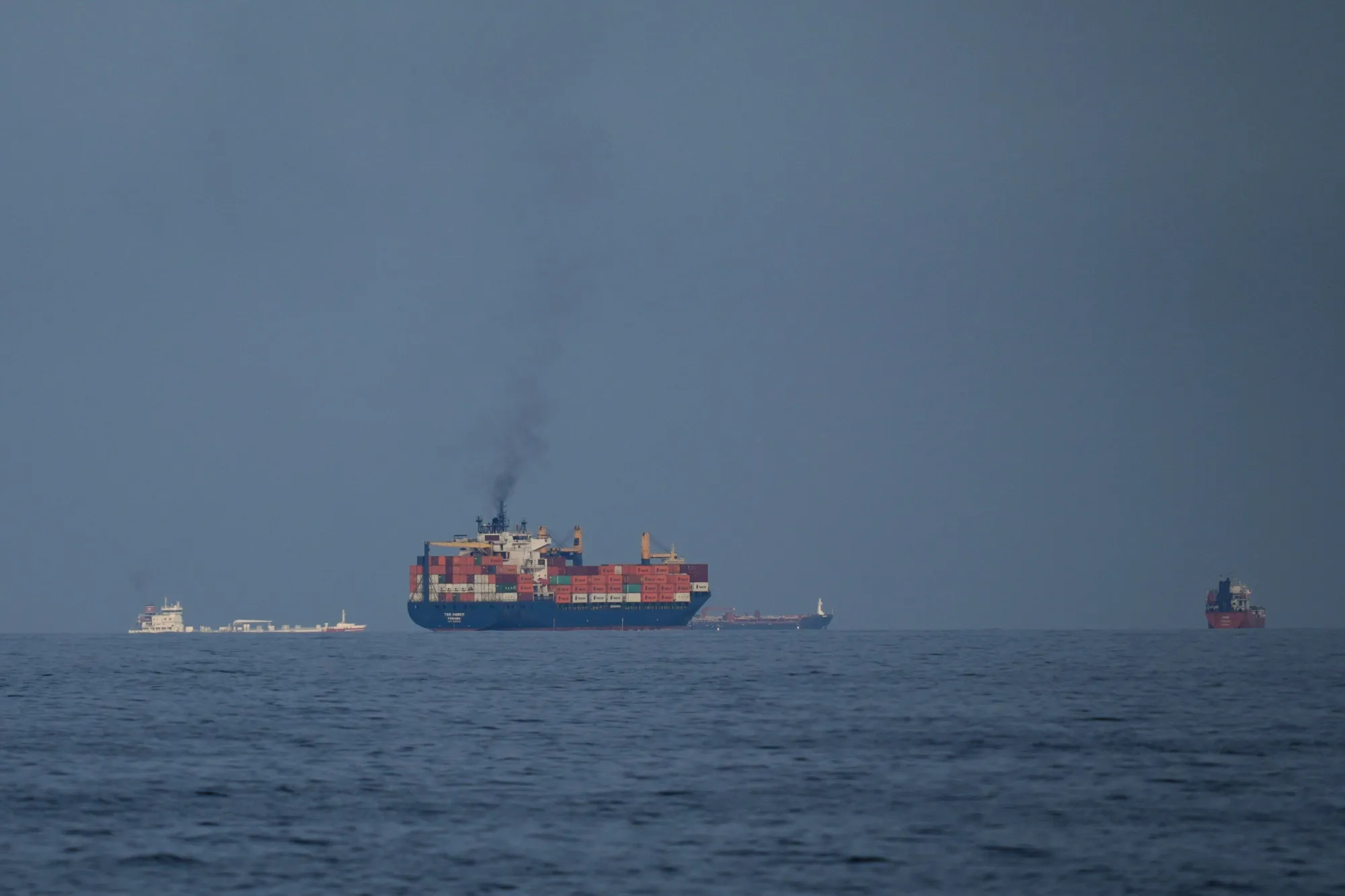
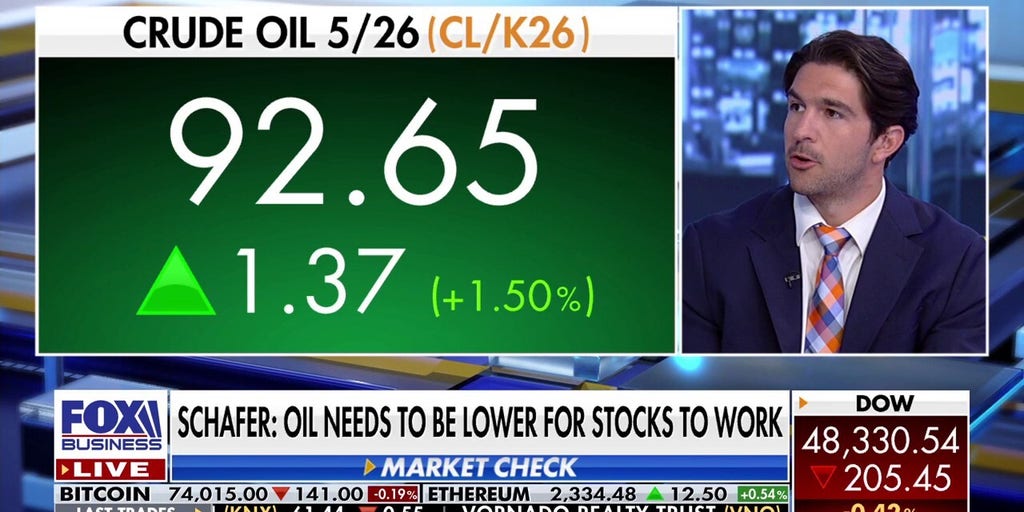
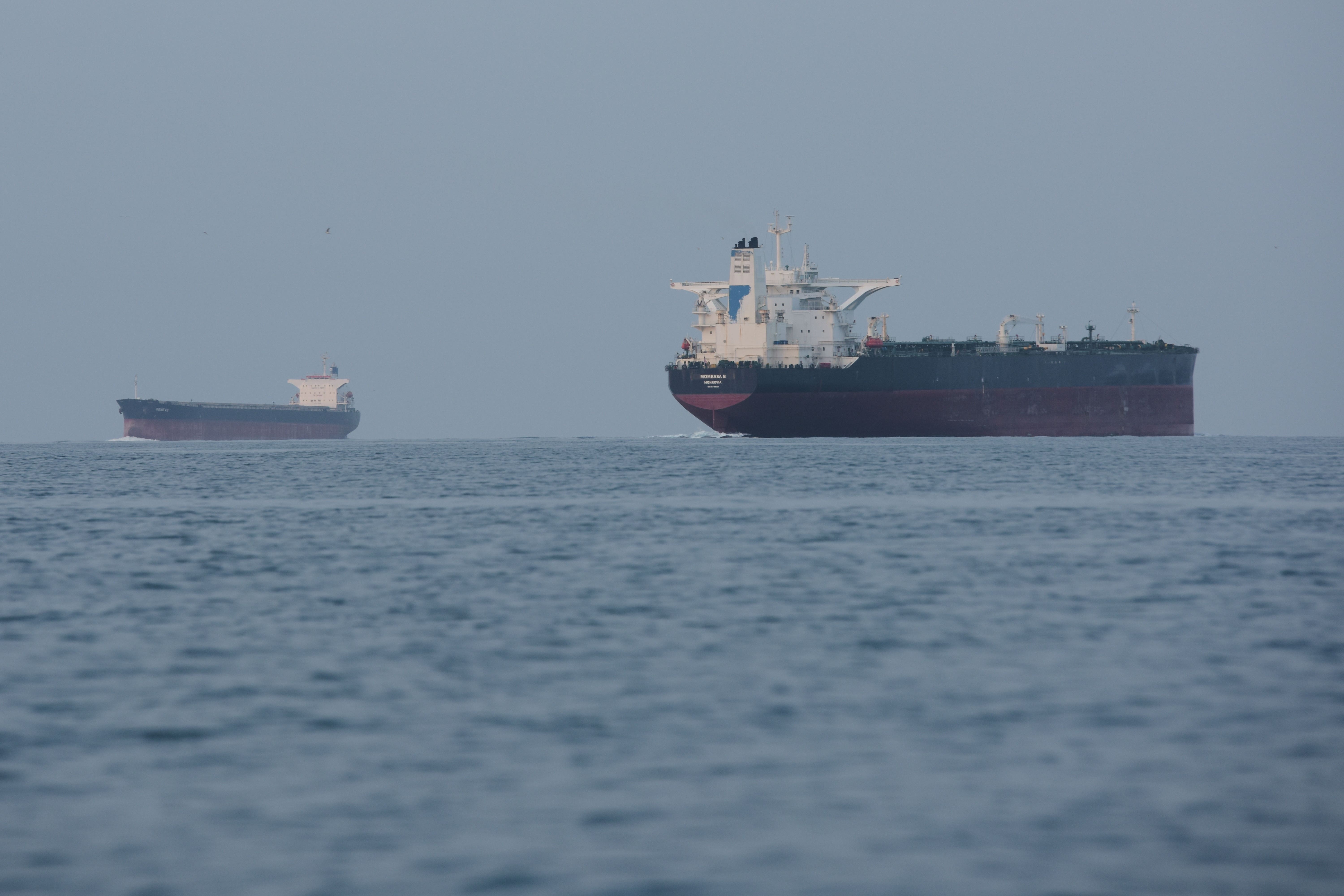
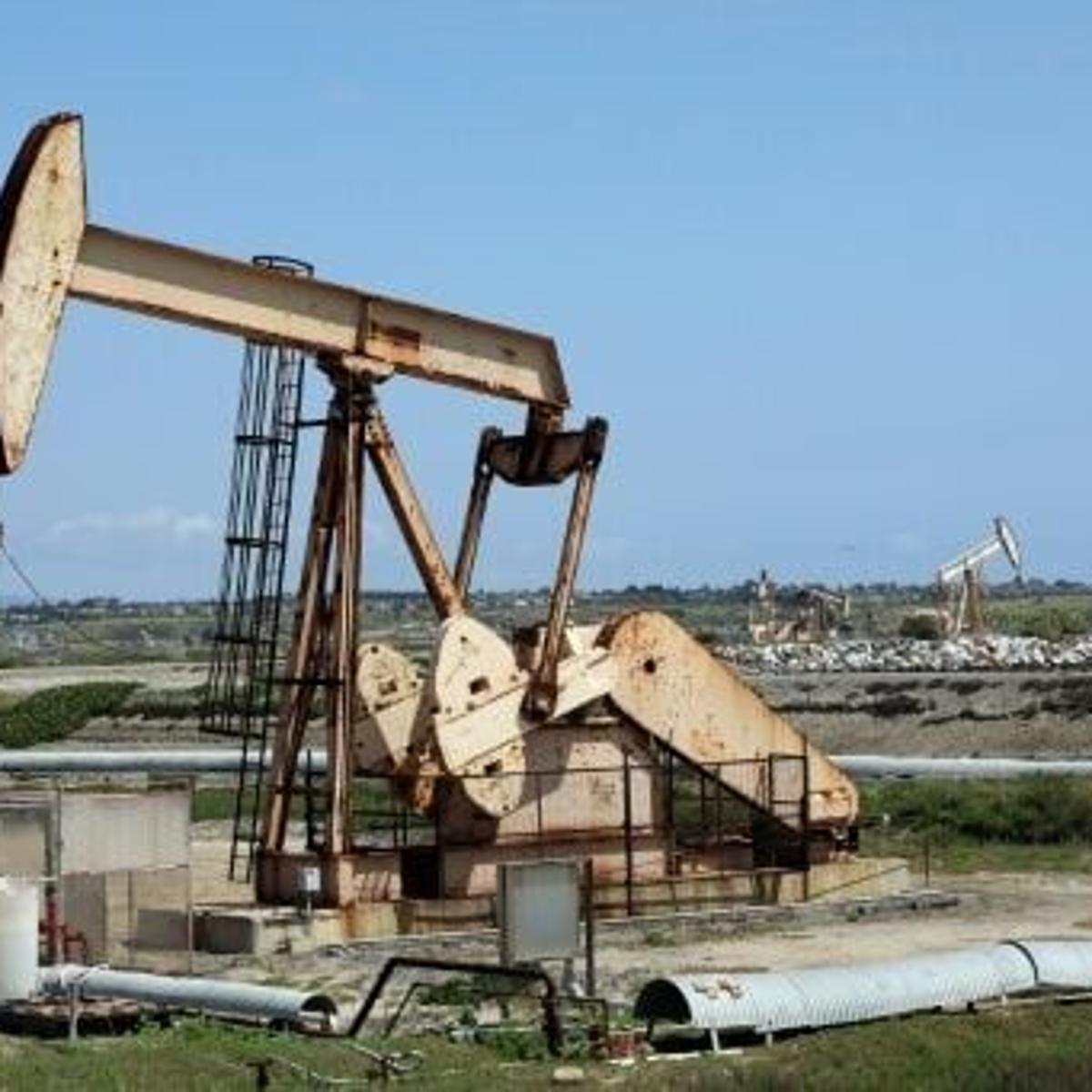
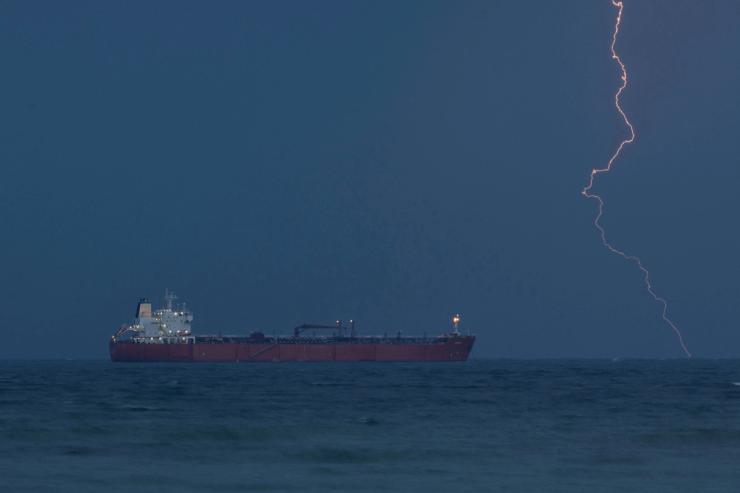
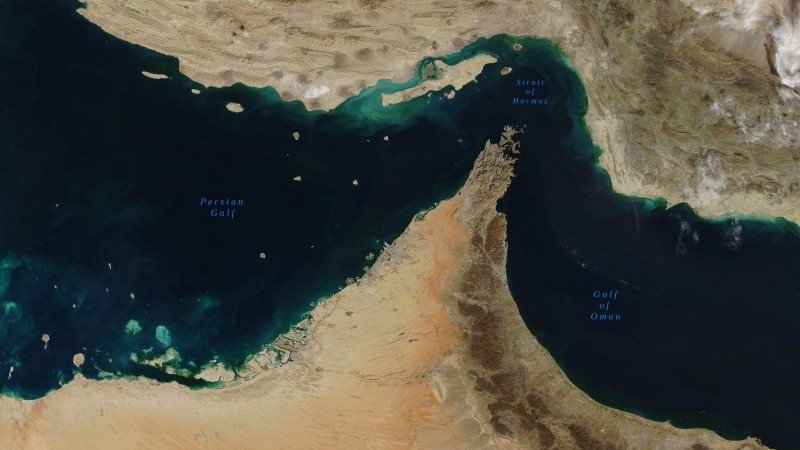
The April 19-20, 2026 escalation in the Strait of Hormuz—where the US Navy seized an Iranian cargo ship and Iran attacked Indian-flagged vessels—has created an immediate logistics cost crisis for cross-border e-commerce sellers. Brent crude surged to $94/barrel (4%+ increase) while West Texas Intermediate climbed to $88/barrel, with Energy Secretary Chris Wright warning US gas prices could remain at $3+ per gallon through 2025. This disruption directly impacts the 20% of global oil trade flowing through this critical waterway, translating to 5-15% shipping cost increases for sellers importing goods from Asia or exporting to Middle Eastern markets.
Immediate Logistics Impact: Sellers relying on ocean freight from China, Vietnam, India, and Southeast Asia face extended transit times and fuel surcharges. Container shipping rates from Shanghai to Los Angeles typically cost $1,500-2,500; current disruptions add $200-400 per container in emergency fuel surcharges. For sellers moving 50+ containers monthly, this represents $10,000-20,000 in additional monthly costs. Air freight alternatives cost 4-6x ocean rates, making them viable only for high-margin products (electronics, luxury goods, time-sensitive inventory). Sellers with inventory in transit face 2-4 week delays, directly impacting Amazon FBA replenishment cycles and Buy Box eligibility.
Supply Chain Vulnerability: The crisis exposes sourcing concentration risk. Sellers dependent on single-source suppliers in Asia face inventory shortages as alternative routing through the Suez Canal (longer, more expensive) or air freight becomes necessary. Packaging material suppliers—particularly plastic film and corrugated box manufacturers reliant on petrochemical inputs—face 8-12% cost increases as crude oil prices spike. This cascades to sellers in apparel, electronics, and home goods categories where packaging represents 5-8% of COGS. Treasury Secretary Bessent's optimistic summer relief prediction provides a 3-4 month window before potential cost normalization, but cease-fire uncertainty (set to expire within days per reports) creates unpredictable timelines.
Competitive Segmentation: Large sellers with established 3PL networks and pre-positioned inventory in US fulfillment centers weather this crisis better than small/medium sellers (SMBs) relying on just-in-time inventory. Amazon FBA sellers face storage fee penalties if inventory velocity slows due to delayed replenishment. Sellers in time-sensitive categories (fashion, seasonal goods, electronics) experience margin compression as delivery windows extend, reducing customer satisfaction and increasing return rates. Conversely, sellers of durable goods with longer shelf lives and lower velocity requirements face less acute pressure. Middle Eastern market exporters face the opposite problem—reduced shipping capacity and higher costs make exporting to Gulf states less profitable, potentially opening opportunities for regional sellers to capture market share.
Questions 7
How much will shipping costs increase for sellers importing from Asia due to the Strait of Hormuz crisis?
Shipping costs are rising 5-15% depending on route alternatives and product urgency. Ocean freight from Shanghai to Los Angeles typically costs $1,500-2,500 per container; current fuel surcharges add $200-400 per container. For sellers moving 50+ containers monthly, this represents $10,000-20,000 in additional monthly costs. Air freight alternatives cost 4-6x ocean rates, making them viable only for high-margin products. The crisis began April 19-20, 2026, with cease-fire negotiations uncertain, creating unpredictable timelines through at least summer 2026 when Treasury Secretary Bessent predicts potential relief.
Which e-commerce seller segments are most vulnerable to the Hormuz shipping disruption?
Small and medium sellers (SMBs) relying on just-in-time inventory face the greatest vulnerability, as they lack pre-positioned inventory in US fulfillment centers and established 3PL networks. Amazon FBA sellers experience additional pressure from storage fee penalties if inventory velocity slows due to delayed replenishment. Time-sensitive categories—fashion, seasonal goods, electronics—suffer margin compression as delivery windows extend, reducing customer satisfaction and increasing return rates. Conversely, sellers of durable goods with longer shelf lives and lower velocity requirements face less acute pressure. Sellers exporting to Middle Eastern markets face reduced shipping capacity and higher costs, potentially losing market share to regional competitors.