



Seismic Disruption Exposes Critical Supply Chain Vulnerabilities in Japan's Northeast
- Repeated Earthquakes Highlight Urgent Need for Adaptive Logistics Resilience







Overview
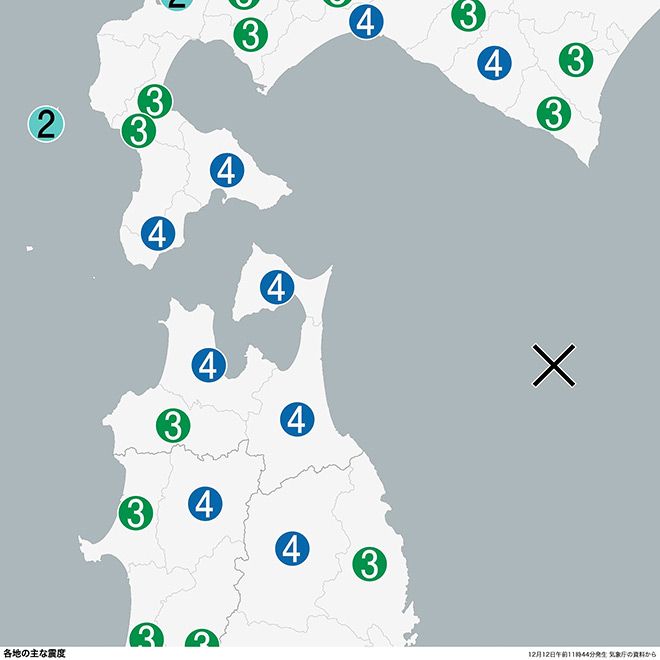
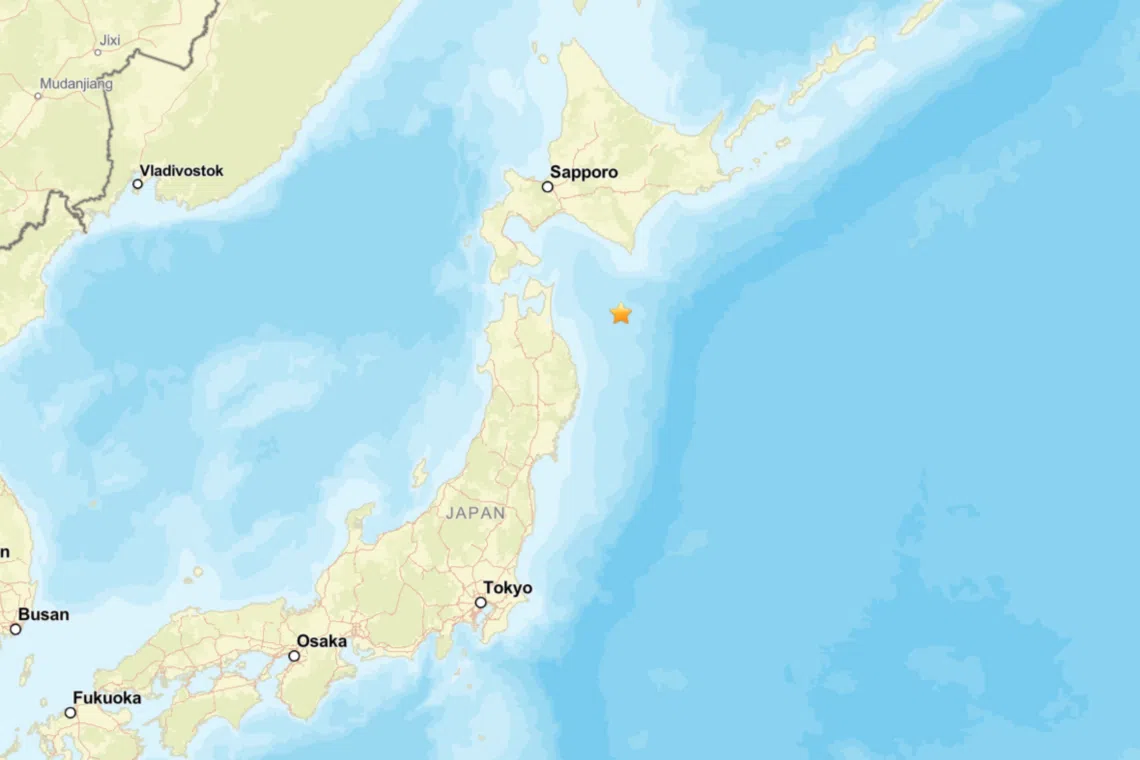
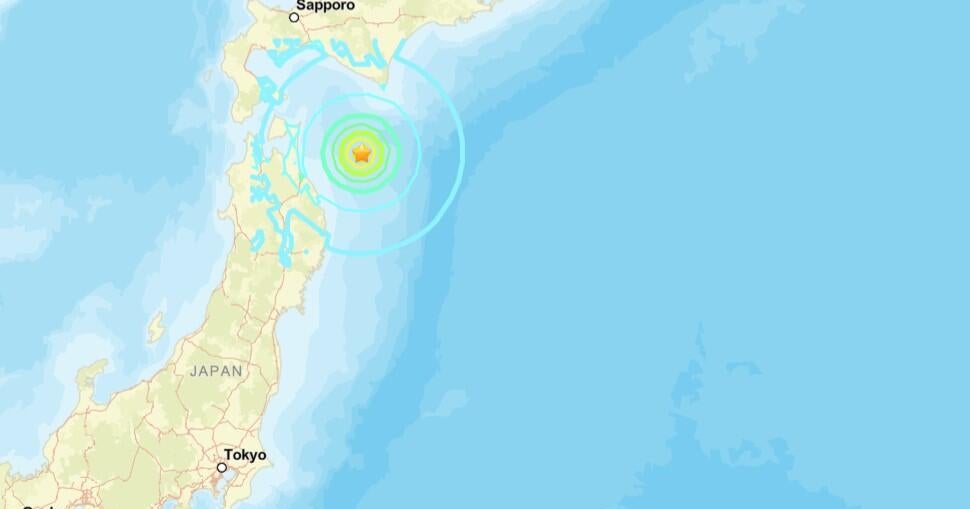
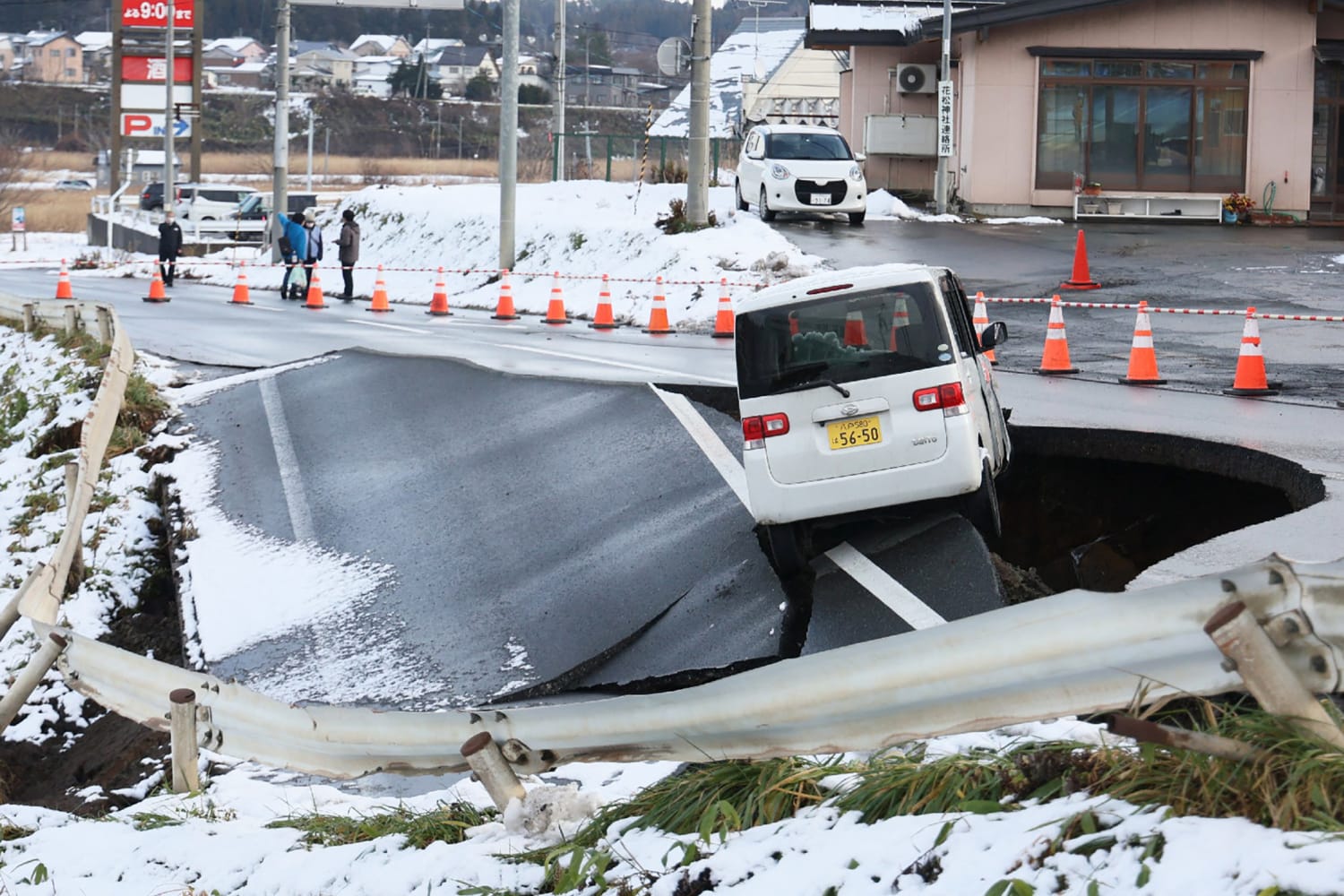
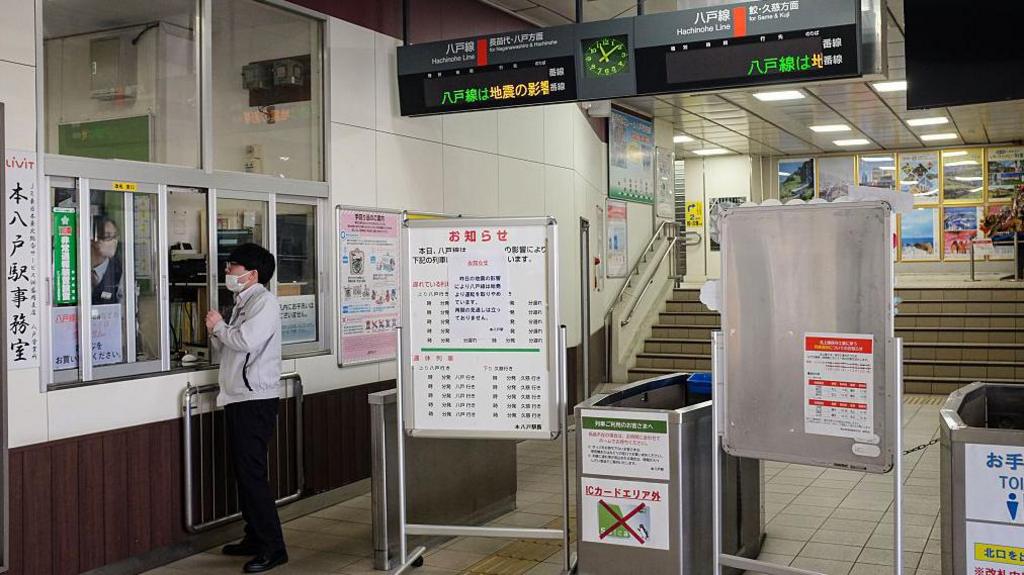
The recent seismic events in northeastern Japan reveal a critical inflection point for regional logistics and disaster preparedness strategies. Within just days, two significant earthquakes—a magnitude 7.5 on Monday and a 6.7 magnitude on Friday—have exposed the profound vulnerabilities inherent in Japan's complex supply chain infrastructure.
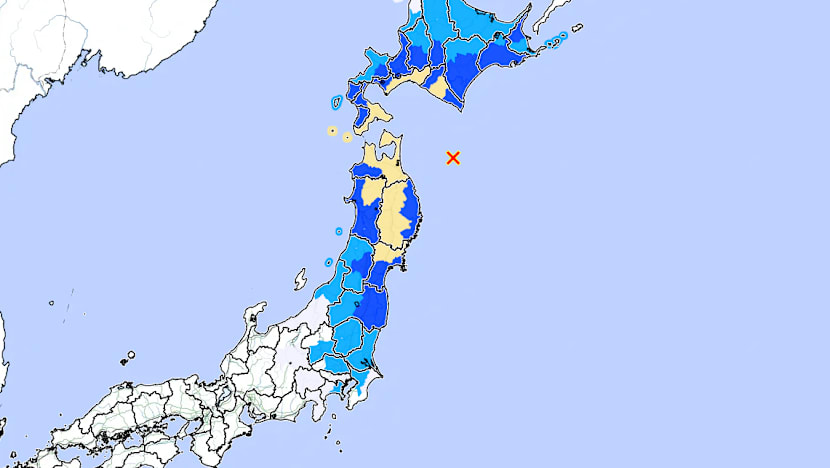
Logistics Disruption Dynamics emerge as the most pressing concern. The earthquakes struck the Aomori Prefecture, a critical manufacturing and transportation hub, with epicenters causing widespread regional impact. The Japan Meteorological Agency's rare special advisory underscores the potential for continued geological instability, signaling that businesses must develop more adaptive logistics strategies.
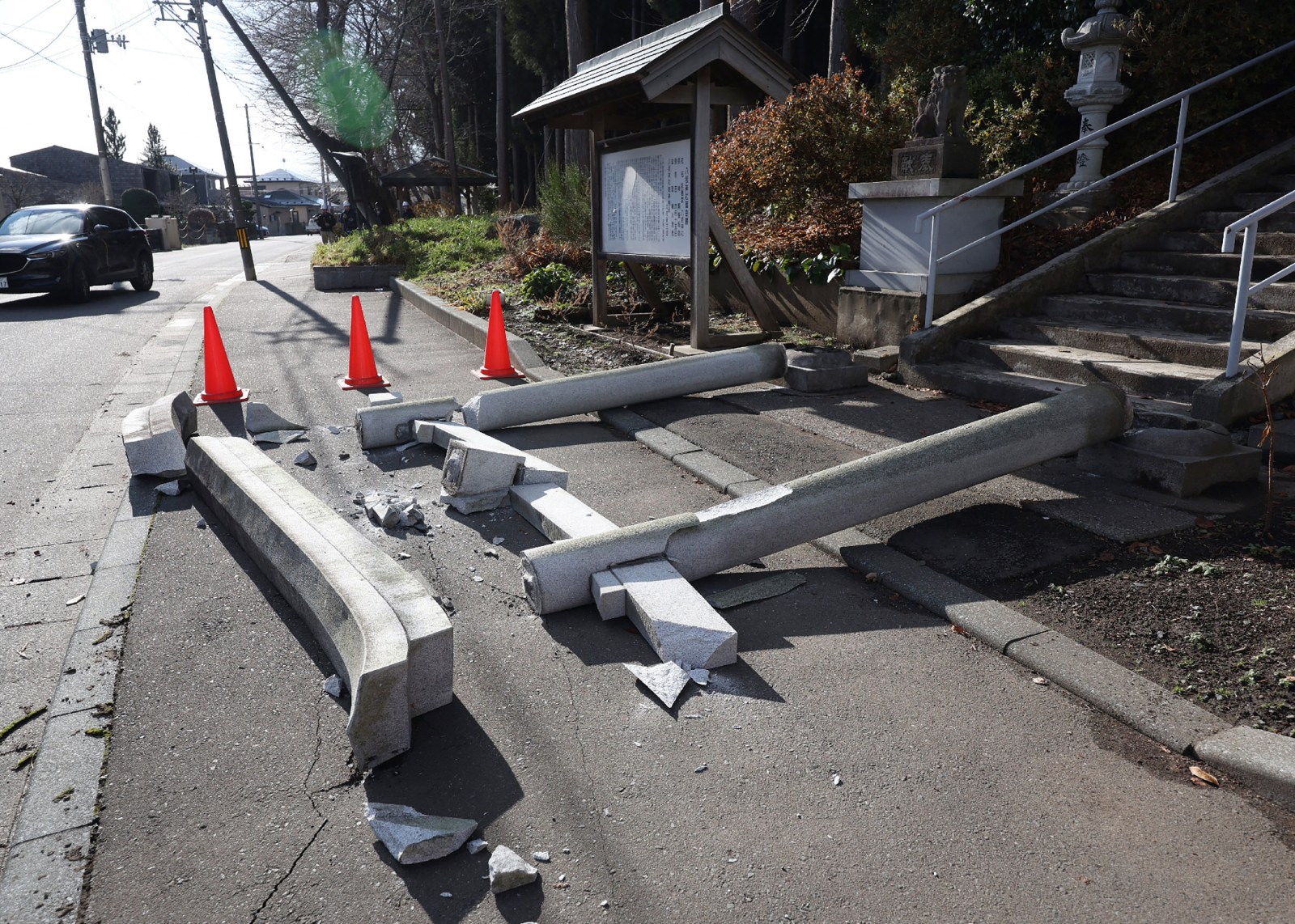
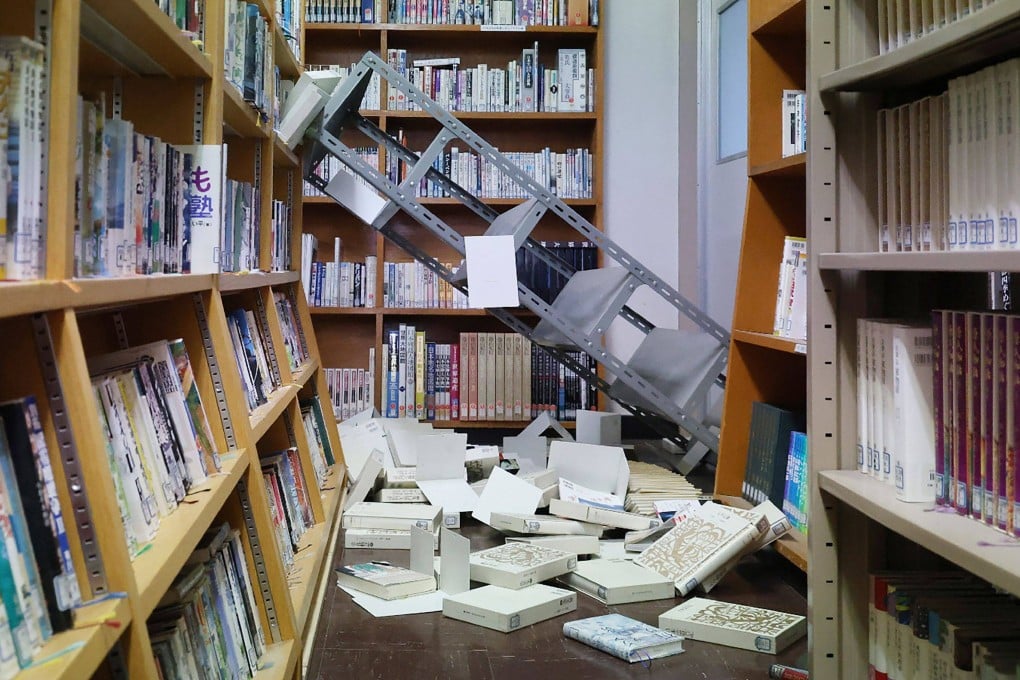
The economic implications extend far beyond immediate infrastructure damage. With 38 municipalities across five prefectures experiencing significant ground shaking, transportation networks, manufacturing facilities, and supply chain routes face unprecedented stress testing. The Nuclear Regulation Authority's immediate facility checks demonstrate the high-stakes nature of infrastructure resilience in this tectonically active region.
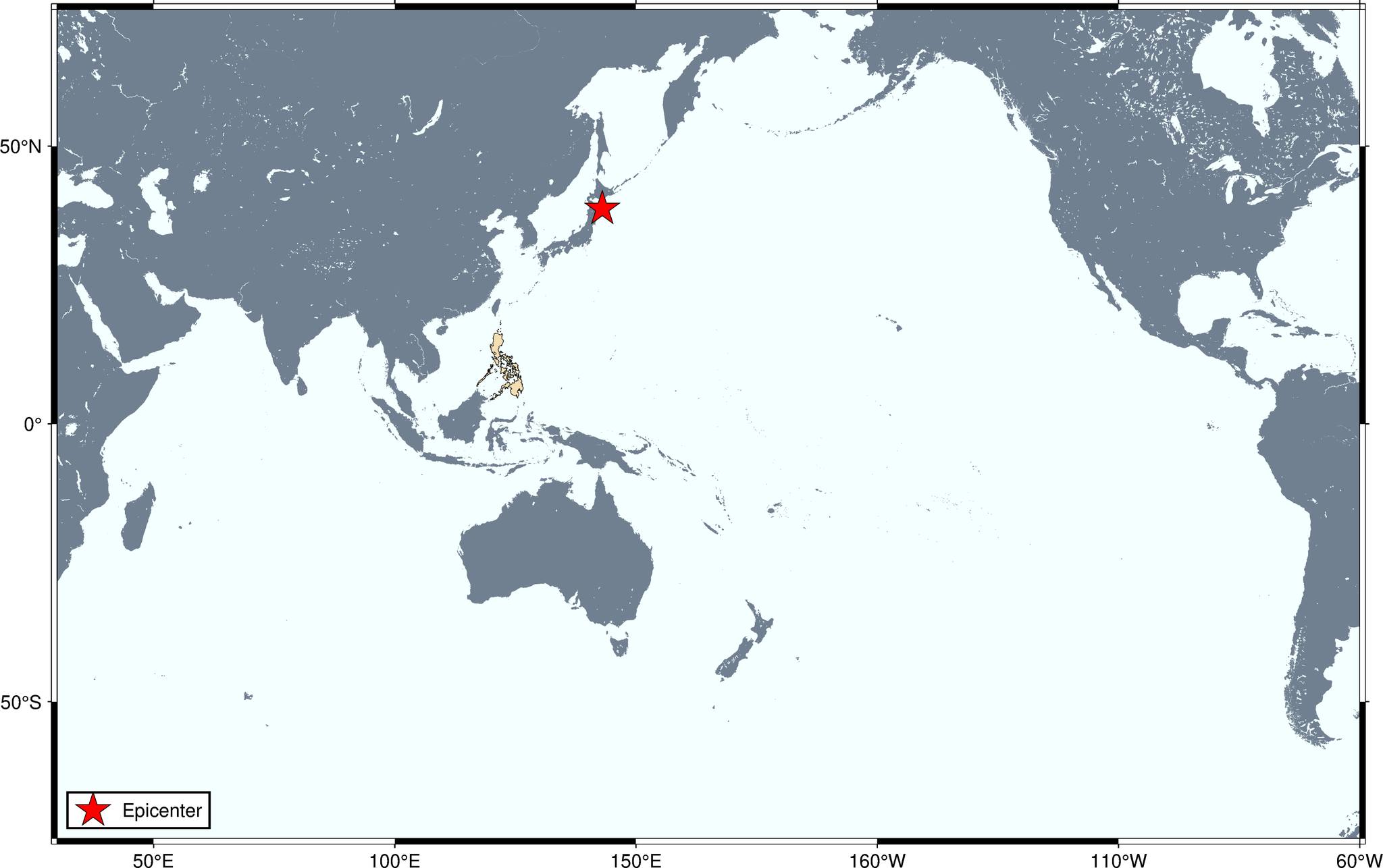
Critically, these earthquakes are not isolated incidents but part of a broader pattern. Japan's location on the Ring of Fire means the country experiences approximately 1,500 earthquakes annually. The Japan Meteorological Agency's projection of a 60-90% chance of a major earthquake in the Nankai Trough within 30 years demands a fundamental rethinking of logistics infrastructure.
For supply chain professionals, the key takeaway is clear: adaptive resilience is no longer optional. Companies must develop:
- Distributed warehouse networks with redundant capacity
- Flexible transportation routing that can rapidly reconfigure
- Real-time infrastructure monitoring systems
- Comprehensive disaster response protocols
The repeated seismic activity underscores that traditional risk management approaches are insufficient. Businesses operating in or through Japan must treat geological volatility as a core strategic consideration, not a peripheral risk factor.
Questions 3
How frequently do earthquakes occur in Japan?
Japan experiences approximately 1,500 earthquakes annually due to its location on the Ring of Fire. The Japan Meteorological Agency estimates a 60-90% chance of a major earthquake in the Nankai Trough within the next 30 years, making geological risk management crucial for businesses.
How do these earthquakes impact regional supply chain operations?
The repeated seismic events in Aomori Prefecture create significant disruptions for transportation and manufacturing. Companies must now consider implementing more flexible routing, distributed warehouse networks, and real-time infrastructure monitoring to maintain operational continuity.