
Global Freight Surge Reshapes E-Commerce Sourcing | Seller Cost Impact
- Container rates double from South America ($8K-9K), Egypt exceeds $11K; Asian freight stable at $3.6K-4K but delayed 30+ days. Packaging costs spike 15-20% from PET resin shortages. Sellers must reroute sourcing and prepay inventory before mid-May surcharges hit.
Overview
Global freight and fuel costs are creating a structural supply chain crisis that directly impacts e-commerce sellers sourcing perishables, fresh produce, and petroleum-based packaged goods. Container shipping rates from South America have nearly doubled from $5,000-6,000 to $8,000-9,000 per container, while Egyptian shipments to U.S. markets now exceed $11,000 per container—representing 80-100% cost increases. Asian freight from China remains relatively stable at $3,600-4,000 per container, but service reliability issues are causing delays exceeding one month, creating inventory positioning challenges for sellers relying on just-in-time fulfillment models.
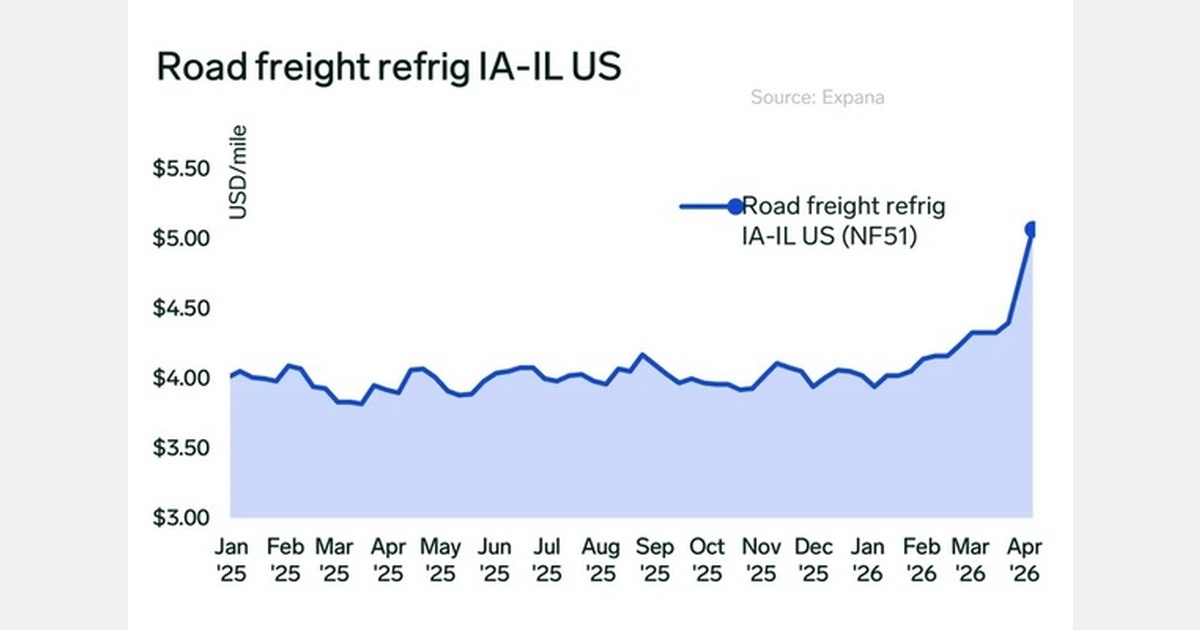
The compounding cost pressure extends beyond ocean freight to domestic logistics and packaging materials. Northeast producers implementing fuel surcharges beginning mid-May are pushing truck transport costs above $9,000 for destination markets, while bunker fuel increases add approximately $0.05 per pound to South America-North America shipments. Simultaneously, polyethylene terephthalate (PET) resin shortages linked to Middle East oil supply disruptions are driving packaging costs up 15-20%, directly affecting sellers of beverages, fresh produce, prepared foods, and any products requiring plastic packaging. This dual cost squeeze—inbound freight plus outbound packaging—creates margin compression of 8-15% for sellers operating on contracted pricing, as one trader noted: "You contracted on a delivered basis. By the time it ships, the price has changed."
For e-commerce sellers, the strategic implications are immediate and multi-faceted. Sellers sourcing fresh produce, organic vegetables, and specialty foods from South America and Egypt face the steepest cost increases and should immediately evaluate alternative sourcing from Asian suppliers (China, Vietnam, India) where freight remains 60-70% cheaper despite longer lead times. Sellers of packaged beverages, condiments, and food products should accelerate inventory purchases before mid-May surcharges take effect, targeting 60-90 day stock positions in U.S. fulfillment centers. Container positioning shortages—particularly reefer containers stuck in Egypt—mean sellers should negotiate equipment guarantees with freight forwarders and consider consolidation strategies to maximize container utilization. Industry sources indicate Middle East infrastructure damage will require years to repair, suggesting these elevated cost levels will persist through 2025-2026, making this a structural rather than cyclical challenge requiring permanent sourcing and fulfillment model adjustments.
Questions 8
How much will freight costs increase for sellers importing vegetables from South America?
Container shipping rates from South America have nearly doubled from $5,000-6,000 to $8,000-9,000 per container, representing an 40-80% increase. For a typical 20-foot container holding 10-12 tons of fresh produce, this translates to $600-900 additional cost per ton. When combined with bunker fuel surcharges adding $0.05 per pound, sellers should expect total freight cost increases of 50-100% compared to pre-surge rates. These increases directly compress margins by 8-15% for sellers operating under fixed-price contracts, making immediate sourcing diversification critical.
Which sourcing regions offer cost advantages during this freight surge?
Asian freight from China, Vietnam, and India remains stable at $3,600-4,000 per container—60-70% cheaper than South American routes. However, service reliability issues are causing delays exceeding one month, requiring sellers to adjust inventory planning timelines. For sellers of packaged foods, beverages, and shelf-stable products, Asian sourcing becomes attractive despite longer lead times (45-60 days vs. 30-35 days from South America). Sellers should evaluate product categories by shelf-life requirements: perishables (vegetables, fresh fruit) remain South America-dependent, while packaged goods, condiments, and beverages can shift to Asia with proper inventory buffers.