




Resilience in Darkness: The Unbreakable Spirit of Six Israeli Hostages
- A Haunting Testament to Human Dignity Amidst Conflict and Captivity








Overview
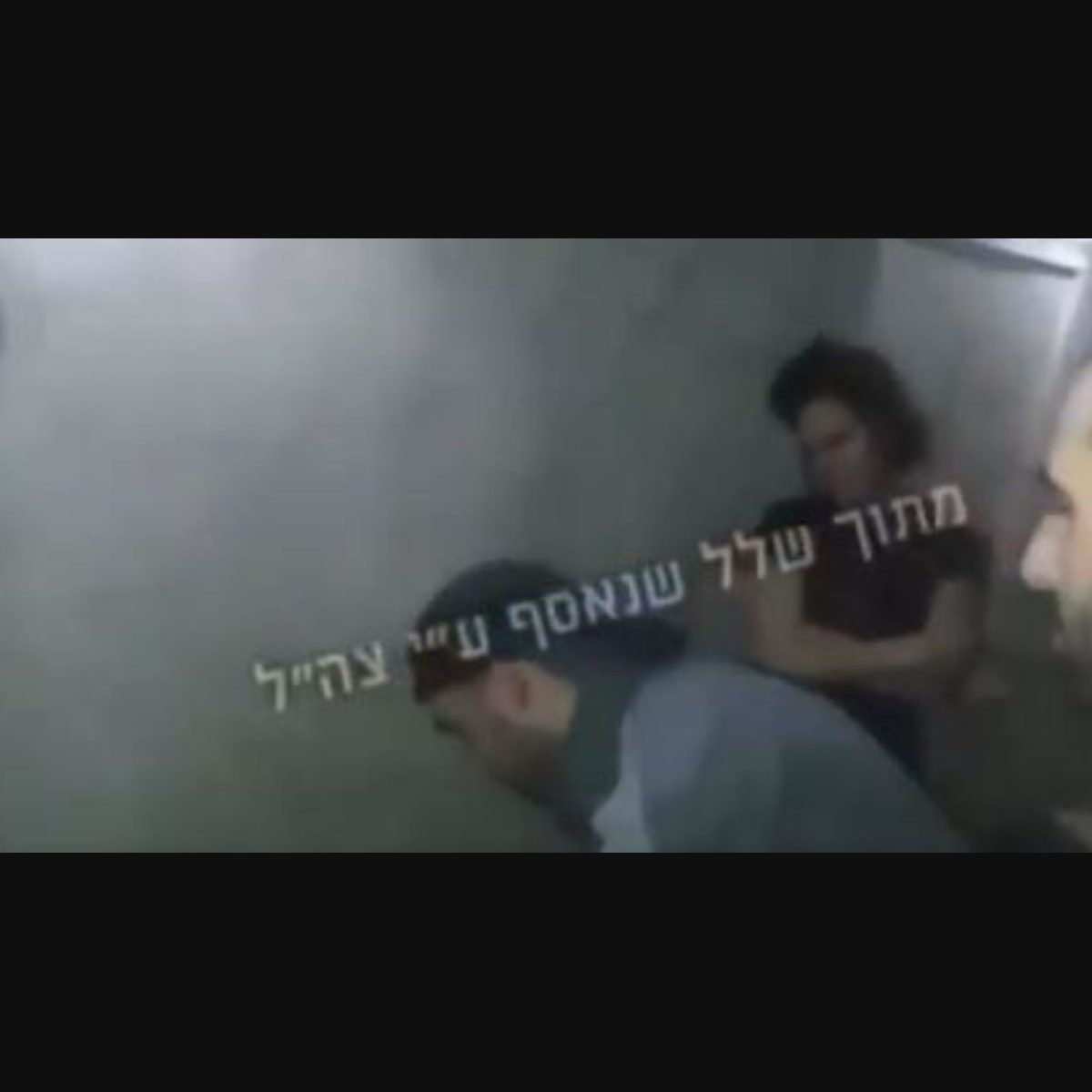
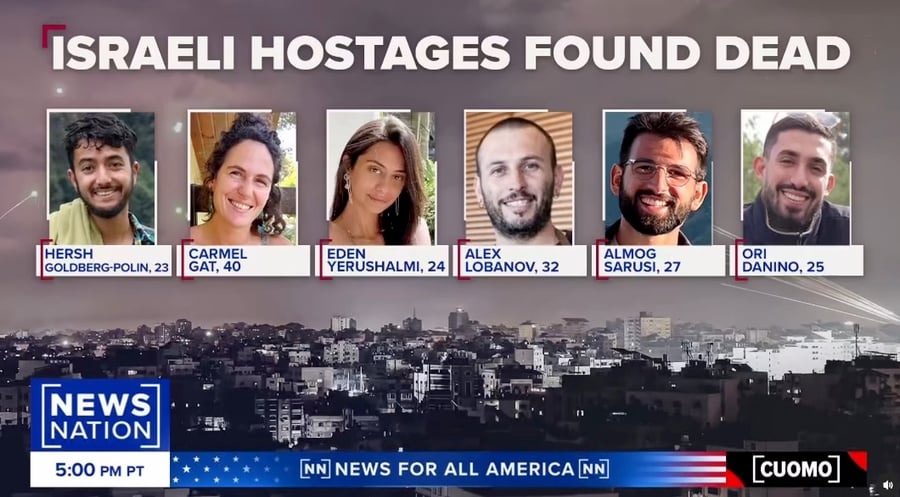
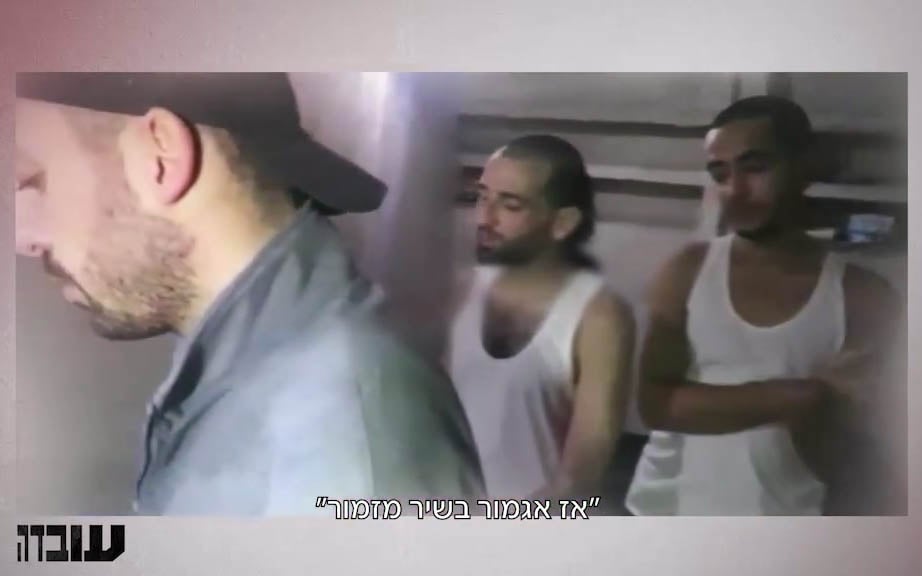
In the depths of Hamas captivity, six Israeli hostages revealed an extraordinary narrative of hope and humanity that transcends the brutal realities of their imprisonment. The recently released IDF-captured videos expose a profound human story of resilience, capturing moments of spiritual resistance during their Hanukkah celebration in underground tunnels months before their tragic murder in August 2024.
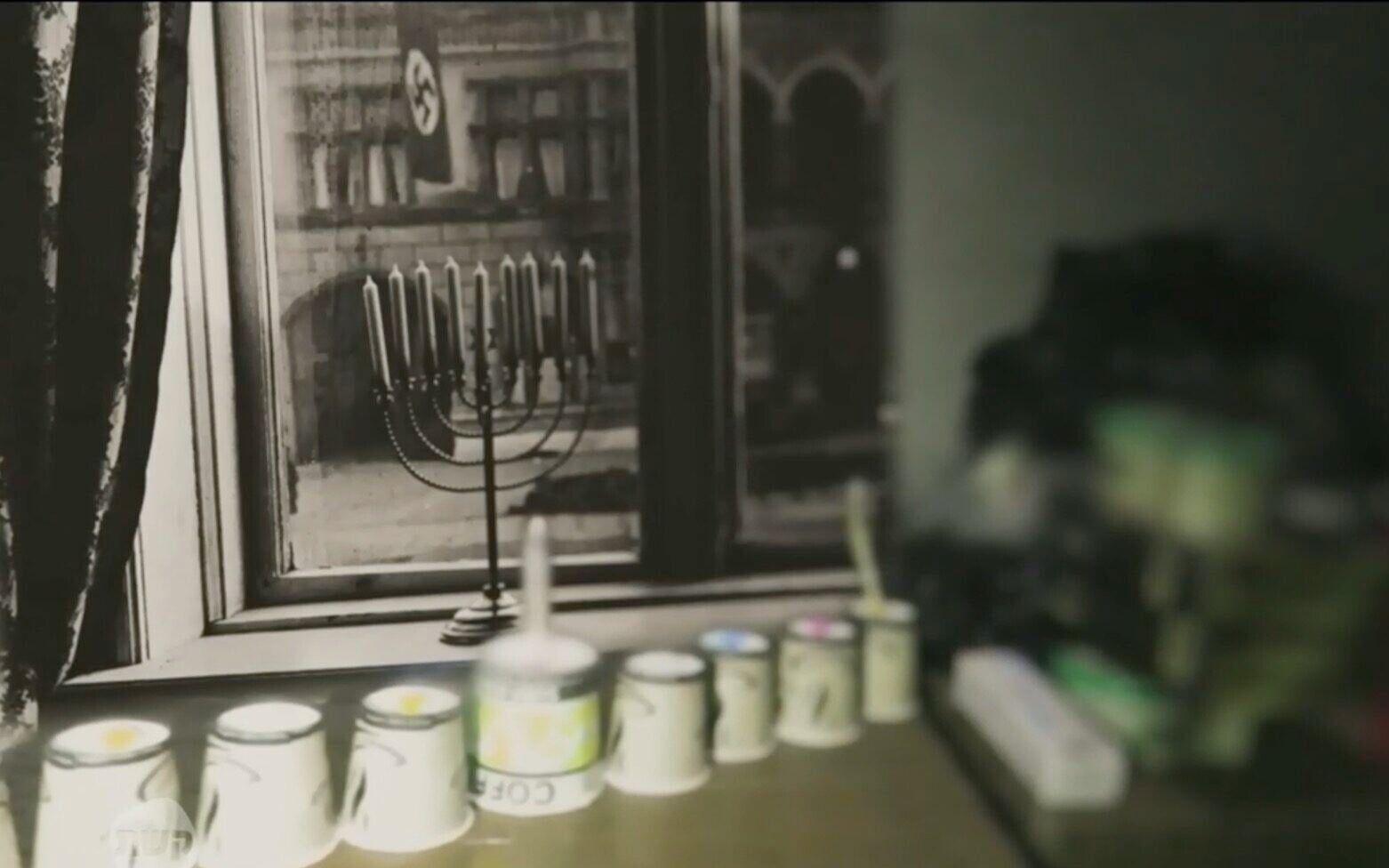
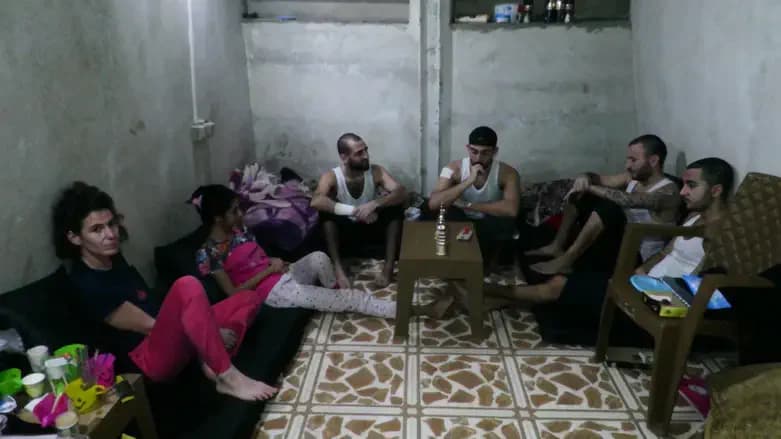
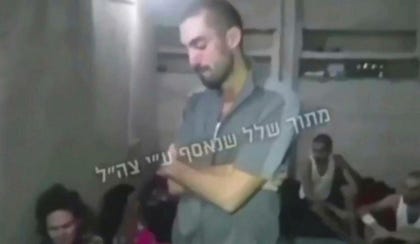
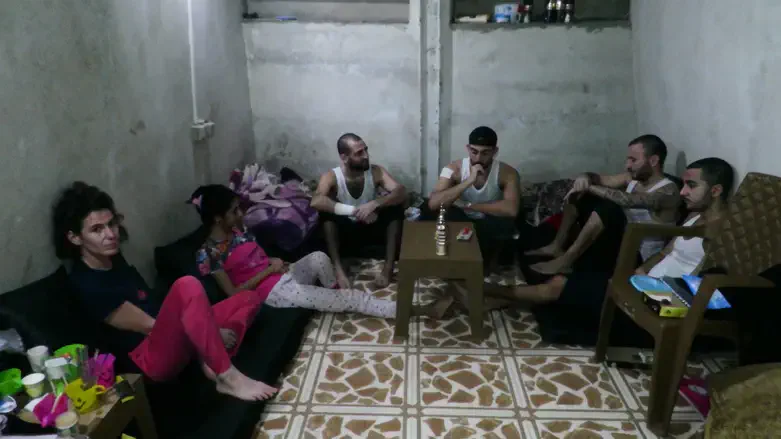
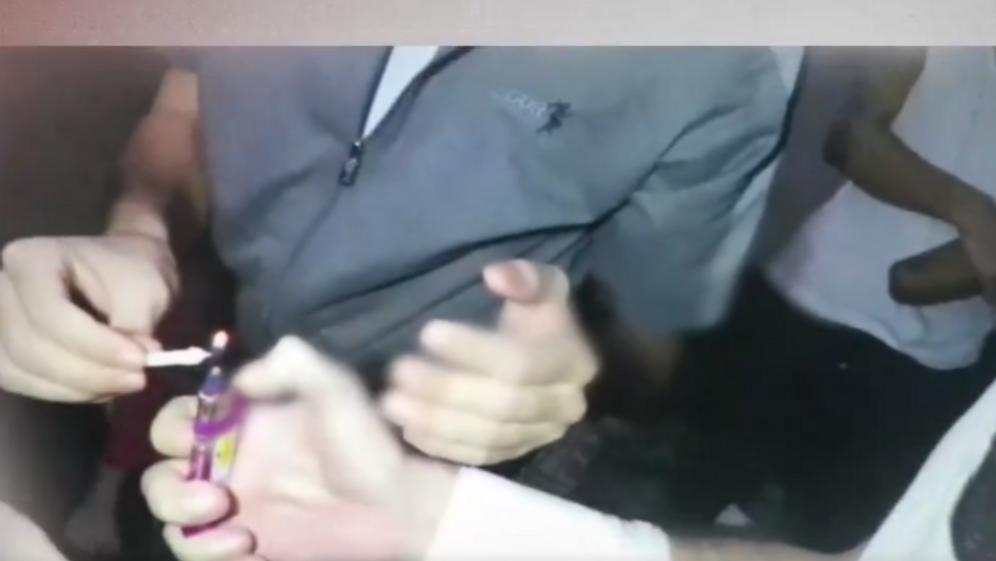
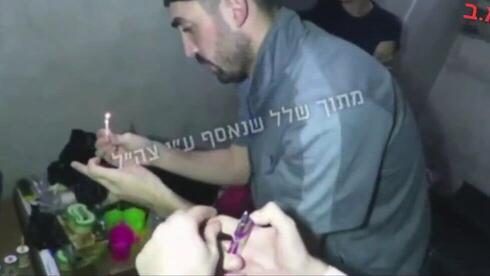
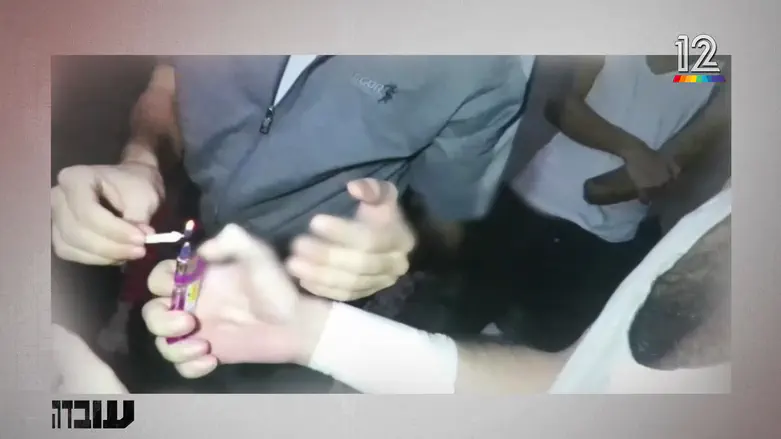
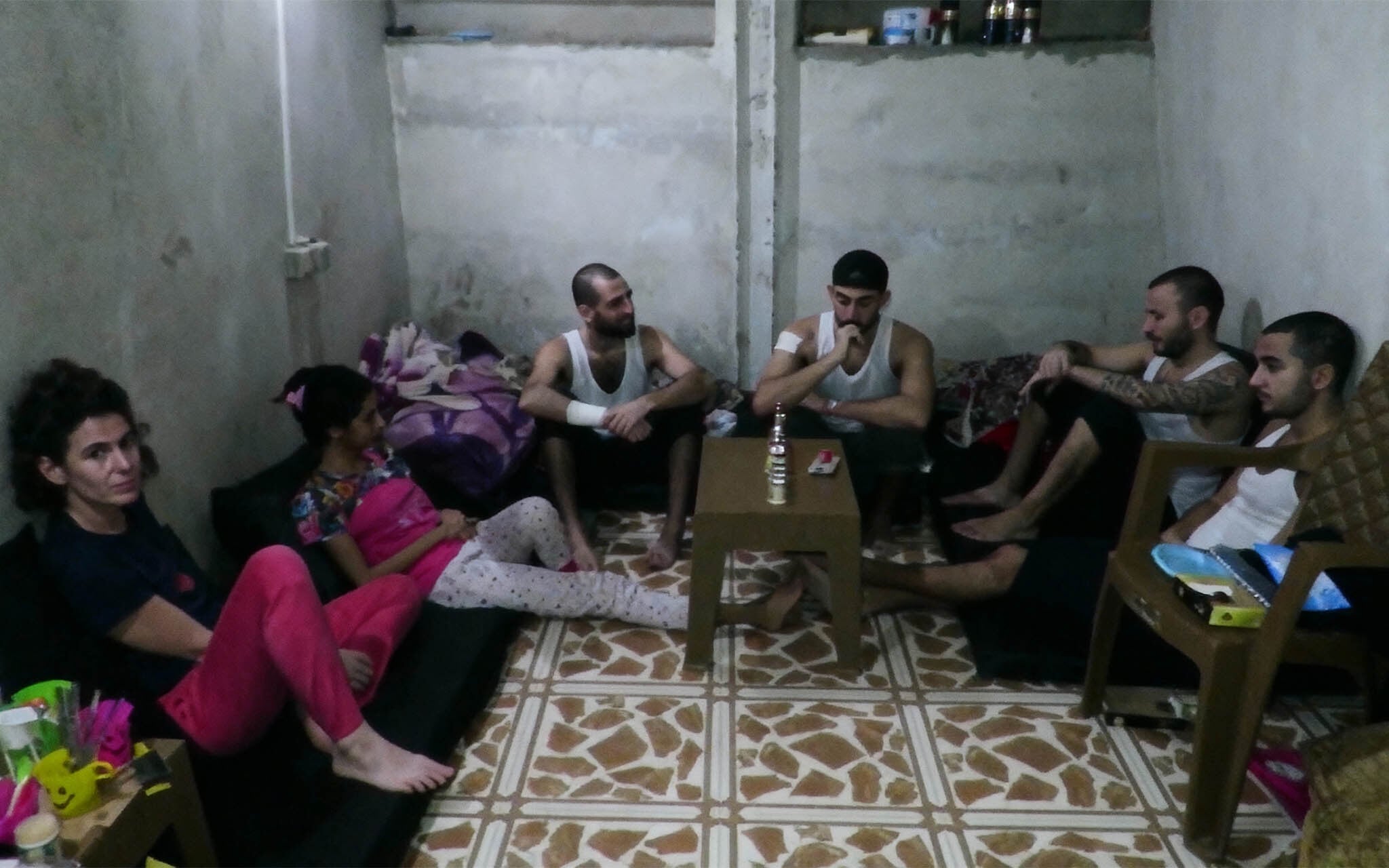
Hersh Goldberg-Polin, Carmel Gat, Eden Yerushalmi, Almog Sarusi, Ori Danino, and Alex Lobanov transformed their dire circumstances into a powerful testament of collective strength. Despite being held in Rafah tunnels, they created a makeshift menorah from disposable cups, sang traditional blessings, and maintained an astonishing sense of unity. Sarusi's poignant statement, "With the help of this holiday's miracles, we'll get home with a great miracle," encapsulates their unbreakable spirit.
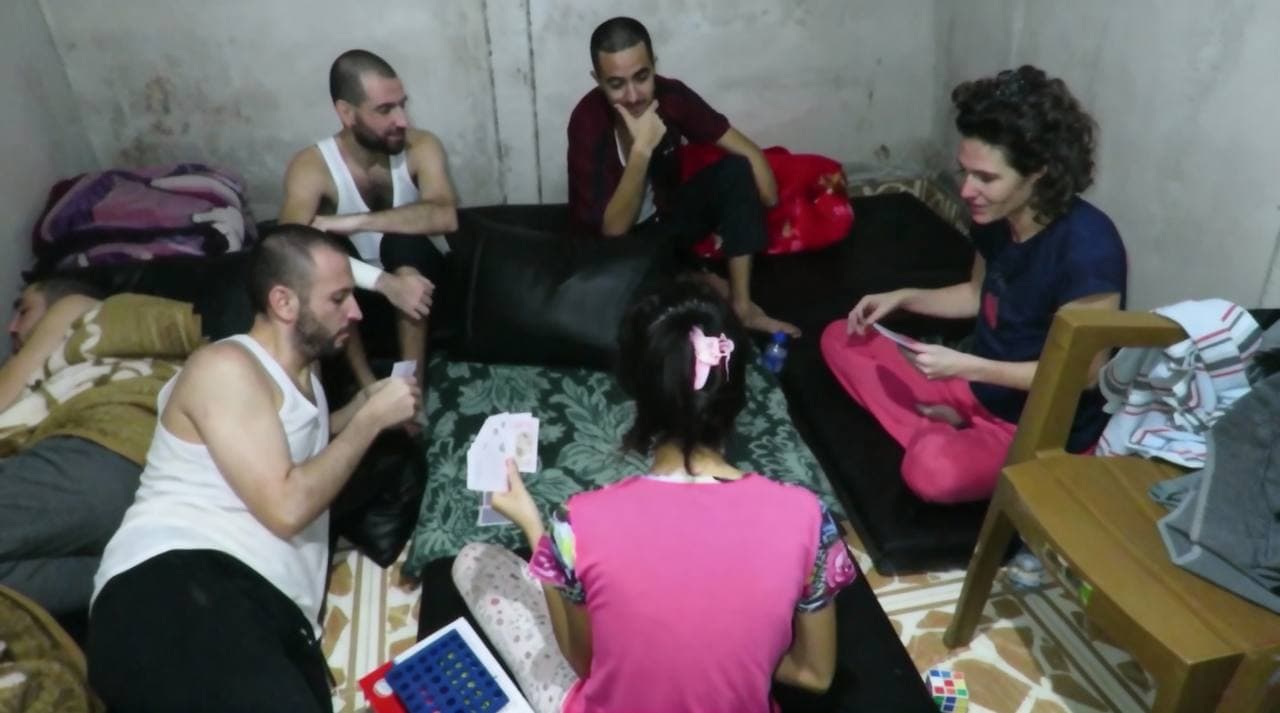
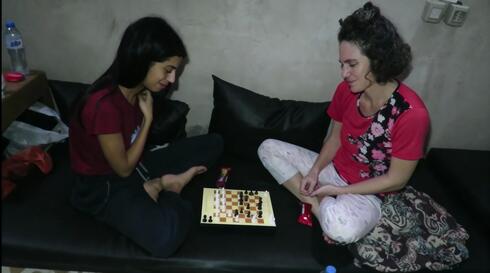
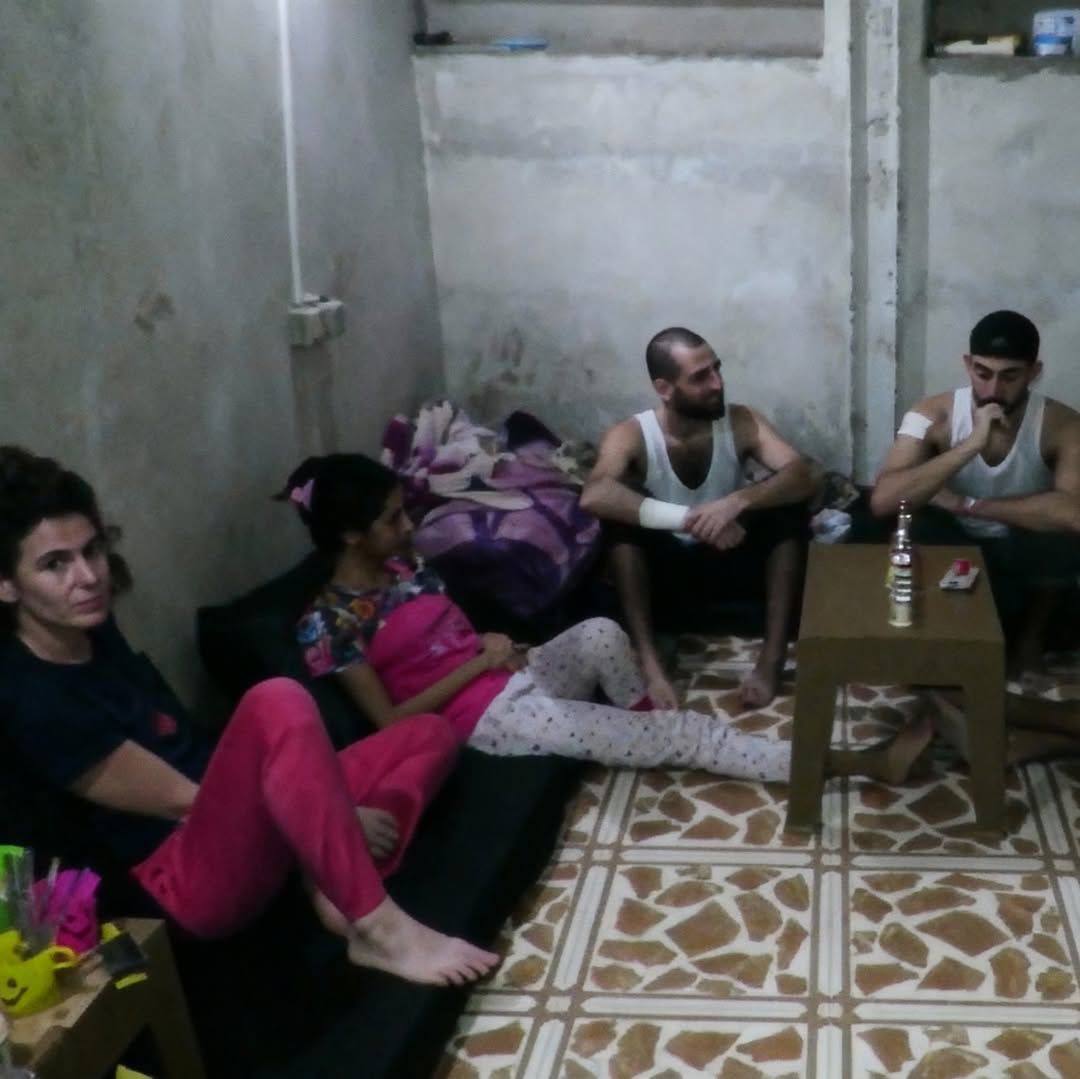
The footage reveals multiple layers of human complexity. While Hamas intended these videos as propaganda, they inadvertently documented the hostages' remarkable psychological resilience. Goldberg-Polin, even with a partially blown-off arm from the October 7th attack, remained hopeful, stating, "We're here, healthy, alive - they're taking care of us, we want to return home." Their everyday activities - playing cards, sharing fruit, giving each other haircuts - demonstrate an extraordinary capacity for maintaining dignity under extreme duress.
The Hostages and Missing Families Forum emphasized that these videos expose the fundamental humanity of these six individuals. Their story transcends the immediate conflict, becoming a universal narrative about hope, community, and the indomitable human spirit. The tragic revelation of their subsequent murder by Hamas as Israeli forces approached their location transforms this footage from a mere historical document to a haunting memorial of lives cut short.
This narrative serves as a stark reminder of the profound human cost of conflict, challenging viewers to recognize the individual stories behind geopolitical abstractions. It compels us to see beyond statistics and recognize the deeply personal experiences of those caught in complex, violent contexts.
Questions 3
How did the hostages maintain their spirit during captivity?
Through collective activities like singing Hanukkah blessings, playing cards, sharing food, and supporting each other medically, the hostages created a sense of community. Their optimistic statements and mutual care reveal a remarkable capacity to resist dehumanization through small acts of solidarity.
What broader implications does this footage have for understanding conflict?
The videos challenge viewers to see beyond geopolitical abstractions and recognize individual human experiences. They expose how people can maintain dignity, hope, and cultural identity even under the most oppressive circumstances, offering a nuanced perspective on resilience in conflict zones.