



Thailand's Political Earthquake: Dissolution, Conflict, and the Fragile Path to Democratic Reset
- Accelerated Elections Expose Deep Governance Challenges in Southeast Asia's Volatile Political Landscape














)




















Overview
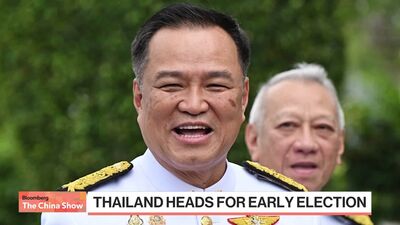
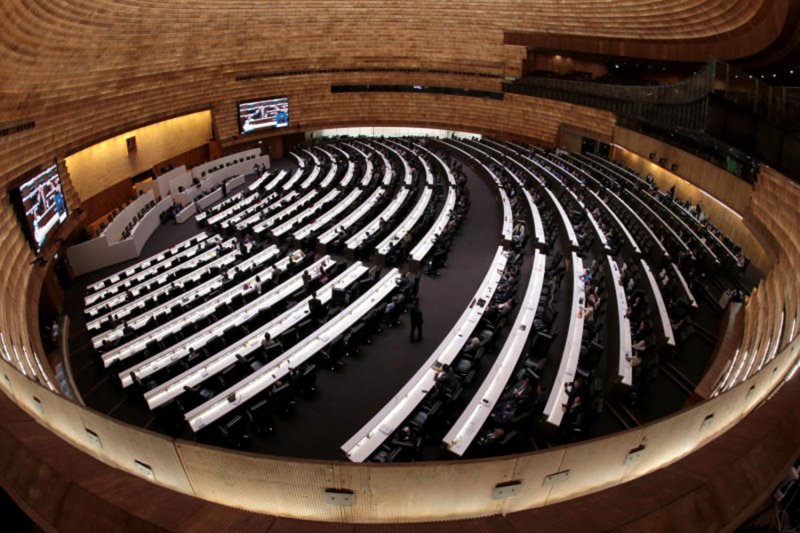
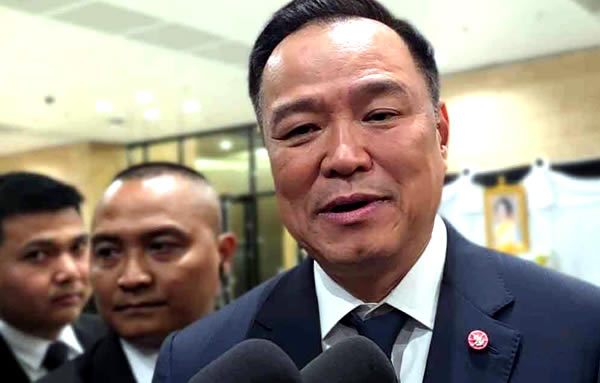
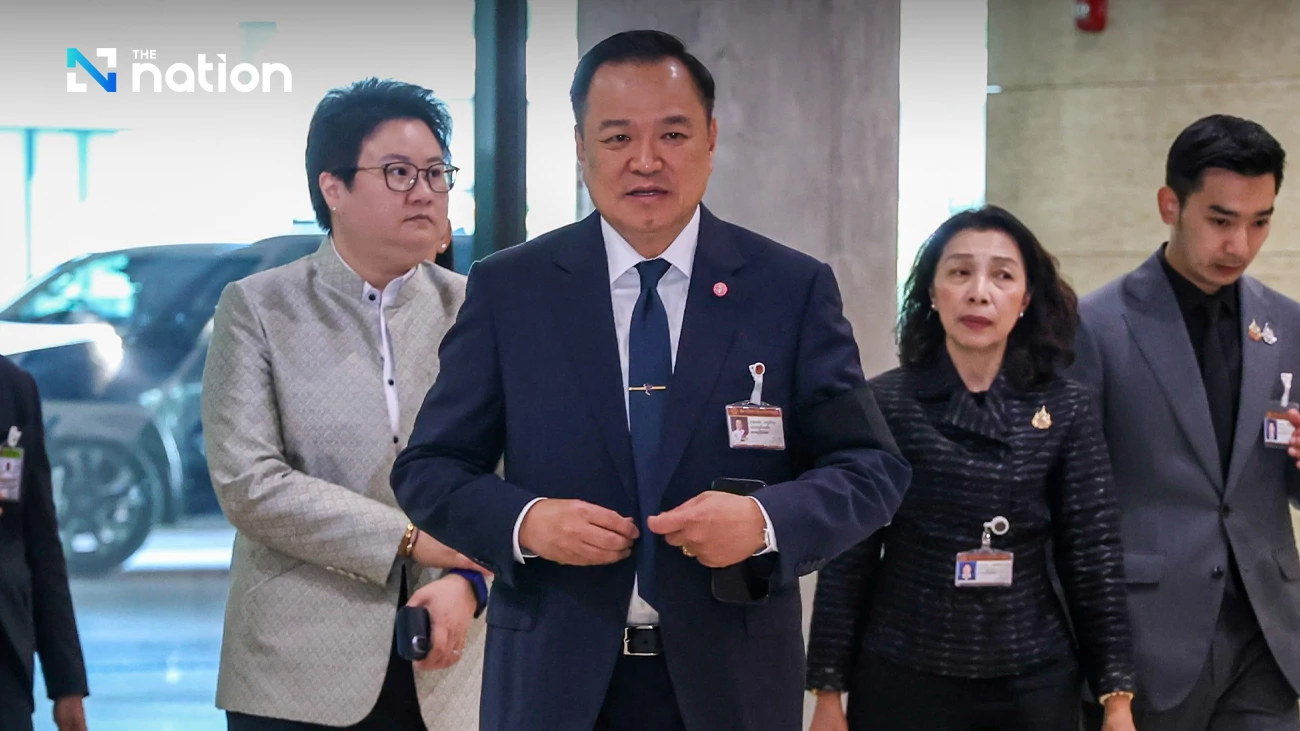
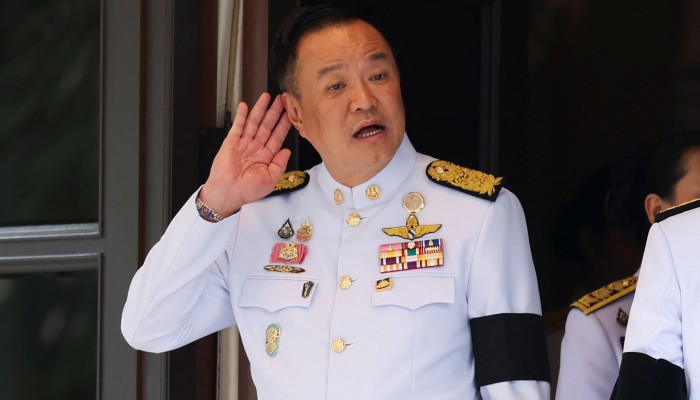
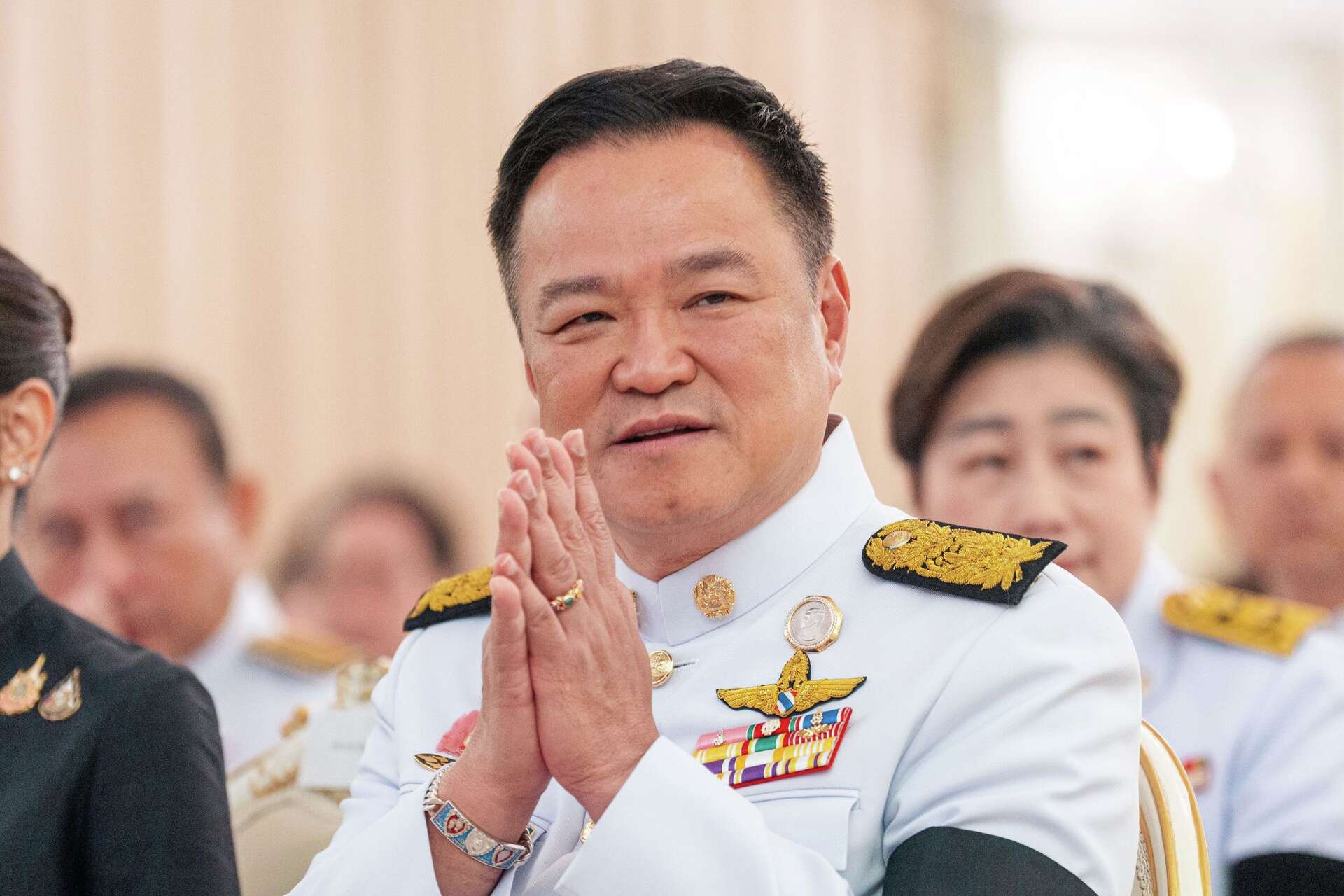
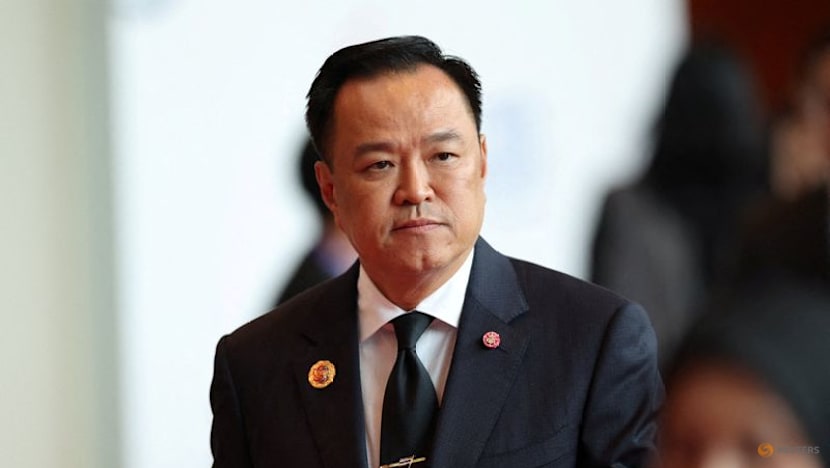
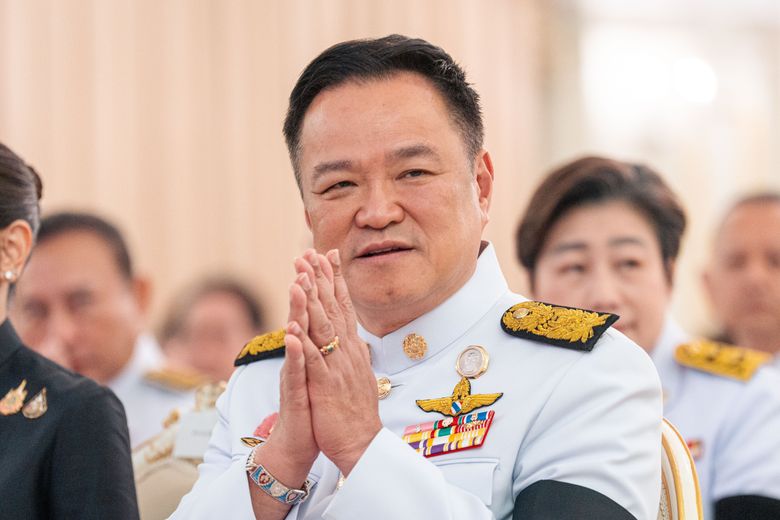
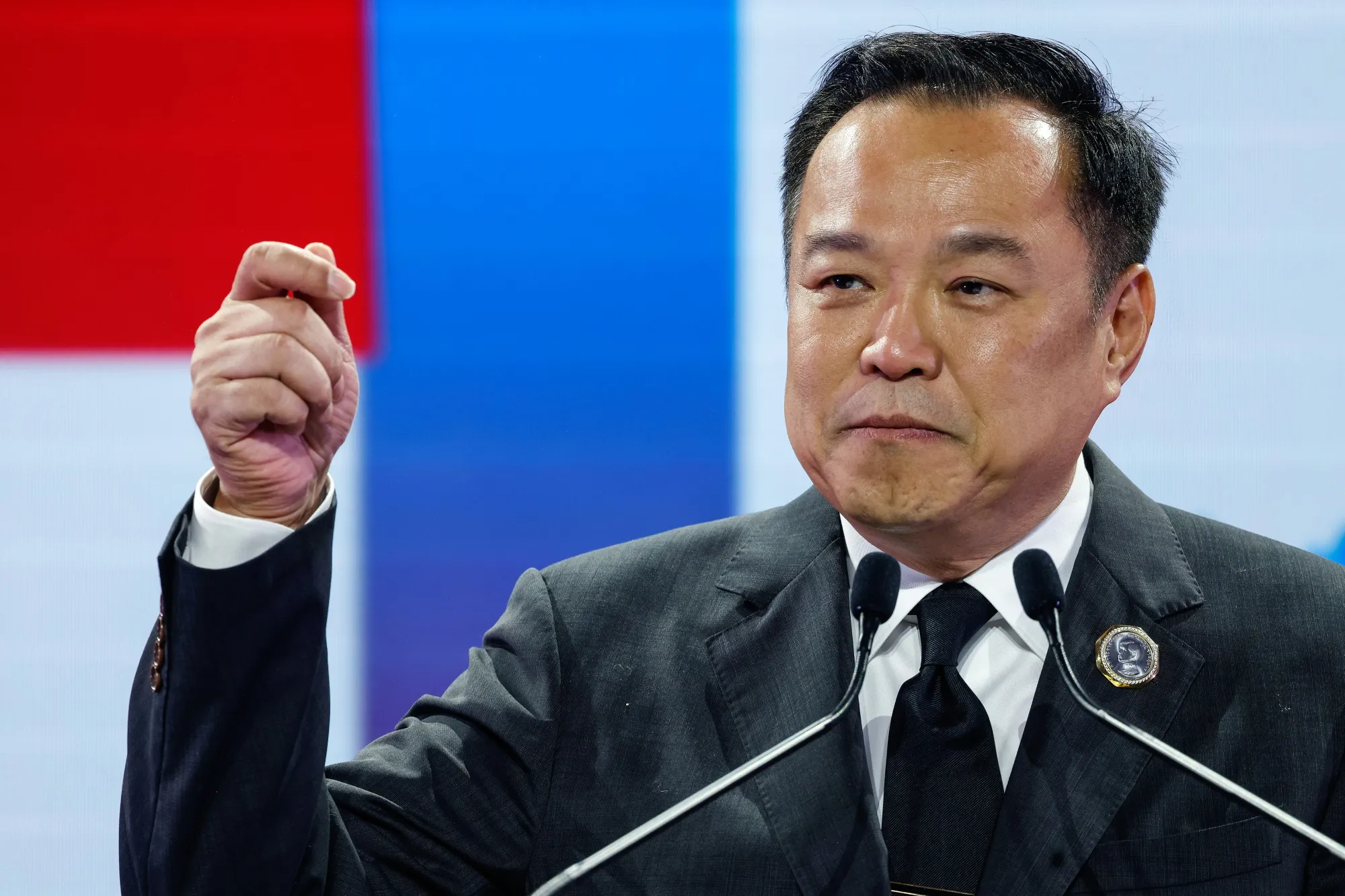
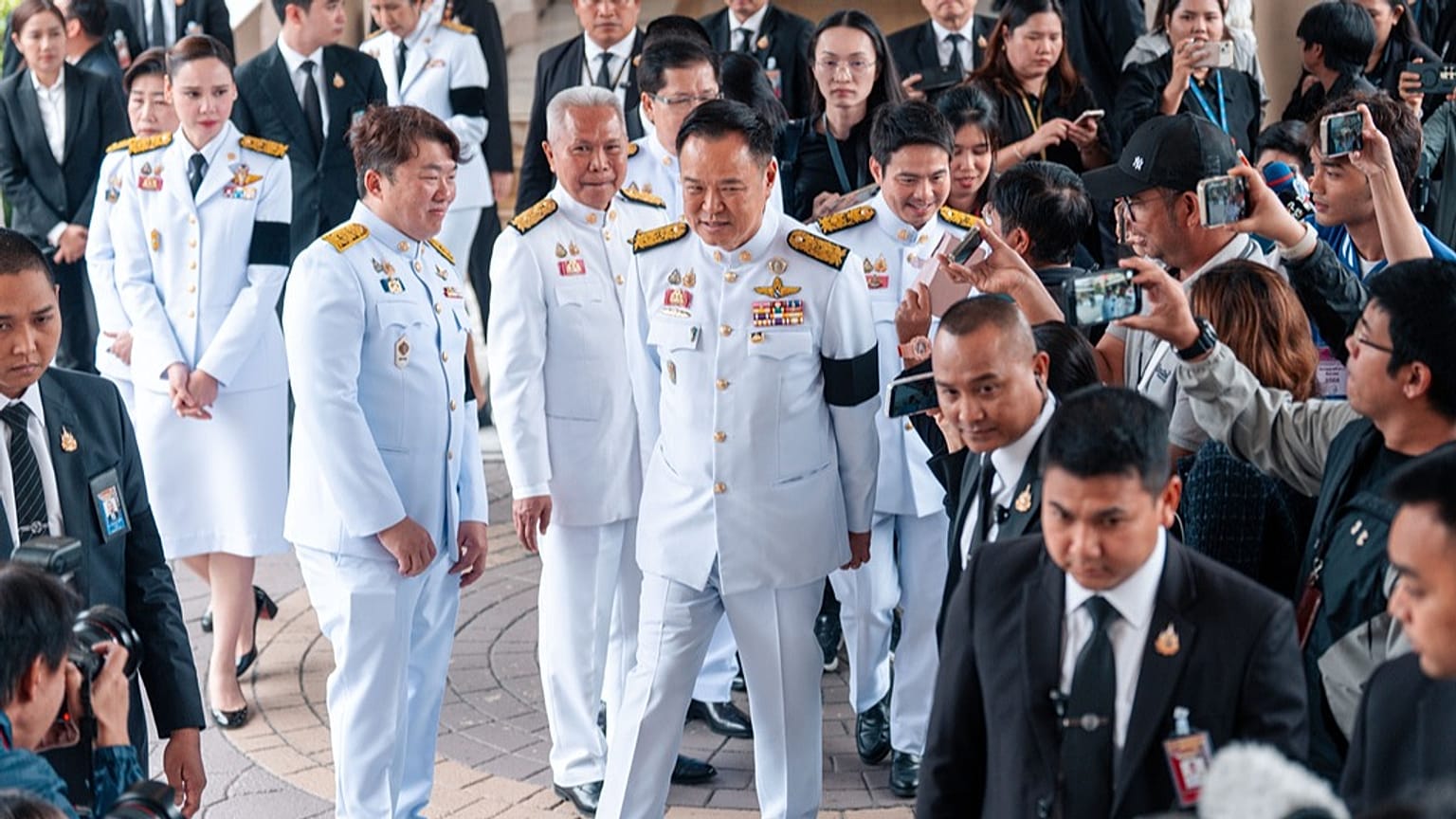
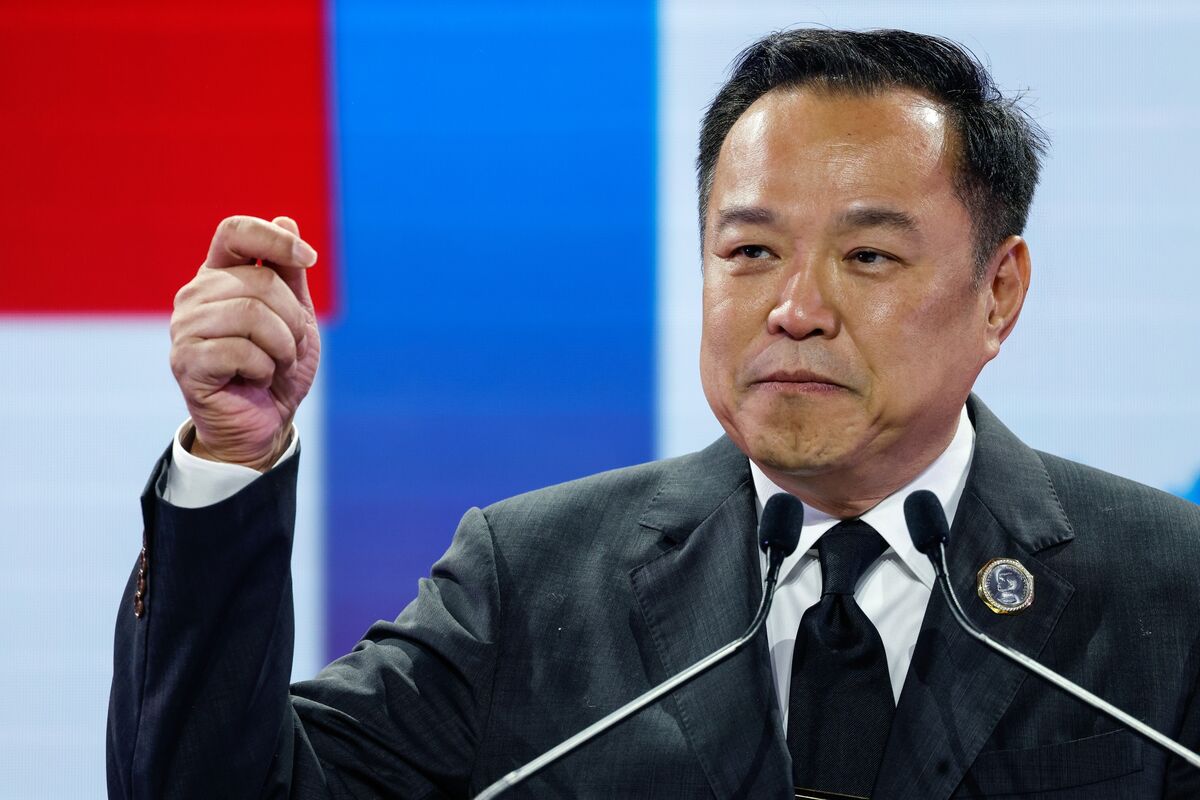
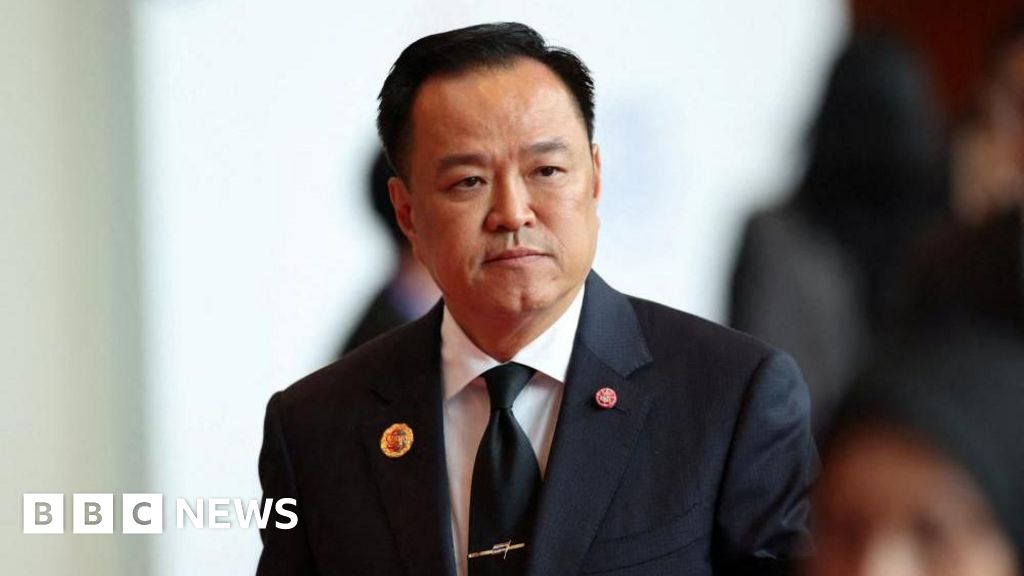
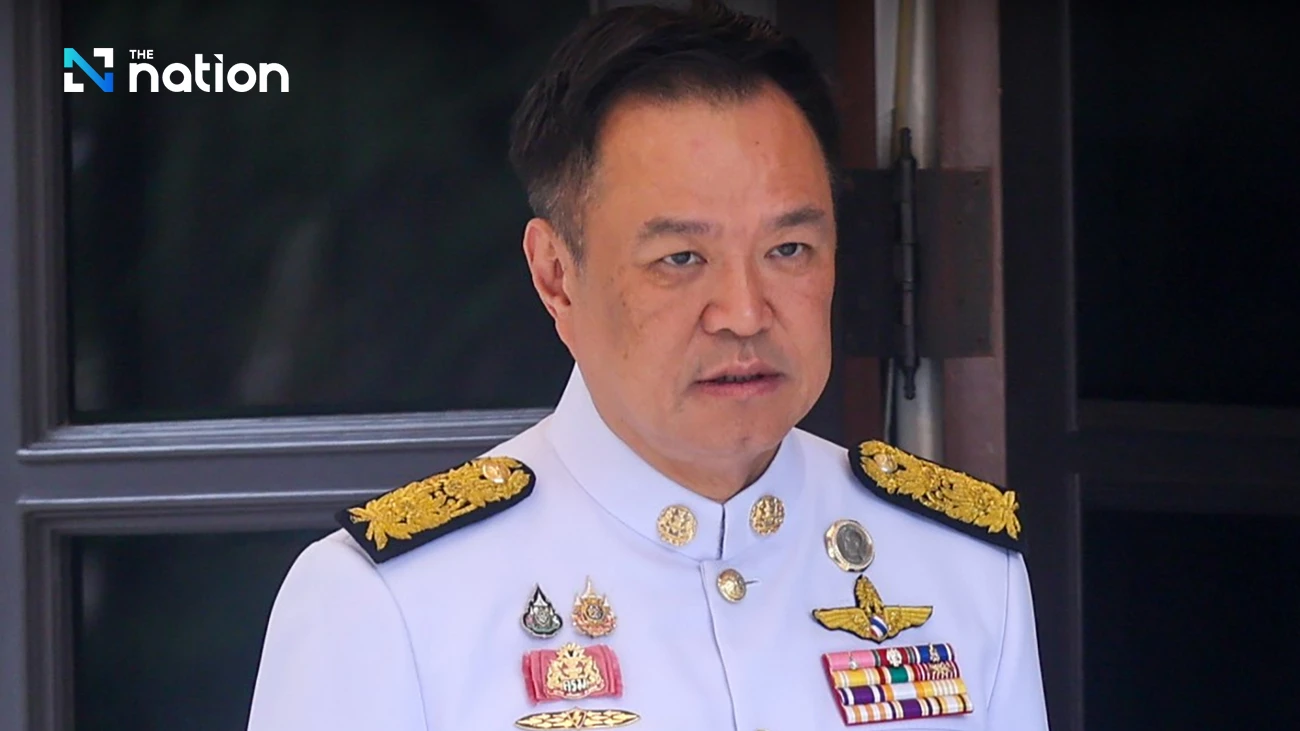
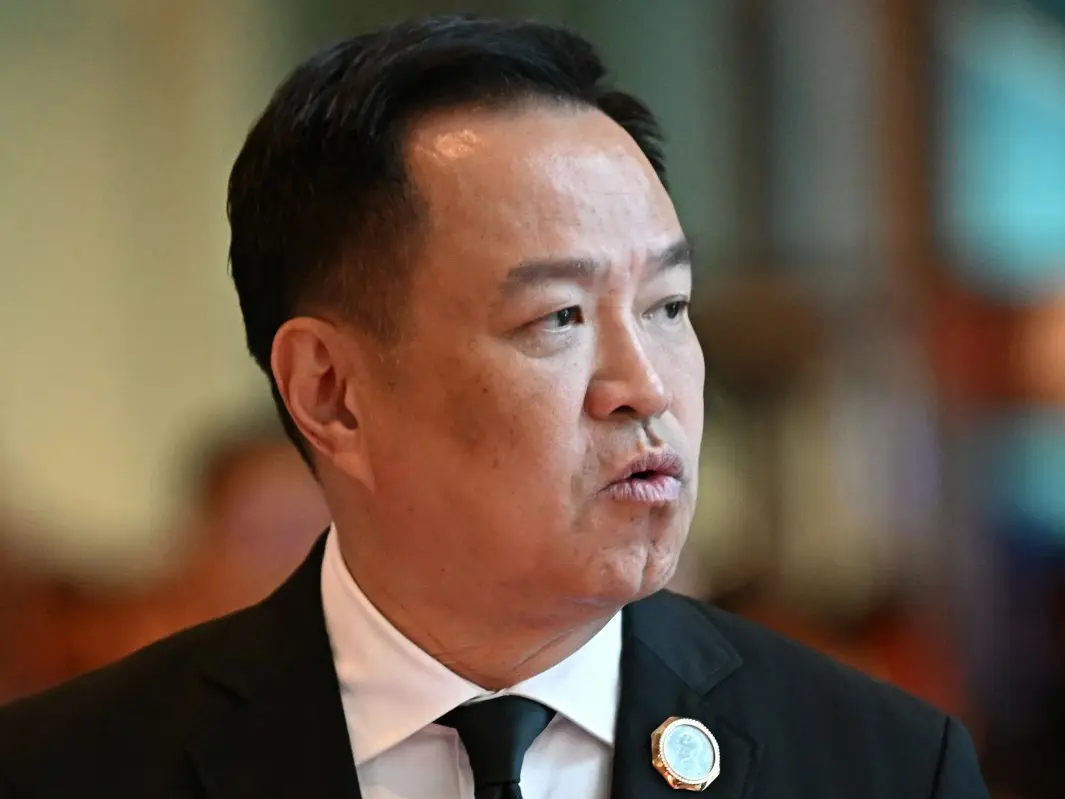
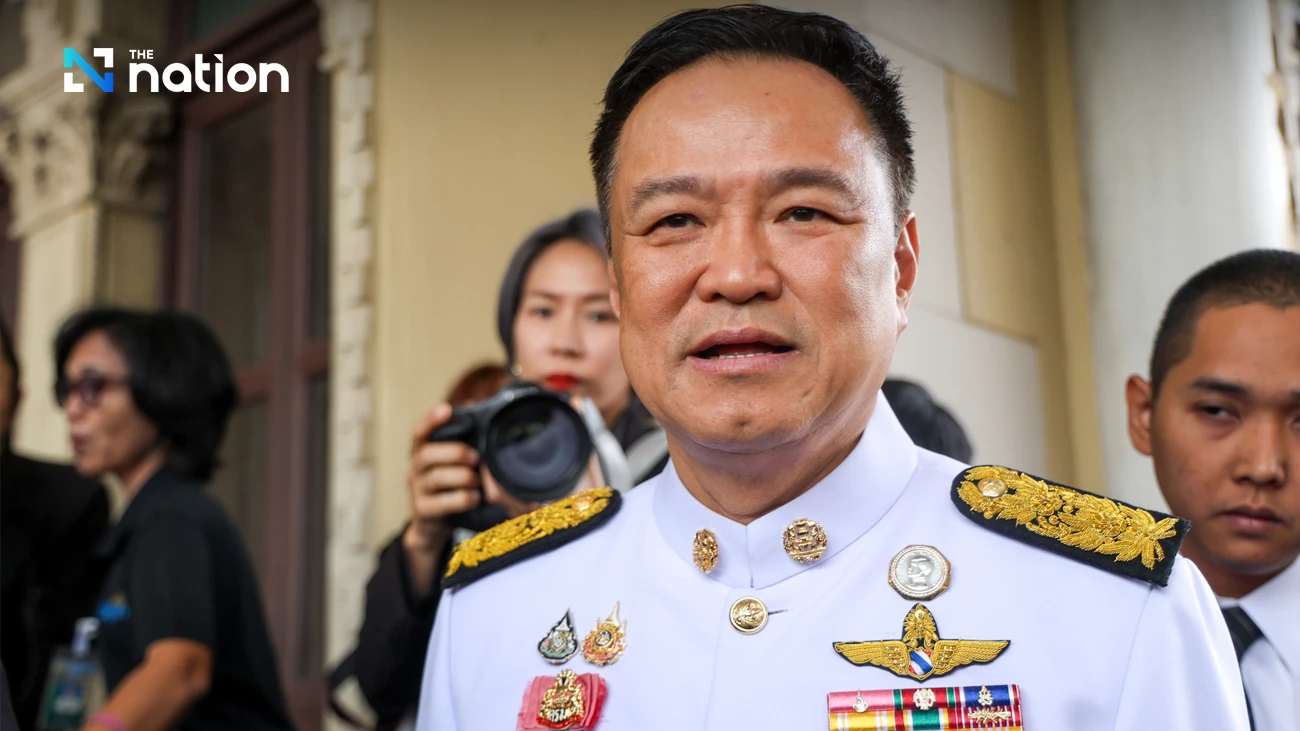
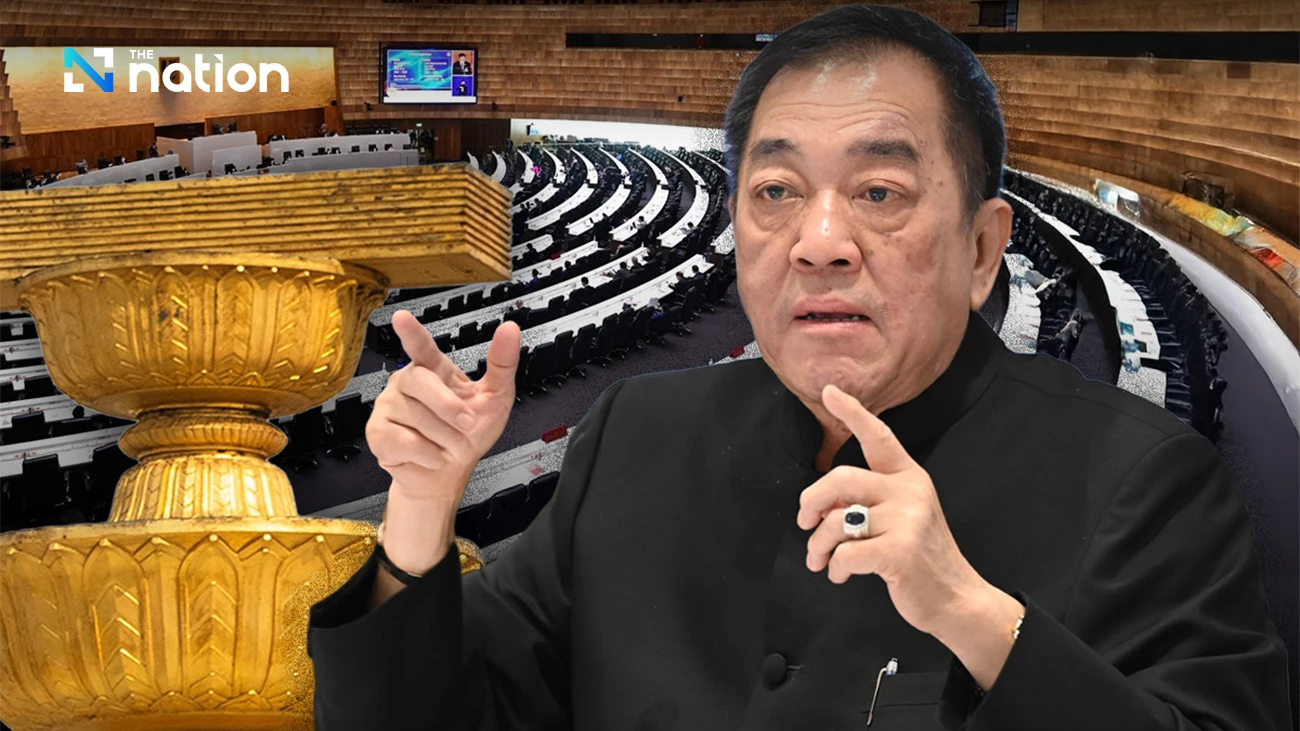
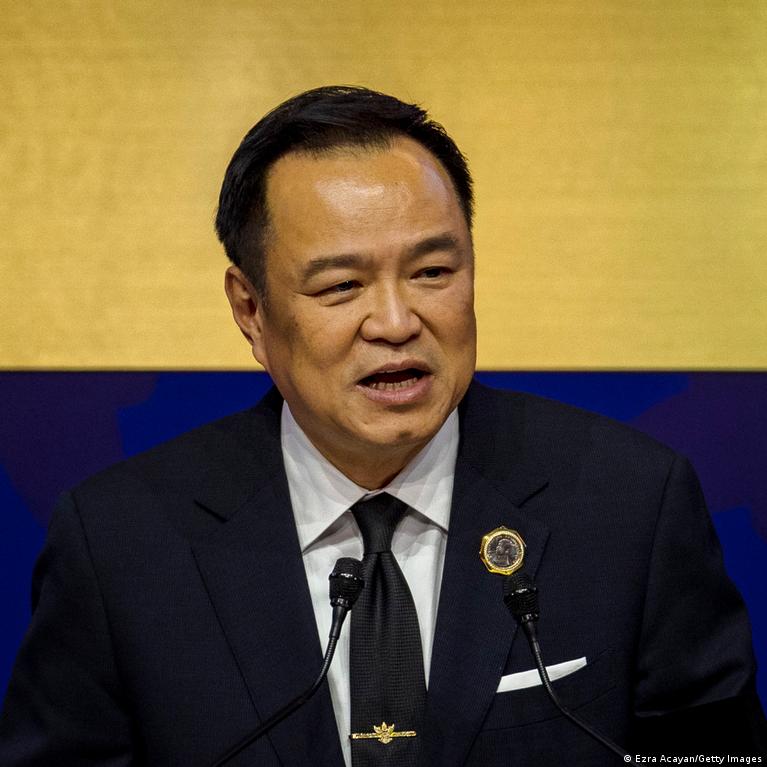
Thailand stands at a critical political crossroads, with Prime Minister Anutin Charnvirakul's unexpected parliamentary dissolution revealing the profound fragility of the nation's democratic institutions. This is not merely an electoral reset, but a systemic tremor exposing multiple layers of institutional dysfunction and regional complexity.
The dissolution emerges from a perfect storm of political pressures: a minority government teetering on collapse, ongoing border tensions with Cambodia, and mounting economic challenges. Anutin's move represents a strategic gambit to preempt a potential no-confidence vote, while simultaneously attempting to "return power to the people" through accelerated elections within 45-60 days.
What makes this moment particularly significant is the unprecedented political volatility. Thailand has cycled through three prime ministers since August 2023, with previous leaders dismissed for ethics violations. This rapid succession signals deeper structural weaknesses in the political system. The current dissolution occurs against a backdrop of complex geopolitical and economic challenges, including U.S. tariff pressures, high household debt, and sluggish economic consumption.
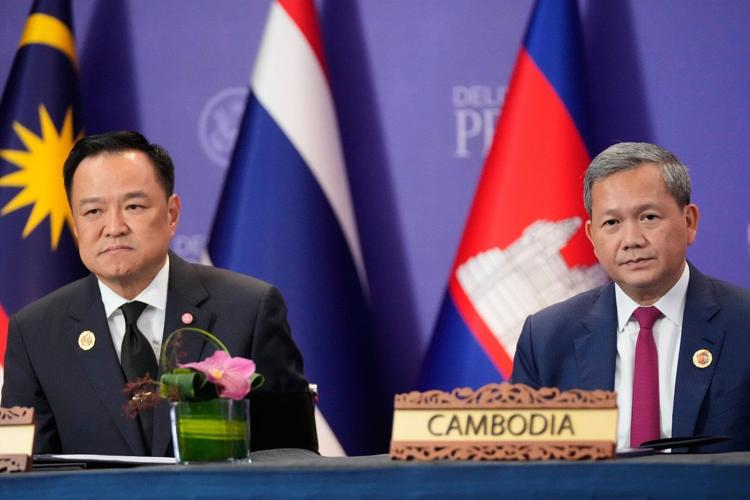
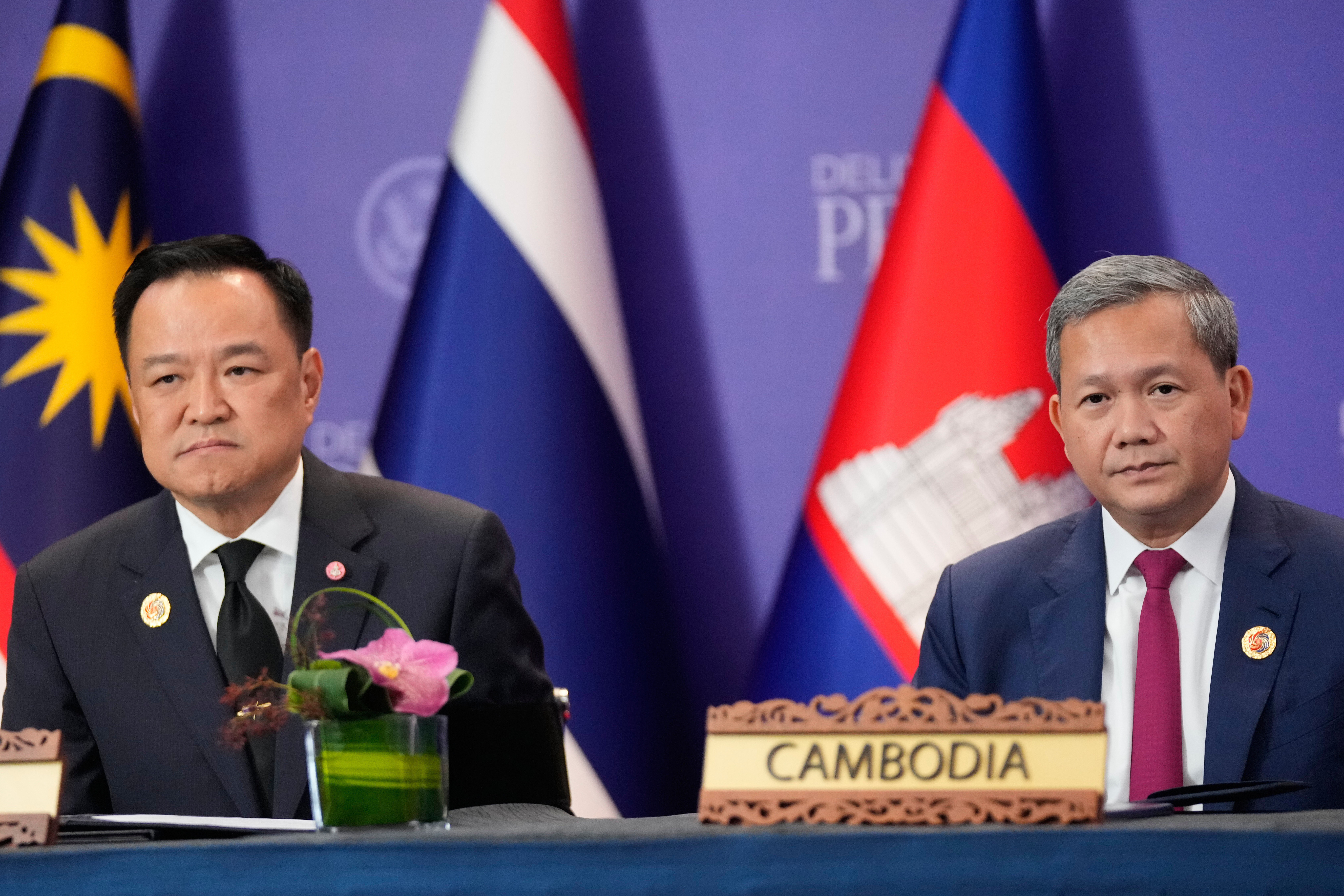
The border conflict with Cambodia adds another layer of complexity. Simultaneous to the political upheaval, four consecutive days of fighting have resulted in at least 20 fatalities and nearly 200 wounded, demonstrating that internal political instability coexists with significant regional security challenges. Critically, Anutin has emphasized that military deployments will continue uninterrupted, suggesting a deliberate strategy of maintaining national security amid political transition.
For international observers and stakeholders, this represents more than a simple electoral event. It signals a profound recalibration of Thailand's political ecosystem—a system struggling to balance democratic aspirations with institutional resilience. The upcoming election is not just about selecting new leadership, but about potentially restructuring the fundamental dynamics of governance in Southeast Asia's second-largest economy.
Questions 3
Why did Prime Minister Anutin dissolve parliament?
Anutin dissolved parliament to preempt a potential no-confidence vote and reset political dynamics. He was leading a minority government facing significant internal pressures, including demands from the People's Party for constitutional reforms and mounting criticism over economic challenges and border conflicts.
What are the immediate implications of this parliamentary dissolution?
The dissolution triggers mandatory elections within 45-60 days, creating a period of potential political uncertainty. It signals ongoing institutional volatility, with potential shifts in political power dynamics and continued economic pressure on Thailand's businesses and international relations.