


Fed Chair Warsh Nomination Signals Inflation-First Policy | Cross-Border Seller Impact 2026
- Warsh's confirmation (April 2026) prioritizes price stability over rate cuts, affecting currency volatility and borrowing costs for 50K+ cross-border sellers









Overview
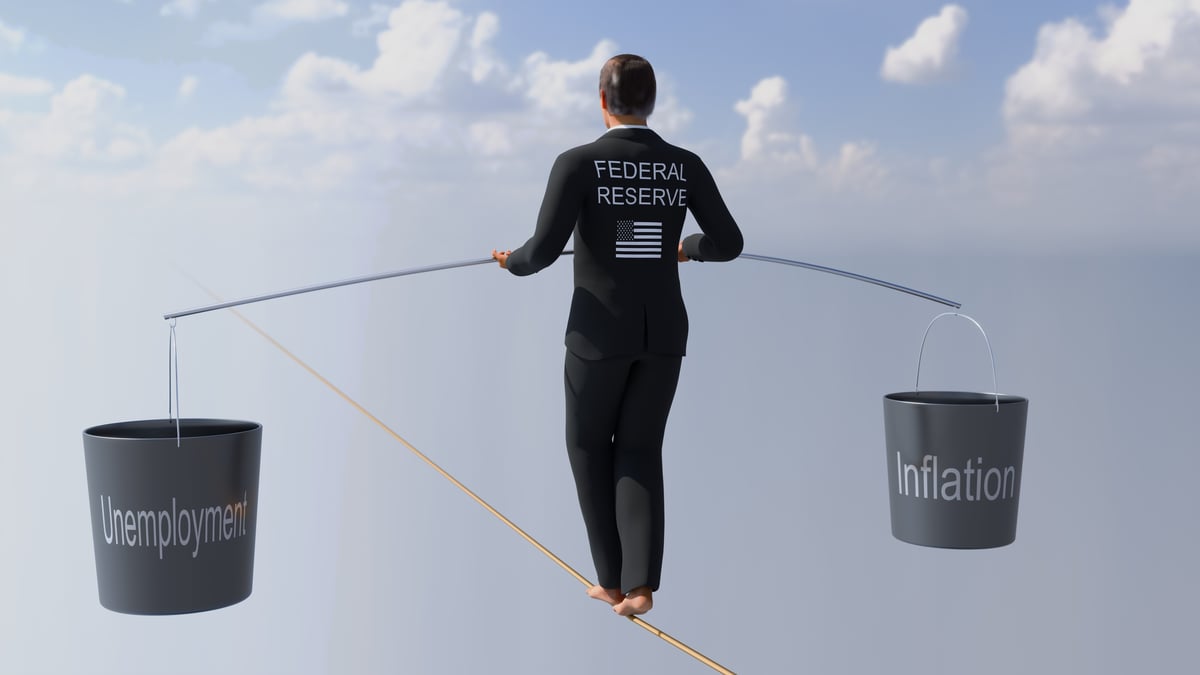
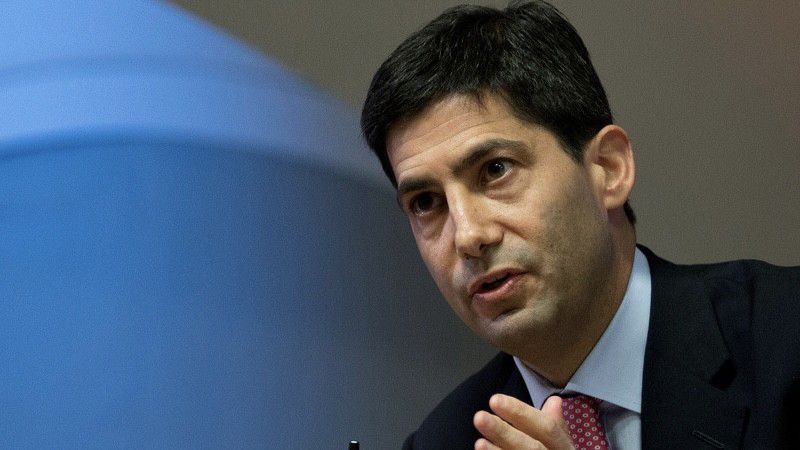
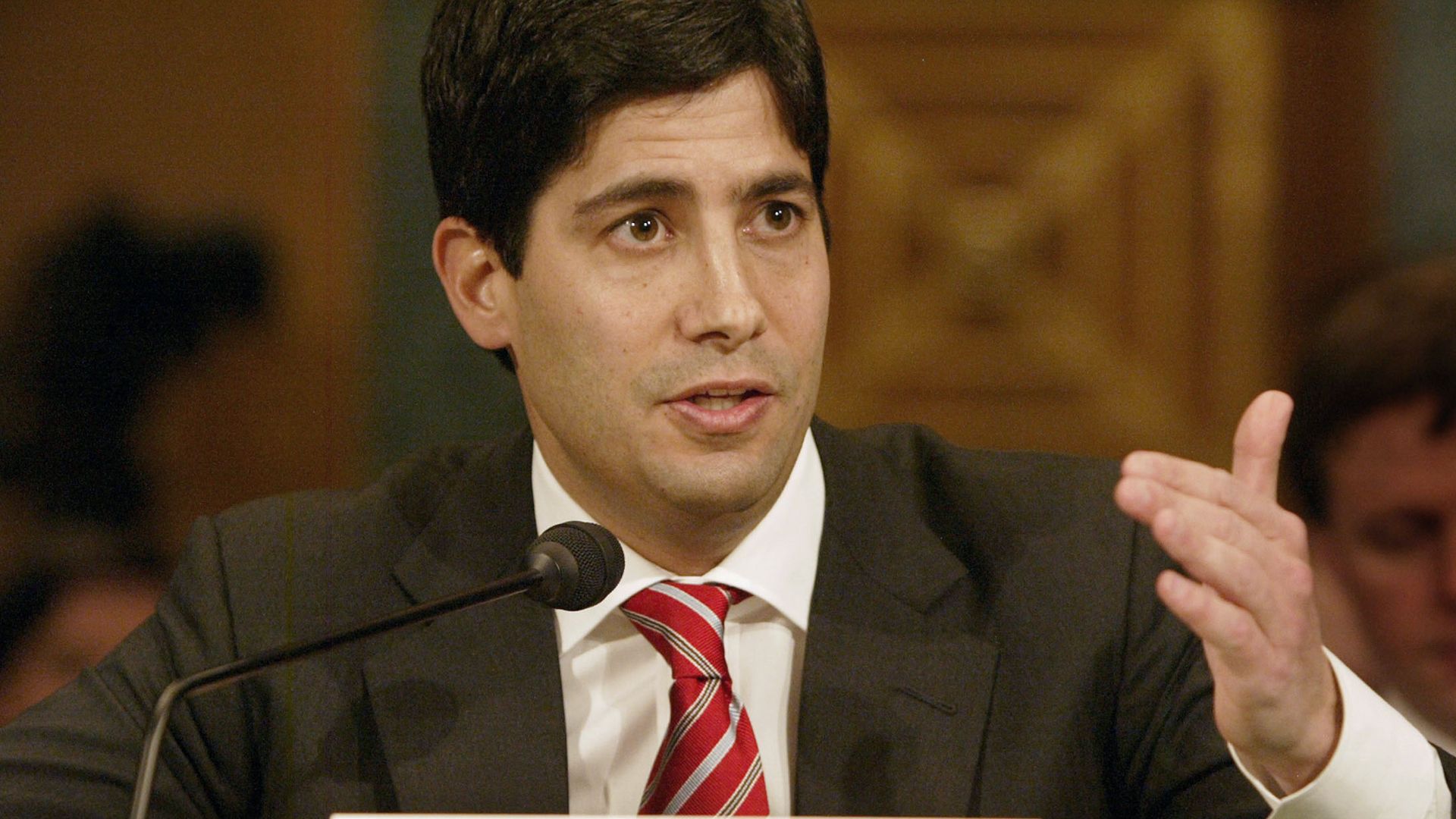
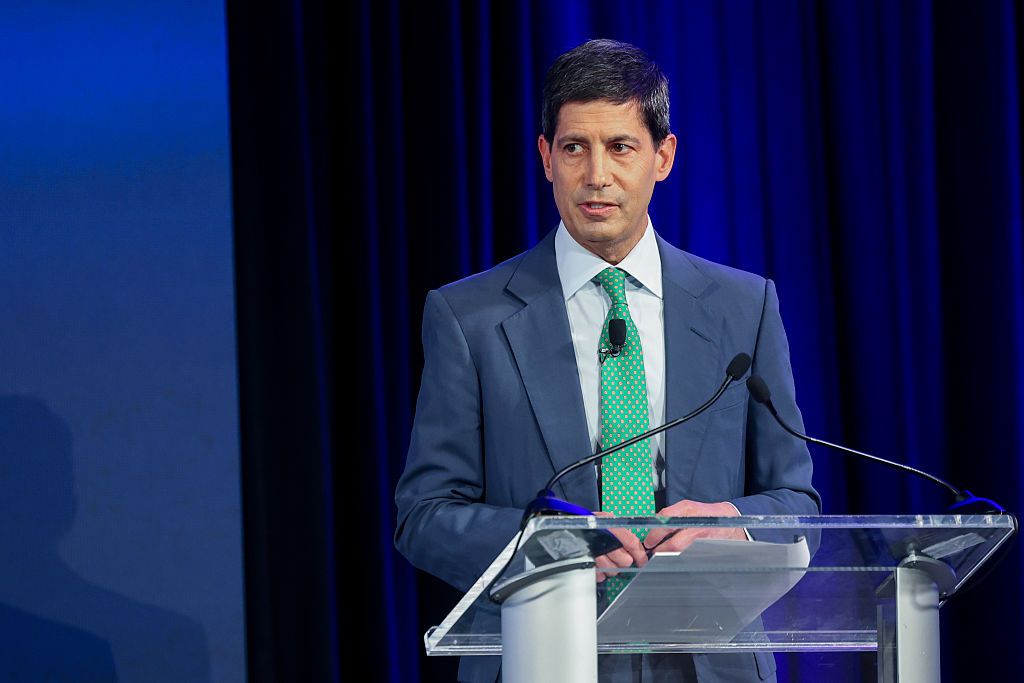
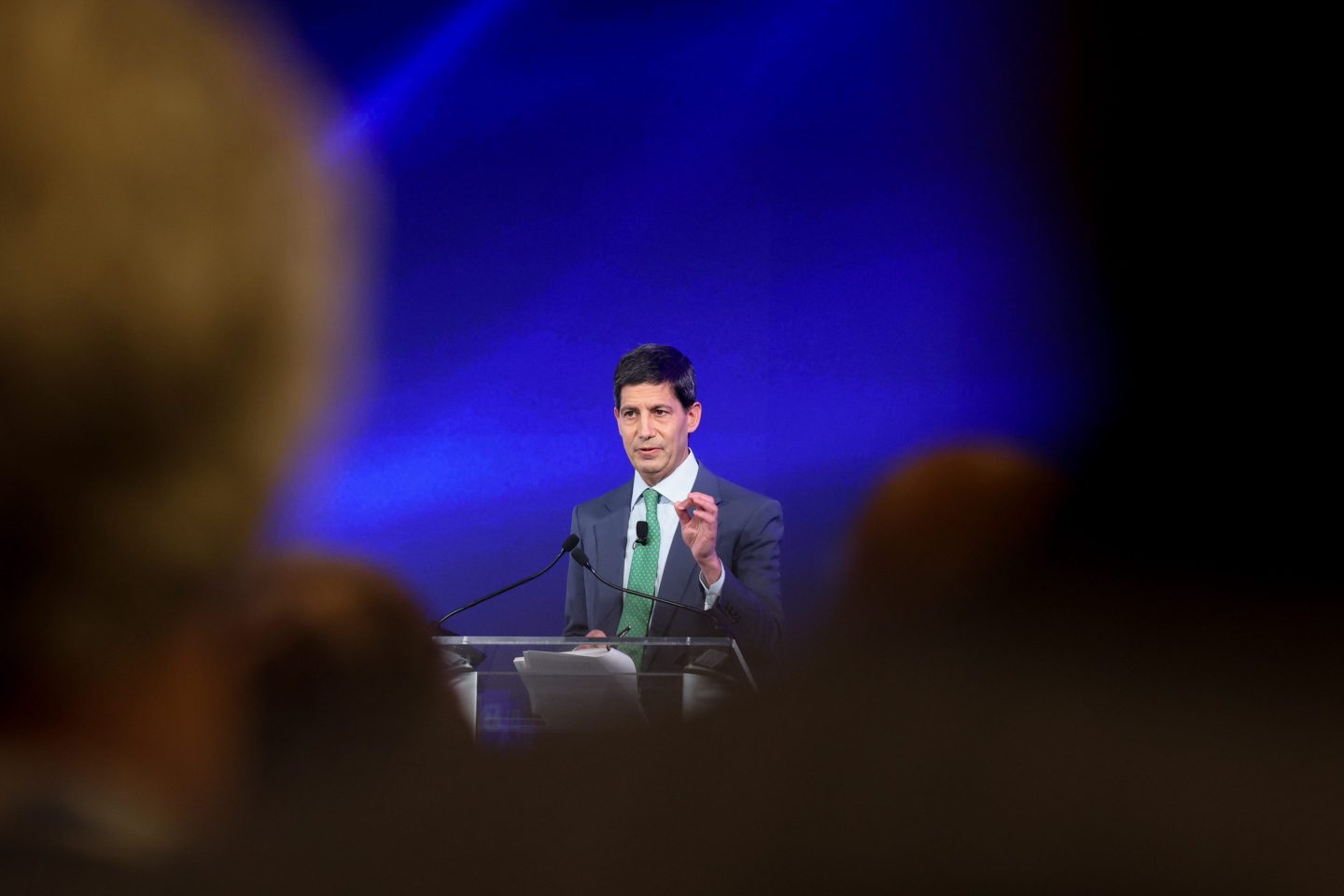
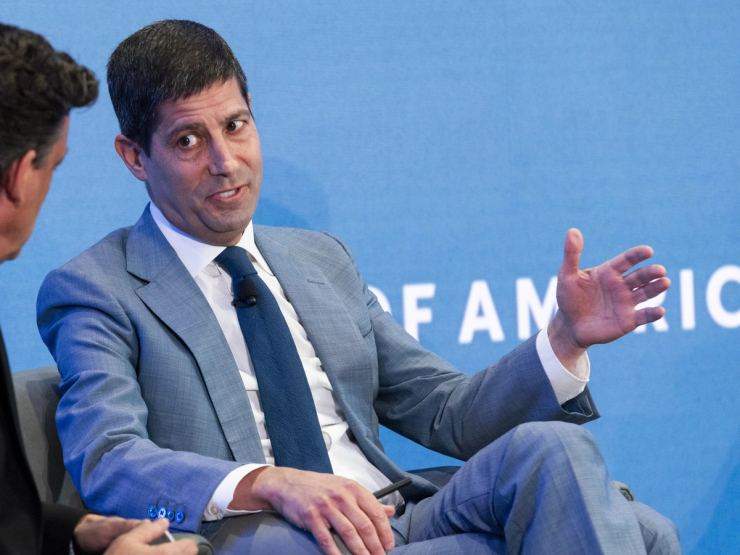
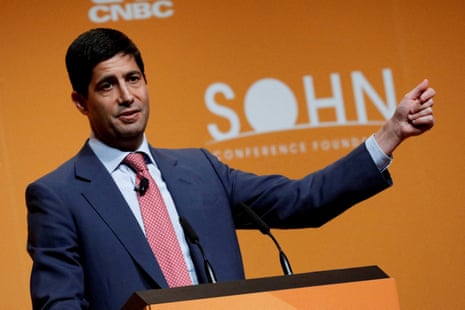
Kevin Warsh's nomination as Federal Reserve Chair, announced in late January 2026 with confirmation hearing in April 2026, represents a critical inflection point for U.S. monetary policy with direct implications for cross-border e-commerce sellers. Warsh, a former Federal Reserve Governor (2006-2011) with 2008 financial crisis experience, has positioned himself as an inflation-fighter committed to "price stability" and Fed operational independence—a stance that contradicts Trump's year-long pressure for rate cuts. This creates a fundamental tension: Warsh's prepared testimony emphasizes the Fed must "stay in its lane" on monetary policy while acknowledging elected officials expressing rate-cut views don't inherently threaten independence, providing political cover for Trump while maintaining hawkish inflation-fighting credentials.
For cross-border e-commerce sellers, Warsh's likely confirmation signals tighter monetary conditions ahead. His explicit criticism of the Powell-era Fed for failing to anticipate persistent post-pandemic inflation suggests he will prioritize fighting price pressures over supporting economic growth or employment. This inflation-first approach typically translates to higher interest rates, stronger U.S. dollar valuations, and reduced consumer purchasing power—particularly damaging for lower-income households that Warsh specifically cited as inflation victims. Sellers relying on U.S. consumer demand face compressed margins as borrowing costs for inventory financing and business expansion increase 50-150 basis points above current levels. Currency volatility becomes acute: a stronger dollar makes U.S. imports more expensive (hurting sellers sourcing from Asia) while making U.S. exports less competitive globally.
The confirmation process faces complications but appears likely to succeed. Senator Thom Tillis vowed to block nomination from committee pending resolution of a U.S. attorneys office investigation into the Fed's multibillion-dollar headquarters renovation project—a governance concern Warsh himself referenced. However, White House officials express confidence in confirmation, citing Warsh's academic credentials and private sector experience. Current Chair Jerome Powell pledged to remain until the investigation concludes, providing continuity. The May 2026 transition timeline creates 4-6 weeks of policy uncertainty where sellers cannot reliably forecast interest rate trajectories or currency movements.
Strategic implications for sellers: Warsh's emphasis on Fed independence from fiscal/social policy expansion (climate, inequality initiatives) suggests reduced support for ESG-aligned lending programs, potentially raising capital costs for sustainable business practices. His "stay in its lane" doctrine may also signal reduced Fed intervention in financial stability crises, increasing systemic risk premiums that sellers pay through higher borrowing costs. The nomination's political dimensions—balancing Trump pressure against Fed independence—create ongoing uncertainty about whether Warsh can withstand rate-cut demands, making long-term planning difficult for sellers dependent on stable monetary conditions.
Questions 7
How does Warsh's criticism of Powell's inflation response affect seller pricing strategies?
Warsh explicitly criticized the Powell-era Fed for failing to anticipate persistent post-pandemic inflation, signaling he will adopt more aggressive rate-hiking policies to prevent future inflation surprises. This means sellers should expect the Fed to raise rates preemptively even if inflation appears controlled, creating a higher-rate environment than current conditions. Sellers with price-sensitive customer bases (lower-income households Warsh specifically cited) will face reduced consumer purchasing power and demand compression. Adjust pricing strategies by implementing 5-8% price increases on discretionary categories before May 2026 to capture demand before consumer spending contracts. Monitor inflation data releases monthly through the Bureau of Labor Statistics to anticipate Warsh's rate-hiking decisions and adjust inventory purchasing accordingly.
Will Warsh's Fed confirmation delay happen due to the headquarters investigation?
Senator Thom Tillis vowed to block the nomination from committee pending resolution of the U.S. attorneys office investigation into the Fed's multibillion-dollar headquarters renovation project, but White House officials express confidence in confirmation. The investigation's timeline remains unclear, creating 4-6 weeks of policy uncertainty through May 2026. Current Chair Powell pledged to remain until the investigation concludes, providing continuity. Most analysts expect the investigation to resolve without blocking confirmation, but sellers should prepare contingency plans assuming either Powell's extended tenure or Warsh's May 2026 transition. Monitor Senate Banking Committee hearing schedules and U.S. attorneys office announcements weekly for investigation updates that could accelerate or delay confirmation.