


European Banking Consolidation Crisis | Cross-Border Payment Processing & SME Financing at Risk
- UniCredit's €35B hostile takeover of Commerzbank threatens payment infrastructure for 50K+ EU e-commerce sellers; regulatory uncertainty extends to Q2 2027 with potential 12-18 month service disruptions












Overview
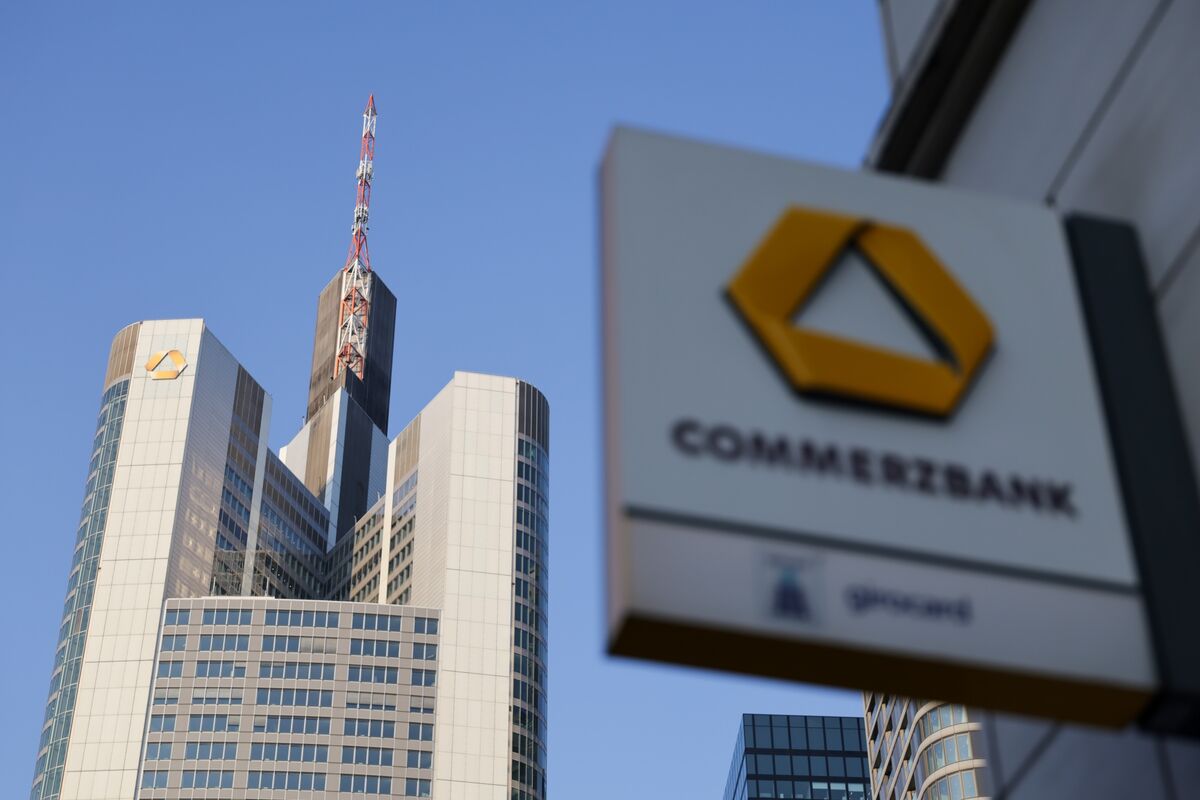
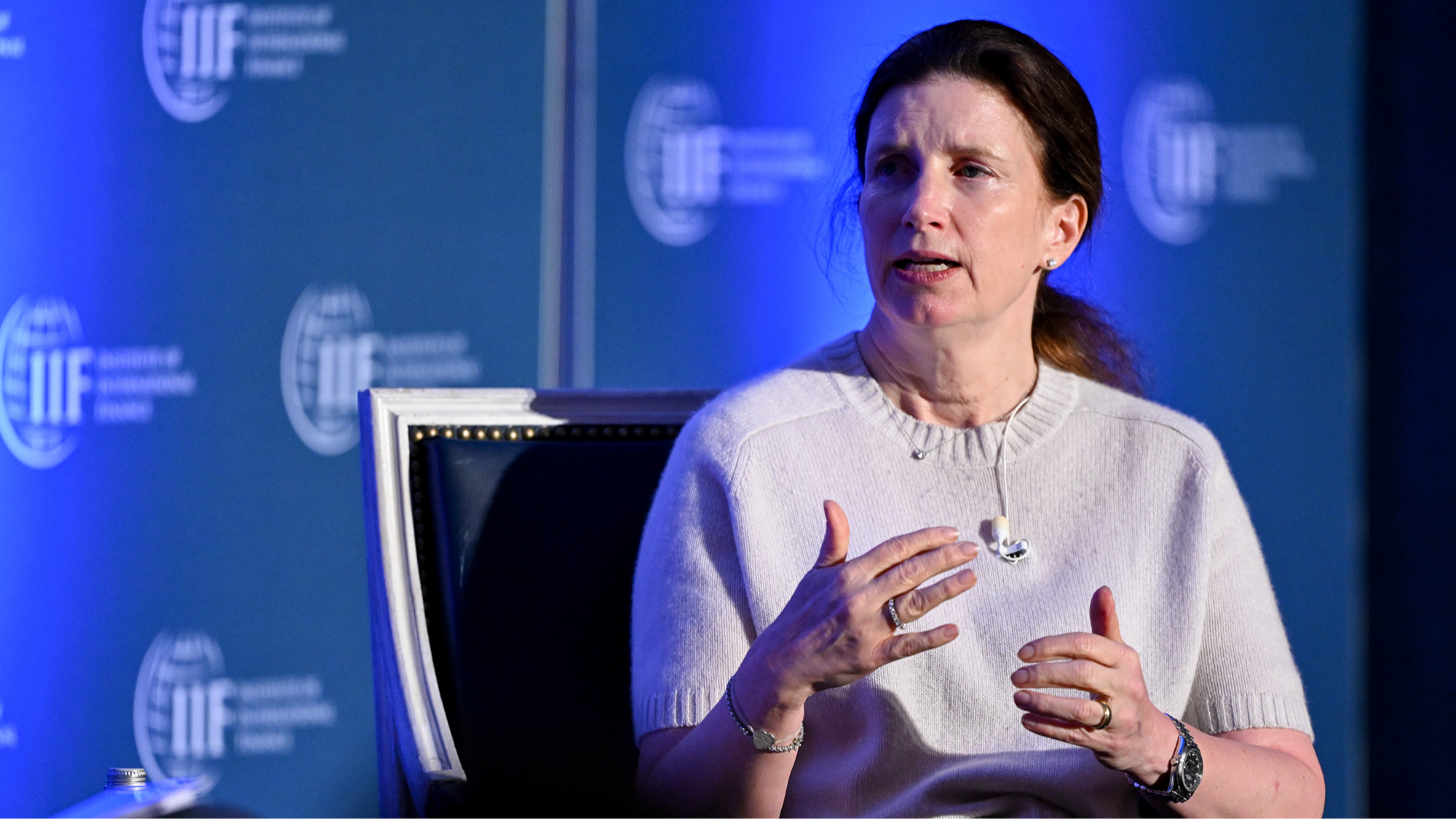
UniCredit's aggressive pursuit of Commerzbank represents a watershed moment in European banking consolidation with direct operational consequences for cross-border e-commerce sellers. Since September 2024, UniCredit has accumulated a near-30% stake in Germany's second-largest bank, triggering mandatory takeover requirements under German financial regulations. CEO Andrea Orcel announced the "Unlocked" proposal on April 20, 2026, projecting €1.1 billion in cross-border value generation by 2030 and €600 million in additional net profit by 2028. However, German Chancellor Friedrich Merz's public opposition and Commerzbank's rejection of the bid signal potential regulatory hurdles extending through Q2 2027, with merger execution delayed until 2029 if control materializes.
The consolidation battle directly impacts payment processing infrastructure and working capital solutions for SME exporters. Commerzbank operates mBank, a significant Polish subsidiary serving Central European e-commerce merchants, while UniCredit's HypoVereinsbank subsidiary provides merchant services across Germany and Austria. The proposed 18-month integration period followed by potential HVB combination creates operational uncertainty for sellers relying on these institutions for cross-border payment processing, trade finance, and merchant account services. UniCredit's cost-cutting strategy targets Commerzbank's international network and domestic operations, projecting €600 million in efficiency gains—changes that could affect service availability and fee structures for SME sellers conducting transactions across EU markets.
Political resistance and regulatory complexity create extended uncertainty for seller banking relationships. German Chancellor Merz's statement—"this does not mean that every form and type of takeover is welcome in Germany"—signals nationalist concerns about foreign acquisition of critical financial infrastructure. The multi-scenario approach outlined by Orcel reveals strategic optionality: maintaining a 30% stake generates 20% returns for UniCredit investors, potentially exceeding returns from majority ownership, suggesting the consolidation battle may extend 12-18 months beyond current timelines. For cross-border sellers, this extended uncertainty affects banking relationship stability, payment processing continuity, and access to trade finance facilities that support inventory financing and working capital management across EU markets.
Broader consolidation trends reshape European payment services competition and pricing. Banking sector consolidation historically reduces competition among payment processors, potentially increasing merchant fees and reducing service options for SME sellers. The outcome of UniCredit's push will establish precedents for future cross-border financial acquisitions within Europe, influencing how consolidated banking groups structure merchant services divisions and pricing models. Sellers currently utilizing Commerzbank or UniCredit-affiliated institutions for payment processing, merchant accounts, or trade finance should monitor regulatory developments and consider diversifying banking relationships to mitigate service disruption risks during the 2026-2029 integration period.
Questions 8
What are the implications of UniCredit's focus on German and Polish markets for sellers in other EU regions?
UniCredit's proposed strategic repositioning refocuses Commerzbank on core German and Polish markets, potentially reducing service availability in peripheral EU regions (Benelux, Southern Europe, Baltics). This could create opportunities for regional banks and fintech providers to capture market share from underserved sellers. For sellers in Germany and Poland, consolidation may improve service quality and reduce costs through operational efficiency gains. However, sellers in other EU markets should proactively establish banking relationships with regional providers before 2027 to avoid service gaps. The merger's outcome will likely reshape European banking competitive dynamics, creating both risks and opportunities depending on your geographic focus.
Should I diversify my banking relationships to mitigate UniCredit-Commerzbank merger risks?
Yes, diversification is prudent risk management. Sellers currently using Commerzbank, mBank, or UniCredit-affiliated institutions for payment processing, merchant accounts, or trade finance should establish relationships with alternative providers by Q4 2026. Consider regional banks (Sparkasse, Rabobank), fintech payment processors (Wise, Stripe), or alternative trade finance providers (EIB, KfW). This approach reduces dependency on any single institution during the 2027-2029 integration period. Diversification also provides negotiating leverage if either bank attempts to increase fees or reduce service offerings during consolidation.