

Airline Industry Fuel Crisis Threatens Logistics Capacity | E-Commerce Sellers Face Rising Shipping Costs
- Jet fuel prices doubled to $4.32/gallon amid Iran conflict; major carriers raising fees and reducing capacity, directly impacting air freight costs for cross-border sellers shipping perishables, electronics, and time-sensitive inventory
.jpg)






Overview
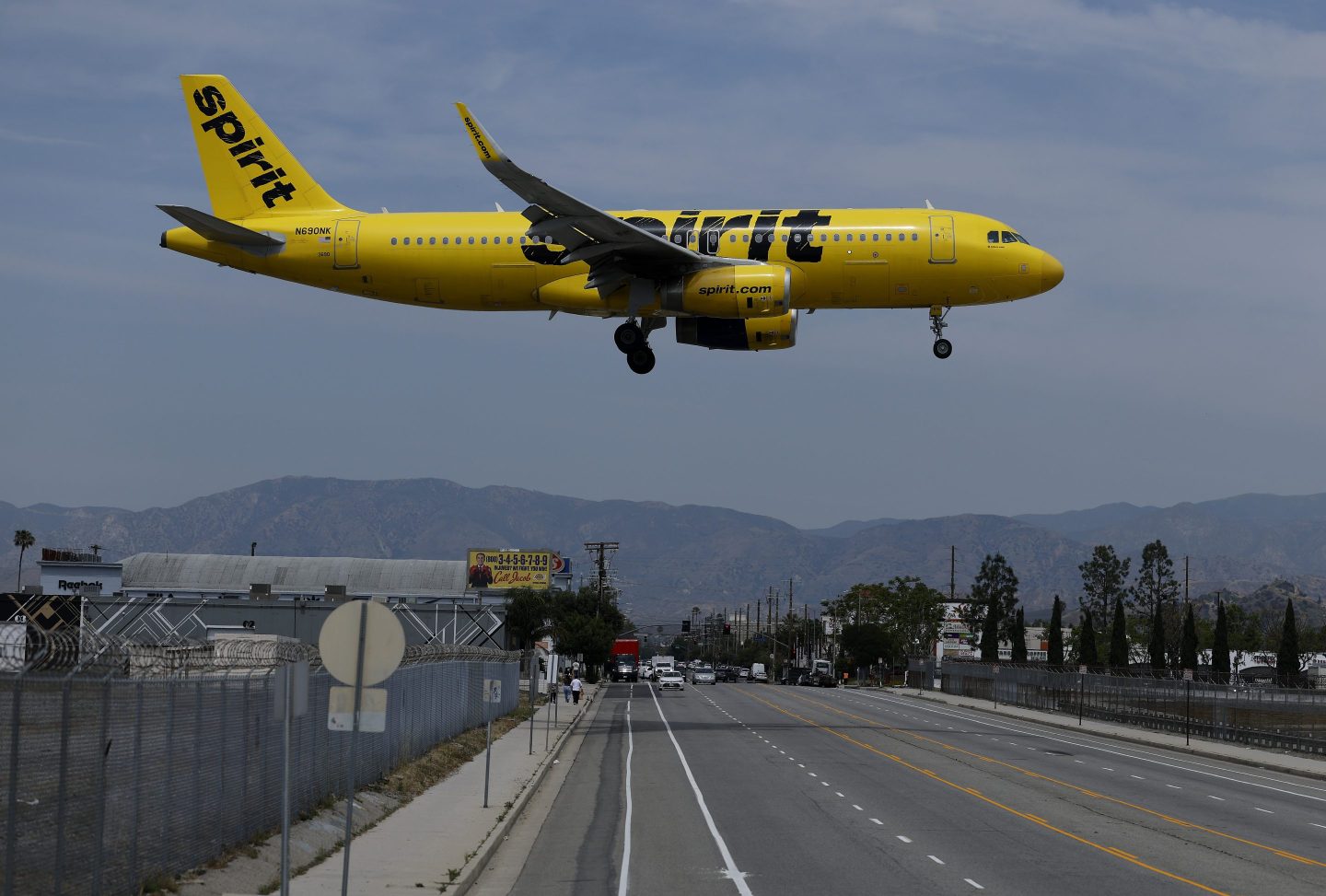
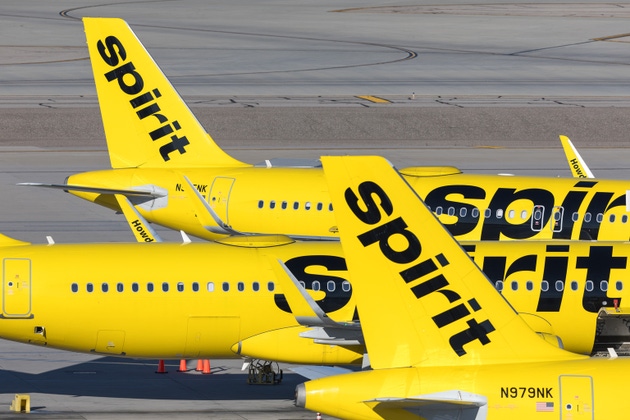
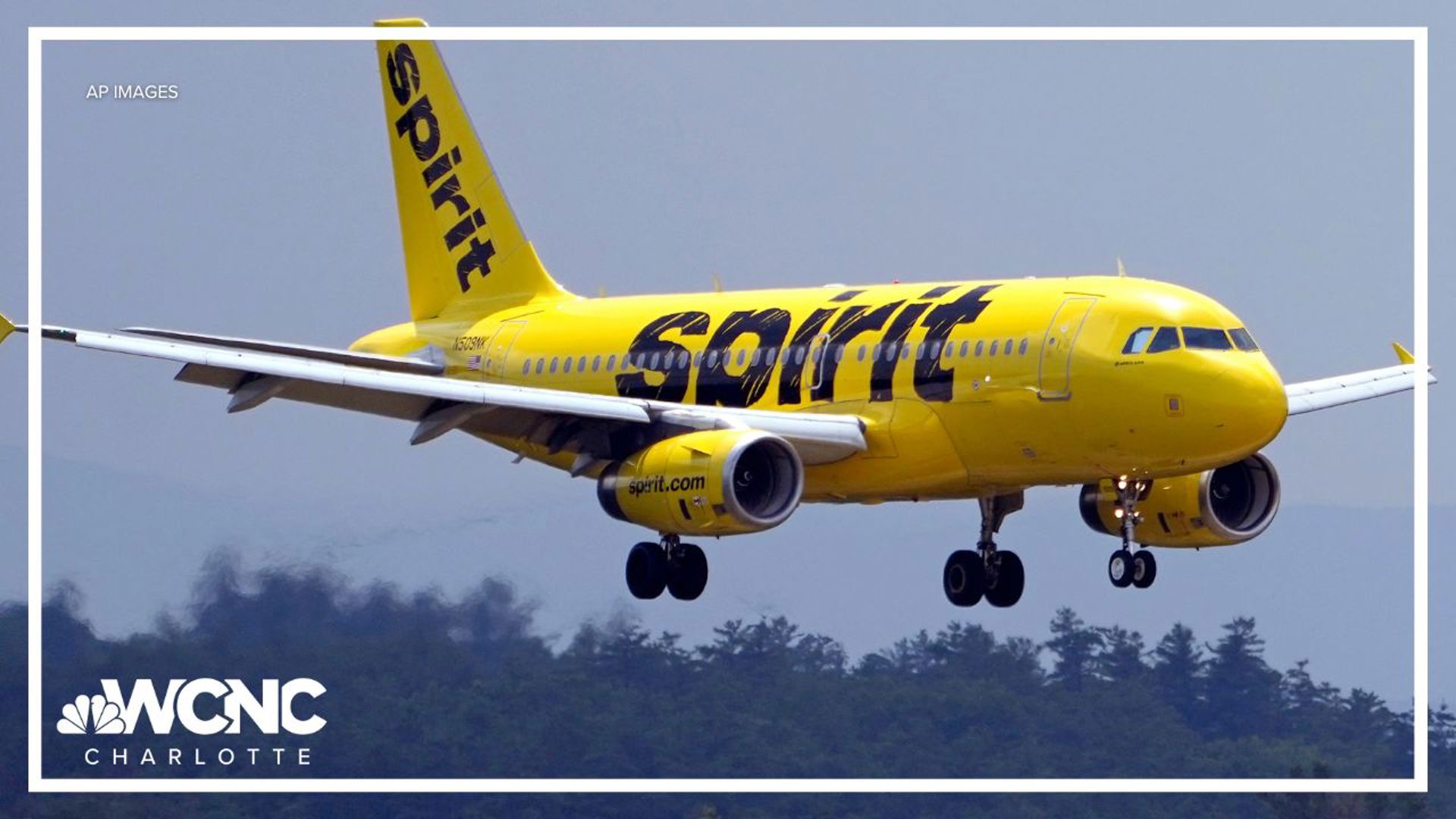
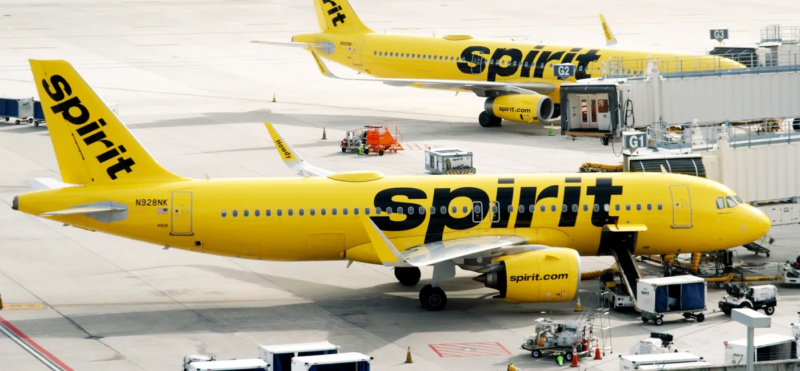
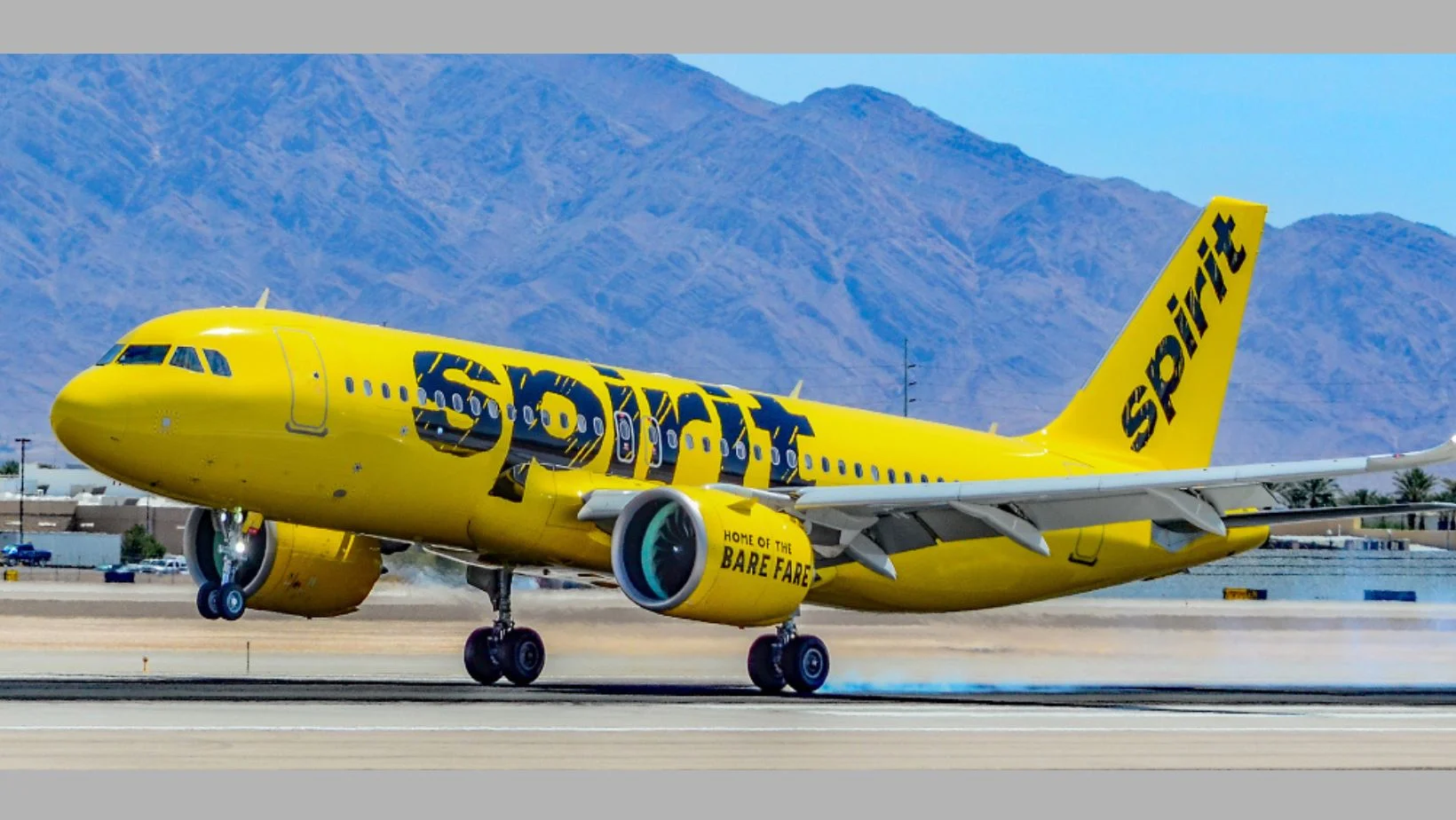
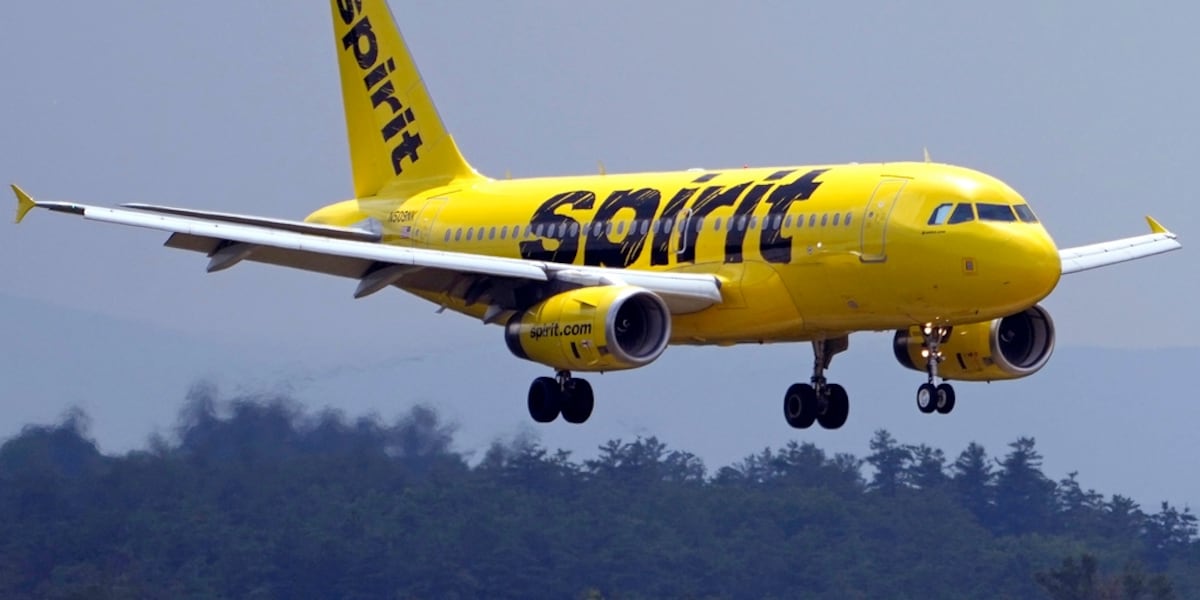
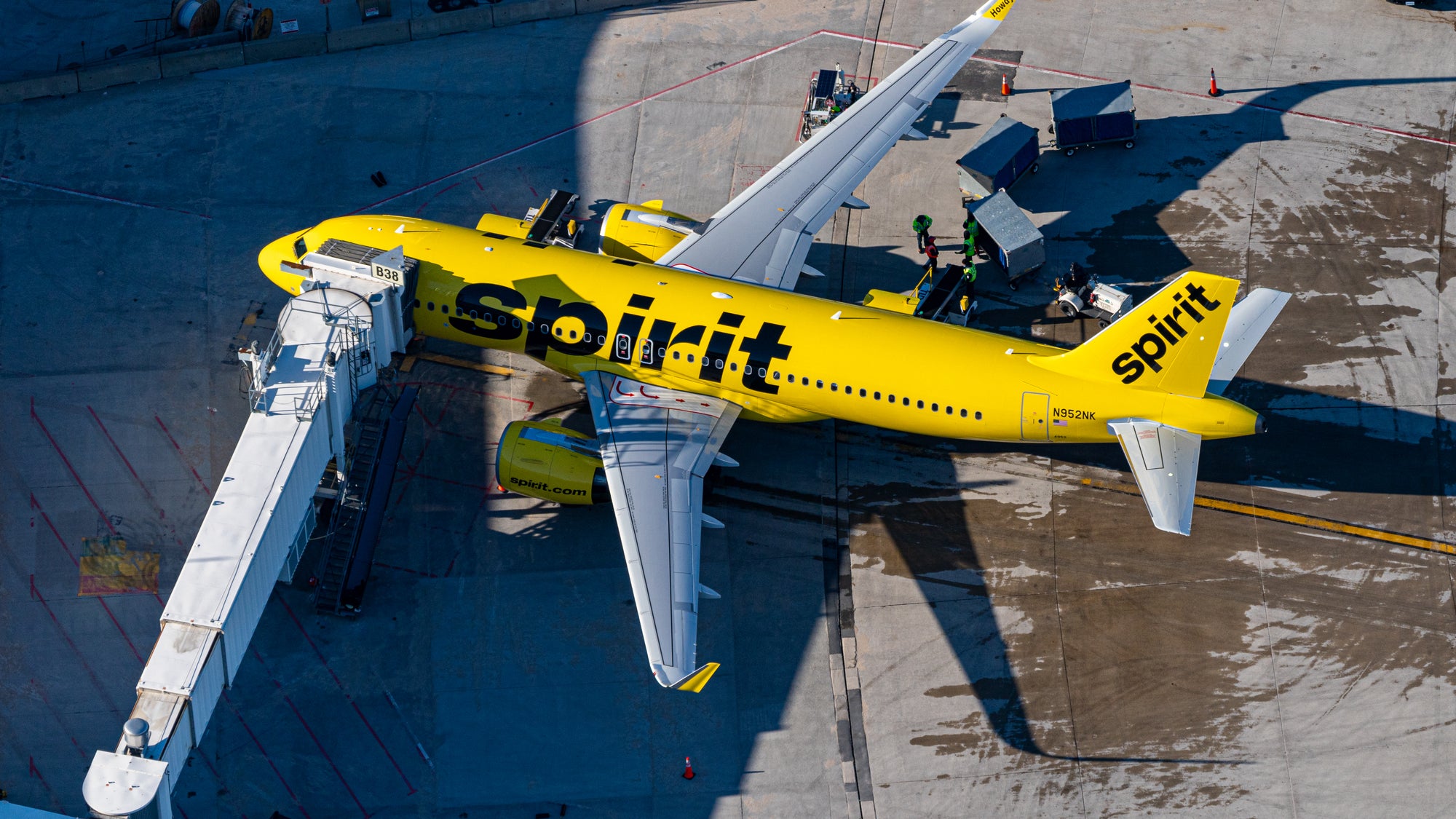
The aviation industry faces an existential crisis triggered by geopolitical disruption, with direct implications for cross-border e-commerce sellers relying on air freight logistics. Spirit Airlines, a major ultra-low-cost carrier, has requested emergency government funding to avoid liquidation as jet fuel prices doubled from pre-conflict levels of $2.24 to $4.32 per gallon as of April 16, 2026, following the Iran conflict beginning February 24, 2026. This represents a 93% price increase that fundamentally undermines airline profitability models. According to J.P. Morgan analysis, if fuel prices remain at $4.60 per gallon, Spirit's operating margin could deteriorate to negative 20%, adding approximately $360 million in unexpected expenses—exceeding the airline's entire cash balance. The crisis extends industry-wide: Delta reported $400 million in additional operating costs, while United warned of $11 billion annual impact if sustained fuel prices remain at twice pre-war levels.
For e-commerce sellers, this airline instability creates cascading logistics challenges. Major carriers including American, United, Delta, Southwest, and JetBlue have raised checked bag fees to offset fuel surcharges, signaling broader cost increases across air freight services. Sellers utilizing air freight for perishable goods (fresh food, pharmaceuticals), electronics, and time-critical inventory face three immediate pressures: (1) Reduced capacity as airlines like Spirit reduce off-peak flying and focus operations on core hubs in Florida, Detroit, and New York; (2) Rising fuel surcharges that compress margins on high-velocity, low-margin categories; (3) Operational uncertainty if carriers liquidate, disrupting established shipping lanes and forcing rapid logistics provider switches. The International Air Transport Association warned that jet fuel prices will take months to return to pre-war levels, indicating sustained cost pressure through Q3 2026 at minimum.
The government intervention precedent matters significantly. Spirit's bailout negotiations with the Trump administration (as of April 20, 2026) could establish policy frameworks for supporting other transportation providers critical to e-commerce supply chains. If bailout occurs, it stabilizes capacity but likely includes fuel surcharge pass-through to shippers. If liquidation proceeds, sellers lose a low-cost carrier option and face consolidation among remaining providers with pricing power. Sellers shipping via air freight should immediately audit their logistics provider concentration risk—over-reliance on any single carrier creates vulnerability to sudden capacity loss or fee increases. The crisis reveals that ultra-low-cost carrier business models (operating on 40%+ fuel cost ratios) cannot absorb sustained fuel price shocks, forcing consolidation toward larger, more diversified carriers with hedging capabilities.
Questions 8
How long will elevated jet fuel prices impact air freight costs?
The International Air Transport Association warned that jet fuel prices will take months to return to pre-war levels. Industry projections suggest sustained elevated prices through Q3 2026 at minimum. Spirit Airlines' restructuring plan assumed fuel prices declining to $2.14 per gallon by 2027, but actual prices exceeded $4 per gallon in April 2026. Sellers should budget for 6-12 months of elevated fuel surcharges and consider locking in rates with carriers offering fuel price caps or hedging agreements.
Which seller categories are most vulnerable to airline industry disruption?
Sellers in perishable goods (fresh food, pharmaceuticals, temperature-controlled products), electronics with short shelf lives, and time-critical inventory face highest vulnerability. These categories depend on air freight for speed and rely on consistent capacity. Perishable goods sellers face dual risk: rising fuel surcharges compress already-thin margins (typically 10-15%), while capacity reductions force longer transit times that damage product quality. Sellers should evaluate switching to ocean freight for non-urgent shipments and negotiate volume commitments with multiple carriers to secure capacity.