



Inflation Surge 3.3% | Cross-Border Sellers Face 2-Year Cost Pressure Through 2027
- Federal Reserve raises 2026 inflation forecast to 2.7%, largest revision in recent cycles; shipping costs surge 8-15% as crude oil hits $99/barrel amid Strait of Hormuz disruptions; interest rates held at 3.5-3.75% with only one cut projected for 2026







Overview
The Federal Reserve's March 18, 2026 inflation forecast revision represents a critical inflection point for cross-border e-commerce sellers, with core inflation raised from 2.5% to 2.7% and headline inflation expectations climbing to 2.7% from 2.4%—marking the largest single-year upward revision in recent cycles. This deterioration stems directly from geopolitical supply disruptions: military actions against Iran since February 28, 2026 have restricted global oil supply through the Strait of Hormuz, with West Texas Intermediate crude closing at $99.08 per barrel on April 13 and regular gasoline surging to over $4 per gallon by mid-April. The U.S. Bureau of Labor Statistics reported inflation at 3.3% for the 12-month period ending March 2026, up 90 basis points from February, while the U.S. Energy Information Administration projects gasoline prices will not fall below $3 per gallon before end of 2027—establishing a two-year cost pressure window for sellers.
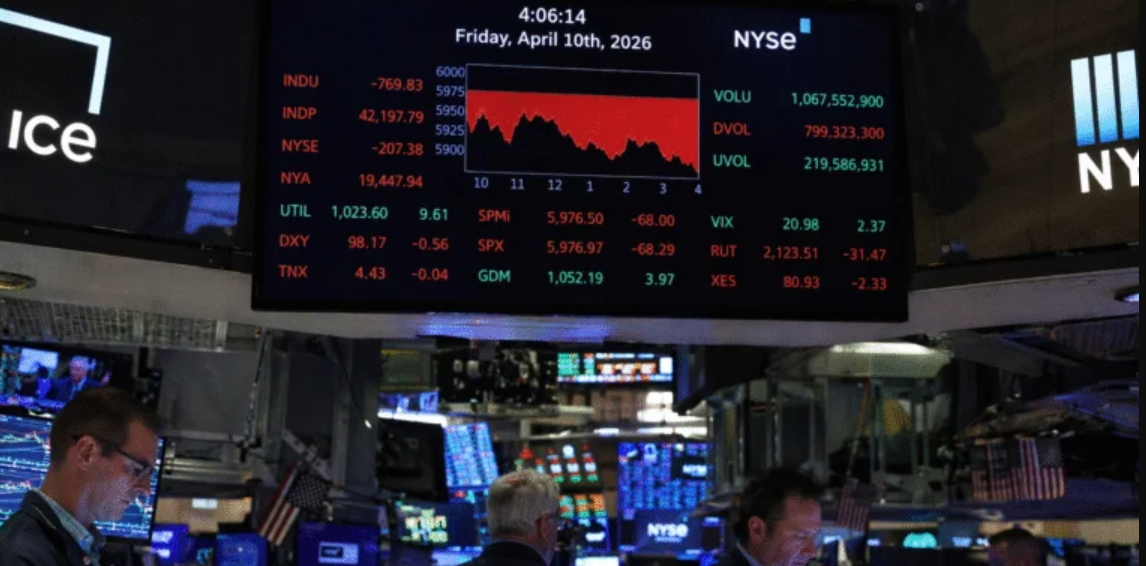
The operational impact on cross-border e-commerce is immediate and multifaceted. Shipping and logistics expenses rise directly with fuel costs, with diesel prices increasing even more steeply than gasoline. Inventory carrying costs escalate as working capital requirements expand, while product sourcing becomes more expensive across international supply chains. The Federal Open Market Committee voted 11-1 to maintain rates at 3.5-3.75%, with the dot plot showing only one rate cut projected for 2026, eliminating the relief sellers anticipated from lower borrowing costs. This creates a worst-case scenario: sellers face sustained cost pressures while consumer purchasing power erodes, potentially dampening demand across multiple product categories. The Shiller CAPE Ratio stands at 36.48 as of April 2026—more than double the historical average of 17—indicating elevated stock market valuations that may not sustain if inflation persists, creating broader economic uncertainty that affects consumer spending patterns.
Sellers dependent on international shipping face the most acute margin compression. Thin-margin sellers in categories like electronics, apparel, and home goods will experience 8-15% cost increases in shipping alone, with additional pressure from inventory carrying costs and sourcing expenses. The two-year normalization timeline for oil production (with Iranian refinery strikes hampering global output) means this is not a transitory shock but a structural cost increase through 2027. Sellers must immediately reassess pricing strategies, working capital planning, and inventory management approaches. Those with flexibility should consider shifting 20-30% of inventory to regional 3PL providers to reduce long-haul shipping exposure, while evaluating alternative marketplaces with lower fee structures. The combination of geopolitical supply disruptions and persistent inflation represents a significant operational and financial headwind requiring proactive cost management and strategic repositioning.
Questions 8
How does the Federal Reserve's inflation forecast revision affect consumer spending?
The Federal Reserve raised its 2026 inflation forecast from 2.4% to 2.7%—the largest single-year upward revision in recent cycles—signaling sustained price pressures that erode consumer purchasing power. The U.S. Bureau of Labor Statistics reported inflation at 3.3% for the 12-month period ending March 2026, up 90 basis points from February. This persistent inflation, combined with elevated stock market valuations (Shiller CAPE Ratio at 36.48, more than double the historical average of 17), creates economic uncertainty that dampens consumer spending. Sellers should expect demand softening across discretionary categories (apparel, home goods, electronics) while essential categories may see volume increases. Monitor category-specific sales trends weekly and adjust inventory allocation accordingly.
Will the Federal Reserve cut interest rates to help sellers with borrowing costs?
No rate relief is expected in 2026. The Federal Open Market Committee voted 11-1 to maintain rates at 3.5-3.75%, with the dot plot showing only one rate cut projected for 2026—insufficient to offset inflation pressures. This means sellers cannot rely on lower borrowing costs to improve cash flow or finance inventory expansion. Working capital costs will remain elevated, making it critical for sellers to optimize inventory turnover and reduce carrying costs. Sellers should prioritize cash flow management and consider reducing inventory levels by 15-20% to minimize working capital requirements through 2027.