

Satellite Internet Delays Impact E-Commerce Logistics | Blue Origin Grounding Threatens Amazon Leo Project Timeline
- FAA grounds New Glenn after payload failure; Amazon's $11B Leo satellite project faces launch delays; sellers relying on satellite-based logistics face supply chain uncertainty through 2026-2027
















Overview
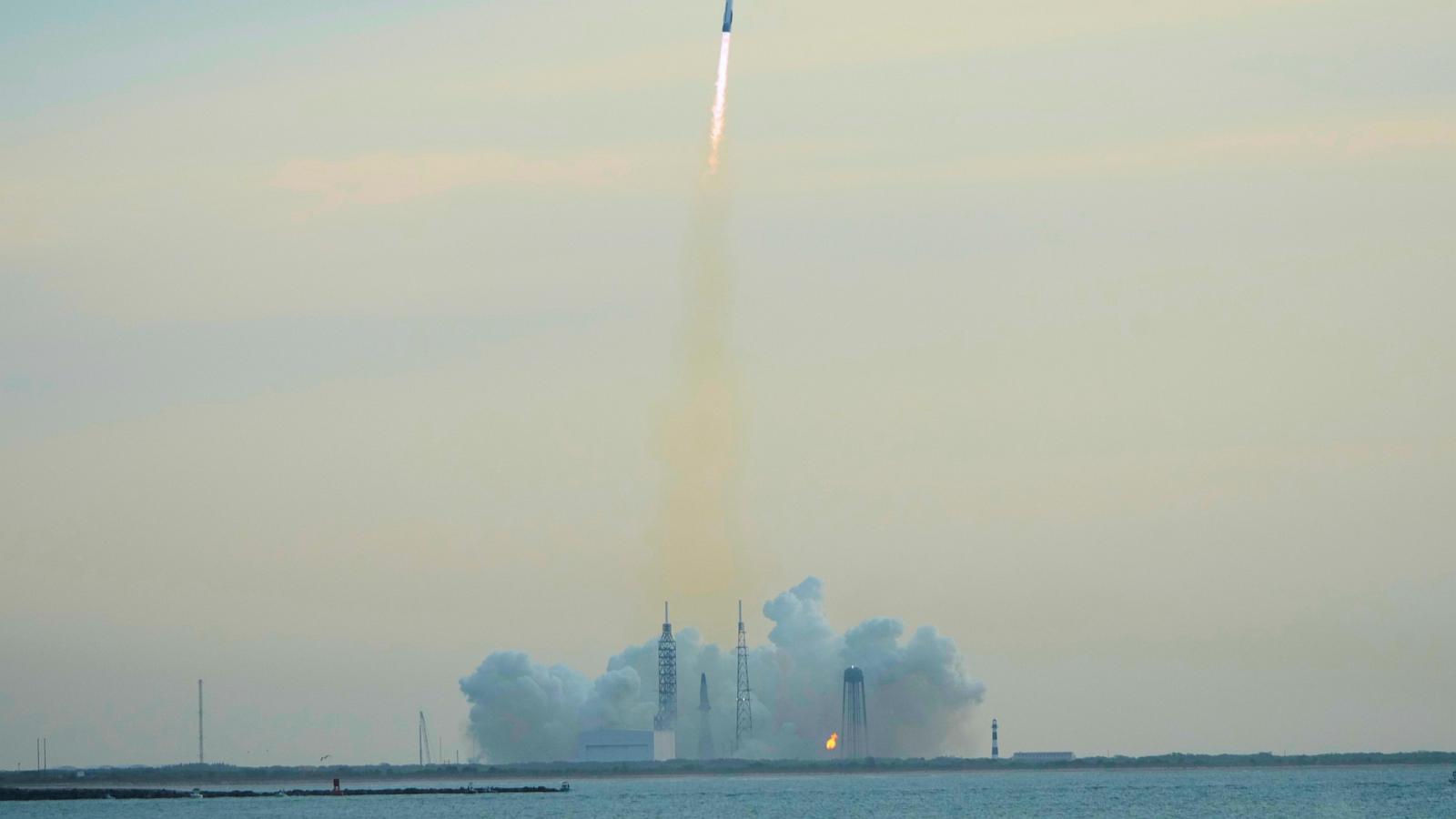
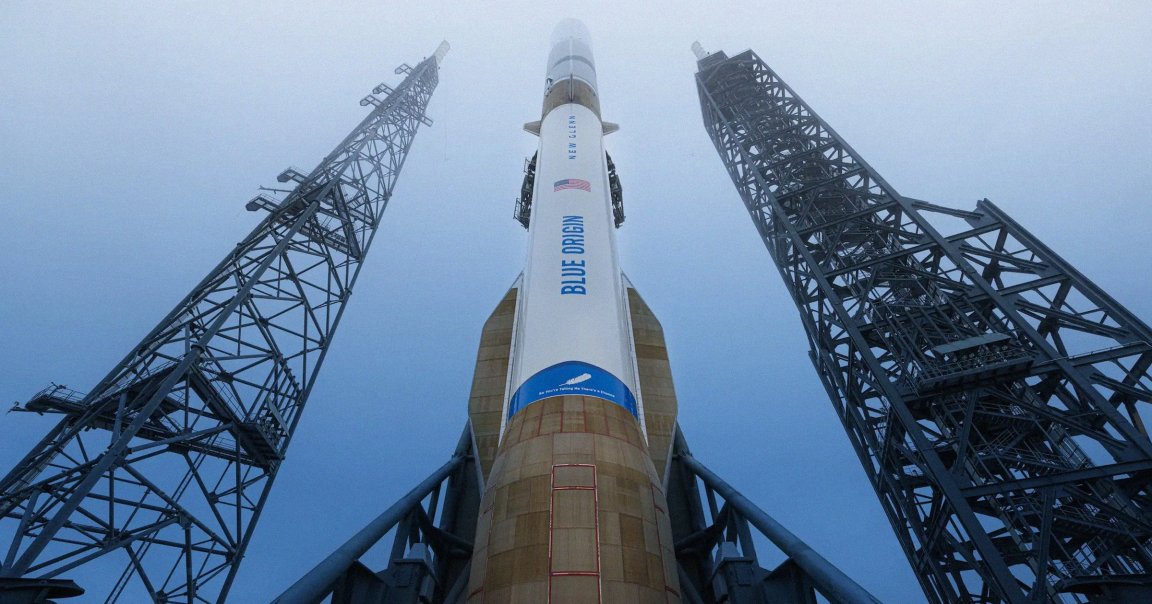
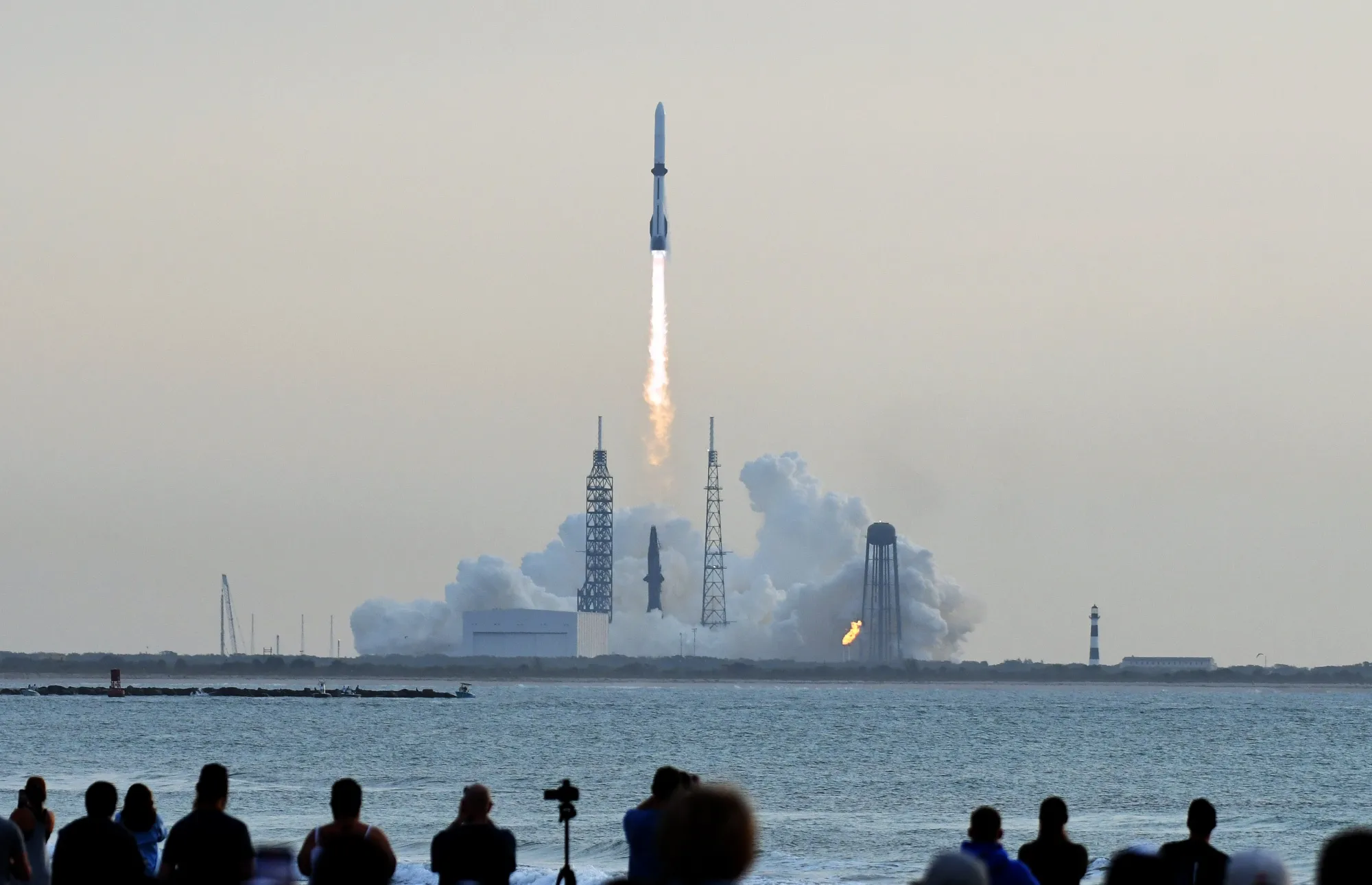
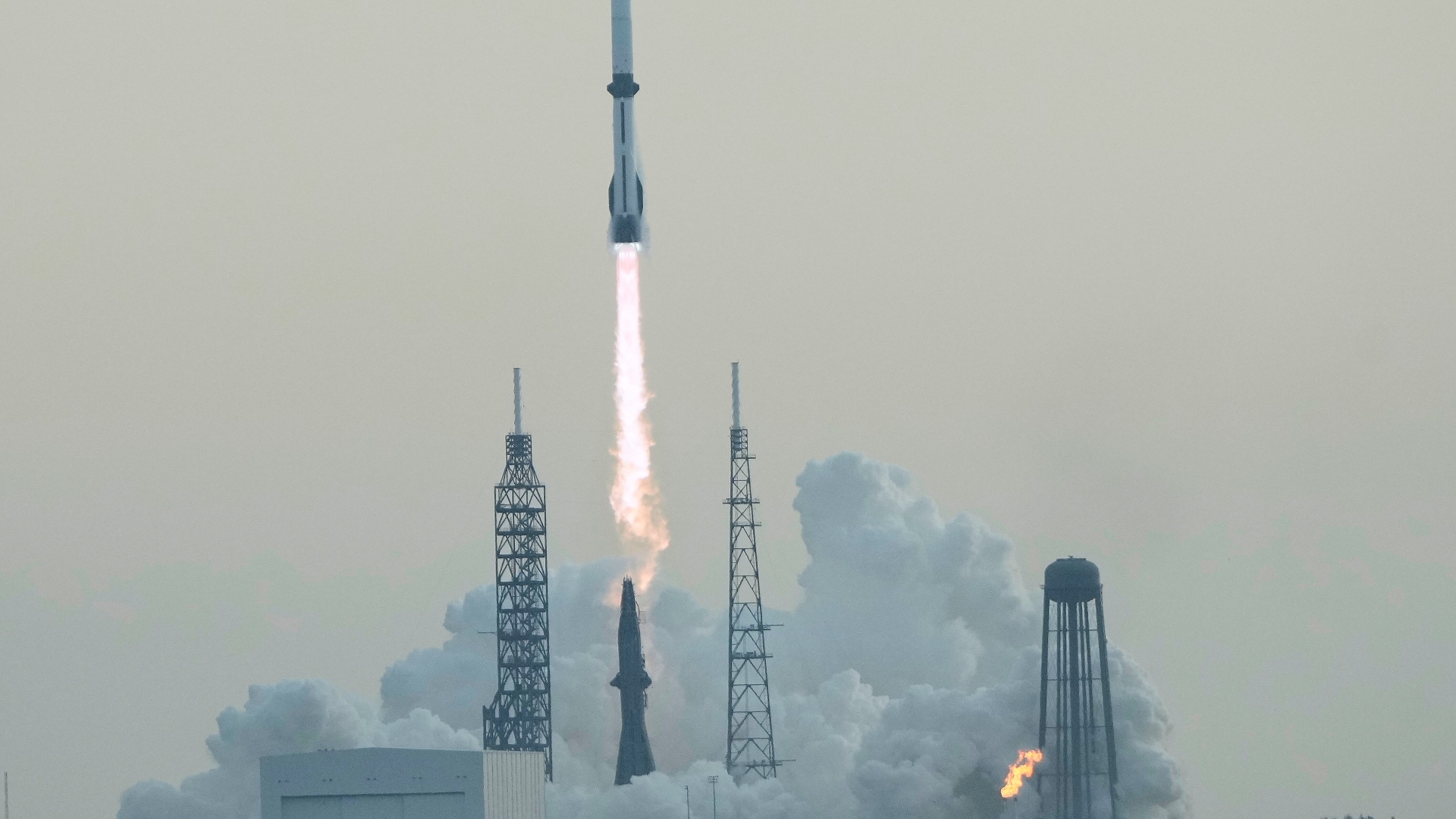
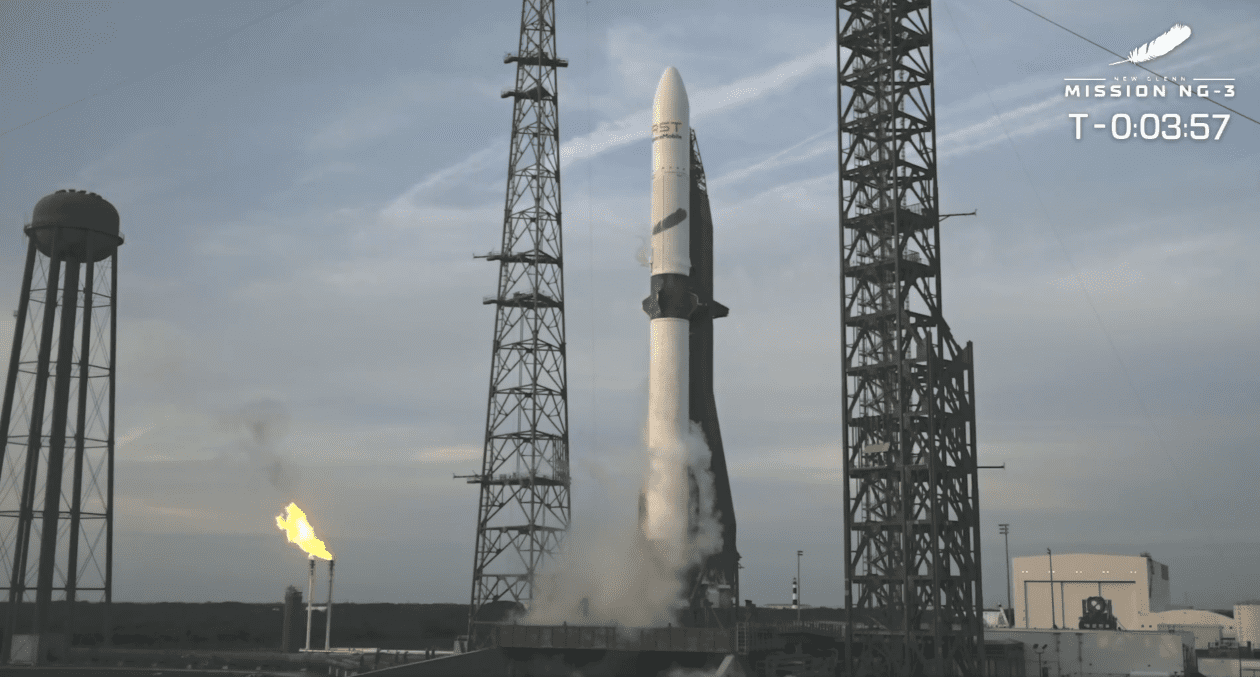
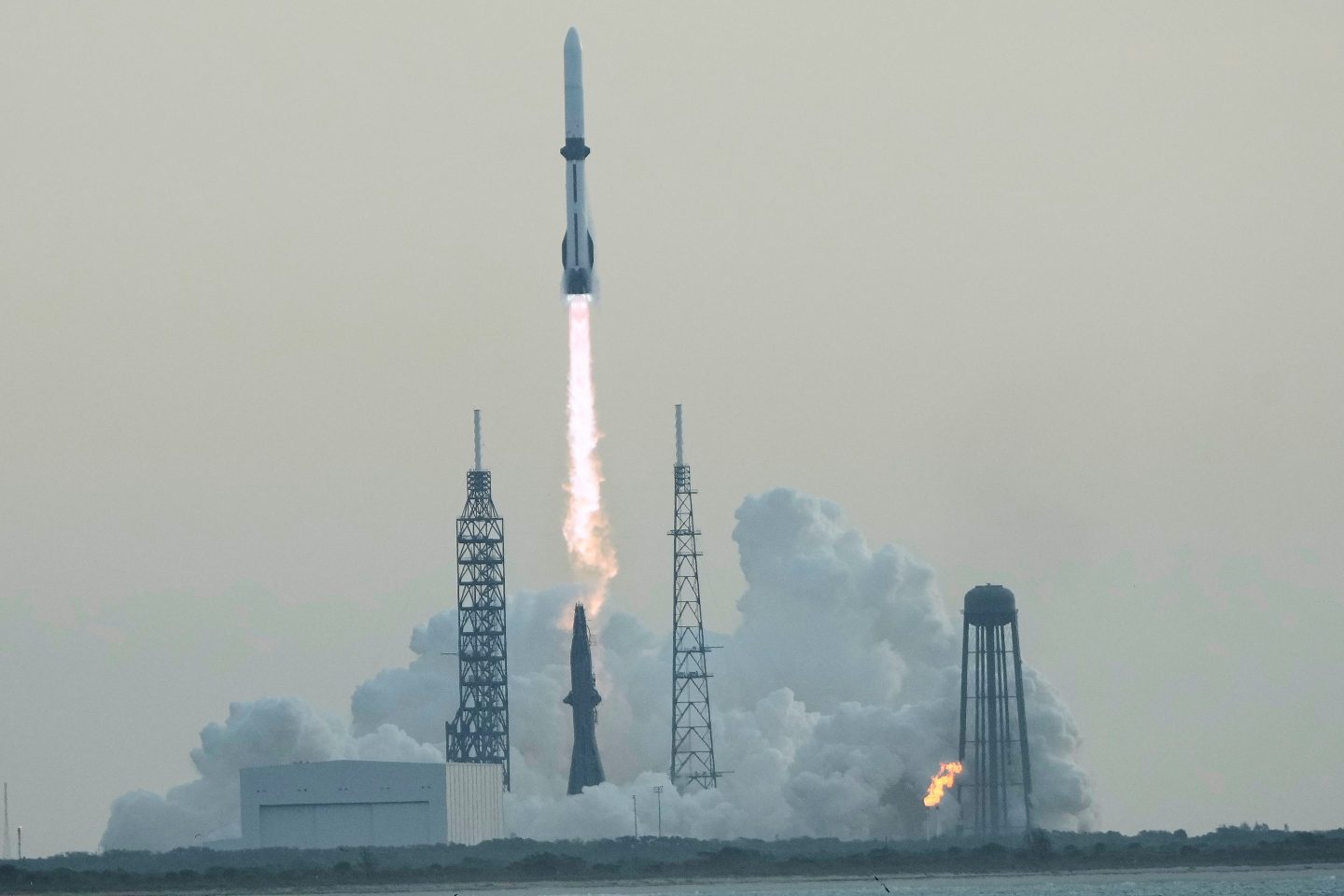
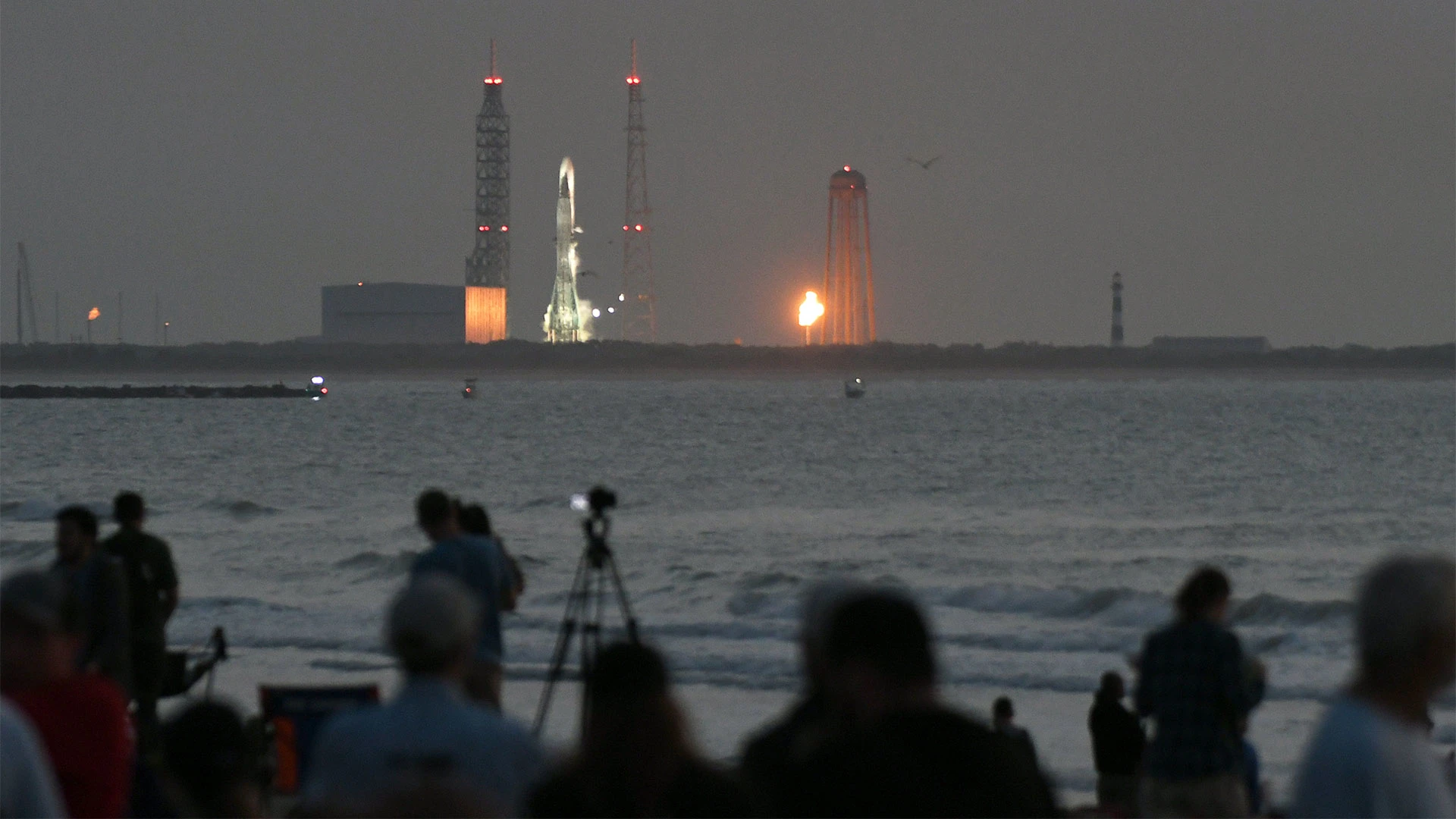
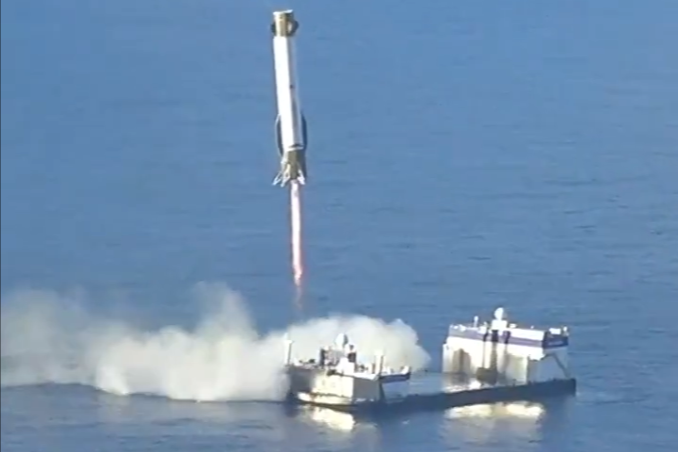
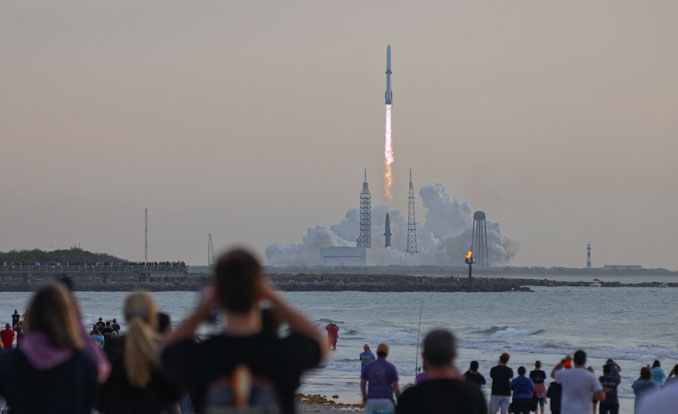
Blue Origin's New Glenn rocket grounding on April 20, 2026, following a failed payload deployment represents a critical inflection point for satellite-based e-commerce infrastructure. The FAA classified the incident—where the upper stage's BE-3U engine failed to generate sufficient thrust, leaving AST SpaceMobile's BlueBird 7 satellite in an inoperable low orbit—as a "mishap," triggering mandatory investigation and suspension of all New Glenn launches. While this incident directly involves AST SpaceMobile's communications satellite, the broader implications cascade through Amazon's $11 billion Leo satellite internet project and Blue Origin's TerraWave initiative, both competing with SpaceX's Starlink to provide global connectivity infrastructure.
The e-commerce supply chain connection is direct and material. Satellite-based internet connectivity underpins last-mile delivery logistics, particularly in rural and underserved markets where terrestrial broadband remains limited. Amazon's Leo project acquisition signals the company's strategic bet that satellite internet will become essential for fulfillment network optimization, real-time inventory tracking, and drone delivery operations. The New Glenn grounding delays Blue Origin's launch cadence by an undetermined period—the company had planned approximately a dozen launches in 2025, now suspended pending FAA investigation completion. This creates a 6-18 month uncertainty window for satellite deployment timelines.
For cross-border sellers, the operational impact manifests through three mechanisms: First, sellers utilizing Amazon's fulfillment network in rural expansion zones face delayed infrastructure buildout, potentially extending delivery times to secondary markets by 2-4 weeks through 2026-2027. Second, sellers dependent on real-time inventory visibility across distributed warehouses may experience connectivity gaps in regions where satellite internet was planned as primary backup infrastructure. Third, the competitive delay between Blue Origin/Amazon and SpaceX/Starlink creates temporary market consolidation risk—if Starlink accelerates deployment while competitors face delays, pricing power for satellite-based logistics services could shift unfavorably for sellers requiring global connectivity.
The investigation timeline is critical. FAA return-to-flight authorization requires Blue Origin to demonstrate that "systems, processes, and procedures related to the mishap do not compromise public safety." Historical precedent suggests 3-6 months for comprehensive investigation, with additional 2-3 months for remediation verification. This positions potential New Glenn resumption in Q4 2026 at earliest, pushing Amazon Leo's operational deployment into 2027. AST SpaceMobile's 6% stock price decline signals market recognition of launch provider risk—a dynamic that affects insurance costs and mission assurance protocols for all commercial satellite operators, ultimately flowing through to logistics service pricing.
Questions 8
How does Blue Origin's New Glenn grounding affect Amazon's satellite internet plans?
Amazon's $11 billion Leo project acquisition depends on reliable launch capacity to deploy thousands of satellites. Blue Origin's New Glenn grounding delays launch cadence by 6-18 months, pushing Amazon's operational satellite internet deployment from 2026 into 2027. This creates a competitive window where SpaceX's Starlink—already operating several thousand satellites—can consolidate market position. For sellers, this means delayed expansion of satellite-based fulfillment infrastructure in rural markets, potentially extending delivery times by 2-4 weeks in secondary regions through 2027.
How does launch provider risk affect satellite operator insurance costs?
AST SpaceMobile's stock fell 6% following the New Glenn failure, signaling market recognition of launch provider risk. When rockets fail to deliver payloads, insurance costs for satellite operators increase 20-40% on subsequent missions. These costs flow through to logistics service pricing—sellers utilizing satellite-based fulfillment services may face 5-8% price increases as operators adjust insurance premiums. The investigation duration and findings will determine whether insurance markets stabilize or continue pricing in elevated launch risk through 2027.