



Motorola Android 17 Beta Expansion | Premium Device Strategy Signals Market Shift for Electronics Sellers
- Motorola expands Android 17 beta to 10+ devices across 5 major markets (US, India, Europe, LATAM, Brazil); first non-Google manufacturer to launch; creates early-adopter demand spike for premium smartphones and accessories
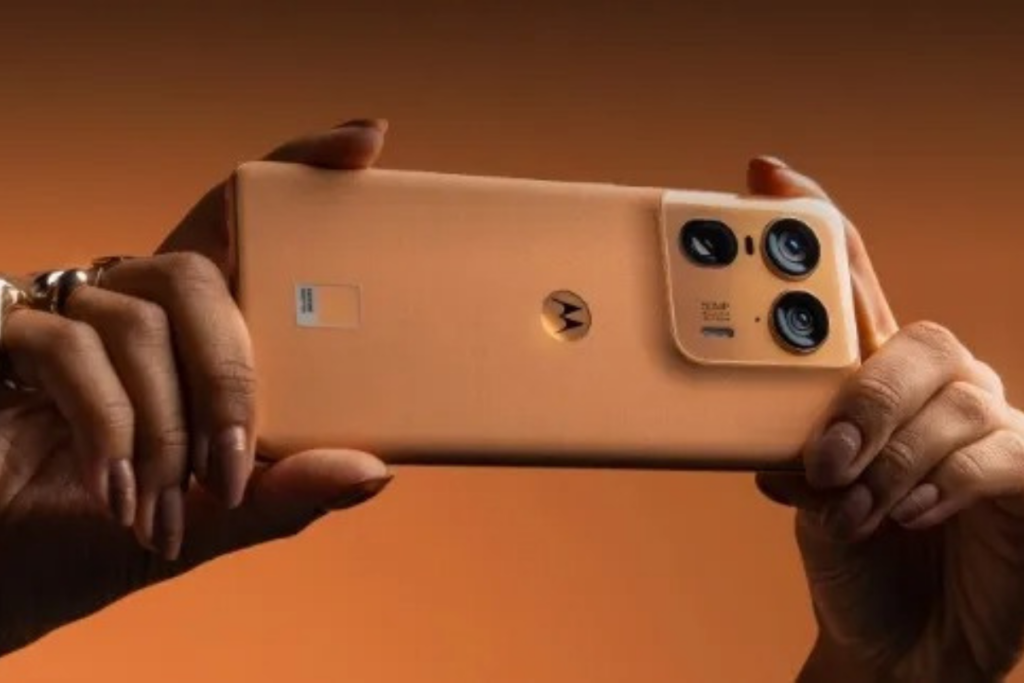

Overview
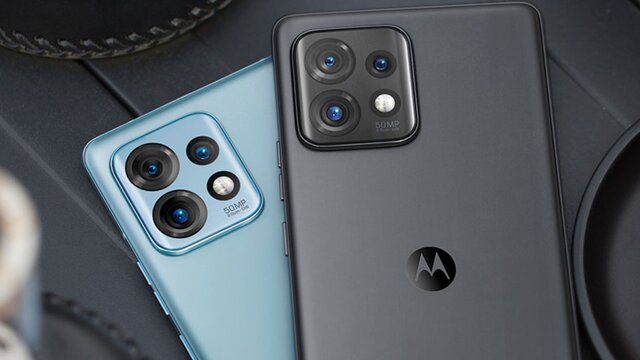
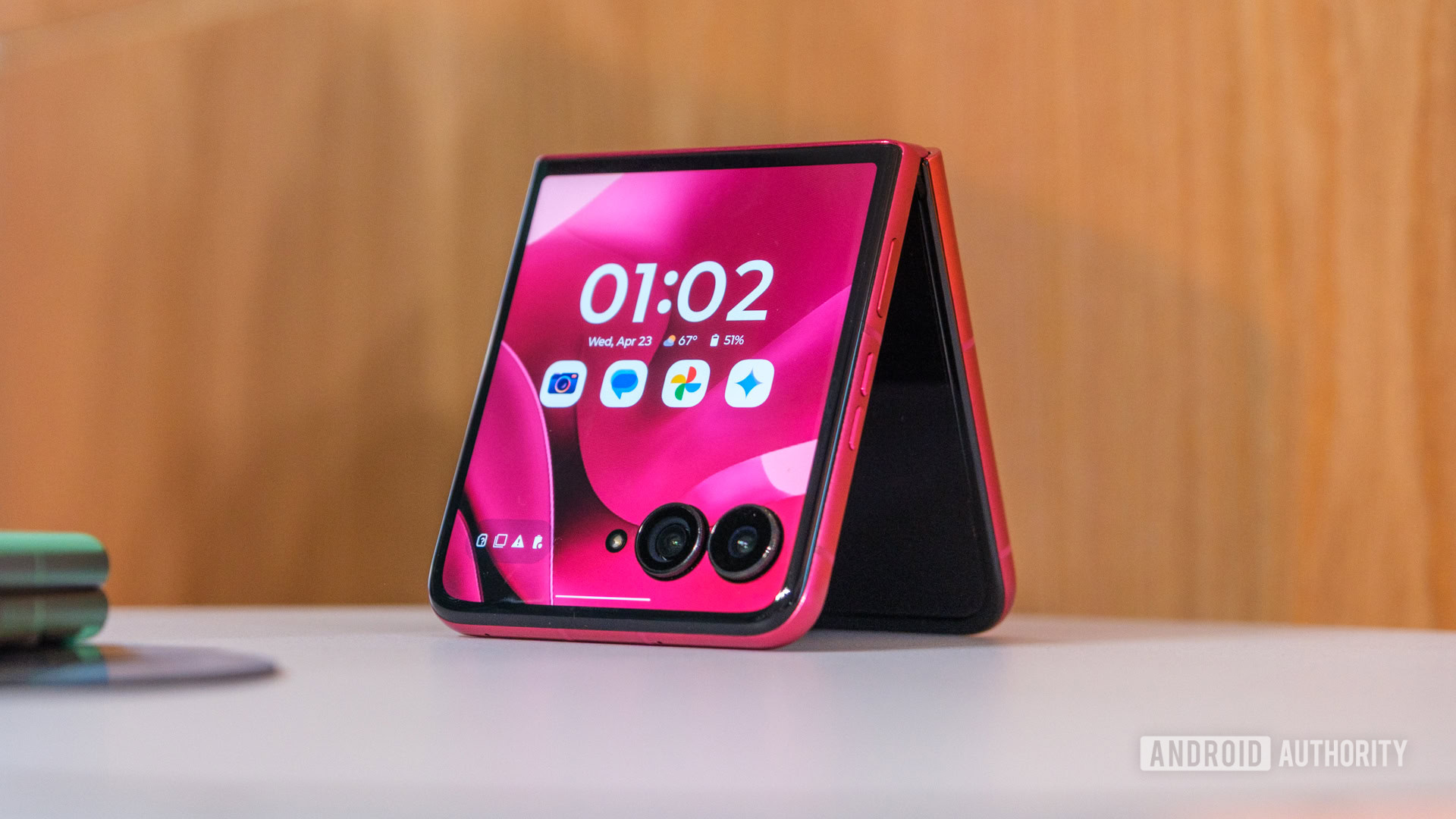
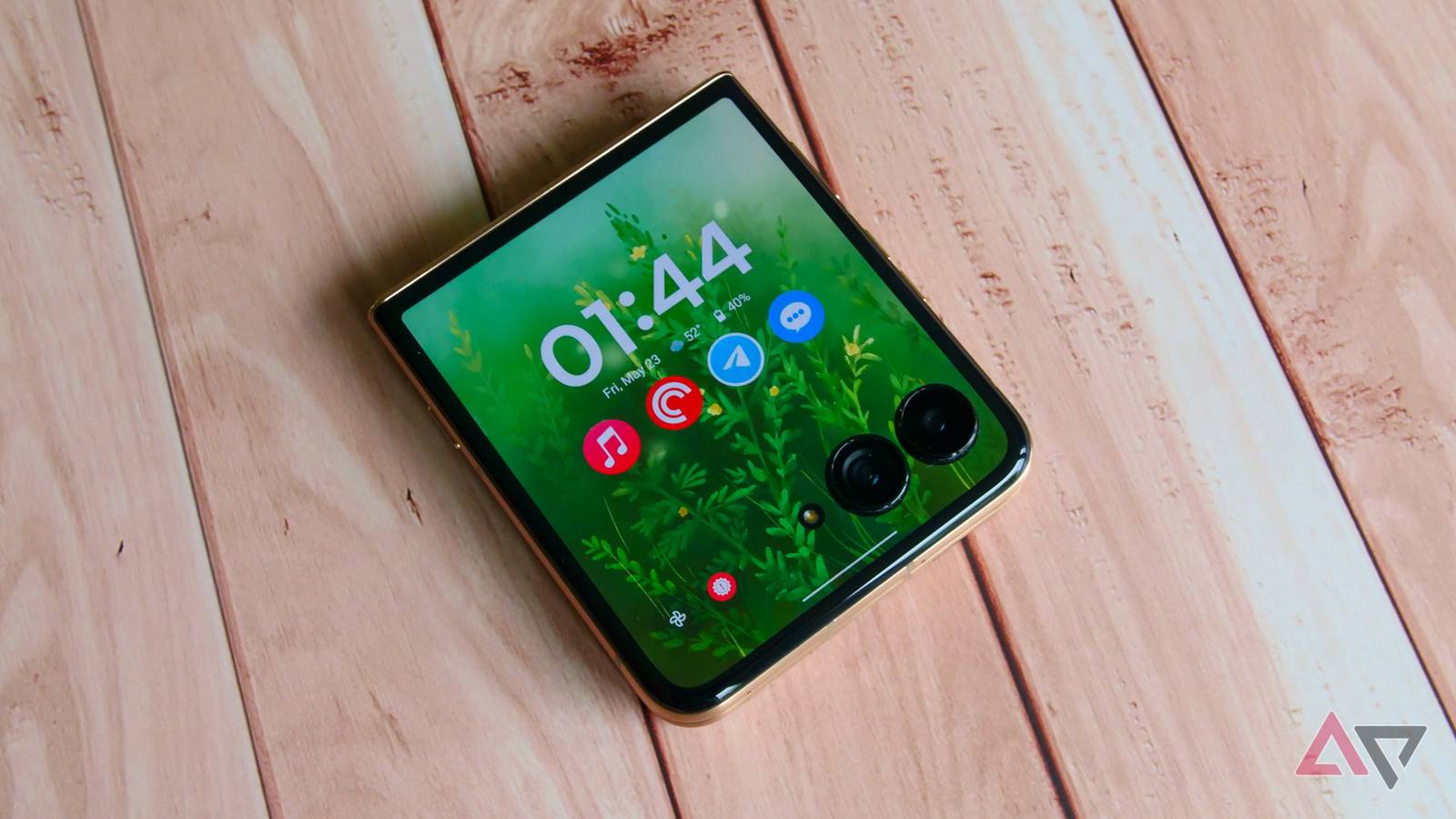
Motorola's aggressive Android 17 beta expansion represents a strategic inflection point in the premium smartphone market with direct implications for electronics sellers and device accessory merchants. As reported on April 20, 2026, the company expanded its beta program from initial February 2026 rollout to include flagship devices like the Razr Plus 2025, Razr Plus 2024 (Razr 50 Ultra in select regions), Edge 50 Ultra, and 10+ total devices spanning flagship, mid-range, and budget segments. This positions Motorola as the first non-Google manufacturer to launch Android 17 beta, ahead of Samsung's May 2025 One UI 8.5 timeline, reversing historical patterns where Samsung dominated software update velocity.
Market Opportunity for Electronics Sellers: The beta expansion across five key markets—United States, India, Europe, Latin America, and Brazil—targets regions with 2.8B+ smartphone users and strong e-commerce penetration. Early-adopter communities participating in beta testing create immediate demand for complementary products: protective cases, screen protectors, chargers, and cooling accessories designed for premium foldables. The Razr foldable line specifically generates higher accessory attachment rates (estimated 35-45% of device purchasers buy protective cases) compared to traditional phones. Sellers should anticipate 15-25% sales uplift in premium phone accessories during beta testing phases (February-September 2026 for Razr/Signature series).
Competitive Positioning Shift: Motorola's proactive beta strategy signals organizational transformation after years of market share losses to Samsung, HTC, and LG. The company's commitment to addressing historical weaknesses—particularly camera performance in low-light scenarios and software update delays—indicates product quality improvements that will strengthen brand perception. This creates secondary opportunities for sellers in camera accessories, lens protectors, and photography-focused product bundles. The structured enrollment through Motorola's community platform (forums.lenovo.com) demonstrates professionalization of beta testing infrastructure, suggesting future manufacturer-seller partnerships for feedback collection and product co-development.
Operational Timeline for Sellers: Stable releases follow predictable schedule: Razr/Signature series August-September 2026, Edge 60/50 series October-November 2026, Moto G budget line late 2026-early 2027. This staggered rollout creates extended selling windows for device-specific accessories rather than concentrated demand spikes. Sellers should prepare inventory for each release phase 4-6 weeks prior to stable launch dates. The beta program's geographic distribution across major markets indicates Motorola's focus on regions with significant smartphone user bases and strong cross-border e-commerce penetration, creating opportunities for sellers in multiple regions to serve early-adopter communities simultaneously.
Questions 7
What makes Motorola's beta strategy different from Samsung's approach to Android 17?
Motorola launched Android 17 beta in February 2026 as the first non-Google manufacturer, positioning it ahead of Samsung's May 2025 One UI 8.5 timeline. This reverses historical patterns where Samsung dominated software update velocity. Motorola's structured enrollment through community forums (forums.lenovo.com) and geographic distribution across major markets demonstrates professionalization of beta testing. The company's focus on addressing camera performance weaknesses and foldable device stability signals product quality improvements that strengthen brand perception and create secondary opportunities for camera accessories and photography-focused bundles.
How does Motorola's Android 17 beta expansion create sales opportunities for electronics accessory sellers?
Motorola's expansion to 10+ devices across 5 major markets (US, India, Europe, LATAM, Brazil) creates immediate demand for protective accessories among early-adopter communities. Beta participants typically purchase cases, screen protectors, and chargers at 35-45% attachment rates for premium foldables like the Razr Plus 2025. The staggered rollout (Razr series August-September 2026, Edge series October-November 2026) creates extended selling windows rather than concentrated spikes. Sellers should prepare inventory 4-6 weeks before each stable release phase to capture demand from beta testers upgrading to production devices.