




Goldman Prize 2026 Winners Signal ESG Compliance Surge | Sellers Must Adapt Supply Chain Practices
- Six female environmental leaders awarded; mining accountability & climate litigation reshape corporate responsibility standards affecting global supply chains and product sourcing for 50K+ cross-border sellers





Overview
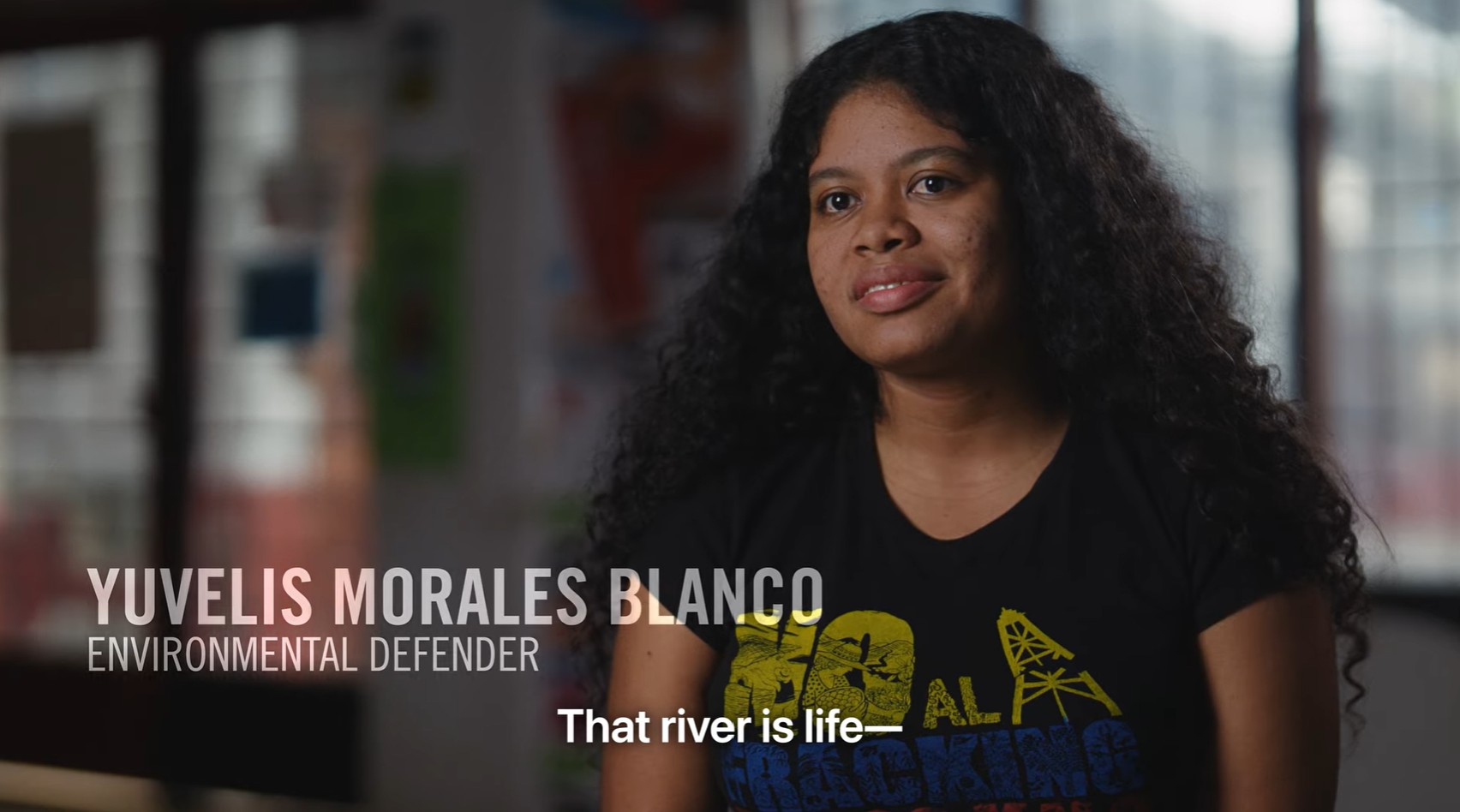
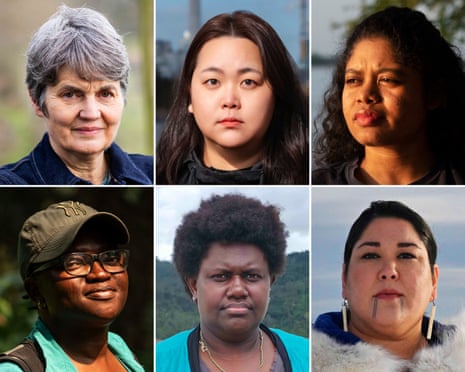
The 2026 Goldman Environmental Prize awards represent a watershed moment for corporate environmental accountability that directly impacts cross-border e-commerce sellers' supply chain compliance and product sourcing strategies. The historic all-female cohort—including Sarah Finch (UK climate litigation), Theonila Roka Matbob (Papua New Guinea mining accountability), Iroro Tanshi (Nigeria bat conservation), Borim Kim (South Korea climate litigation), Alannah Acaq Hurley (Alaska mining prevention), and Yuvelis Morales Blanco (Colombia anti-fracking activism)—signals accelerating legal and regulatory pressure on extractive industries and fossil fuel expansion globally.
Supply Chain Compliance Implications: Finch's landmark 2024 UK Supreme Court ruling requiring fossil fuel projects to account for greenhouse gas emissions from extraction and burning has already blocked North Sea oil concessions, the UK's first new deep coalmine in 30 years, and large-scale factory farm projects. This precedent strengthens climate litigation strategies globally and directly affects sellers sourcing materials from mining-dependent regions. Roka Matbob's activism in Papua New Guinea—where Rio Tinto's Panguna copper and gold mine (1972-1989) produced millions of tons of copper and hundreds of tons of gold/silver while triggering environmental devastation and a two-decade civil war—demonstrates how mining accountability movements reshape corporate responsibility. Rio Tinto's 2024 memorandum of understanding to work with impacted communities on remediation signals that multinational extractors now face binding commitments to environmental restoration, increasing production costs that cascade to suppliers and sellers.
Product Sourcing & ESG Risk: Tanshi's bat conservation work in Nigeria, which emphasized bats' ecological importance for seed dispersal of shea butter trees whose products reach global cosmetic markets, illustrates how biodiversity protection directly intersects with e-commerce product categories. Sellers sourcing natural ingredients, cosmetics, and agricultural products from West Africa, South America, and Asia-Pacific regions must now navigate stricter environmental compliance standards. The Goldman Prize's 37-year history shows 239 winners from 98 nations advancing to government positions and NGO leadership, indicating that environmental activists increasingly shape regulatory frameworks affecting product approvals, tariff classifications, and import restrictions.
Market Opportunity: The convergence of climate litigation, mining accountability, and biodiversity protection creates demand for certified sustainable products. Sellers can capitalize on consumer preference for ESG-compliant sourcing by highlighting environmental certifications, supply chain transparency, and community benefit agreements—particularly in cosmetics, natural ingredients, and ethical fashion categories where premium pricing supports sustainability narratives.
Questions 8
How should sellers adjust pricing and positioning for ESG-compliant products in 2026?
The Goldman Prize's emphasis on grassroots environmental activism and community-led solutions signals consumer demand for authentic ESG narratives. Sellers can implement tiered pricing: (1) Standard products with basic environmental compliance (baseline pricing); (2) Certified sustainable products with third-party verification (15-25% premium); (3) Premium community-benefit products with documented impact (25-40% premium). Position certified products through dedicated Amazon Sustainability Stores, Shopify Sustainability Collections, and eco-focused marketplaces. Highlight supplier stories, community partnerships, and environmental impact metrics in product descriptions and marketing. Target affluent, sustainability-conscious demographics (household income $100K+) willing to pay premiums for verified environmental and social impact. Monitor competitor pricing in sustainable categories and adjust positioning quarterly as market demand evolves.
What regulatory changes should sellers expect from Goldman Prize winners advancing to government positions?
The Goldman Prize's 37-year history shows 239 winners from 98 nations advancing to government positions, NGO leadership, and Nobel Prize recognition. Roka Matbob's election to Bougainville's House of Representatives exemplifies this pattern. Sellers should expect accelerating environmental regulations in developing regions where Goldman winners hold influence—particularly around mining, agriculture, and natural resource extraction. Anticipate stricter import requirements for products from these regions, increased tariff classifications for non-compliant goods, and mandatory environmental impact assessments for supply chain approvals. Review supplier locations against Goldman Prize winner regions (Papua New Guinea, Nigeria, South Korea, Colombia, Alaska) and audit environmental compliance 6-12 months before regulatory implementation.