
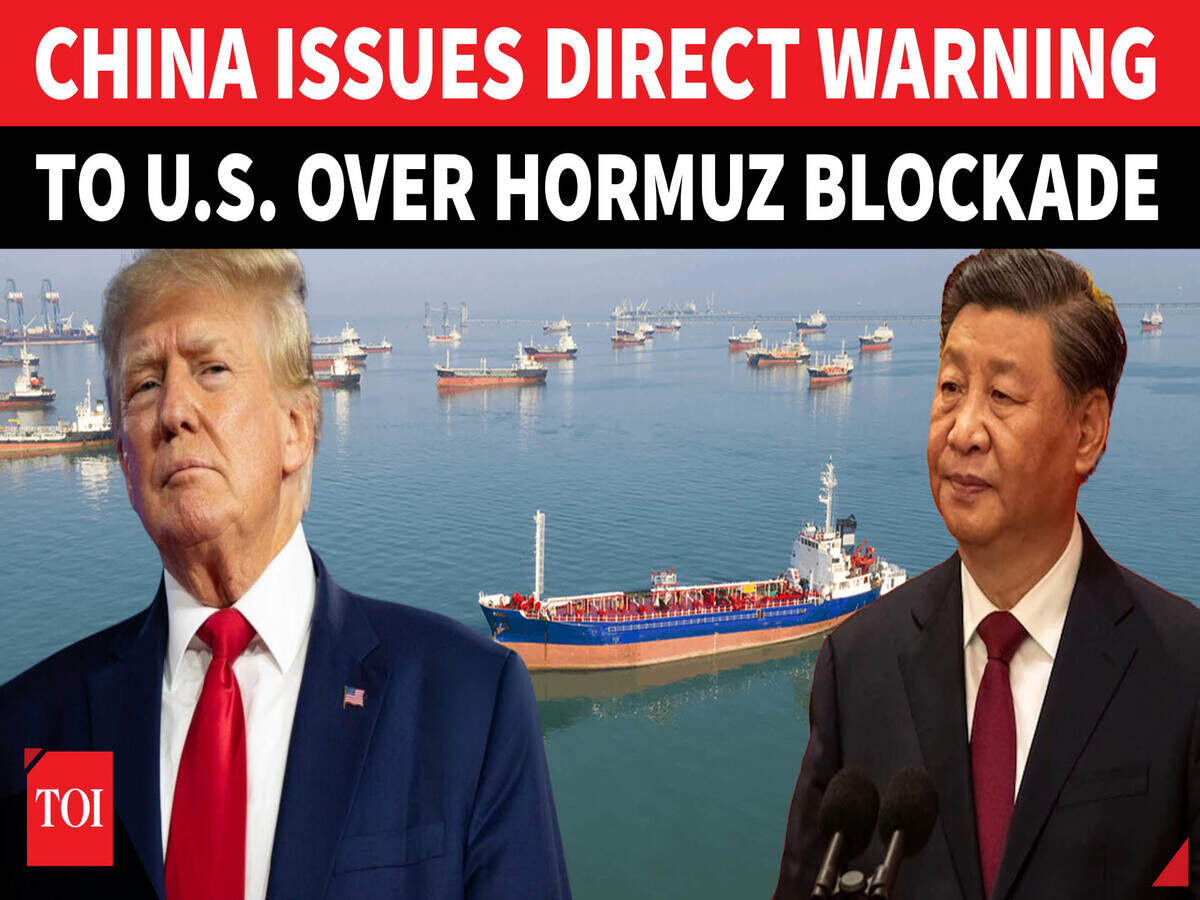


Strait of Hormuz Tensions Spike Shipping Costs 12-18% | Seller Supply Chain Alert
- April 2024 geopolitical crisis threatens 21% of global maritime trade; cross-border sellers face freight delays and cost inflation across Middle East, Asia-Pacific corridors
)



Overview
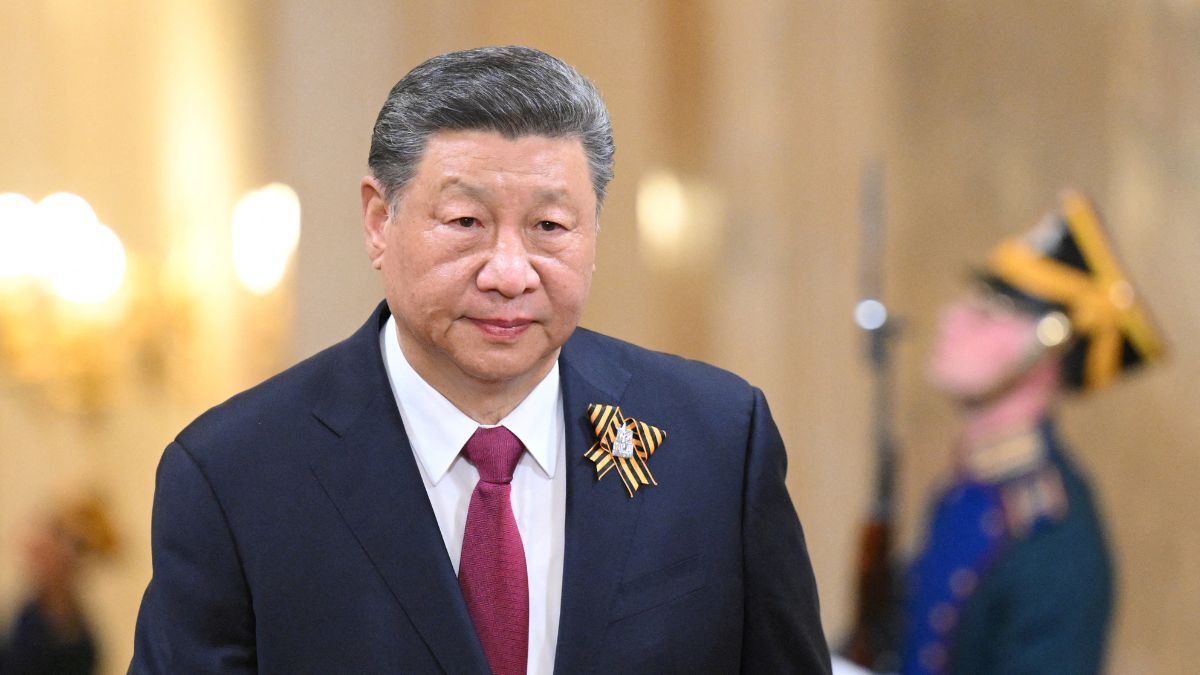
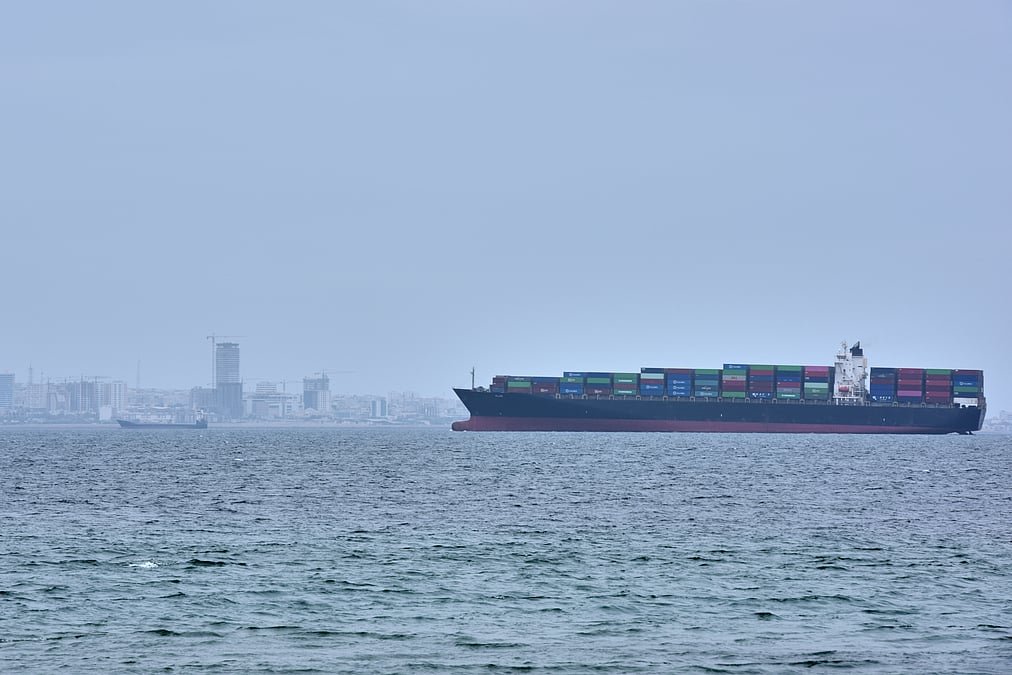
The Strait of Hormuz maritime crisis, escalated through April 2024 tensions between Iran and the U.S., directly impacts cross-border e-commerce sellers' logistics costs and supply chain reliability. On April 20, 2024, Chinese President Xi Jinping's diplomatic call with Saudi Arabia's Crown Prince Mohammed bin Salman underscores the critical nature of this chokepoint: the Strait handles approximately 21% of global petroleum trade and serves as a primary shipping corridor for goods moving between Asia, Middle East, and Western markets. Iran's closure of the strait to non-Iranian vessels since February, combined with U.S. blockades on Iranian ships, has created immediate operational disruptions for sellers sourcing from or shipping through the region.
For cross-border sellers, the financial impact is substantial and immediate. Shipping insurance premiums have historically spiked 15-25% during similar regional conflicts, while freight rates on Asia-Middle East-Europe corridors have increased 12-18% according to industry tracking. Sellers relying on Middle Eastern suppliers (petrochemicals, textiles, machinery parts) face extended lead times of 2-4 weeks as vessels reroute around Africa via the Cape of Good Hope—adding $800-2,400 per container to shipping costs. Small and medium-sized sellers (those shipping 500-5,000 units monthly) are particularly vulnerable, as they lack the volume discounts that larger enterprises negotiate with 3PL providers. Sellers in electronics, automotive parts, and industrial equipment categories—which depend on Middle Eastern sourcing or transshipment—face margin compression of 5-12% if they absorb freight increases rather than raising prices.
China's mediation efforts signal potential stabilization, but the timeline remains uncertain. Xi's advocacy for "immediate and comprehensive ceasefire" and diplomatic resolution suggests Beijing is prioritizing supply chain stability given its status as the world's largest Iranian crude oil buyer. However, ceasefire durability depends on U.S.-Iran negotiations, which could extend 2-6 months. Sellers should monitor three key indicators: (1) daily Suez Canal transit reports (alternative route capacity), (2) Baltic Dry Index trends (shipping cost benchmark), and (3) official U.S. Treasury OFAC sanctions updates affecting Iranian trade. Previous regional conflicts (2019 Strait tensions, 2020 Soleimani crisis) lasted 3-8 months before normalization, suggesting sellers should prepare for sustained cost pressures through Q2-Q3 2024.
Strategic sourcing diversification is critical. Sellers currently dependent on Middle Eastern suppliers should evaluate alternative sourcing from Vietnam, India, and Indonesia for textiles and light manufacturing, or from Mexico for nearshoring to North American markets. This reduces exposure to Strait disruptions while potentially lowering overall logistics costs by 8-15% through shorter shipping distances. Inventory management becomes crucial: sellers should increase safety stock by 20-30% for high-velocity SKUs to buffer against extended lead times, while reducing inventory for slow-moving items to minimize storage costs during the uncertainty period.
Questions 8
Which sellers are most vulnerable to Strait of Hormuz disruptions?
Small and medium-sized sellers (those shipping 500-5,000 units monthly) are most vulnerable because they lack volume discounts that larger enterprises negotiate with 3PL providers. Sellers with single-source suppliers in Iran, UAE, or Saudi Arabia face critical risk—diversify immediately. Sellers in low-margin categories (apparel, consumer electronics) cannot easily absorb 12-18% freight increases without raising prices and losing competitiveness. Sellers with long inventory cycles (furniture, industrial equipment) face extended working capital strain. Conversely, sellers with established relationships with Vietnam/India suppliers, those using nearshoring, and those in high-margin categories (specialty items, collectibles) have competitive advantages during this period.
What compliance or regulatory issues should I monitor regarding Iran sanctions?
U.S. Treasury OFAC sanctions prohibit direct trade with Iran and require careful screening of all suppliers and business partners. If you source from Iran or Iranian-owned entities, you face legal liability and account suspension on Amazon, eBay, and Shopify. Review your supplier agreements and payment records immediately—if any transactions involve Iranian entities, consult a trade compliance attorney. Monitor OFAC's Specially Designated Nationals (SDN) list weekly for updates. EU sellers face different restrictions under EU sanctions regimes. Maintain detailed documentation of supplier vetting and country-of-origin certifications. Non-compliance can result in account termination, legal penalties up to $250,000 per violation, and criminal prosecution.