

Cuba Embargo Intensifies 2025 | Caribbean Market Collapse Reshapes Seller Strategy
- Trump's maximum pressure campaign eliminates $500M+ Caribbean e-commerce opportunity; sellers must pivot sourcing and market expansion strategies away from Cuba and reassess regional logistics networks










Overview
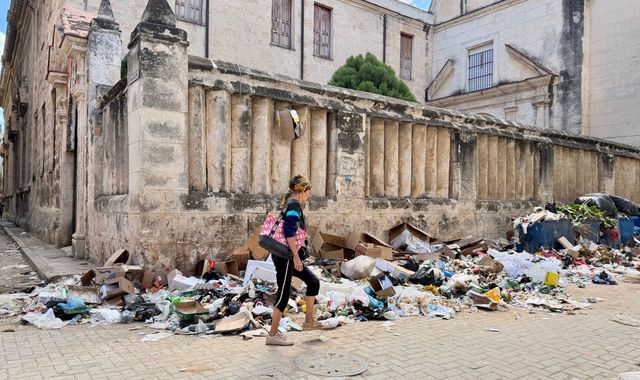
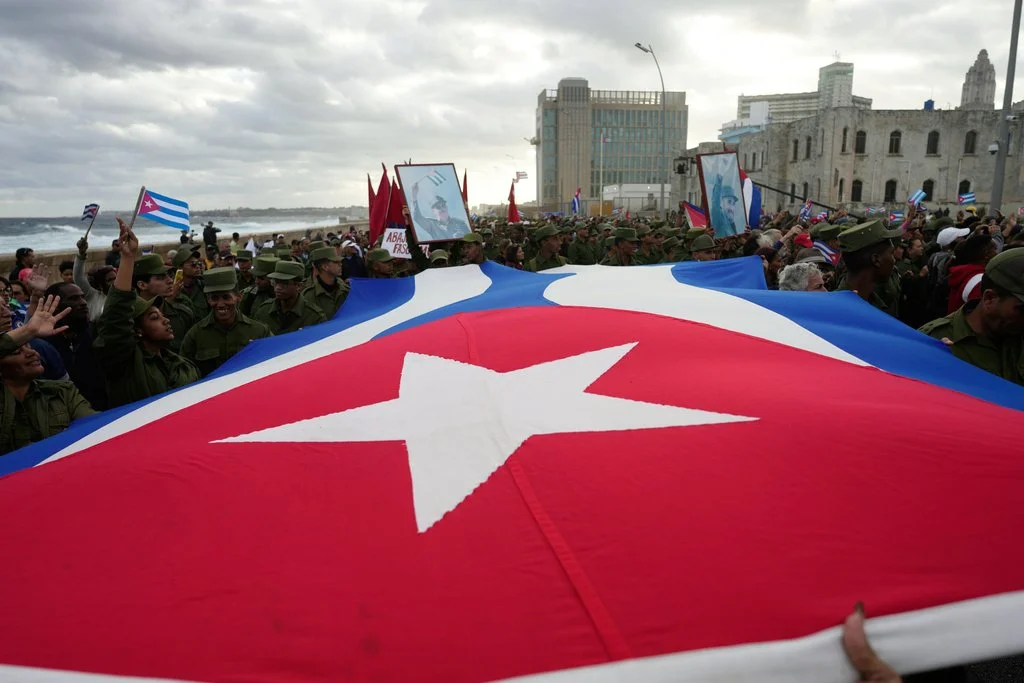
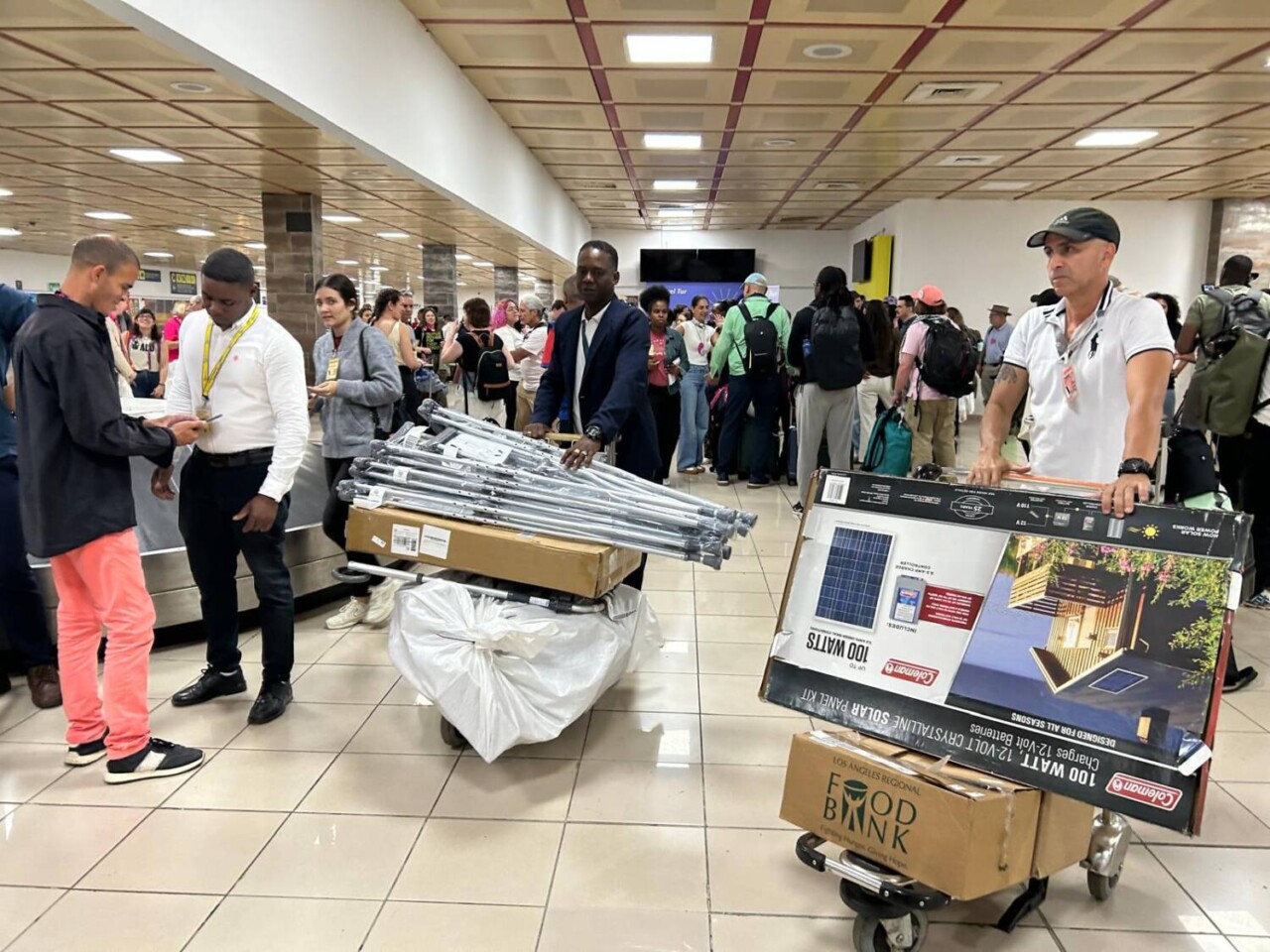
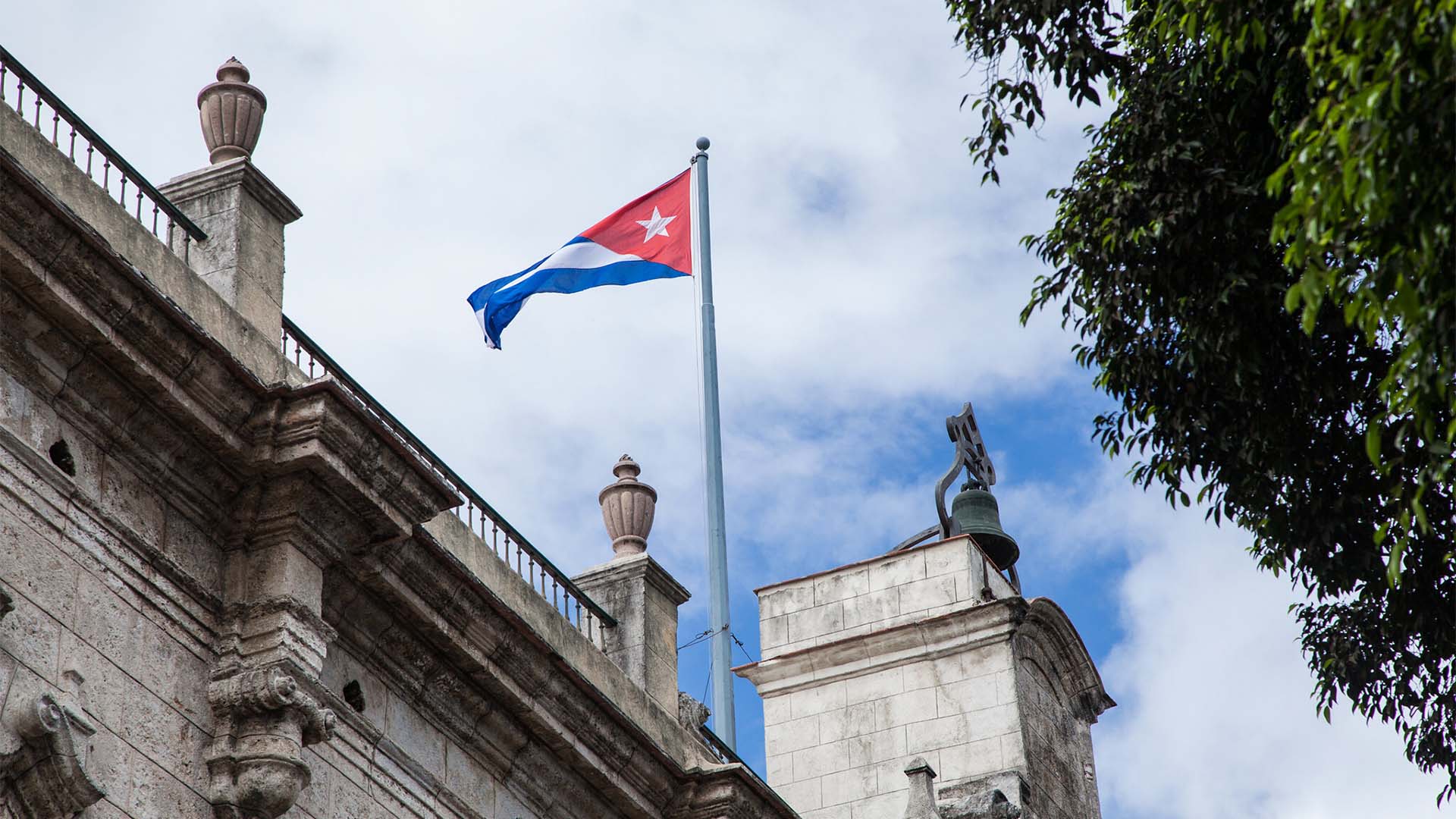
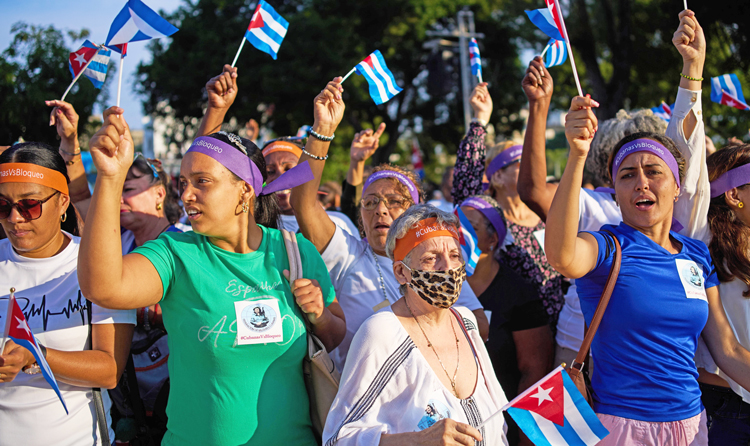
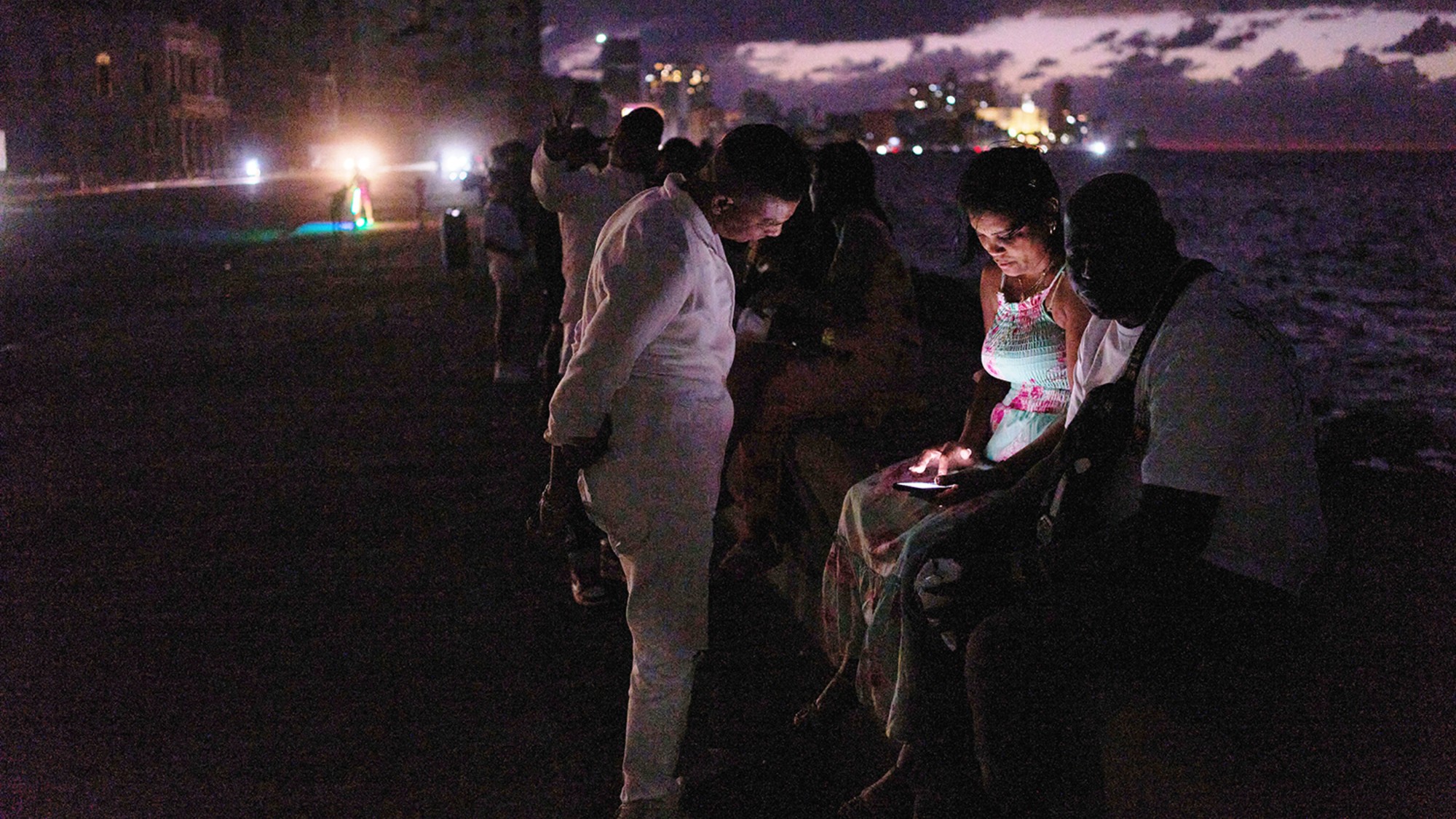
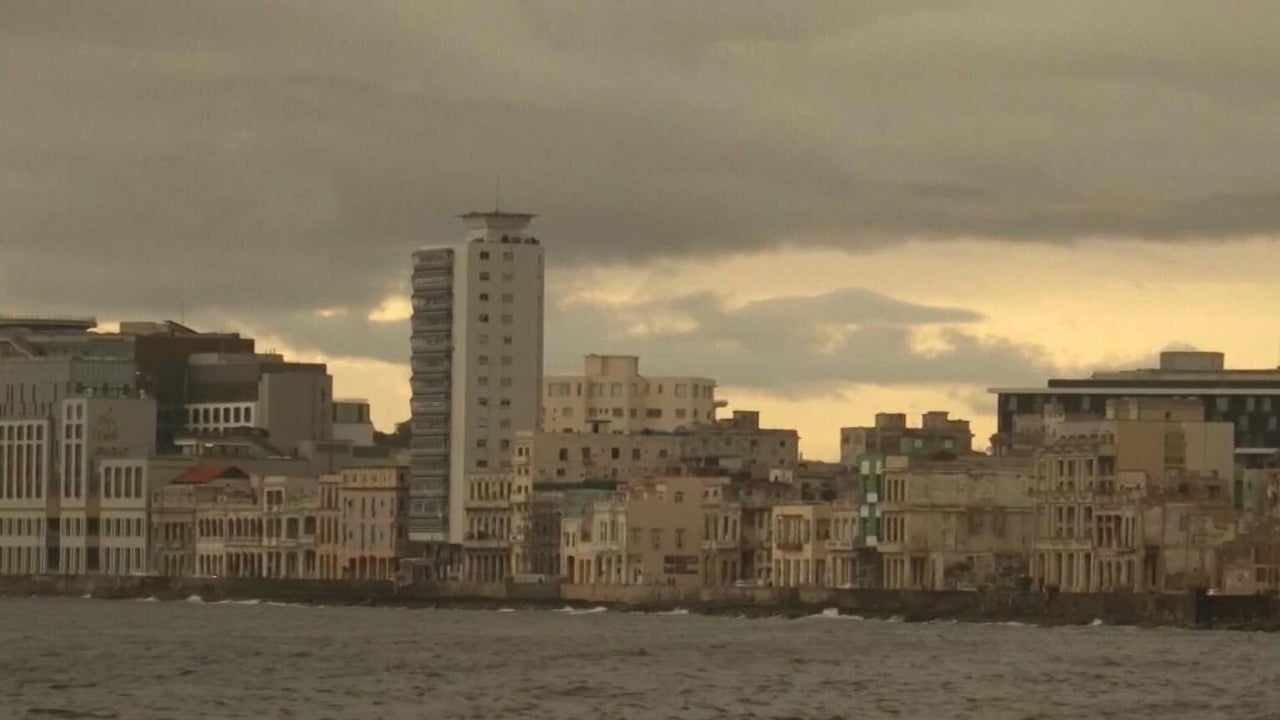
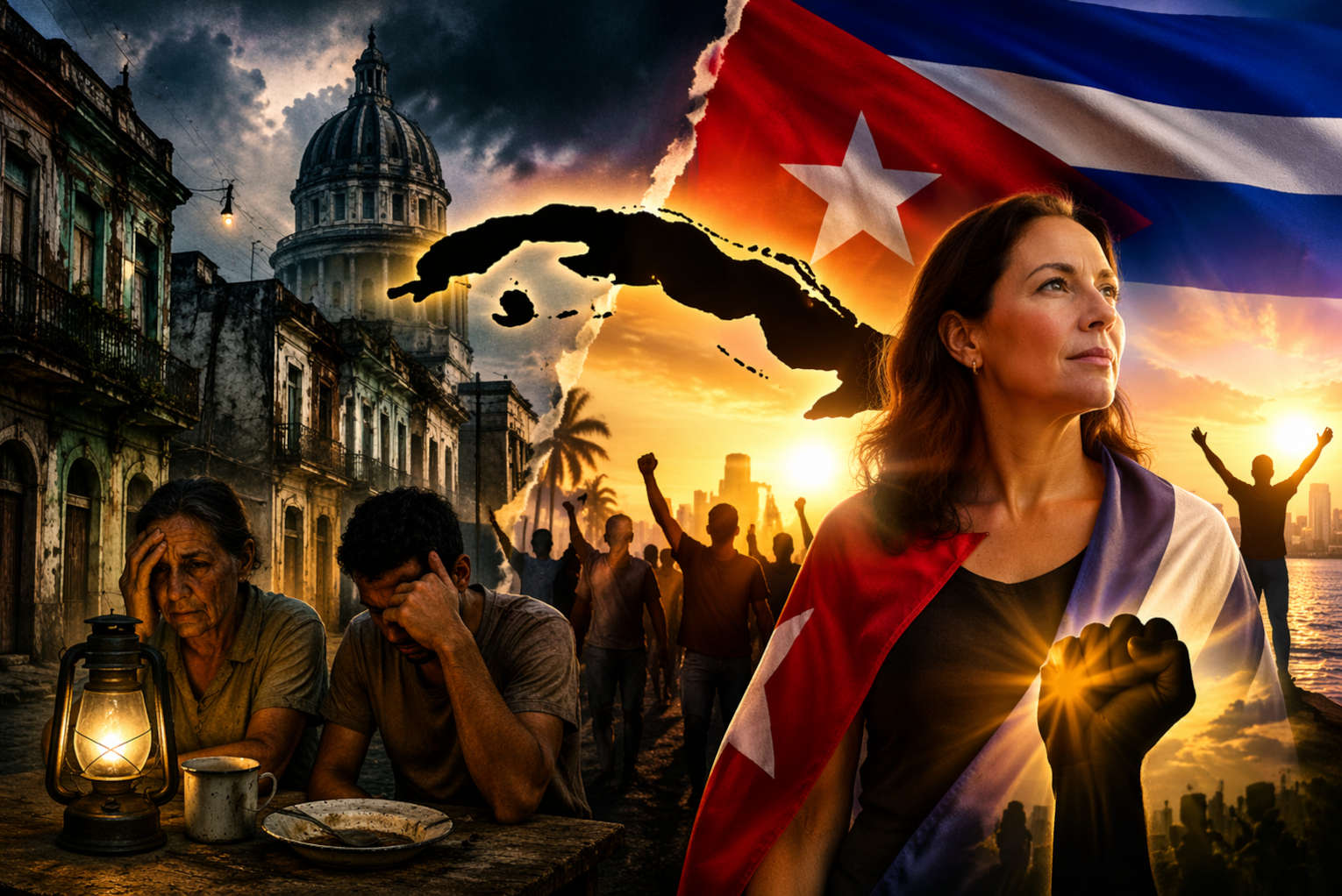
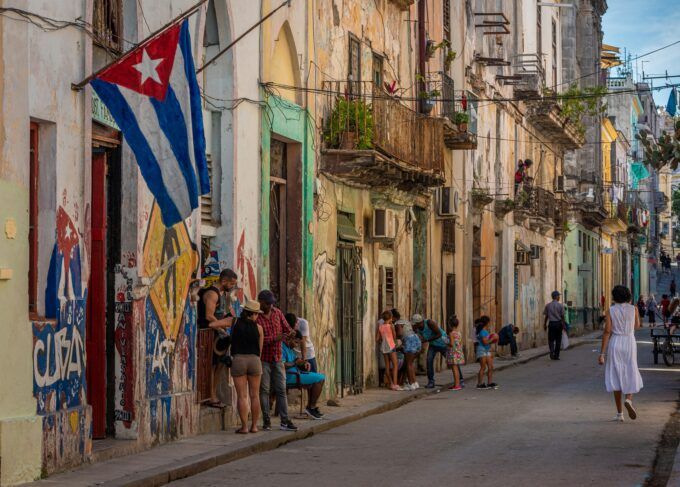
The reimposition and intensification of U.S. sanctions against Cuba represents a critical market collapse scenario for cross-border e-commerce sellers, fundamentally reshaping Caribbean expansion strategies and regional supply chain viability. Following President Trump's return to office in 2025, the administration initiated a "maximum pressure campaign" including a near-total oil blockade that has devastated Cuba's economy—the primary emerging market opportunity in the Caribbean region. The Los Angeles Times documented severe consequences: fuel shortages, prolonged blackouts, suspended bus services, and citizens queuing for government bread rations. Tourism, which represented Cuba's cornerstone economic sector and primary driver of consumer purchasing power, has collapsed entirely. The malecón, once filled with celebratory crowds, now sits deserted. This represents a direct elimination of B2C and B2B e-commerce opportunities that sellers had begun developing following Obama's 2016 diplomatic opening.
For cross-border sellers, the policy implications are multifaceted and urgent. The fuel blockade directly impacts Cuba's logistics infrastructure, making any commercial activity involving the island nation economically unviable. U.S.-based sellers and platforms face intensified regulatory restrictions under longstanding embargo policies, with the new blockade creating compliance complexity that exceeds standard trade restrictions. Sellers previously considering Caribbean market expansion must immediately reassess Cuba's commercial viability—the country has effectively transitioned from an emerging opportunity market to a sanctioned economy with near-zero consumer purchasing power. The Washington Post reported (April 20, 2026) that Trump's blockade strategy was implemented without public announcement, indicating potential for additional unannounced restrictions that could affect related markets. The CBS Miami event discussing Cuba's economic future and the U.S. two-week deadline for political prisoner releases signal ongoing policy volatility, suggesting sellers should expect continued sanctions escalation rather than normalization.
Strategic implications extend beyond Cuba to broader Caribbean and Latin American market assessments. Sellers must evaluate whether similar geopolitical risks affect other regional markets (Dominican Republic, Puerto Rico, Jamaica) that share supply chain infrastructure with Cuba. The collapse of Cuba's tourism economy eliminates demand for tourism-adjacent product categories: travel accessories, hospitality supplies, restaurant equipment, and consumer goods that depend on tourist purchasing power. Additionally, the fuel blockade creates a cautionary case study for sellers assessing other sanctioned markets (Iran, Venezuela, North Korea). Companies that had invested in Caribbean logistics networks or supplier relationships must now reallocate those resources to more stable markets. The policy demonstrates how rapidly geopolitical shifts can eliminate market opportunities—Cuba transitioned from hopeful emerging market (2016) to economically devastated sanctioned economy (2025) in less than a decade, with the final collapse occurring within months of Trump's 2025 inauguration.
Questions 7
What does Cuba's collapse signal about other sanctioned markets like Iran or Venezuela?
Cuba's case demonstrates that geopolitical sanctions can rapidly eliminate market opportunities regardless of previous economic potential. Iran and Venezuela face similar or more severe sanctions, suggesting sellers should avoid these markets entirely. The pattern shows that U.S. administrations can escalate sanctions without warning—Trump's fuel blockade was implemented without public announcement before broader policy announcements. Sellers should treat all sanctioned markets as permanently closed until comprehensive policy normalization occurs. The compliance risk and market elimination far outweigh any potential short-term profit opportunities.
When should sellers expect Cuba policy changes or potential market reopening?
Current indicators suggest sustained or escalating sanctions rather than normalization. Trump's 'maximum pressure campaign' and the April 2026 two-week deadline for political prisoner releases indicate ongoing policy volatility. The CBS Miami event discussing Cuba's economic future reflects broader geopolitical interest in regime change rather than market opening. Sellers should plan for a multi-year sanctions period (minimum 2-5 years) and avoid making any strategic decisions based on potential policy reversal. Monitor official U.S. State Department announcements for any policy shifts, but assume Cuba remains a closed market for commercial purposes through at least 2027-2028.