


Japan Earthquake April 2026 | Supply Chain Risk for Cross-Border Sellers
- 7.5-magnitude quake affects 128K+ residents in Iwate; sellers must monitor logistics disruptions and inventory sourcing from northern Japan manufacturing hubs











Overview
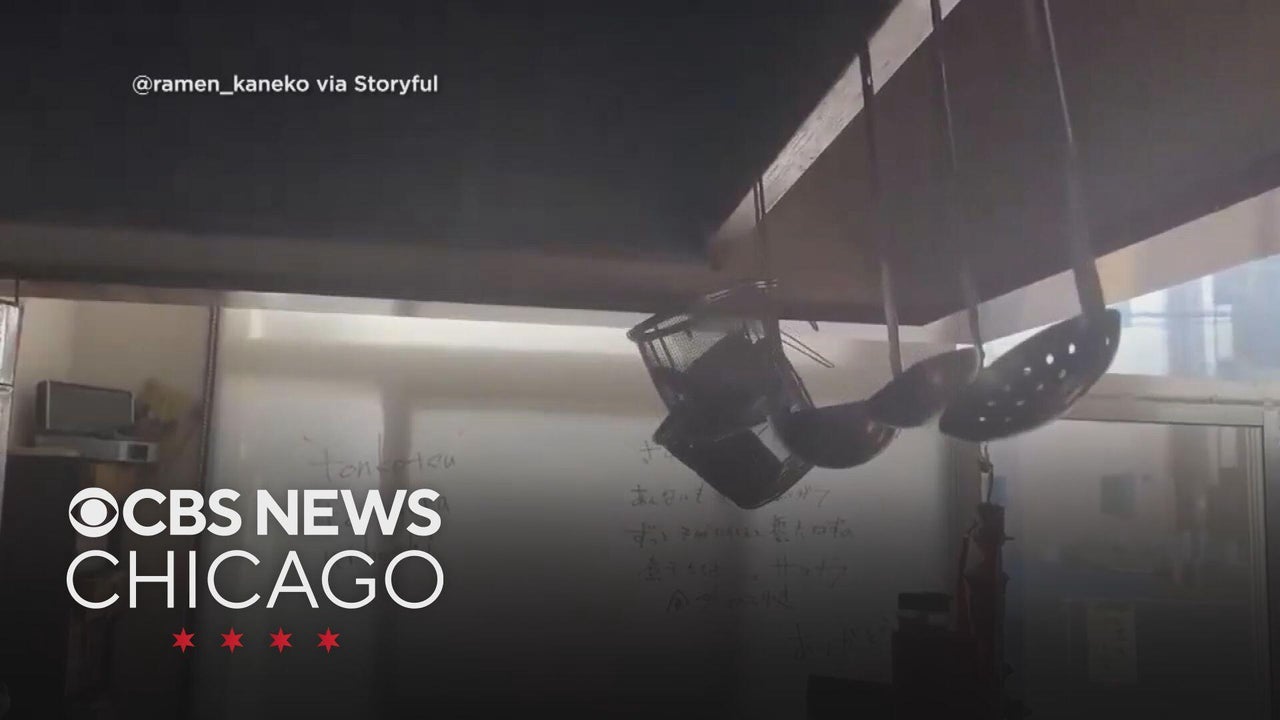
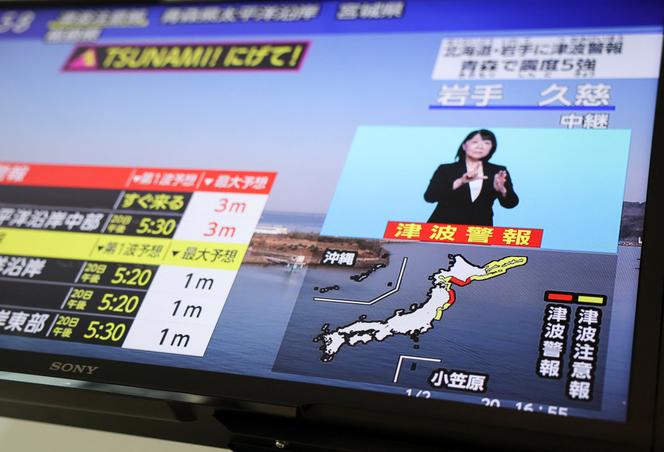
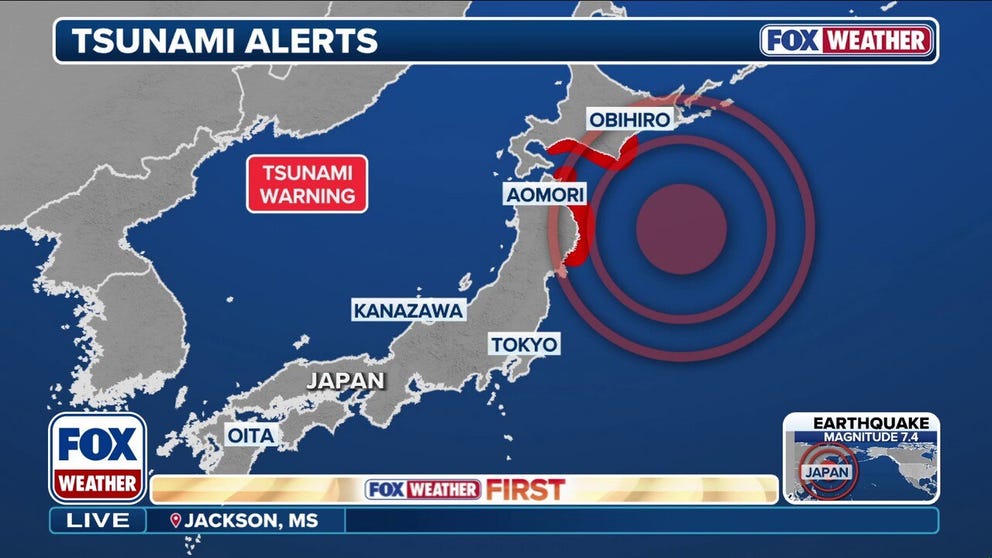
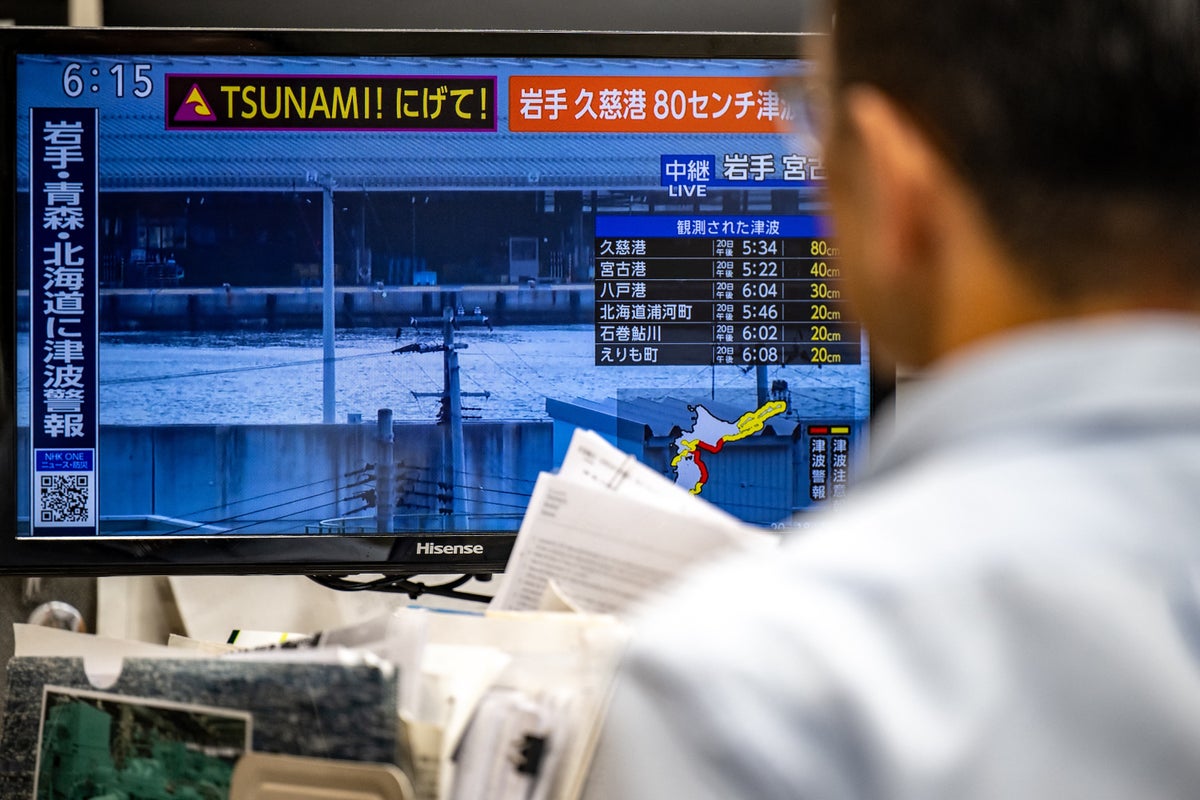
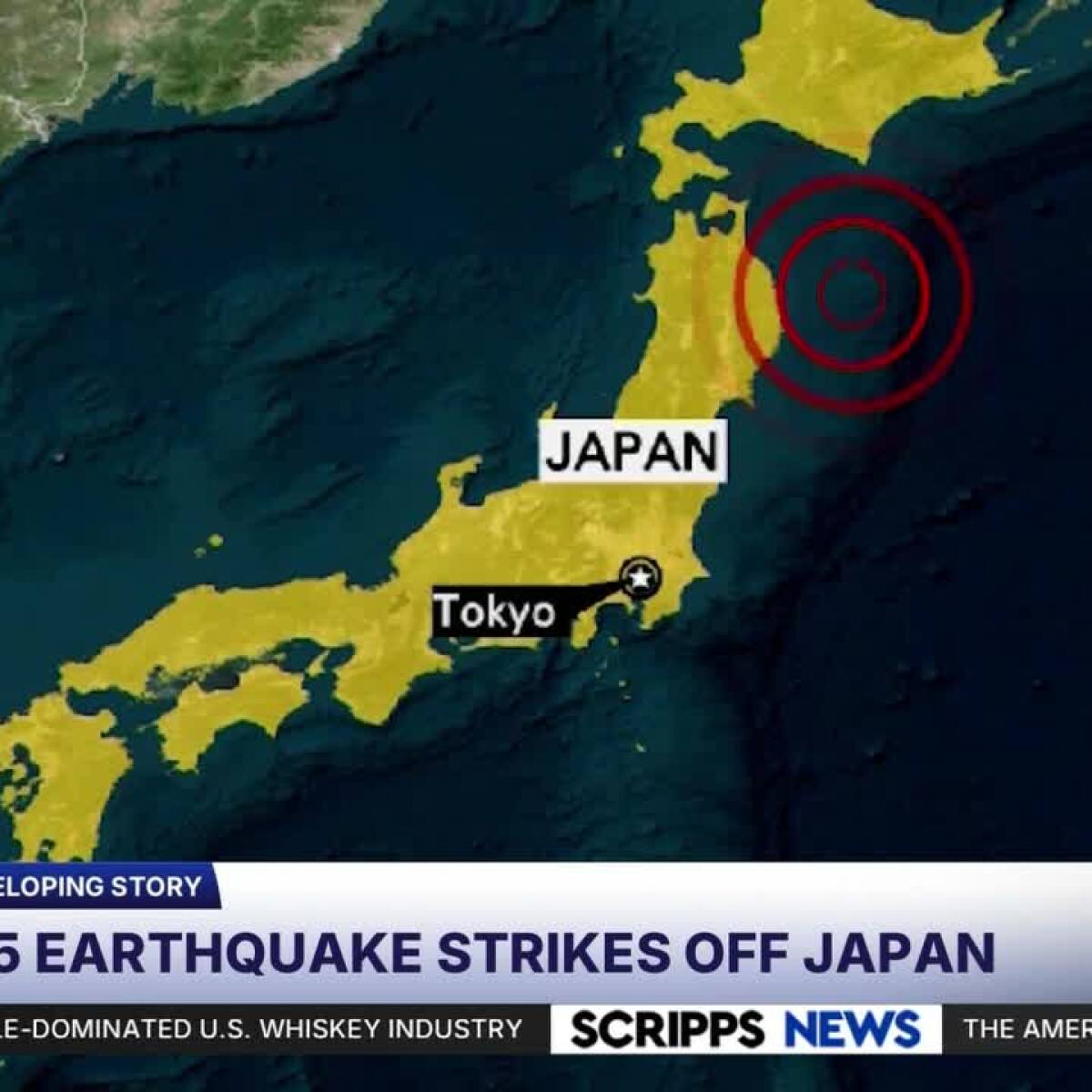
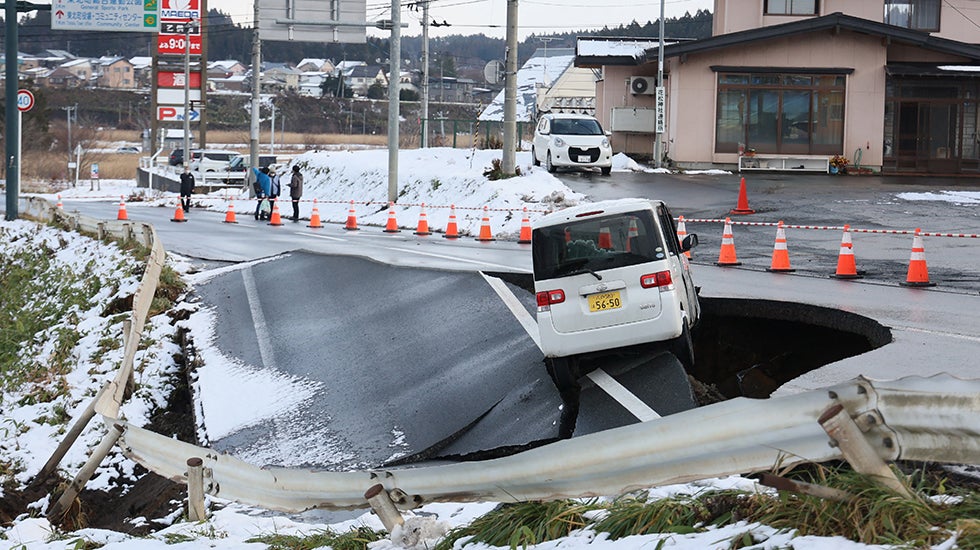
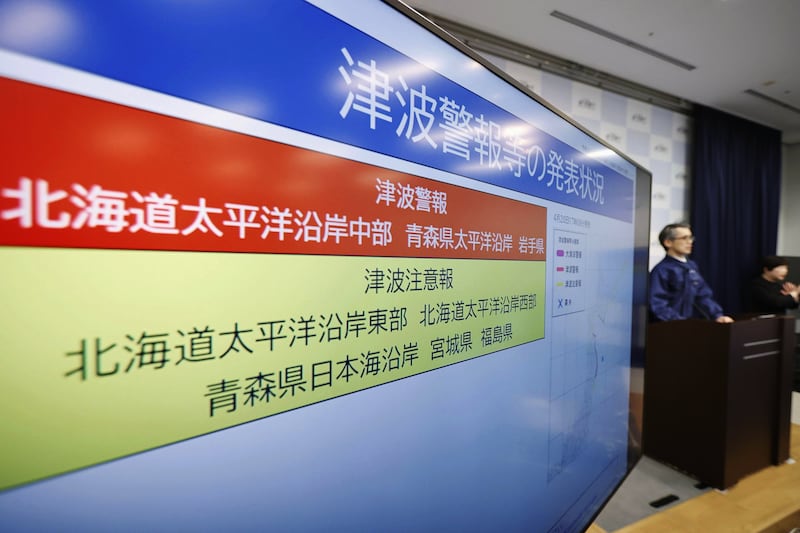
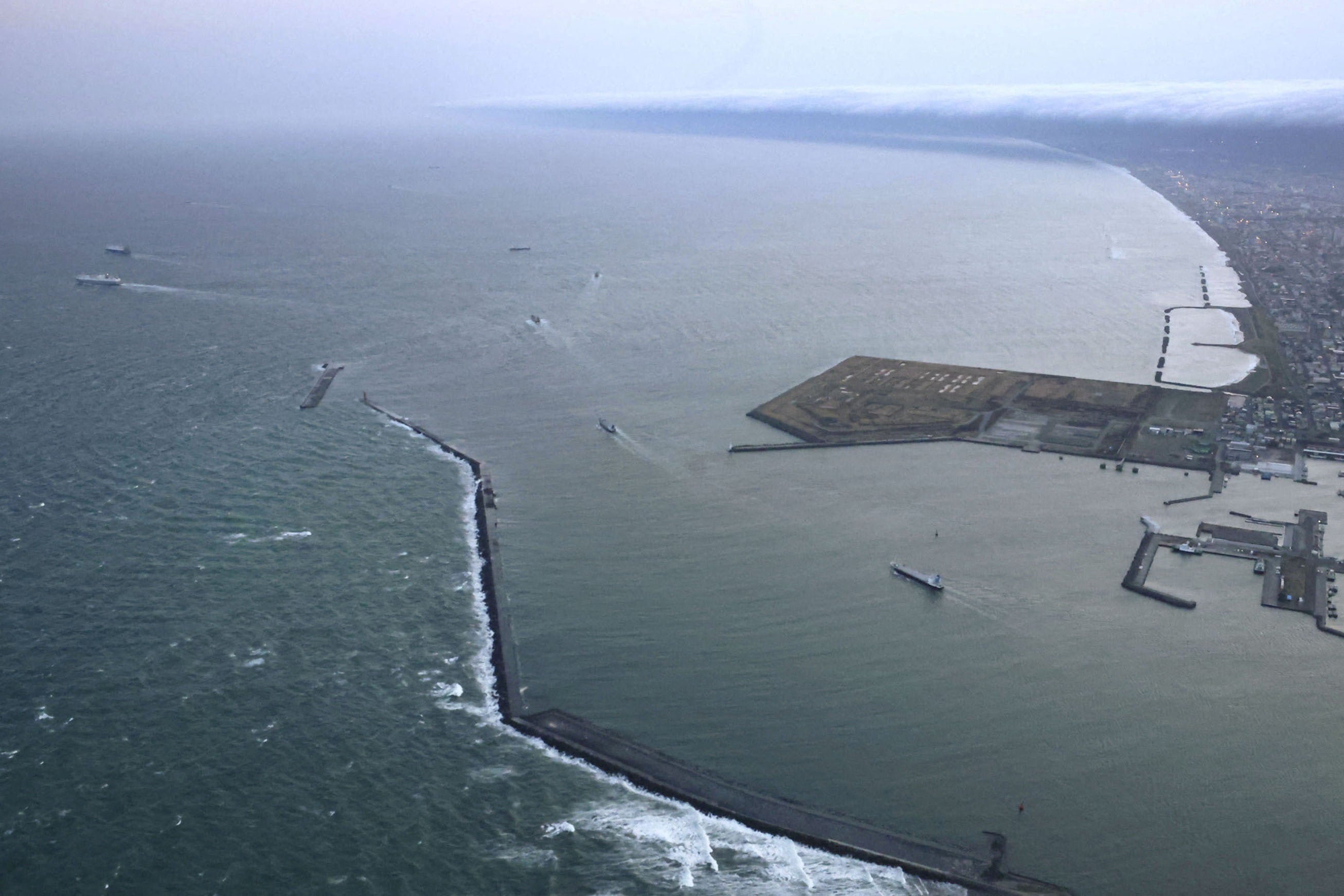
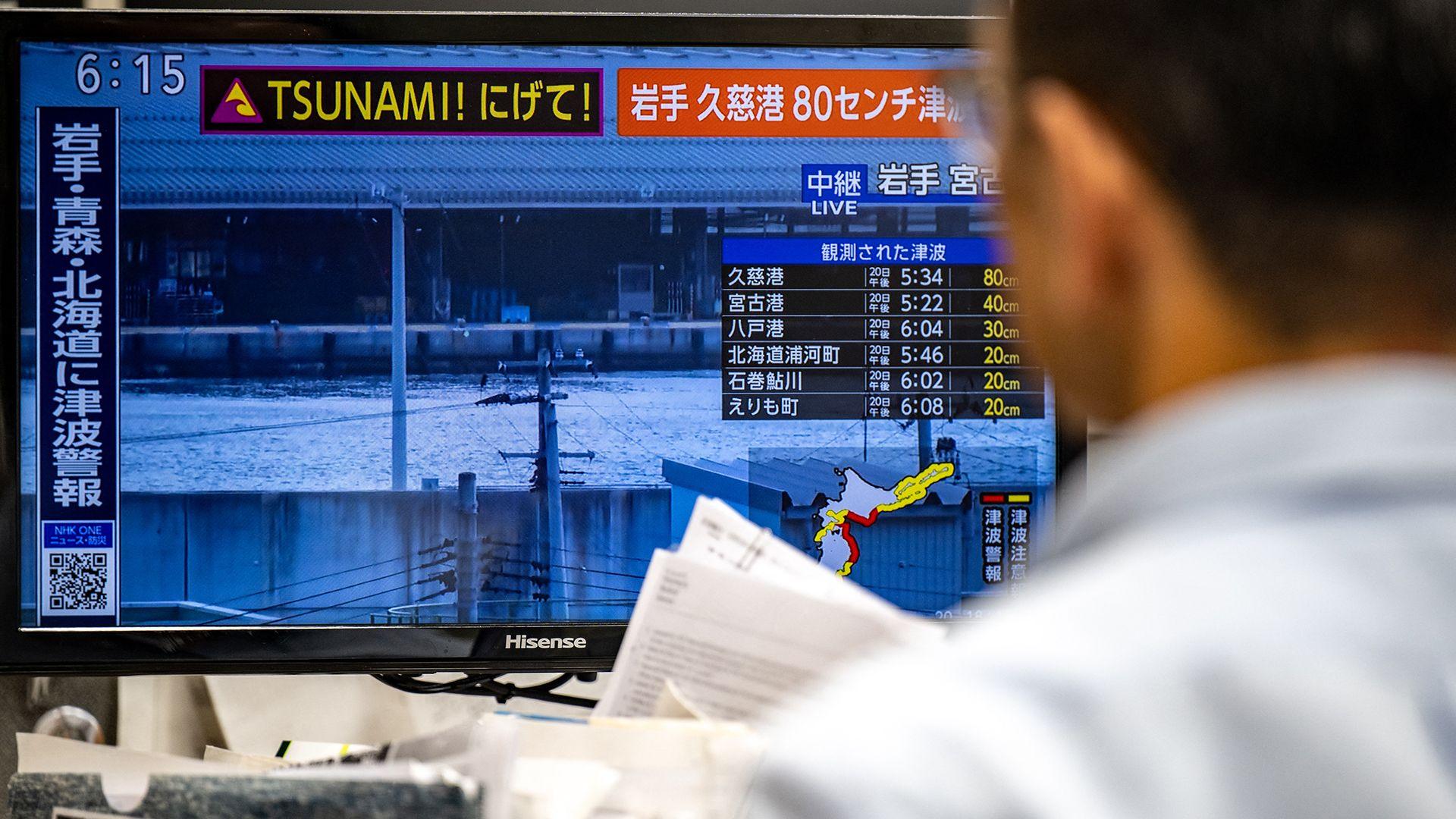
On April 20, 2026, a 7.5-magnitude earthquake struck off Japan's northern coast near Sanriku, triggering tsunami alerts and evacuation orders affecting 128,000+ residents across Iwate and neighboring prefectures. While initial damage assessments reported no significant injuries or infrastructure failures, this seismic event carries critical implications for cross-border e-commerce sellers sourcing products from Japan or relying on Japanese logistics networks. Japan remains a top-5 manufacturing and sourcing destination for Amazon FBA sellers, particularly in electronics, automotive parts, consumer goods, and specialty products. The affected Iwate region and surrounding Tohoku area host numerous manufacturing facilities, distribution centers, and port operations critical to global supply chains.
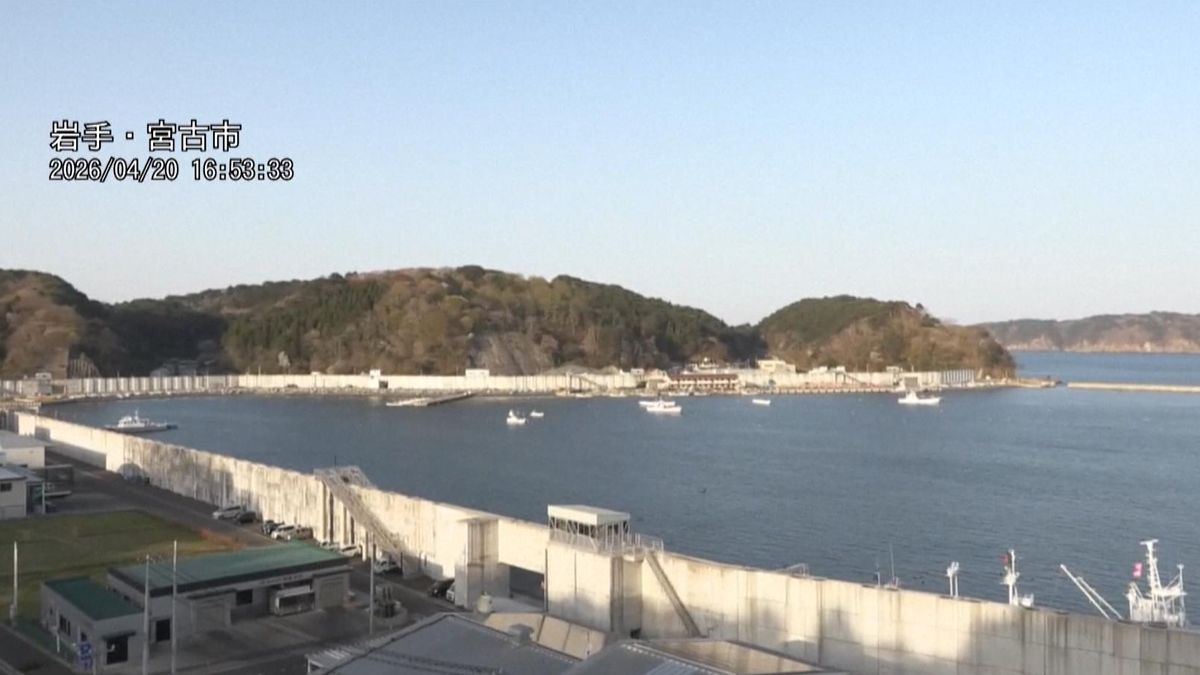
Supply Chain Vulnerability Assessment: The earthquake and week-long aftershock period create immediate logistics risks for sellers. Japanese ports like Kuji (where 80cm tsunami waves were recorded) handle significant container traffic for cross-border shipments. Sellers with inventory in transit from northern Japan or relying on Tohoku-based 3PL providers face potential 5-14 day delays in FBA shipments, directly impacting inventory velocity and BSR rankings during peak selling periods. Electronics sellers sourcing components from Iwate's semiconductor and precision manufacturing clusters should verify supplier status immediately—production halts or facility inspections could delay Q2/Q3 inventory replenishment by 2-4 weeks.
Immediate Operational Impacts: Sellers should contact Japanese suppliers and freight forwarders within 24-48 hours to assess facility status, port operations, and shipping timelines. The Pacific Tsunami Warning Center's all-clear signal suggests minimal ongoing maritime disruption, but aftershock risks persist through late April. Sellers with FBA inventory in Japanese warehouses or in-transit shipments should monitor tracking closely and prepare contingency inventory from alternative suppliers. For sellers relying on just-in-time sourcing from Japan, consider accelerating orders to buffer against potential 2-3 week supply gaps. Monitor Amazon Seller Central notifications for any logistics partner announcements regarding Japan operations.
Strategic Positioning: This event underscores supply chain concentration risk. Sellers heavily dependent on single-source Japanese suppliers should evaluate diversification to Vietnam, Thailand, or India for non-critical components. Consider increasing safety stock for high-velocity SKUs sourced from Tohoku region by 15-25% to weather future disruptions. The incident also highlights opportunities in disaster-preparedness product categories—emergency supplies, backup power systems, and water purification products typically see 30-50% demand spikes in affected regions during recovery periods.
Questions 8
What role do 3PL providers play in mitigating earthquake supply chain risk?
3PL providers with redundant fulfillment networks across multiple Japanese regions can absorb supply disruptions by rerouting inventory to alternative warehouses. Sellers should verify their 3PL provider has facilities in at least 3 separate regions (Tokyo, Osaka, Fukuoka) with cross-facility inventory transfer capabilities. Request contingency plans that specify alternative routing, cost implications, and timeline impacts for earthquake scenarios. Quality 3PL providers charge 5-8% premium for redundancy but save 15-20% in emergency expediting costs when disruptions occur. Review your 3PL contract for force majeure clauses and confirm they cover natural disasters. If your current provider lacks geographic redundancy, consider switching to larger providers (Yamato, Sagawa, Japan Post) that operate nationwide networks.
Are there regulatory or customs implications from the earthquake?
Japan's customs and port authorities may implement temporary inspection protocols for earthquake-affected shipments, potentially adding 2-3 days to clearance times. Ensure all documentation (commercial invoices, packing lists, certificates of origin) is complete and accurate to avoid additional delays. The Nuclear Regulation Authority confirmed no abnormalities at regional nuclear facilities, so no radiation-related customs holds are expected. However, verify with your customs broker that all shipments have proper earthquake-related documentation if required by destination countries. Monitor Japanese government announcements for any temporary tariff relief or expedited clearance programs for affected regions.