
Japan's Defense Export Liberalization Opens $305B Indo-Pacific Supply Chain Opportunity
- Japan loosens 70-year arms export restrictions; creates $20B+ procurement corridor for defense electronics, maritime equipment, and advanced manufacturing suppliers across Australia, Japan, and allied nations through 2033















Overview
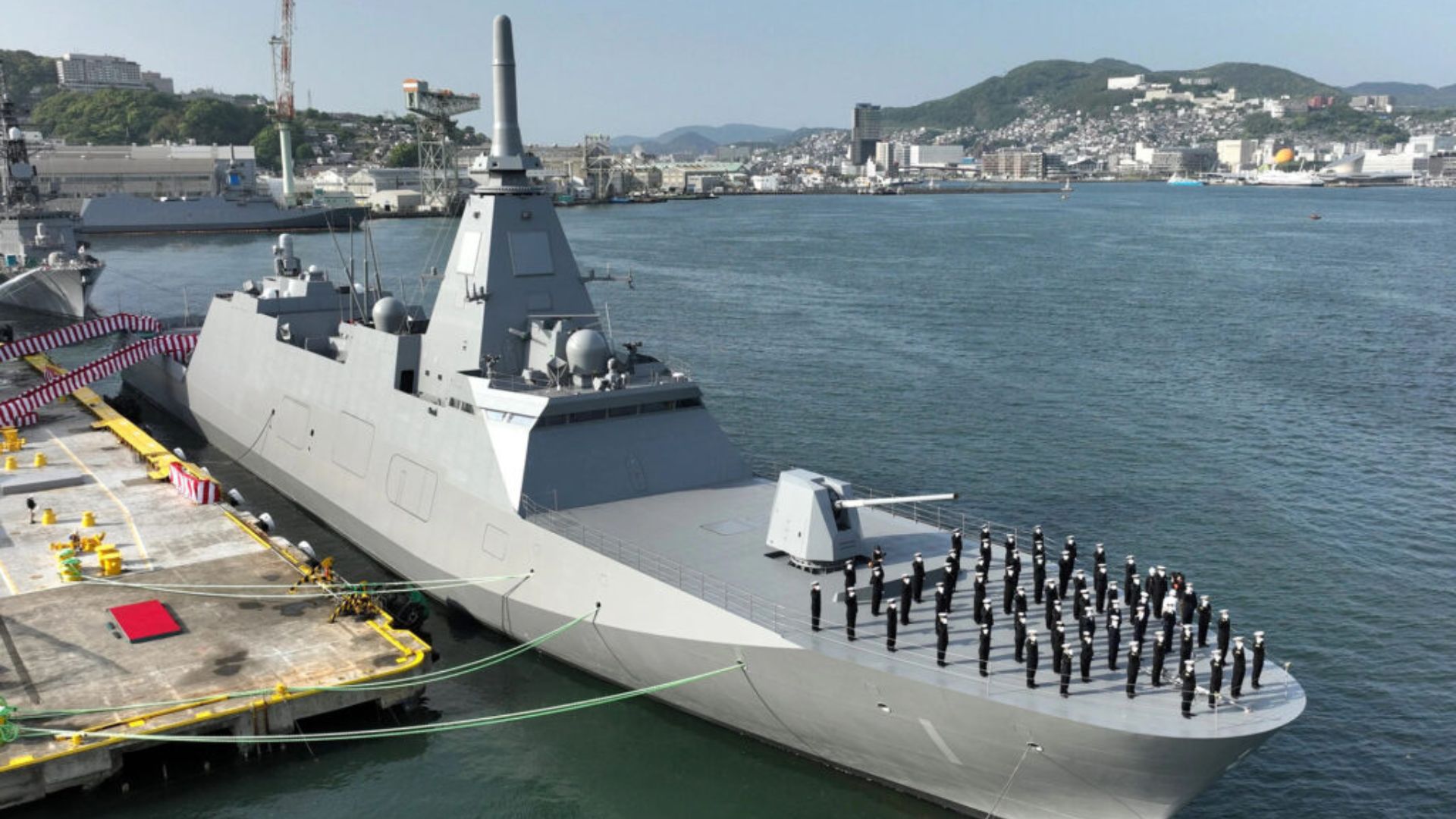
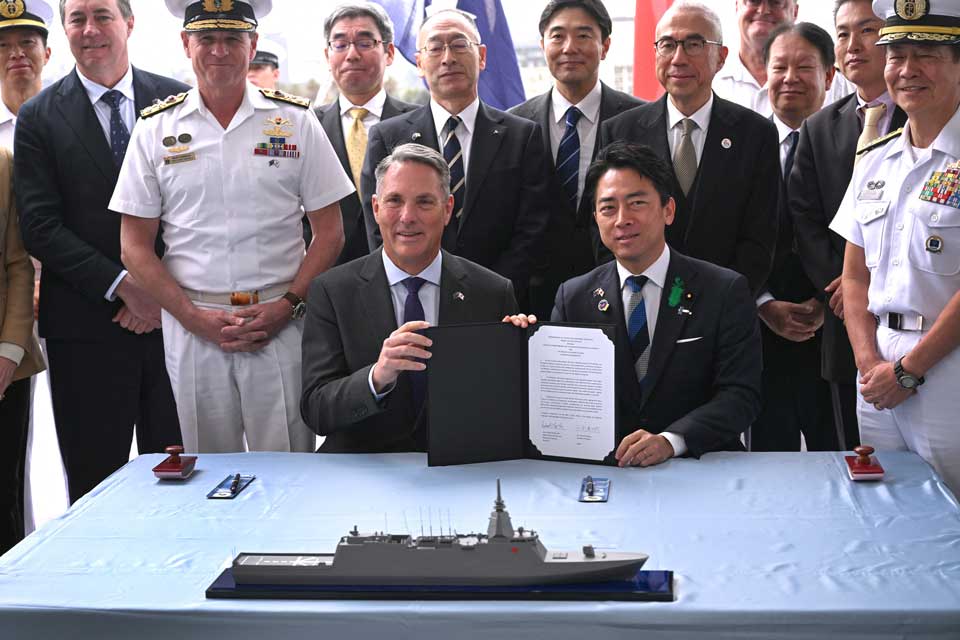
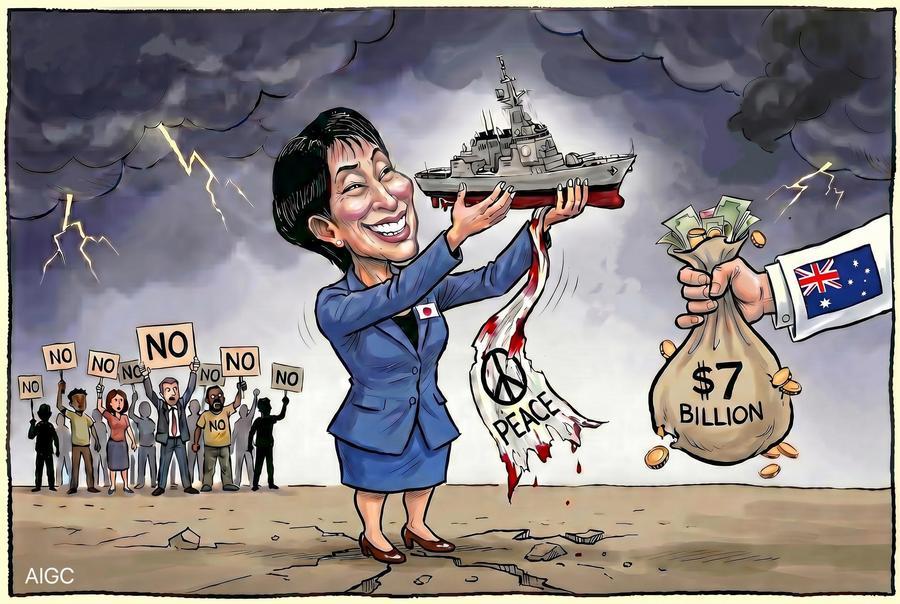
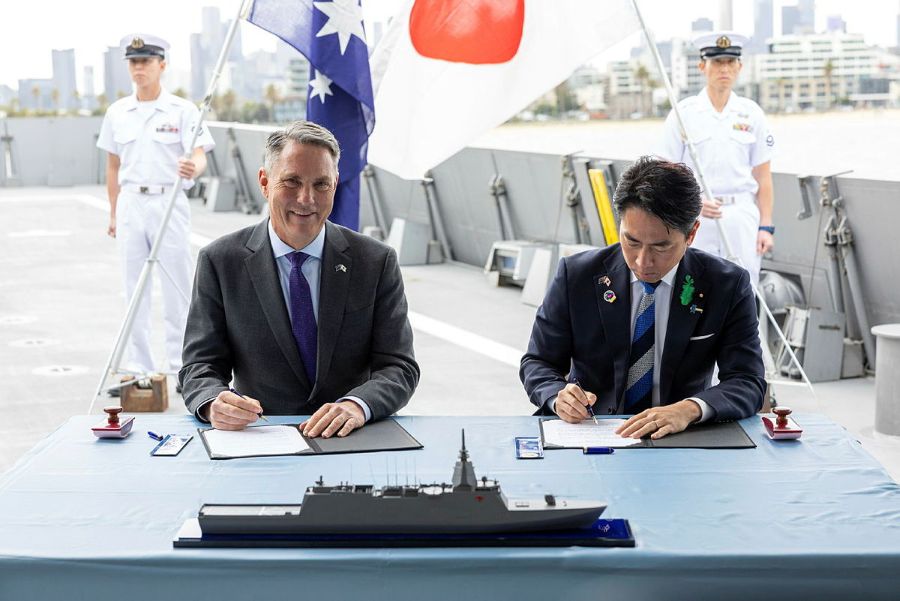
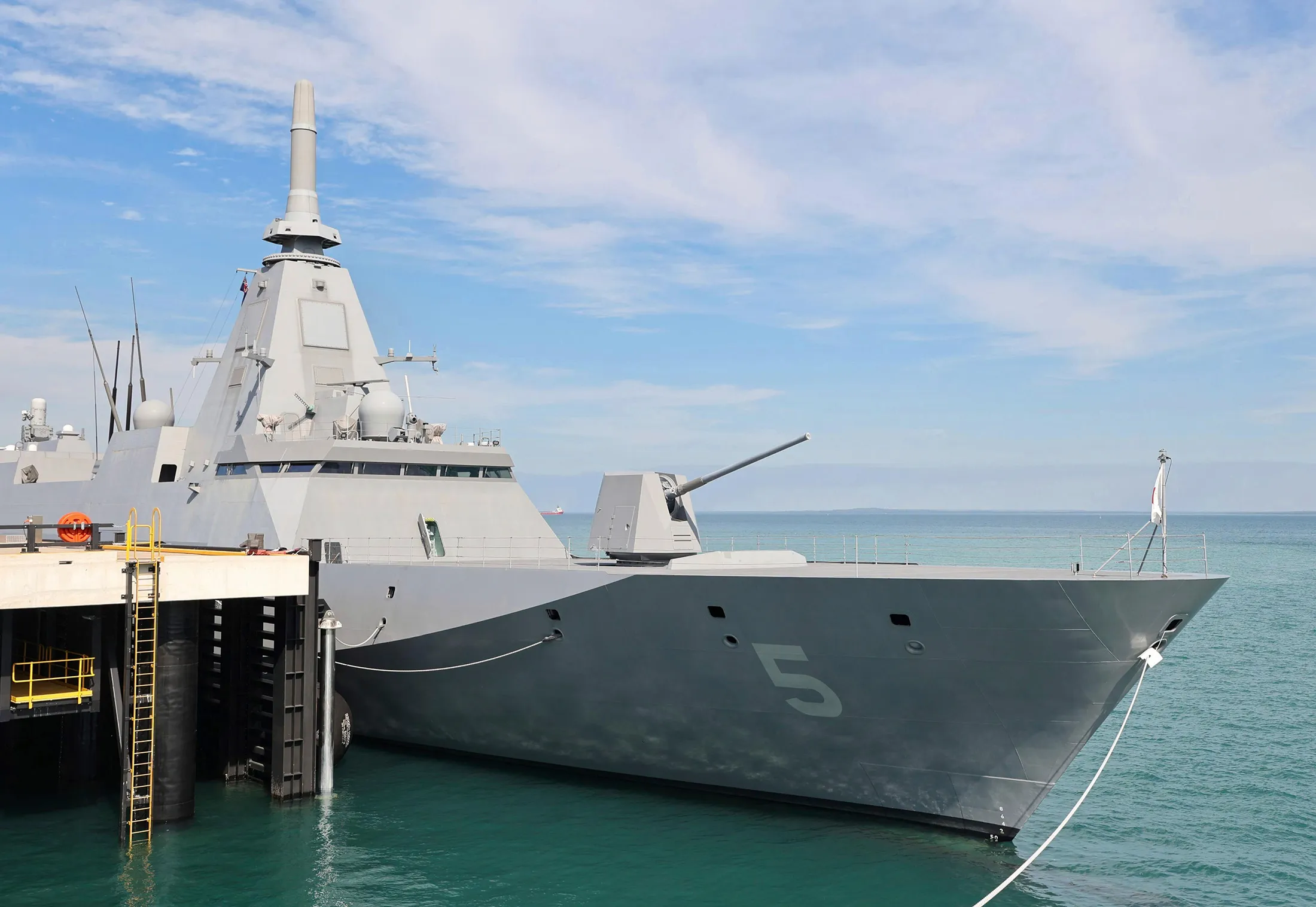
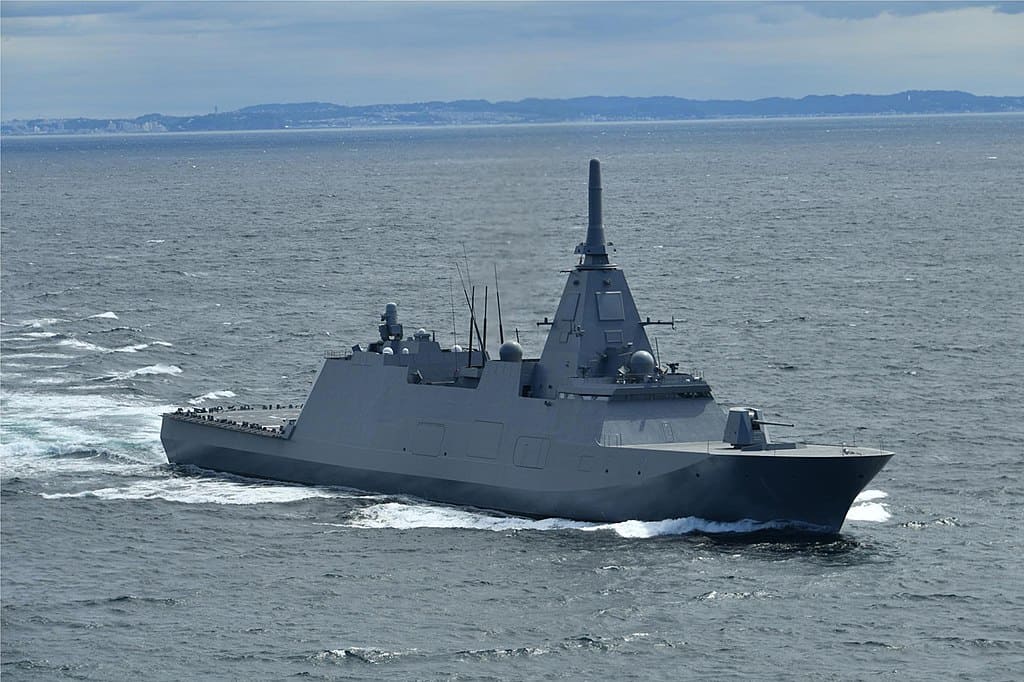
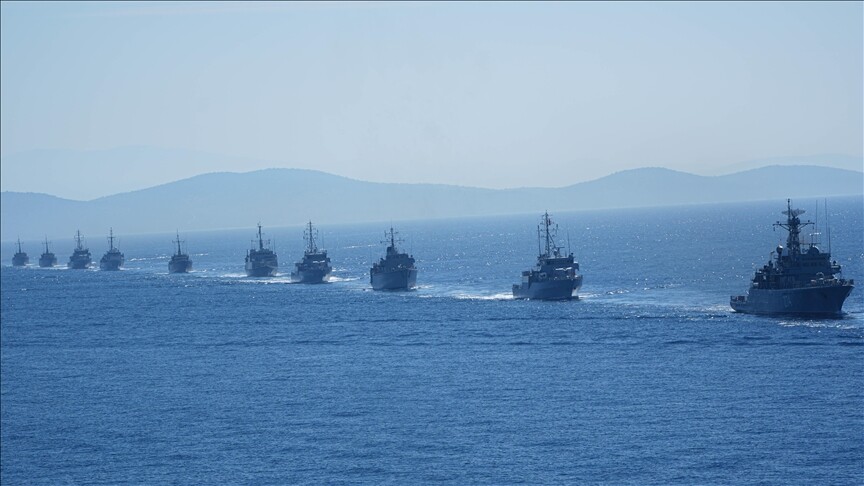
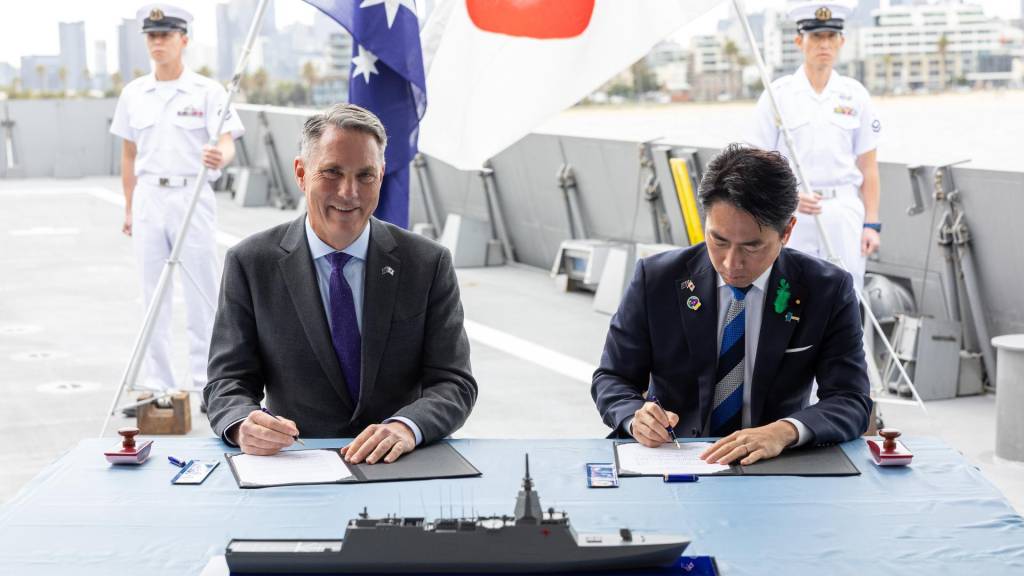
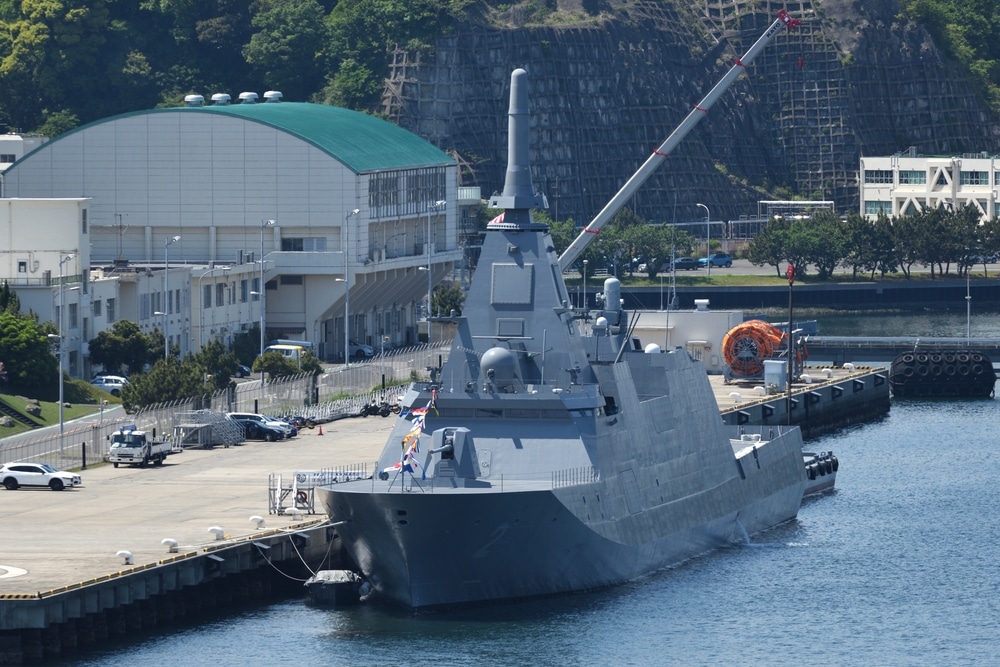
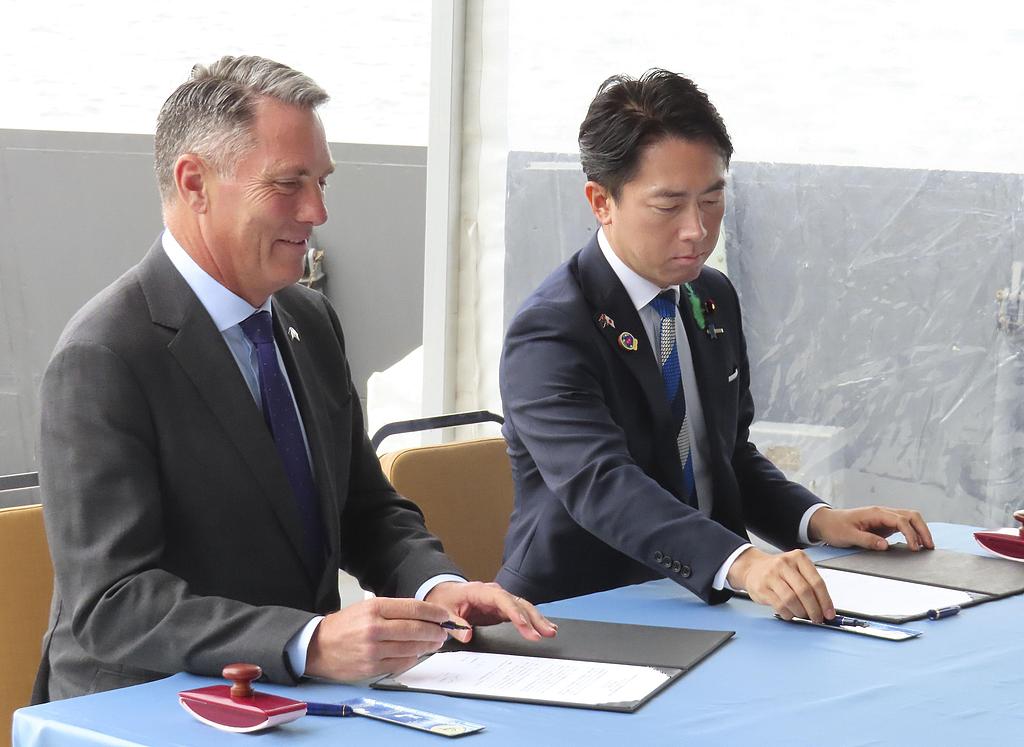
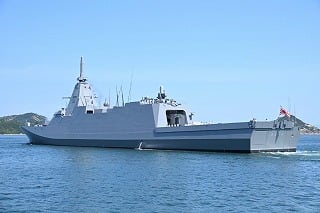
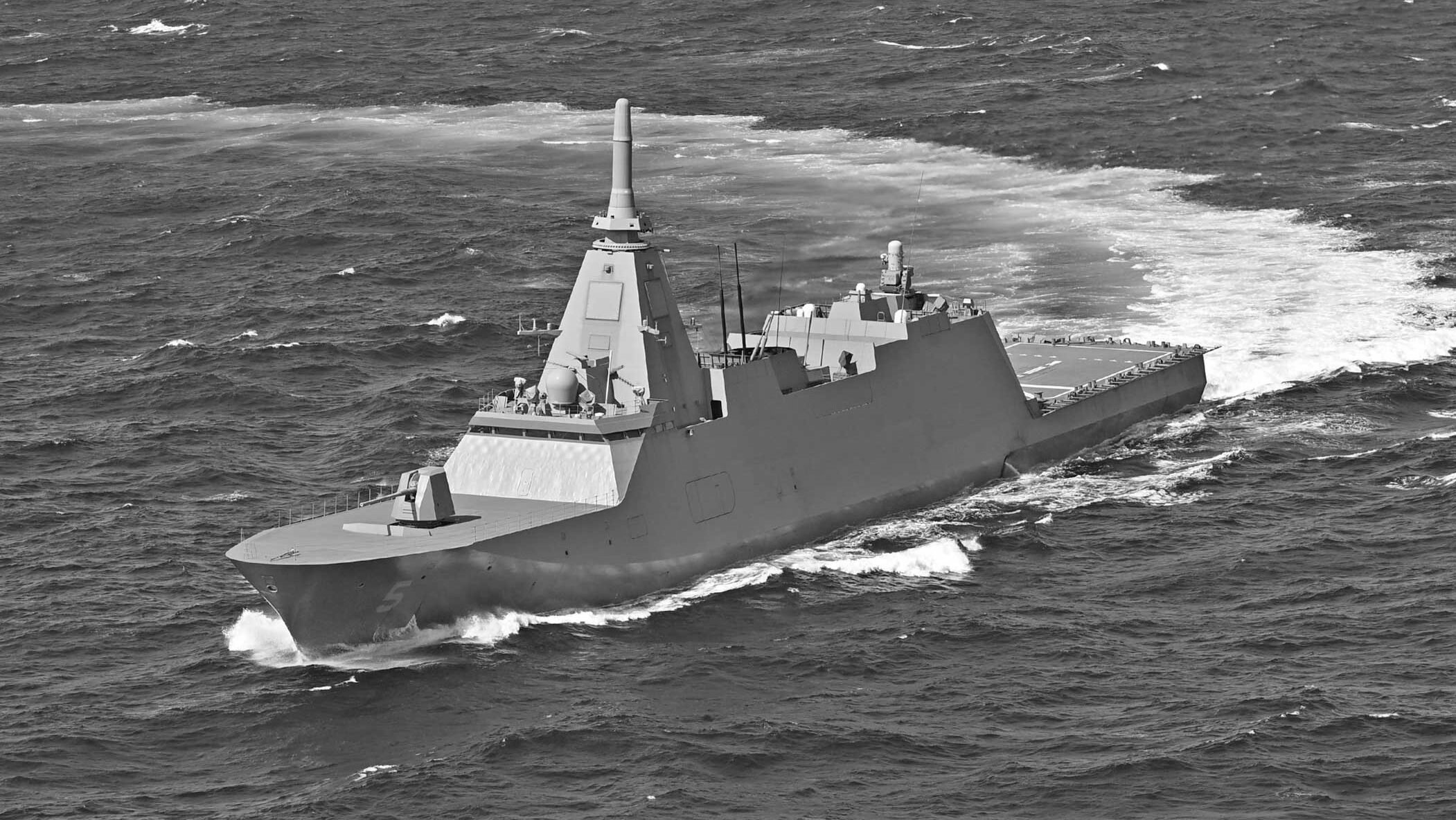
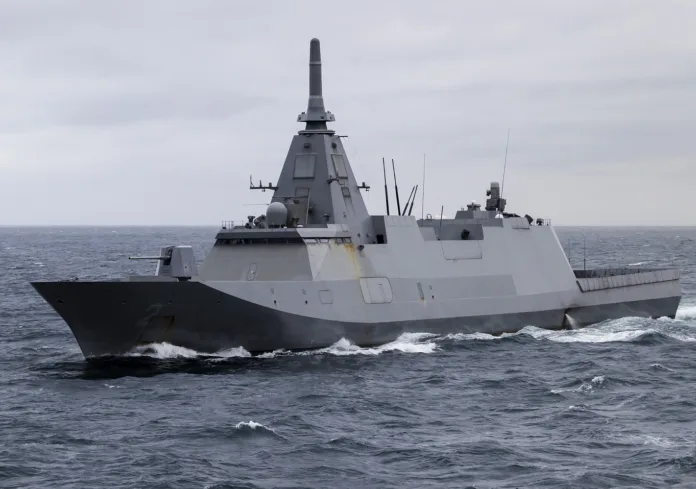
Japan's historic warship export deal with Australia signals a fundamental shift in defense procurement policies that creates cascading supply chain opportunities for cross-border sellers in electronics, advanced materials, and specialized components. The AU$10 billion (USD $7.15 billion) contract announced April 20, 2026, for three Mogami-class frigates represents Japan's first major defense export in decades, with delivery scheduled 2029-2030. More significantly, Australia's AU$20 billion commitment to acquire 11 total frigates—with Japan building three and Australian manufacturer Austal constructing eight—establishes a multi-year procurement corridor extending through 2033. This aligns with Australia's record $305 billion military spending commitment over the next decade, projected to reach 3% of GDP by 2033 (levels unseen since WWII).
The supply chain implications are substantial for electronics and components sellers. The deal explicitly involves multiple Japanese industrial partners: NEC Corporation providing radar and antenna systems, Mitsubishi Electric and Hitachi supplying defense electronics. This consortium model indicates Australia's defense modernization will require thousands of specialized components—from advanced semiconductors and sensor systems to maritime-grade materials and communications equipment. The competitive selection process (MHI defeated Germany's ThyssenKrupp Marine Systems) demonstrates Australia prioritizes accelerated delivery timelines and technological credibility, creating urgency for suppliers to establish qualified vendor status before 2027-2028 procurement acceleration phases.
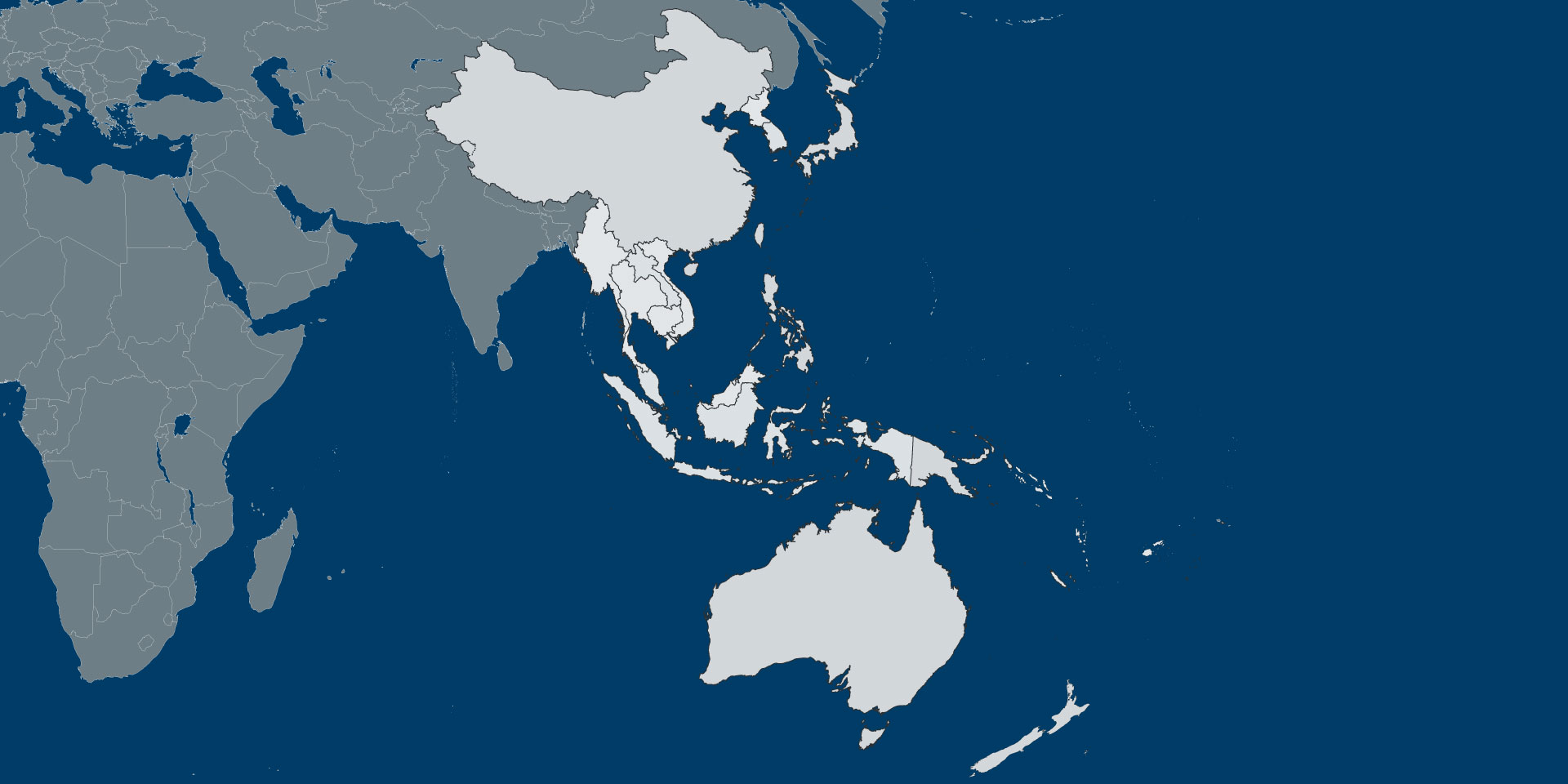
Geopolitical context amplifies market opportunity windows. Australia's April 16 National Defence Strategy explicitly identified China's "growing national power and increasingly potent military capabilities" as the primary security concern, driving the frigate acquisition as part of broader Indo-Pacific security realignment. Japan's preparation to formally loosen historically restrictive arms export policies later in 2026 signals broader regional defense spending acceleration across Quad nations (Australia, Japan, US, India). MHI's stock gained 75% over 12 months, with Mitsubishi Electric (+3.64%) and Hitachi (+0.8%) also benefiting, reflecting investor confidence in sustained defense sector expansion. This creates a 3-5 year window (2026-2031) where suppliers establishing relationships with Japanese defense contractors and Australian procurement agencies can capture recurring orders as the frigate program scales and related modernization initiatives launch.
For cross-border sellers, the opportunity centers on three vectors: (1) Direct procurement: Sellers with certifications in defense electronics, advanced materials, or maritime components can pursue Australian Defence Force and Japanese Maritime Self-Defense Force (JMSDF) supplier contracts through official procurement channels; (2) Indirect supply: Established suppliers to MHI, Mitsubishi Electric, Hitachi, and NEC can expand capacity and establish secondary sourcing relationships; (3) Ecosystem expansion: The $305B Australian defense budget extends beyond frigates to air defense, cyber capabilities, and logistics—creating adjacent procurement opportunities in 2027-2033. The Mogami Memorandum framework between Australia and Japan establishes industrial cooperation standards that will influence procurement specifications across both nations' defense sectors.
Questions 7
What is the competitive advantage for suppliers already established in Japan or Australia?
Suppliers with existing operations in Japan or Australia hold significant advantages: (1) **Proximity**: Reduced logistics costs and faster delivery times (critical given MHI's competitive advantage was accelerated timelines); (2) **Regulatory familiarity**: Existing compliance infrastructure for Japanese export controls and Australian defense procurement; (3) **Relationship capital**: Established connections with MHI, Mitsubishi Electric, Hitachi, and Austal reduce qualification timelines; (4) **Supply chain integration**: Existing suppliers to these contractors can expand capacity for defense applications. Japan-based suppliers benefit from MHI's preference for domestic supply chains (reducing export approval complexity), while Australia-based suppliers gain from Austal's 8-frigate construction contract and local content requirements. Cross-border sellers without regional presence should consider establishing partnerships with local distributors or contract manufacturers in Japan/Australia by Q2 2026 to participate in 2027-2028 procurement acceleration.
How can sellers identify specific procurement opportunities within this $305B Australian defense budget?
Australia's Defence Materiel Organisation (DMO) publishes procurement opportunities through official channels: (1) **AusTender** (www.tenders.gov.au) lists all government contracts; (2) **Defence Procurement** (defence.gov.au) provides strategic procurement plans; (3) **Direct engagement**: Contact MHI's Australian subsidiary, Austal (the Australian frigate builder), and Japanese contractors (Mitsubishi Electric, Hitachi, NEC) to understand sub-supplier requirements. The frigate program represents AU$20 billion of the $305B total, but related modernization (air defense, cyber, logistics) creates adjacent opportunities. Sellers should: (1) Monitor AusTender for frigate-related RFQs (Request for Quotes) starting 2027; (2) Establish relationships with prime contractors (MHI, Austal) by Q4 2026; (3) Pursue ISO 9001 and AS9100 certifications immediately; (4) Prepare technical documentation demonstrating defense-grade manufacturing capability. The 2029-2033 delivery window provides a 3-5 year procurement corridor.