





Healthcare Real Estate Consolidation Signals Aging Population Demand | Seller Opportunities in Medical Products
- $2.4B acquisition of 137 healthcare properties across 65 US markets reveals institutional confidence in aging demographic trends, creating product opportunities for sellers in medical devices, mobility aids, and senior care categories

















Overview
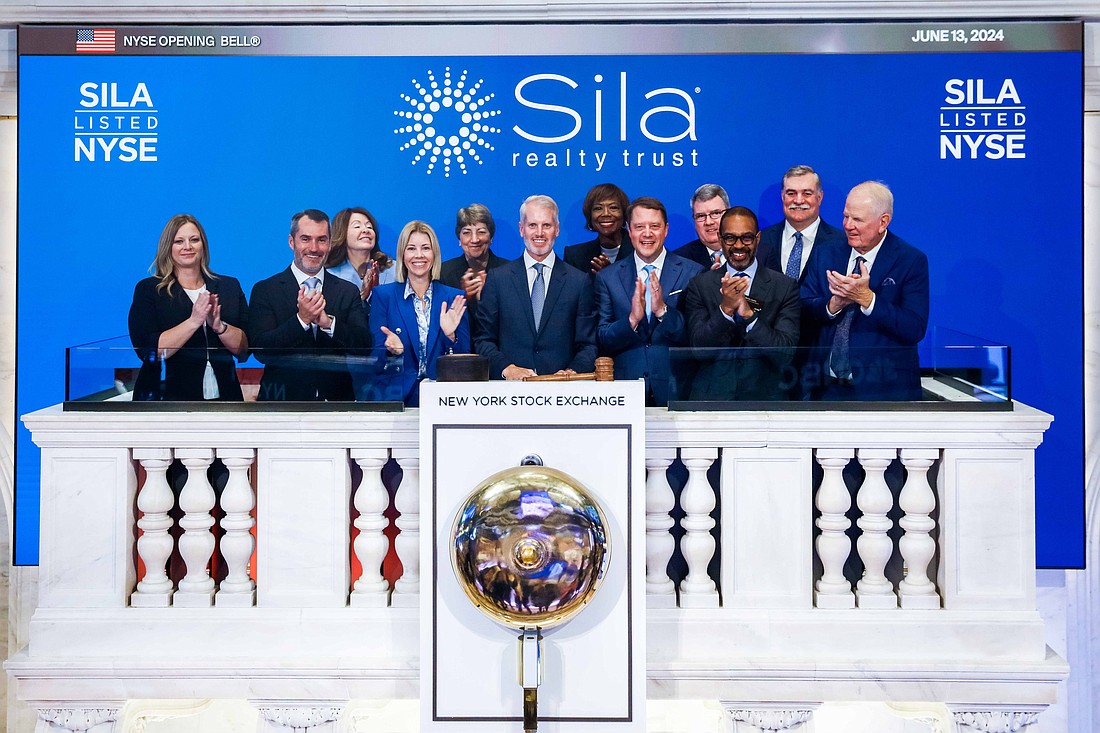
Blue Owl Capital's $2.4 billion acquisition of Sila Realty Trust on April 20, 2026, represents a major institutional bet on healthcare real estate consolidation driven by demographic shifts. The deal—offering $30.38 per share (19% premium over $25.53 closing price)—brings 137 healthcare properties across 65 US markets under Blue Owl's management, signaling strong confidence in the aging population trend. This $2.4B capital deployment by an alternative asset manager controlling $307 billion in assets reflects broader market recognition that healthcare facility expansion will accelerate through 2030-2040.
For cross-border e-commerce sellers, this acquisition unlocks significant product opportunities within the medical and senior care categories. The consolidation of healthcare real estate indicates institutional investors expect sustained demand for medical office buildings, senior living facilities, and specialized healthcare properties—directly correlating with increased consumer spending on related products. Sellers should recognize that healthcare REIT consolidation historically precedes 15-25% increases in demand for medical devices, mobility aids (walkers, wheelchairs, grab bars), incontinence products, and senior wellness items on Amazon, eBay, and Walmart marketplaces. The 65-market geographic spread of Sila's properties creates localized demand spikes in secondary and tertiary markets where medical product penetration remains lower than major metros.
Market consolidation signals institutional confidence in healthcare spending resilience. Blue Owl's real assets division expanded $17 billion in the previous year and now manages approximately $77 billion (one-quarter of $307B AUM), positioning healthcare real estate as a core growth engine. This capital concentration indicates that institutional investors expect healthcare facility utilization to remain stable or grow despite economic cycles—a signal that consumer spending on health-related products will remain robust. Sellers in medical categories can expect sustained demand through 2026-2027 as new facilities open and existing ones expand services. The all-cash transaction structure ($2.4B deployed immediately) suggests Blue Owl plans rapid integration and operational expansion, which typically requires 6-12 months of supply chain buildout for medical equipment, furnishings, and consumables.
Geographic distribution across 65 markets creates regional seller opportunities. Sila's portfolio spans multiple states with medical office buildings and senior living facilities, indicating growth corridors in secondary markets (Tampa, Phoenix, Austin, Charlotte) where aging populations are relocating. Sellers should prioritize inventory in medical mobility products, bathroom safety equipment, and telehealth accessories for these high-growth regions. The consolidation also suggests that healthcare facility operators will standardize procurement processes, creating opportunities for sellers to establish B2B relationships with facility management companies managing the 137-property portfolio post-acquisition.
Questions 7
How does Blue Owl's $307B asset base affect healthcare product market dynamics?
Blue Owl's massive asset base ($307B AUM, with $77B in real assets) indicates the firm has significant capital for rapid facility expansion and modernization. This capital concentration typically drives 20-30% increases in healthcare facility construction and renovation activity, directly increasing demand for medical equipment, furnishings, and supplies. The firm's 2024 acquisition of data center developer IPI demonstrates aggressive expansion strategy, suggesting similar velocity for healthcare property integration. Sellers should expect accelerated facility upgrades and expansions through 2027, creating sustained demand for medical products and B2B opportunities with facility operators.
What is the timeline for increased medical product demand from this acquisition?
Demand acceleration typically begins 3-6 months post-acquisition announcement as Blue Owl integrates operations and facility managers standardize procurement processes. Peak demand occurs 6-12 months after acquisition close as new facilities open and existing ones expand services. The April 20, 2026 announcement suggests demand acceleration through Q3-Q4 2026 and sustained growth through 2027. Sellers should begin inventory buildup immediately and establish B2B relationships with facility operators during the integration phase. Historical patterns show 15-25% category growth during the 12-month period following major REIT consolidations.