


Air Cargo Capacity Crisis | Cross-Border Sellers Face 72% Fuel Surcharge Spike Through October 2026
- Jet fuel prices surge from $2.50 to $4.30/gallon; Air Canada suspends Toronto-JFK routes June 1-October 25, 2026; air freight costs increase 15-25% for Canada-US sellers; alternative routing adds 1-3 days transit time










Overview
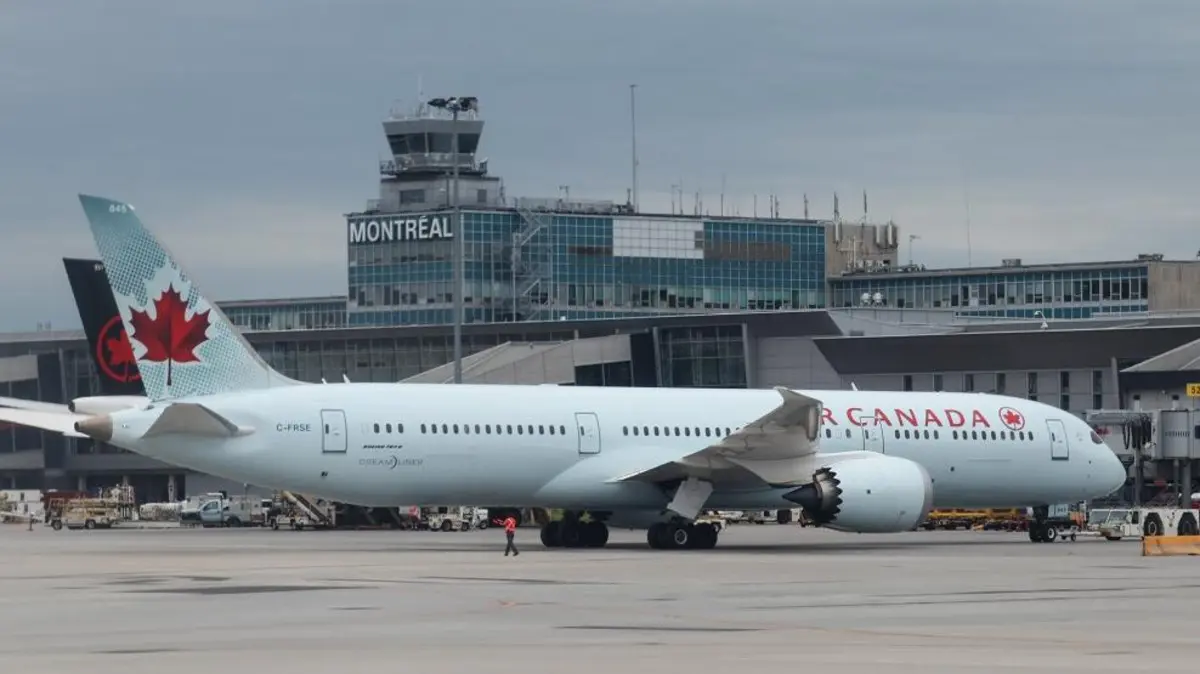
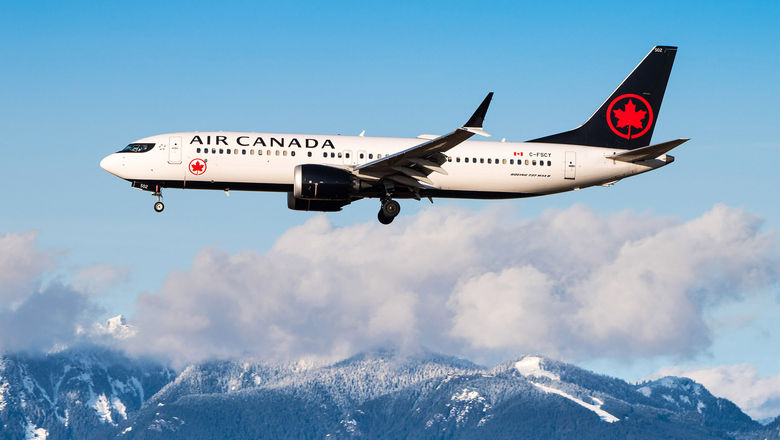
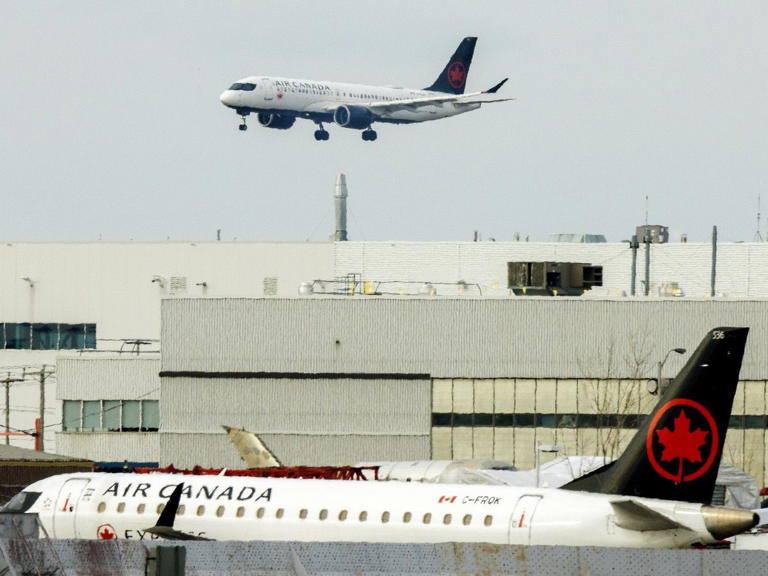
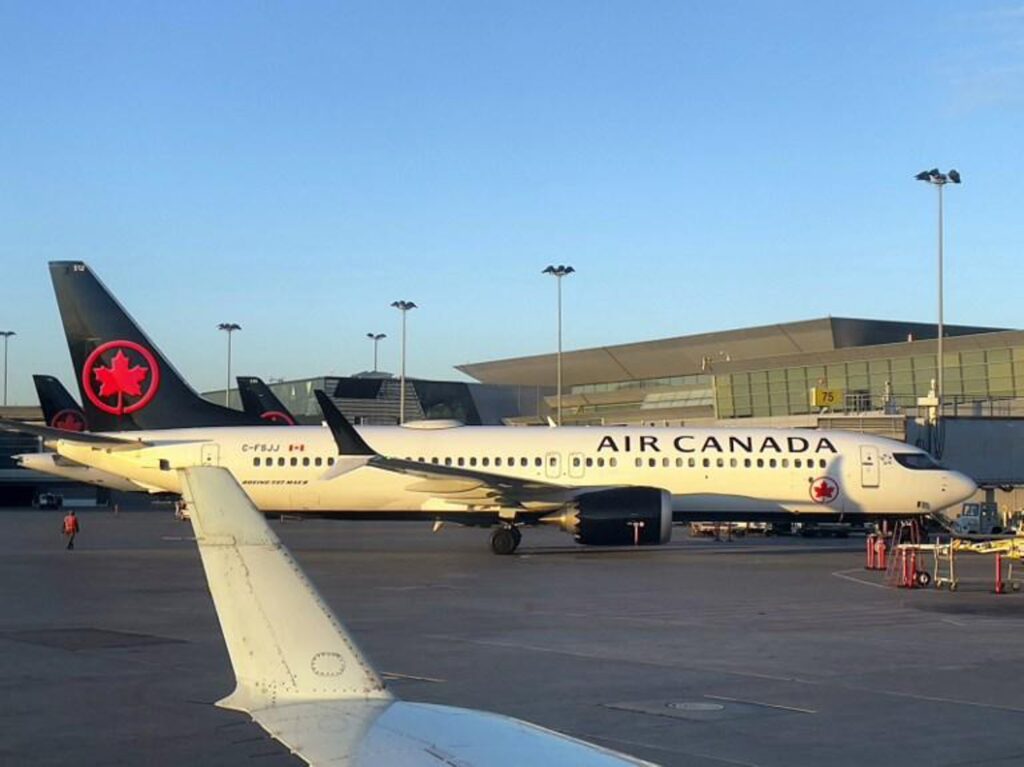
The Iran-United States geopolitical conflict triggered a 72% jet fuel price spike in just two months (February-April 2026), forcing Air Canada to suspend critical cross-border air routes effective June 1, 2026. Jet fuel prices surged from approximately $2.50 per gallon to over $4.30 per gallon, representing one of the most severe aviation cost shocks in recent history. Air Canada's suspension of Toronto-Montreal to JFK service through October 25, 2026, combined with similar schedule reductions from Lufthansa, KLM, JetBlue, Spirit, and Frontier, has created a critical air cargo capacity shortage affecting cross-border e-commerce logistics.
For Canada-US cross-border sellers, this creates immediate cost pressures and operational constraints. Air freight surcharges are increasing 15-25% above baseline rates, with fuel surcharges now representing 20-30% of total airline operating expenses. Sellers shipping time-sensitive categories—perishables (fresh foods, supplements), electronics (components, accessories), and seasonal goods (holiday merchandise, fashion)—face the most severe impact. The forced rerouting through alternative airports (LaGuardia, Newark instead of JFK) adds 1-3 days to transit times and increases handling costs by $50-150 per shipment depending on weight and destination. For a seller shipping 500 units monthly via air freight, this translates to $2,500-7,500 in additional monthly logistics costs through October 2026.
Strategic logistics repositioning is essential for sellers managing Canada-US trade flows. The optimal response involves a three-tier approach: (1) Shift non-urgent inventory (30-40% of typical air freight volume) to ocean freight via Halifax, Vancouver, or Montreal ports, accepting 10-14 day transit times but saving 40-50% on per-unit shipping costs; (2) Consolidate time-sensitive shipments (perishables, electronics with short shelf life) through remaining air capacity at LaGuardia/Newark, accepting premium fuel surcharges but maintaining delivery windows; (3) Increase inventory buffers in US fulfillment centers by 2-3 weeks of stock before June 1, 2026, reducing reliance on expedited cross-border air freight. Sellers should also evaluate 3PL providers offering consolidated air freight services, which can reduce per-unit costs by 8-12% through volume aggregation. The suspension period extends through October 25, 2026, making this a 5-month planning window for inventory repositioning and carrier diversification.
Questions 8
How much will air freight costs increase for Canada-US sellers through October 2026?
Air freight costs are increasing 15-25% above baseline rates due to fuel surcharges now representing 20-30% of airline operating expenses. For a seller shipping 500 units monthly via air freight, this translates to $2,500-7,500 in additional monthly logistics costs. The 72% jet fuel price spike (from $2.50 to $4.30 per gallon) directly flows through to carrier pricing. Sellers should lock in rates immediately and consider shifting 30-40% of volume to ocean freight to mitigate costs through the October 25, 2026 suspension period.
Which product categories are most affected by Air Canada route suspensions?
Time-sensitive categories face the highest impact: perishables (fresh foods, supplements with 7-14 day shelf life), electronics (components, accessories requiring rapid inventory turnover), and seasonal goods (holiday merchandise, fashion with narrow selling windows). These categories typically rely on air freight to maintain inventory freshness and meet customer delivery expectations. Sellers in these categories should prioritize inventory repositioning to US fulfillment centers before June 1, 2026, and evaluate ocean freight for non-urgent replenishment shipments.