





Fuel Price Volatility Threatens E-Commerce Logistics | Sellers Face $200-400 Monthly Cost Surge
- Government messaging chaos creates unpredictable shipping costs for 50K+ cross-border sellers relying on air freight and expedited delivery





















Overview
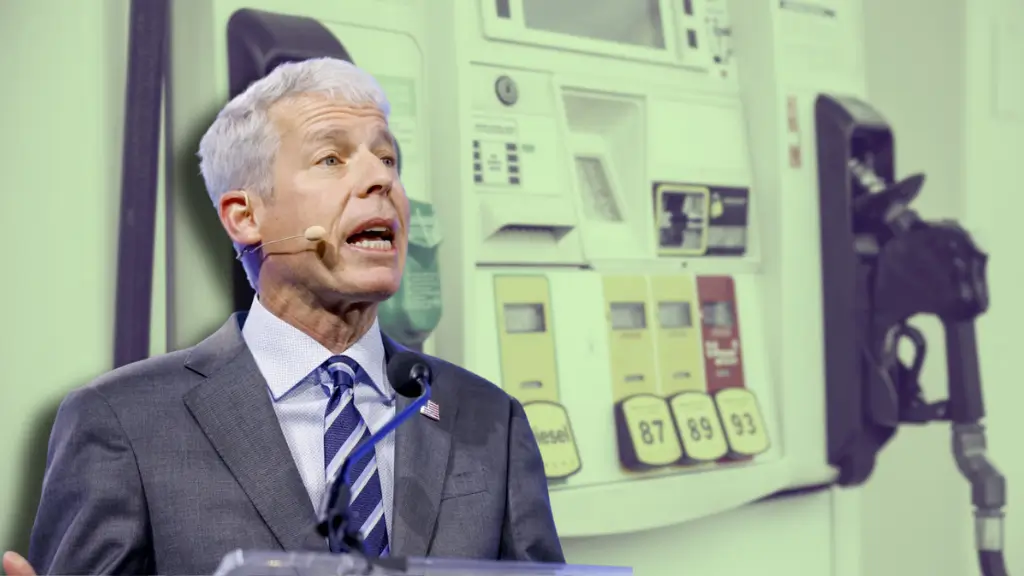
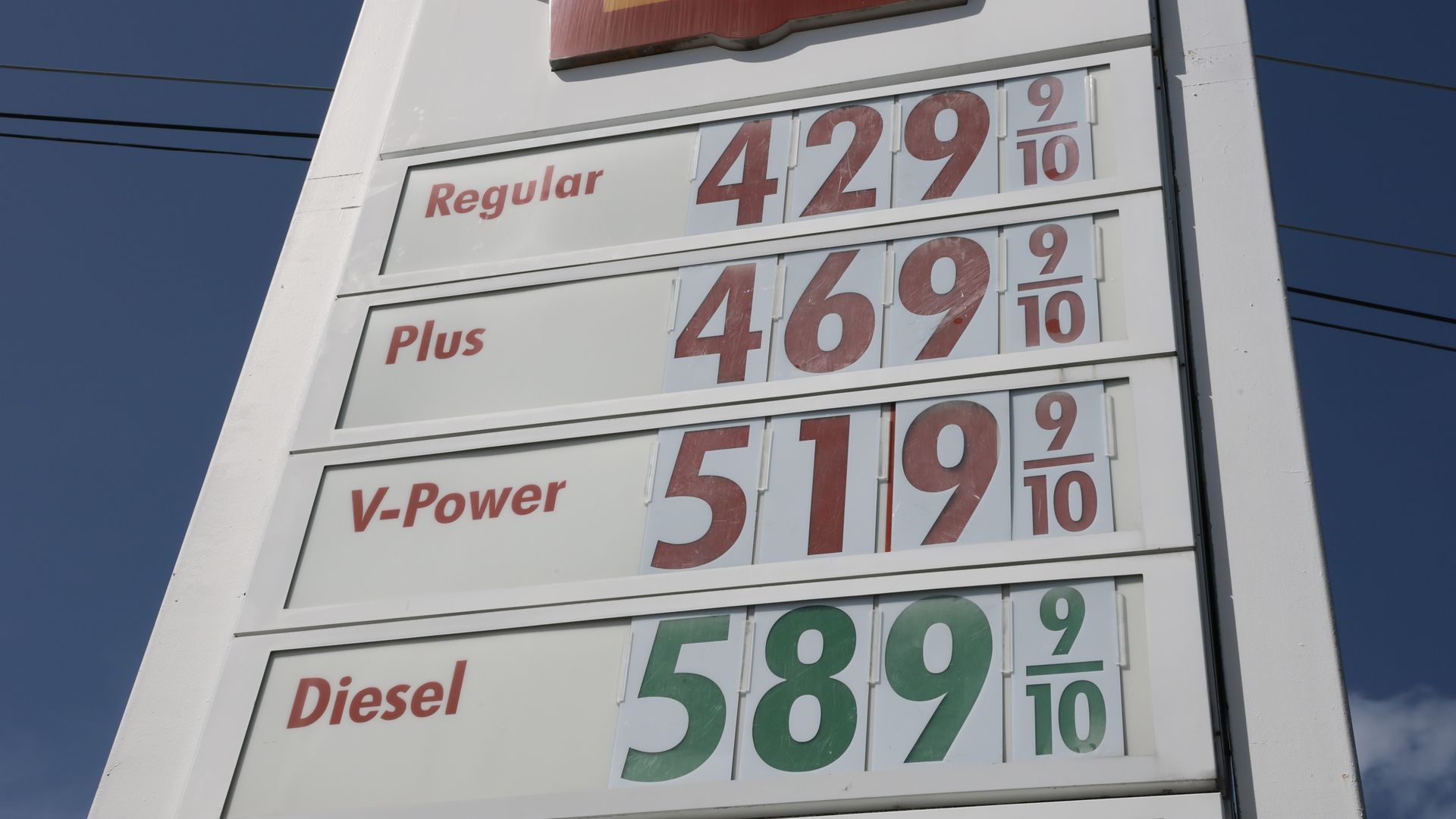
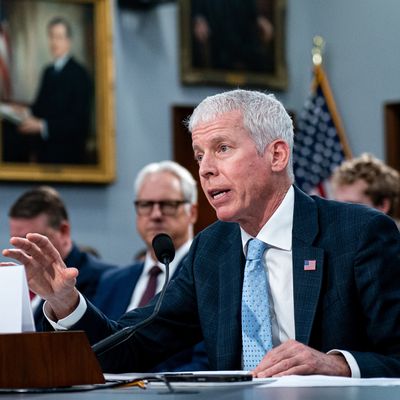
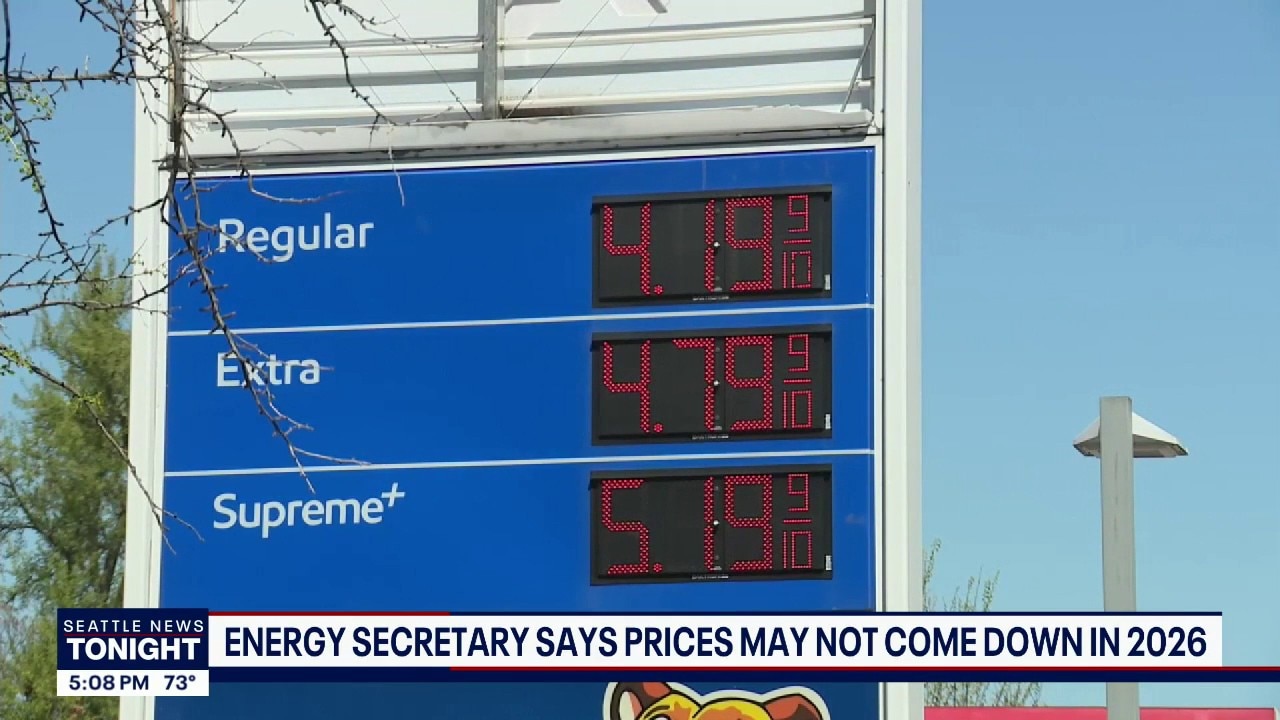
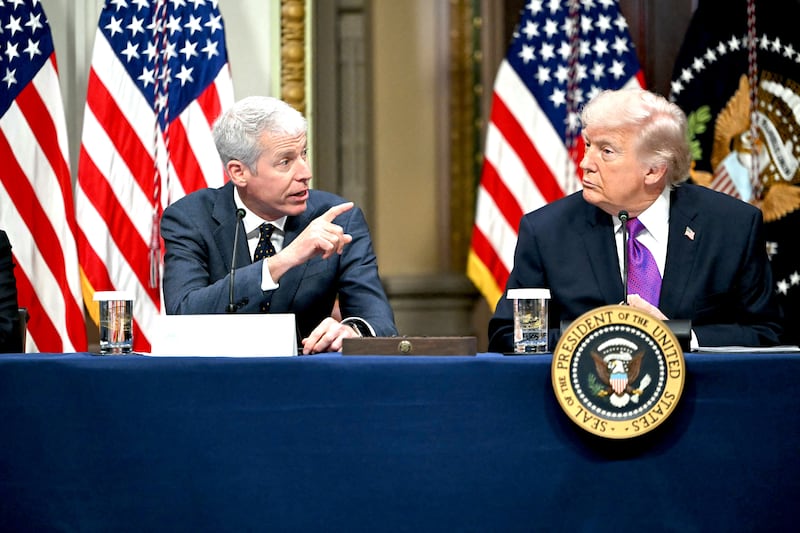
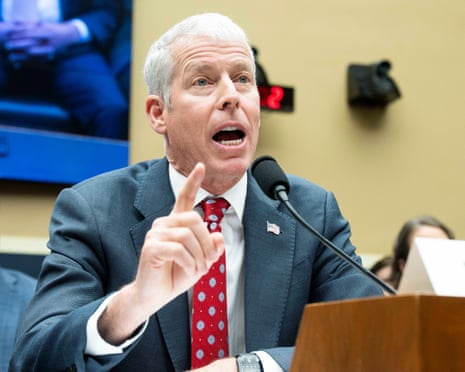
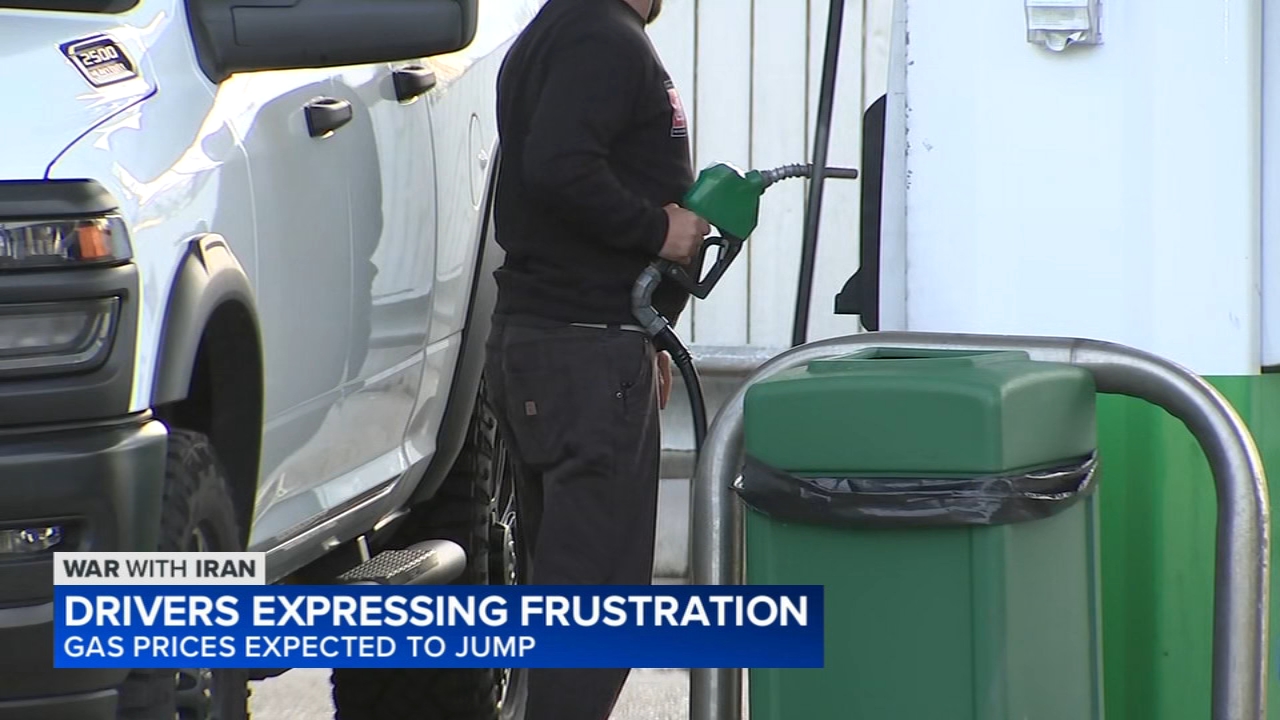
The Trump administration's contradictory messaging on gas prices—ranging from Energy Secretary Chris Wright's initial prediction of sub-$3 gasoline "within weeks" (March 8) to his later adjustment to summer 2027—has created severe operational uncertainty for e-commerce sellers dependent on predictable fuel costs. With gas remaining around $4 per gallon seven weeks into the Iran conflict and the Strait of Hormuz closed, the administration's failed forecasting demonstrates how geopolitical disruptions and government communication failures directly impact cross-border fulfillment economics.
For e-commerce sellers, elevated fuel prices translate directly into margin compression across critical logistics operations. Air freight costs—essential for time-sensitive categories like electronics, fashion, and perishables—typically increase 8-12% for every $0.50 rise in fuel surcharges. Sellers shipping 1,000+ units monthly via expedited carriers (FedEx, UPS, DHL) face $200-400 monthly cost increases, while warehouse operations and last-mile delivery expenses compound the impact. Small and medium sellers (SMBs) with thin margins of 10-15% are particularly vulnerable, as they cannot absorb fuel surcharges without raising prices and losing Buy Box eligibility on Amazon or competitive positioning on eBay and Shopify.
The lack of clear government guidance on price trajectories makes inventory planning and cost forecasting extremely difficult. Sellers cannot confidently lock in shipping rates or plan inventory levels when fuel costs remain unpredictable. This uncertainty particularly affects cross-border sellers shipping from Asia (China, Vietnam, India) to North America and Europe, where air freight represents 15-25% of landed costs for lightweight, high-value categories. Sellers relying on 3PL providers and fulfillment networks must now negotiate longer-term contracts with fuel escalation clauses, increasing upfront costs by 5-8%. The messaging failure also undermines confidence in government energy policy, making sellers hesitant to invest in inventory expansion or new market entry.
Strategic implications favor sellers with diversified logistics networks and hedging capabilities. Large sellers with established relationships across multiple 3PL providers can negotiate volume discounts and lock in rates before further price increases. Sellers should immediately shift 20-30% of inventory from air freight to ocean freight where possible, accepting 2-4 week delivery delays for non-urgent categories. Consider regional fulfillment hubs in Mexico and Canada to reduce cross-border fuel surcharges. Monitor Strait of Hormuz geopolitical developments closely—any escalation could push gas to $4.50-5.00, triggering additional 10-15% logistics cost increases.
Questions 8
How much will fuel price volatility increase my FBA shipping costs in 2025?
Fuel surcharges typically add 8-12% to air freight costs for every $0.50 increase in gas prices. With gas hovering around $4 per gallon (versus the predicted $3), sellers shipping 1,000+ units monthly via expedited carriers face $200-400 additional monthly costs. Amazon FBA fees themselves remain fixed, but your inbound shipping costs to fulfillment centers will rise significantly. Sellers should immediately review their 3PL contracts for fuel escalation clauses and consider shifting 20-30% of inventory to ocean freight for non-urgent categories to reduce costs by 40-50%.
Should I lock in shipping rates now or wait for gas prices to stabilize?
Lock in rates immediately. The Trump administration's failed forecasting—Energy Secretary Wright initially predicted sub-$3 gas within weeks, then adjusted to summer 2027—demonstrates that government guidance is unreliable. With the Strait of Hormuz closed and gas remaining around $4 per gallon seven weeks into the conflict, prices are more likely to rise than fall. Negotiate 6-12 month contracts with your 3PL providers and FedEx/UPS accounts now, accepting modest rate increases to eliminate future uncertainty. Sellers who wait risk facing 10-15% additional increases if geopolitical tensions escalate further.