

Autonomous Maritime Technology Boom Reshapes Global Logistics & Defense Supply Chains | Seller Opportunities in Emerging Tech Sectors
- $50M+ defense investments signal 3-5 year surge in autonomous vessel demand, creating B2B supplier opportunities for electronics, materials, and specialized components across cross-border logistics networks





Overview
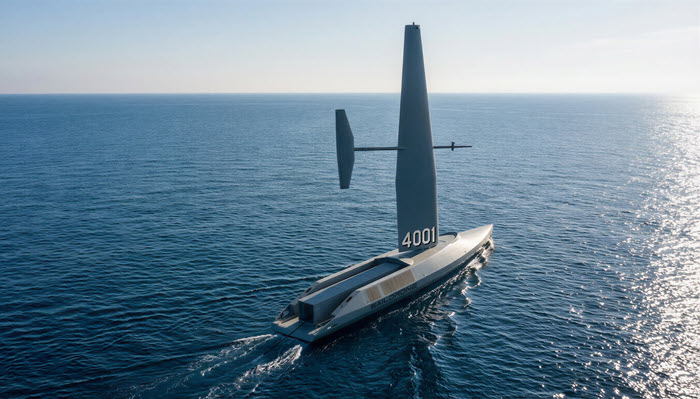
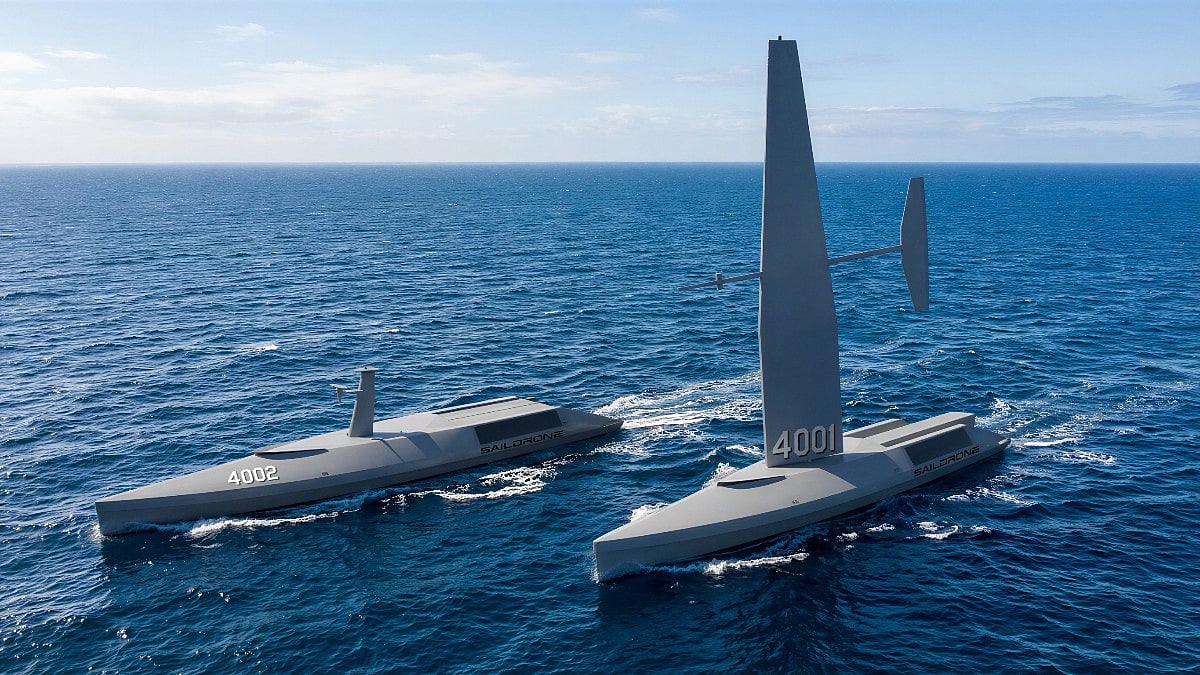
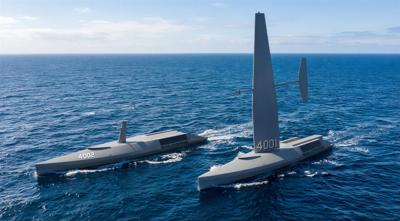
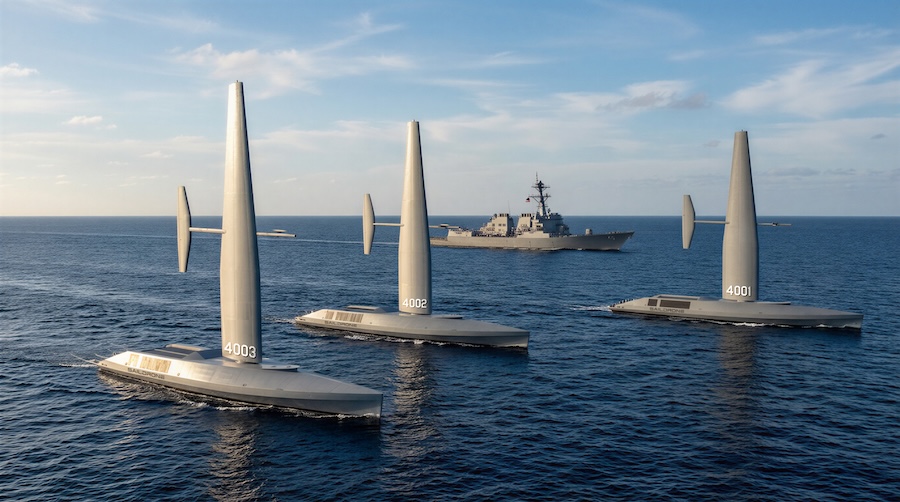
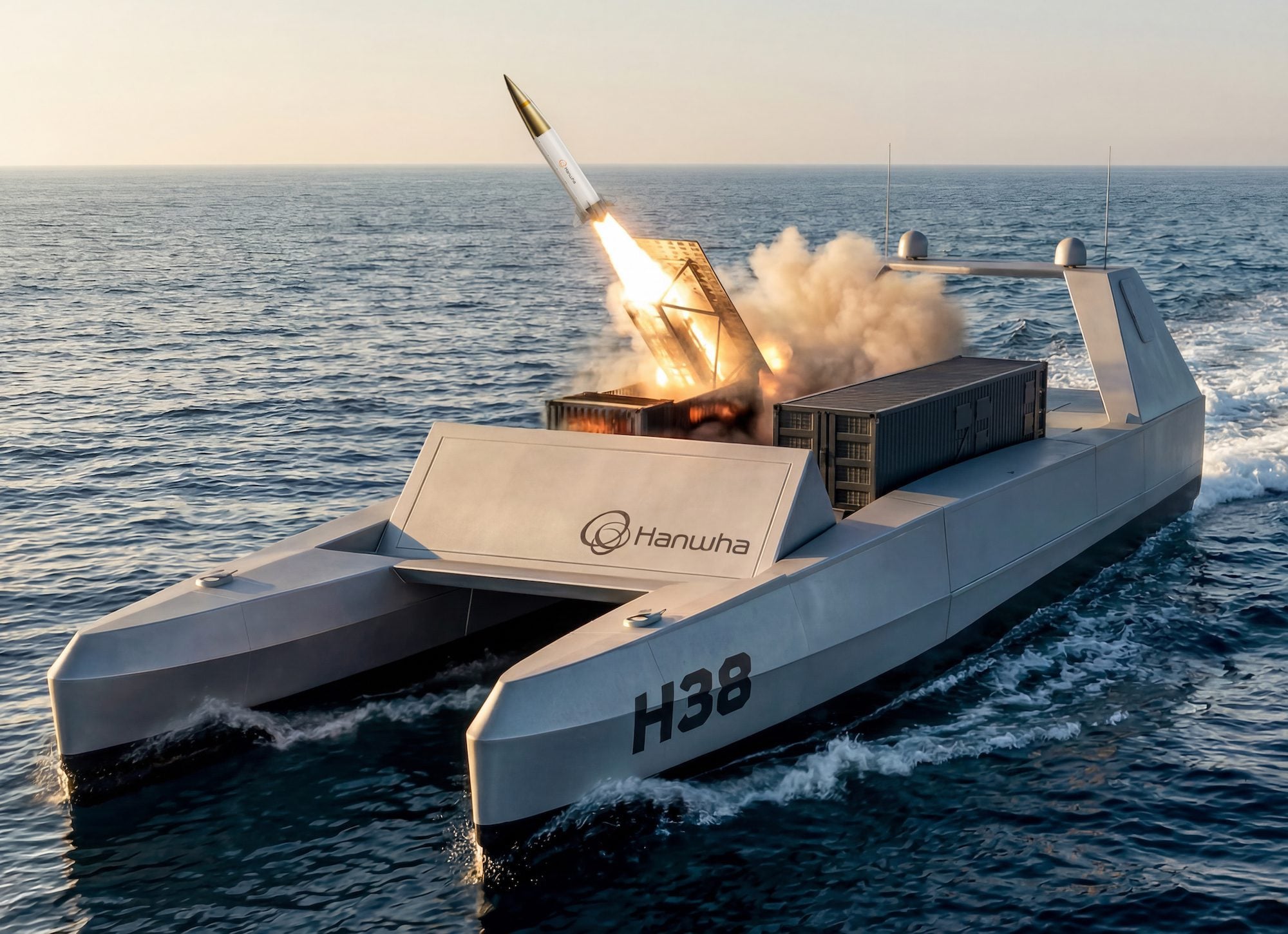
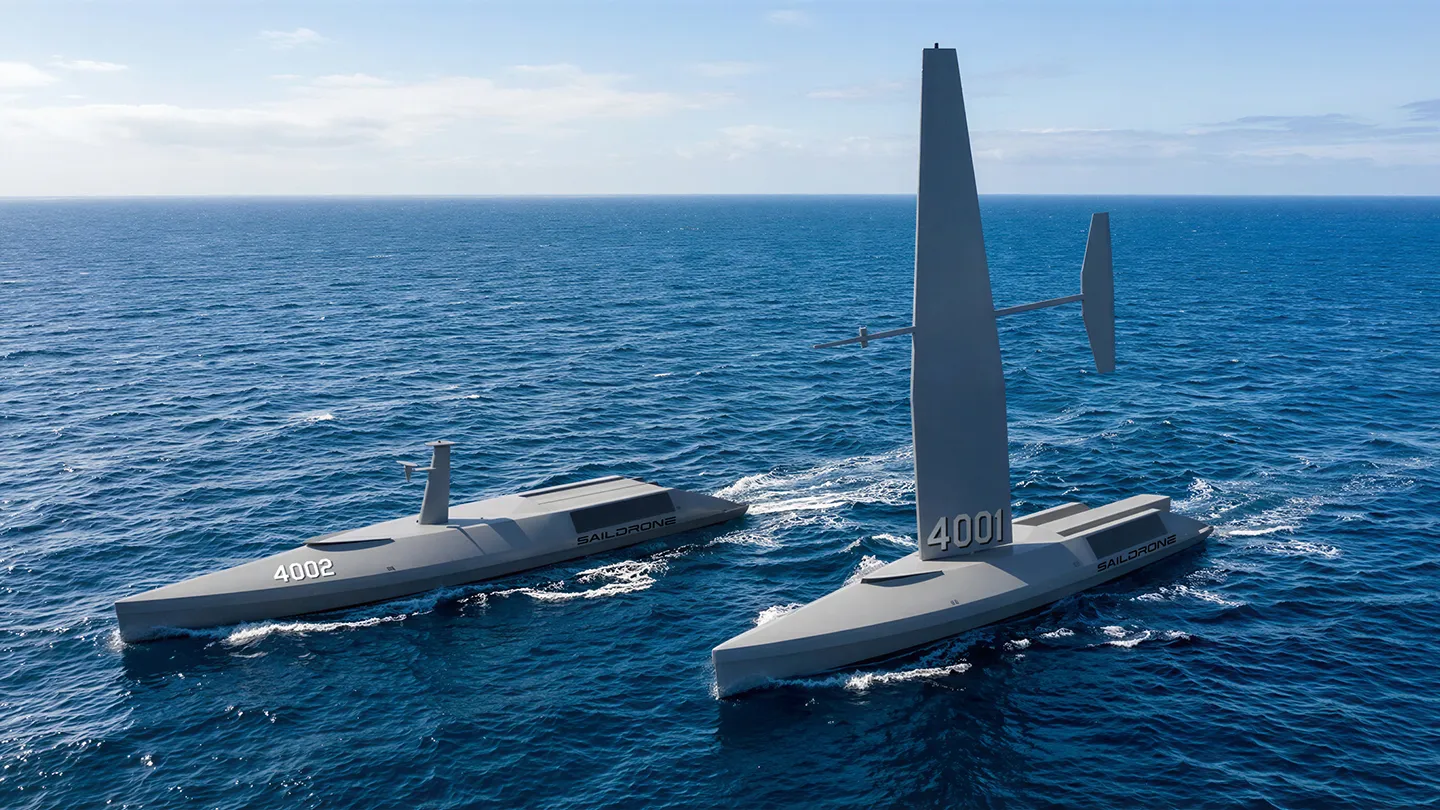
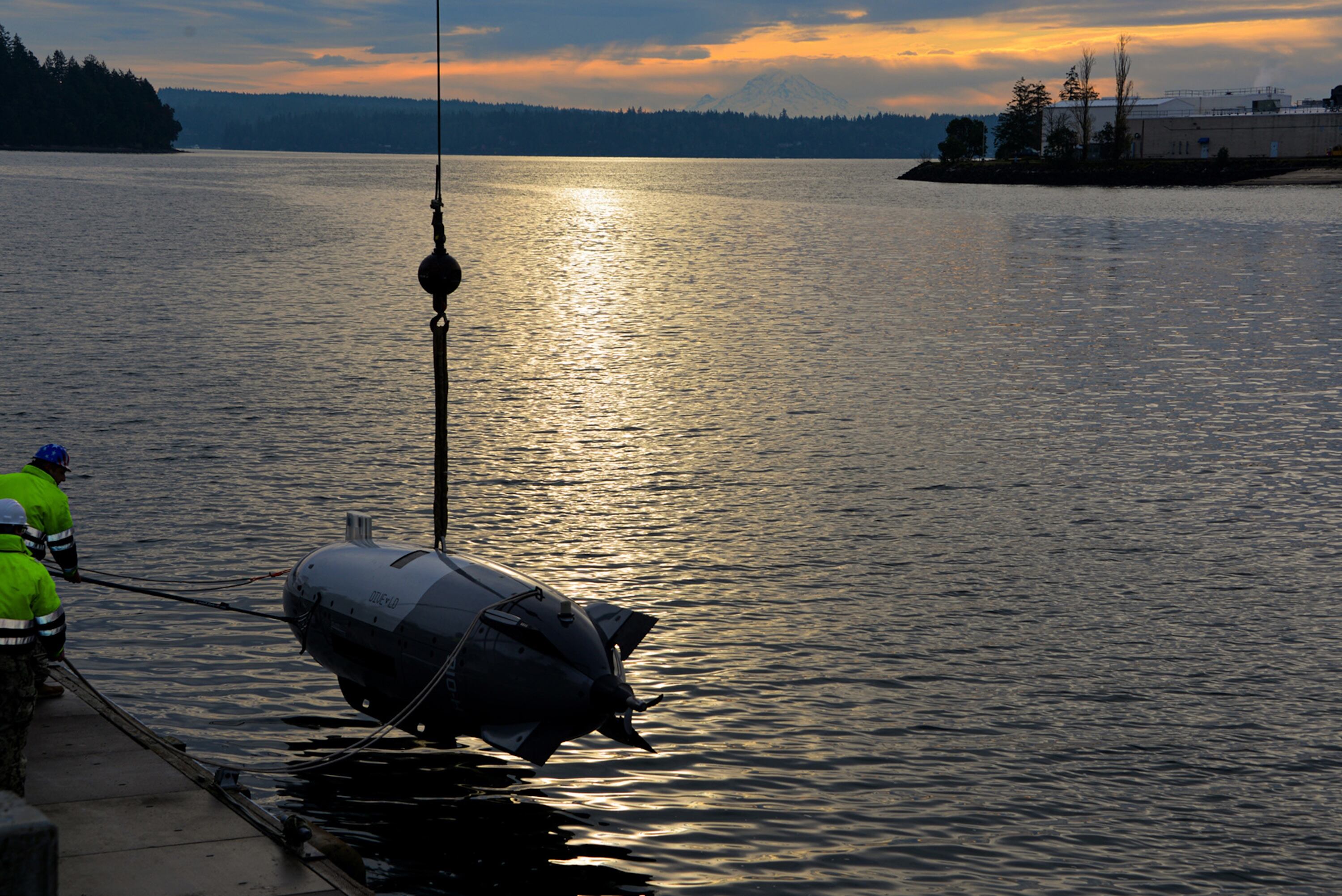
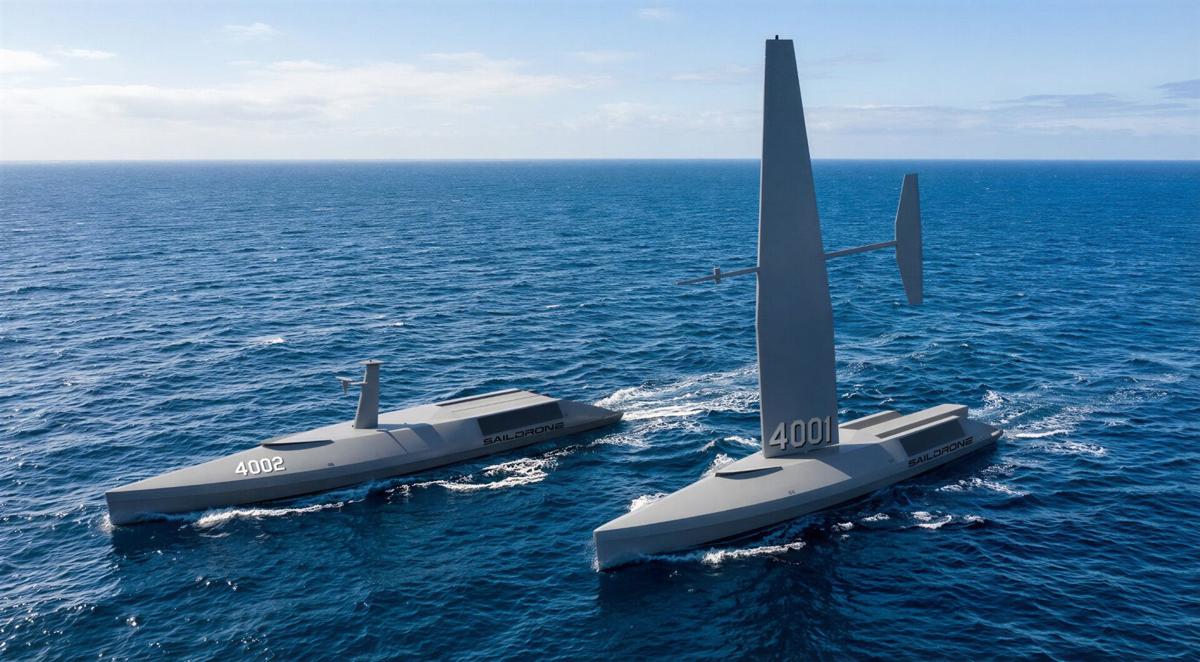
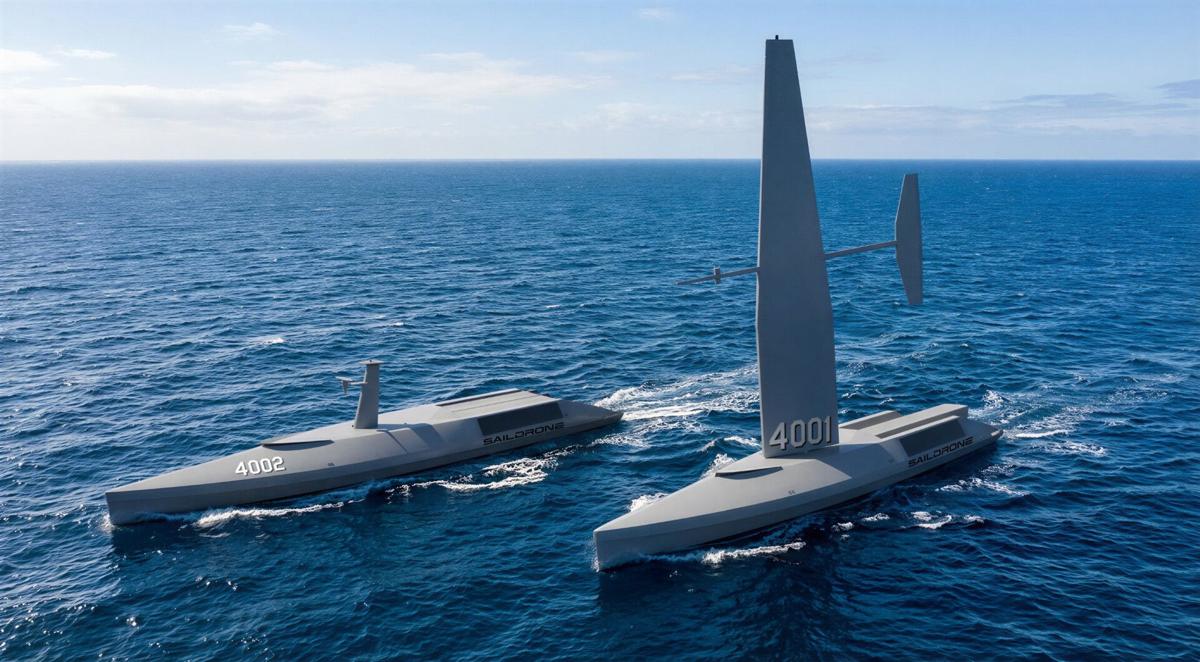
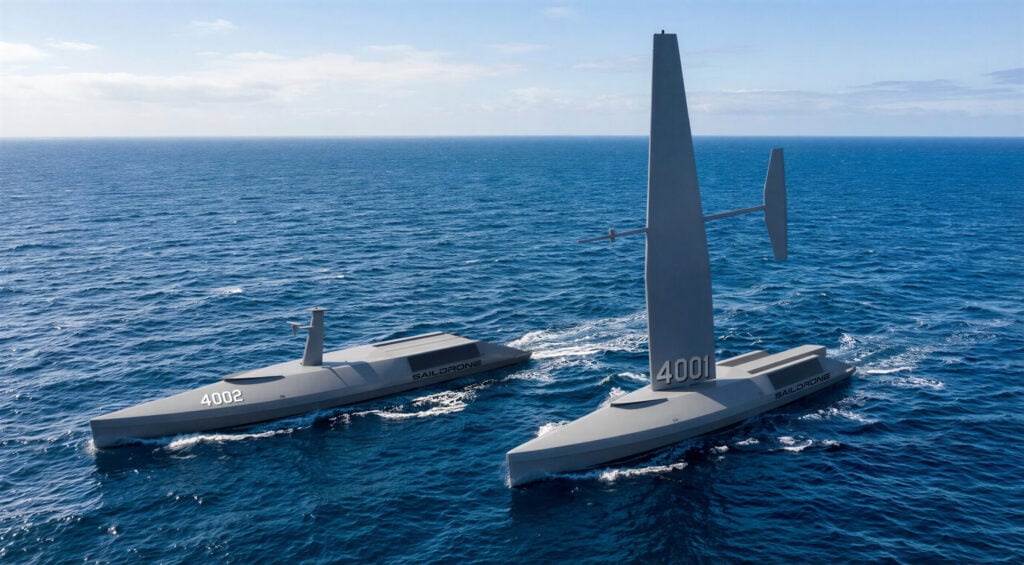
The convergence of Saildrone's Spectre platform development, Fincantieri's Wisconsin manufacturing contract, and Anduril-HD Hyundai's autonomous vessel production represents a transformative shift in maritime technology with significant cross-border e-commerce implications. These announcements, centered around the Sea-Air-Space Exposition in Maryland and U.S. Navy's new MUSV (Medium Unmanned Surface Vessel) marketplace, signal a $50M+ investment wave in autonomous maritime systems that will reshape global logistics infrastructure over the next 3-5 years.
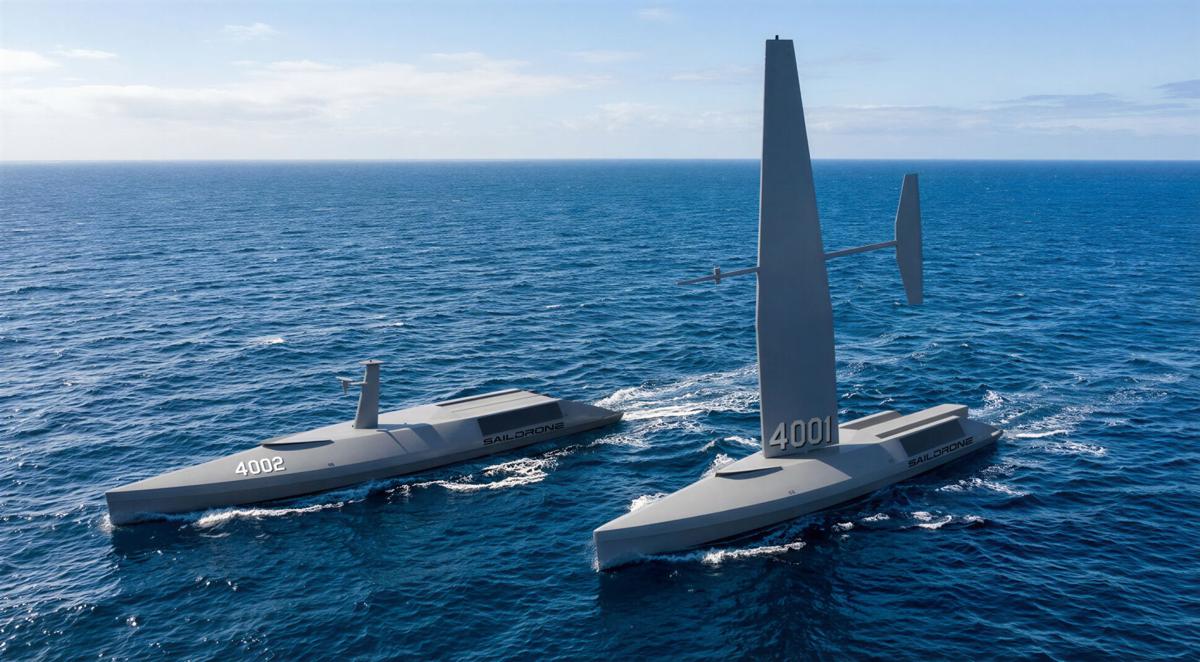
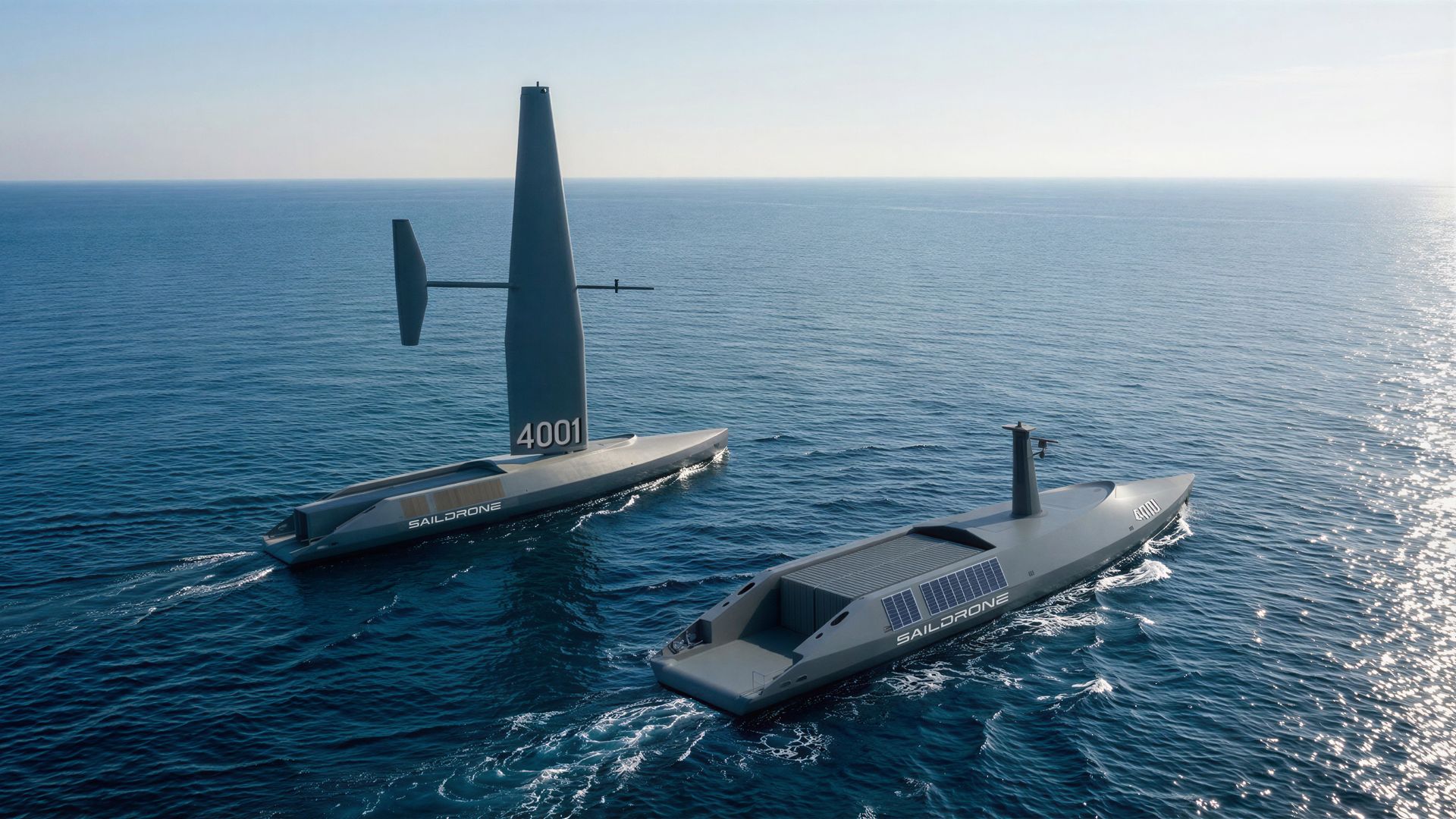
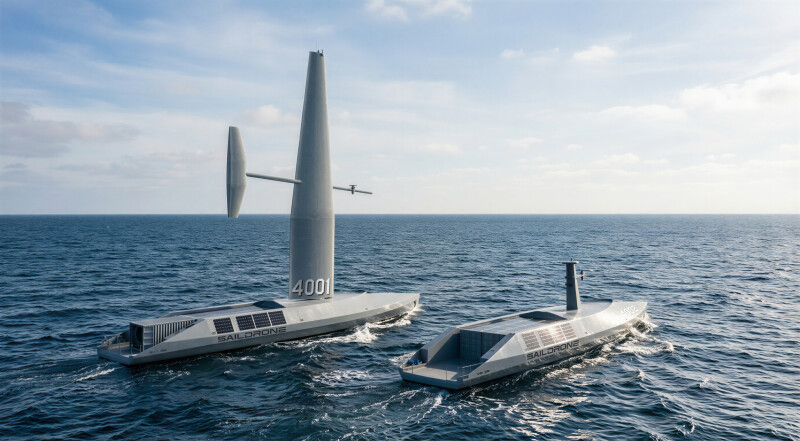
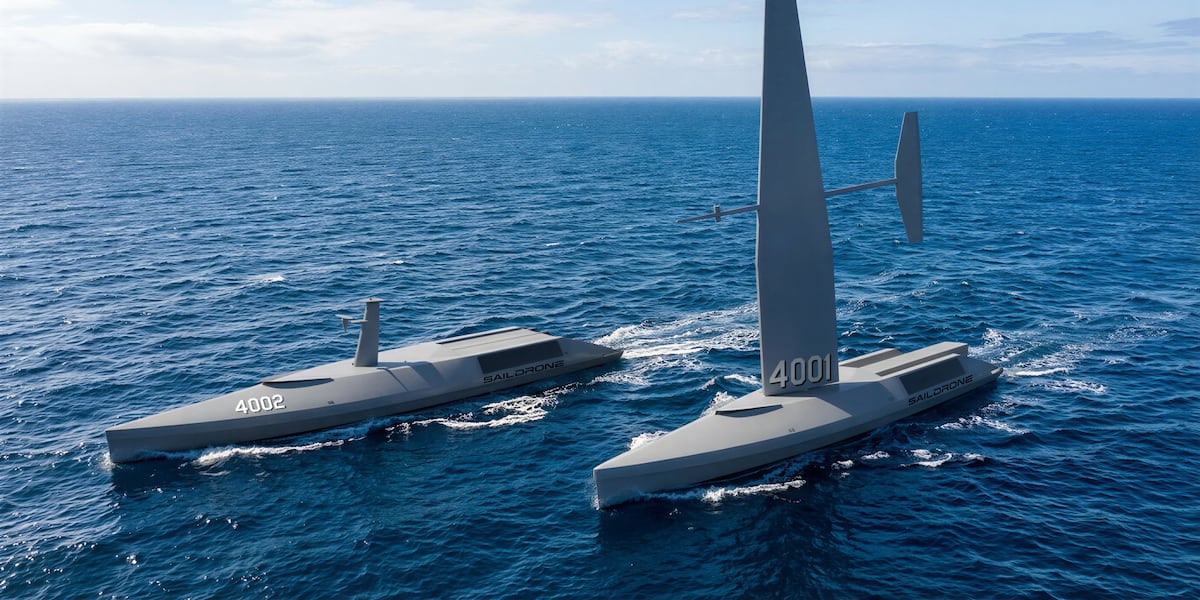
Supply Chain & Logistics Implications for E-Commerce Sellers: The Saildrone Spectre platform—a 170-foot, 250-ton vessel capable of carrying 70 metric tons of containerized payload across 3,280 nautical miles—represents a new category of autonomous cargo transport. With Fincantieri's Wisconsin shipyard producing 5 vessels annually and Saildrone exploring European construction, sellers should monitor emerging autonomous logistics providers. The modular container design (accommodating 20-foot and 40-foot containers) mirrors existing e-commerce fulfillment standards, suggesting these vessels will eventually integrate into cross-border supply chains. Early adopters in high-volume, time-insensitive categories (bulk commodities, raw materials, industrial components) could access 15-25% lower per-unit shipping costs by 2027-2028 when sea trials conclude and commercial operations begin.
B2B Supplier Opportunities: The $40M per-vessel price point and $50M Lockheed Martin investment indicate robust defense procurement budgets flowing to autonomous systems. E-commerce sellers specializing in electronics, aluminum components, advanced materials, and sensor systems should consider B2B pivots toward defense contractors and maritime manufacturers. Fincantieri's aluminum vessel construction, Thales sonar integration, and Lockheed Martin payload compatibility create demand for specialized suppliers. Sellers with expertise in maritime-grade electronics, corrosion-resistant materials, or modular payload systems can target government procurement channels (SAM.gov, GSA schedules) where defense modernization budgets are expanding under the Trump administration's "Golden Fleet" initiative.
Regional Manufacturing Shifts: The Wisconsin-based production announcement and exploration of European construction facilities signal geographic diversification in advanced manufacturing. Sellers sourcing from or shipping to Wisconsin, Florida (American Magic wing construction), and potential European shipyards should anticipate increased logistics demand and potential supply chain bottlenecks during 2026-2027 as production ramps. This creates opportunities for logistics service providers, customs brokers, and specialized freight handlers serving the maritime manufacturing sector.
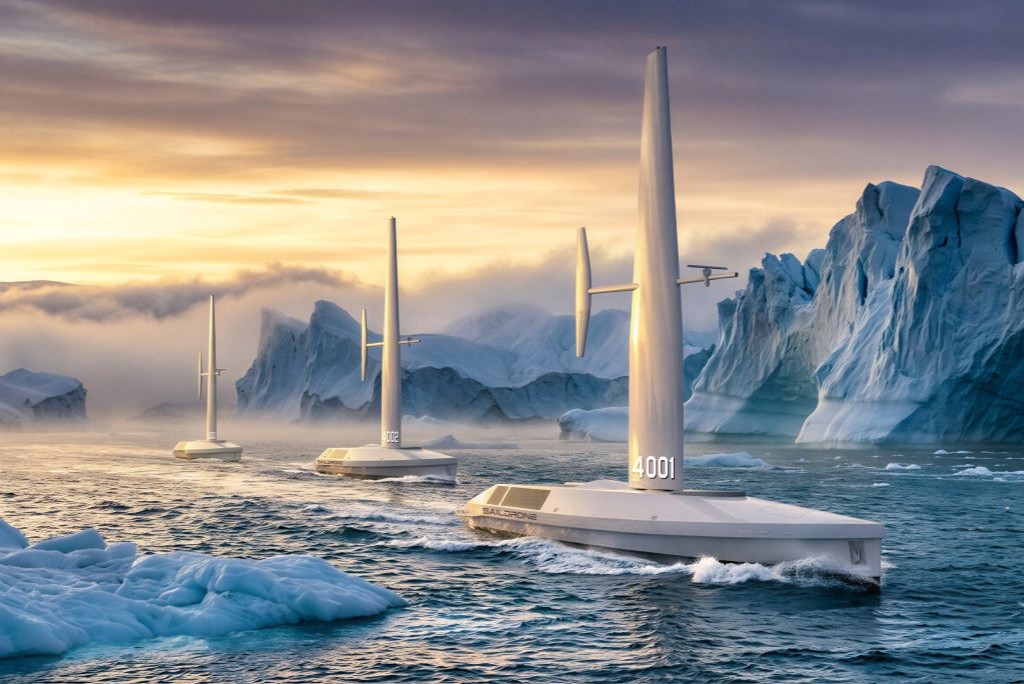
Consumer Product Angle: While primary applications are military/defense, the autonomous vessel technology will eventually commercialize for offshore infrastructure protection, oil/gas facility surveillance, and environmental monitoring. Sellers in marine safety equipment, drone accessories, surveillance systems, and industrial IoT products should position offerings for the emerging autonomous maritime market. The emphasis on "Give the ASW things to the robots" reflects broader automation trends that will drive demand for robotics-adjacent products and autonomous system components across e-commerce platforms.
Questions 8
What B2B supplier opportunities exist for e-commerce sellers in autonomous maritime tech?
The $40M per-vessel cost and $50M Lockheed Martin investment create demand for specialized suppliers in electronics, aluminum components, advanced materials, and sensor systems. Sellers can target government procurement channels (SAM.gov, GSA schedules) where defense modernization budgets are expanding. Fincantieri's Wisconsin production and Thales sonar integration indicate opportunities for maritime-grade electronics suppliers, corrosion-resistant material providers, and modular payload system manufacturers. Defense contractors increasingly source components through e-commerce platforms and B2B marketplaces. Sellers with relevant expertise should consider pivoting toward government procurement channels where contract values range from $50K-$5M+ annually.
Which e-commerce product categories benefit most from autonomous vessel development?
Primary beneficiaries include: (1) Industrial/B2B categories—aluminum components, advanced electronics, sensor systems, maritime-grade materials; (2) Logistics services—customs brokerage, specialized freight handling, supply chain software; (3) Marine safety equipment—autonomous system accessories, surveillance technology, industrial IoT products; (4) Robotics-adjacent products—drone components, autonomous system software, industrial automation tools. Secondary opportunities emerge in consumer products as autonomous vessel technology commercializes for offshore infrastructure protection and environmental monitoring. Sellers should monitor 2026-2027 production ramps at Wisconsin and European facilities for supply chain opportunities.