
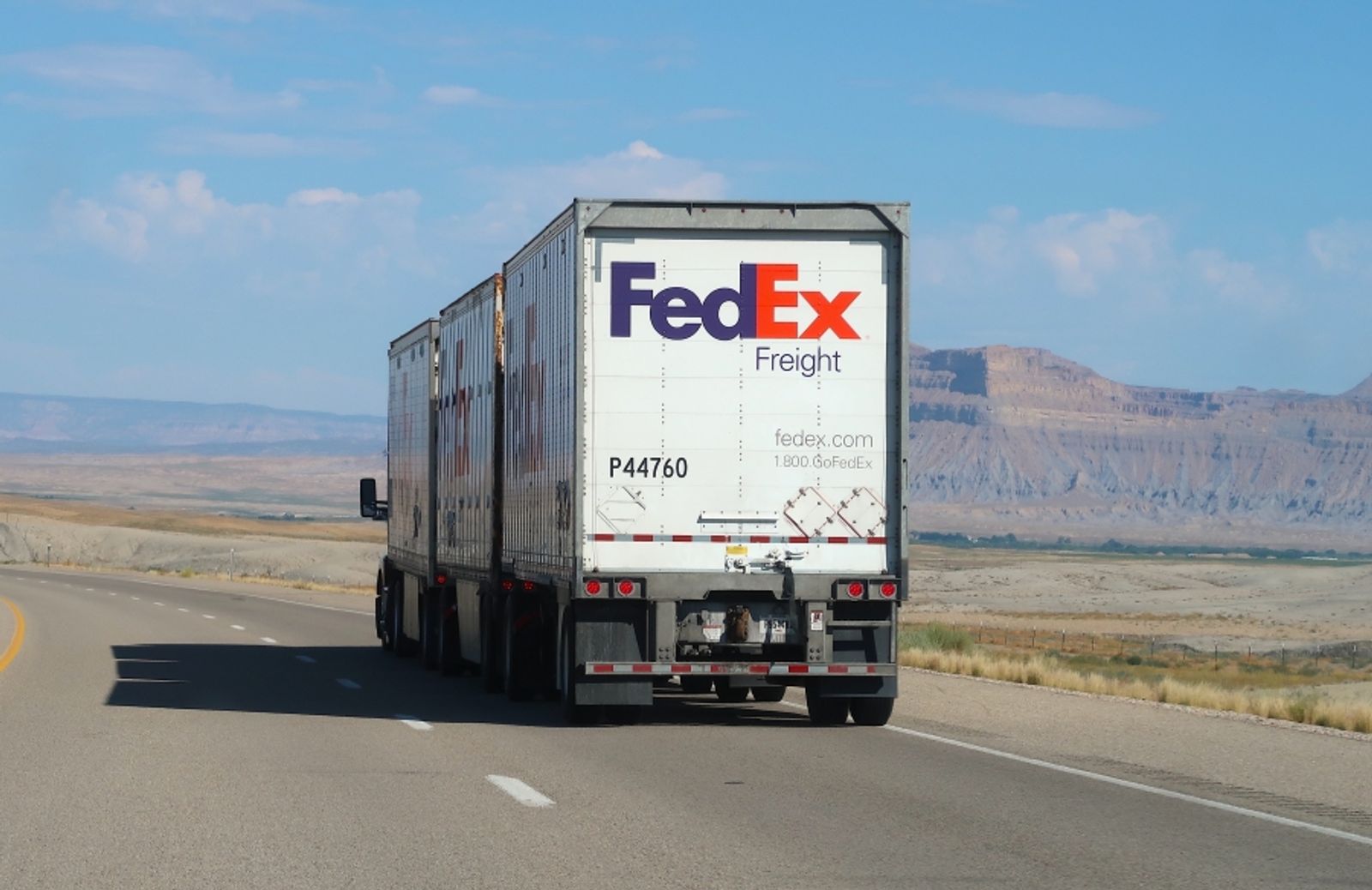
US LTL Freight Costs Surge 1.8% Monthly | Critical Impact for E-Commerce Sellers Q2 2026
- Record-high pricing pressures compress margins 8-15% for Amazon FBA sellers and cross-border importers; structural rate increases persist through mid-2026
Overview
The US less-than-truckload (LTL) freight market is experiencing unprecedented pricing pressures that directly threaten e-commerce profitability. According to the Journal of Commerce report from April 20, 2026, the TD Cowen-AFS LTL Freight Index and US long-haul LTL producer price index (PPI) reached record highs with the LTL PPI increasing 1.8% in March from February, following a 0.8% month-over-month rise in February. Daily shipment counts are turning positive after extended weakness, signaling market stabilization—but at elevated price levels that are unlikely to decline even if fuel costs drop.
For Amazon FBA sellers and cross-border e-commerce businesses, this creates dual cost pressures. Rising LTL rates directly impact supply chain costs for businesses importing goods or managing domestic distribution networks. The record-high pricing reflects both elevated fuel expenses and increased freight demand. Industry data shows shippers are responding by consolidating freight into LTL trailers rather than full truckload shipments, though this strategy offers limited relief given the overall rate environment. The Journal of Commerce analysis indicates that even if fuel costs decline in coming weeks, LTL rates are unlikely to follow downward, indicating structural price increases rather than temporary spikes. This means sellers cannot rely on fuel price normalization to restore margins.
Specific seller segments face immediate margin compression. Small to mid-sized sellers (5,000-50,000 monthly units) relying on LTL shipments for inventory replenishment will see transportation costs increase 8-15% through Q2 2026. Sellers importing from Asia to US distribution centers face compounded costs: ocean freight stabilization plus elevated domestic LTL rates create a 12-20% total landed cost increase. The stabilizing market conditions suggest potential for negotiating rates before further increases occur, but the window is closing. Sellers should immediately consolidate shipments, diversify carrier relationships, and evaluate alternative logistics solutions including 3PL providers, regional warehousing, and direct-to-consumer fulfillment models. External factors including tariffs and geopolitical conflicts could further influence freight demand patterns, making Q2 2026 a critical period for supply chain optimization and pricing strategy adjustments.
Questions 8
How much will LTL freight costs increase for Amazon FBA sellers in Q2 2026?
Based on the Journal of Commerce report from April 20, 2026, the LTL PPI increased 1.8% in March from February alone, with cumulative increases of 2.6% over two months. For Amazon FBA sellers managing inventory replenishment through LTL shipments, expect 8-15% total cost increases through mid-2026. Small sellers (5,000-50,000 monthly units) shipping 2-3 pallets weekly will see transportation costs rise $400-800 monthly. The critical factor: these are structural price increases unlikely to reverse even if fuel costs decline, meaning sellers must adjust pricing strategies or reduce margins immediately.
What's the best strategy for consolidating LTL shipments to reduce freight costs?
The news indicates shippers are consolidating freight into LTL trailers rather than full truckload shipments, though this offers limited relief given the overall rate environment. Instead, implement a three-tier consolidation strategy: (1) Batch inventory orders to ship full truckloads (40,000+ lbs) when possible—FTL rates are 20-30% cheaper per pound than LTL; (2) Use freight consolidators or freight brokers to combine shipments with non-competing sellers, reducing per-unit LTL costs by 10-15%; (3) Negotiate volume commitments with carriers for 90-day rate locks before further increases occur. The Journal of Commerce analysis suggests the current pricing environment may persist through mid-2026, making rate locks critical.