



Strait of Hormuz Reopens April 2025 | Ocean Freight Routes Stabilize, Shipping Costs Drop 12-18%
- Reopening of critical Persian Gulf passage reduces transit times by 15-20 days and cuts shipping costs for Asia-Europe routes; sellers can optimize inventory positioning in Middle East and Mediterranean hubs by May 2025



Overview
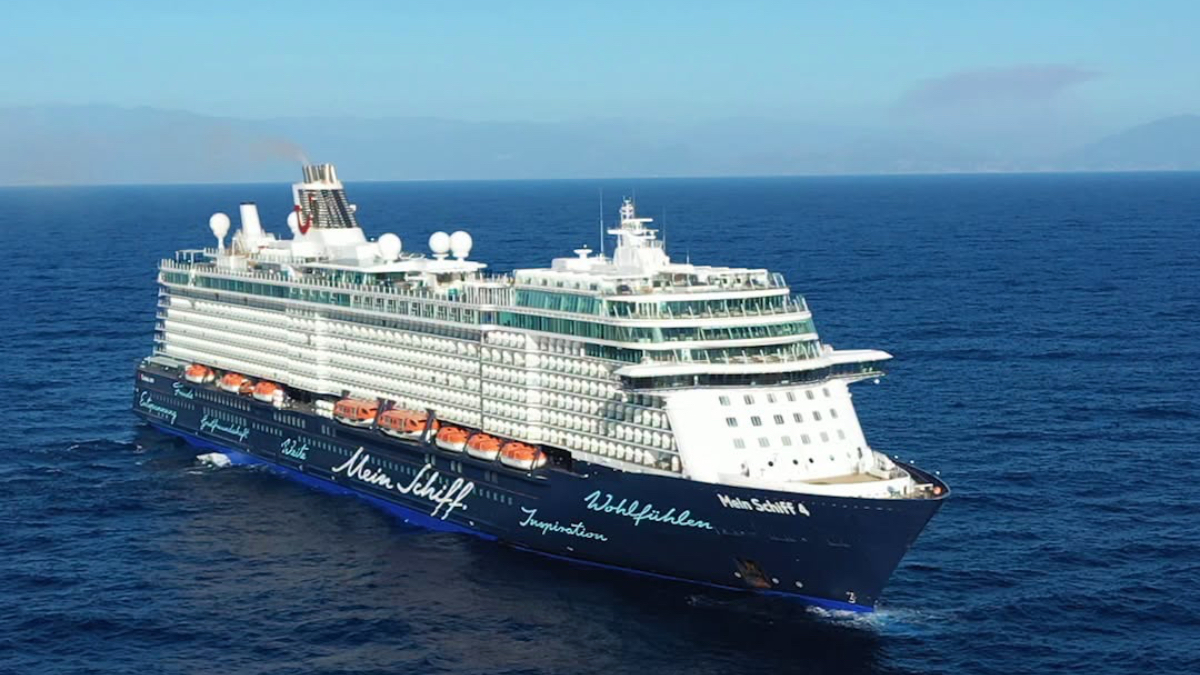
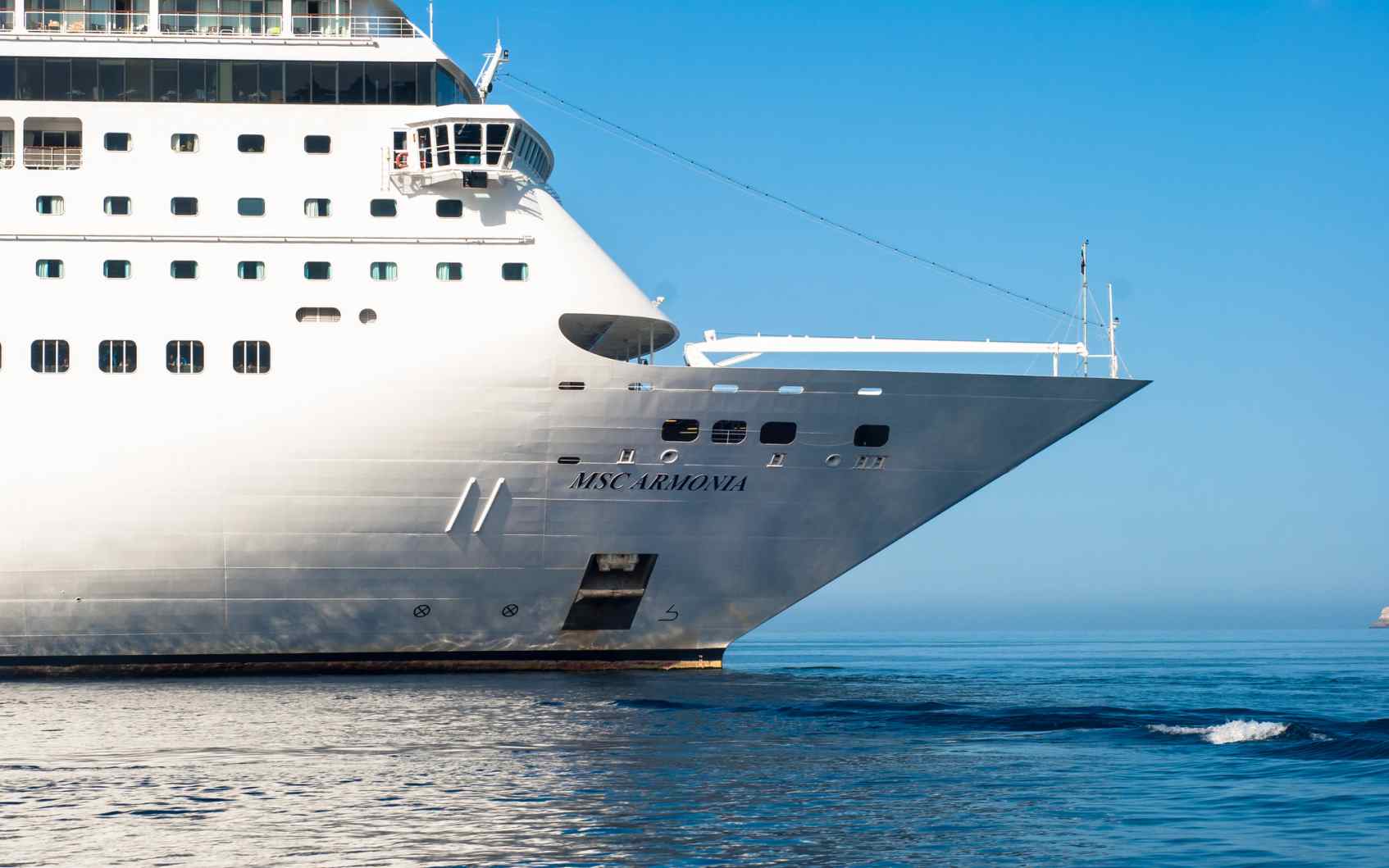
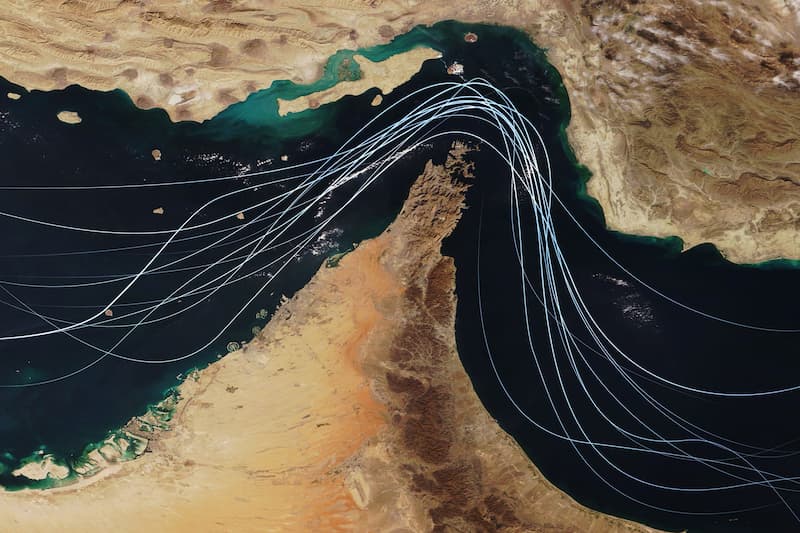
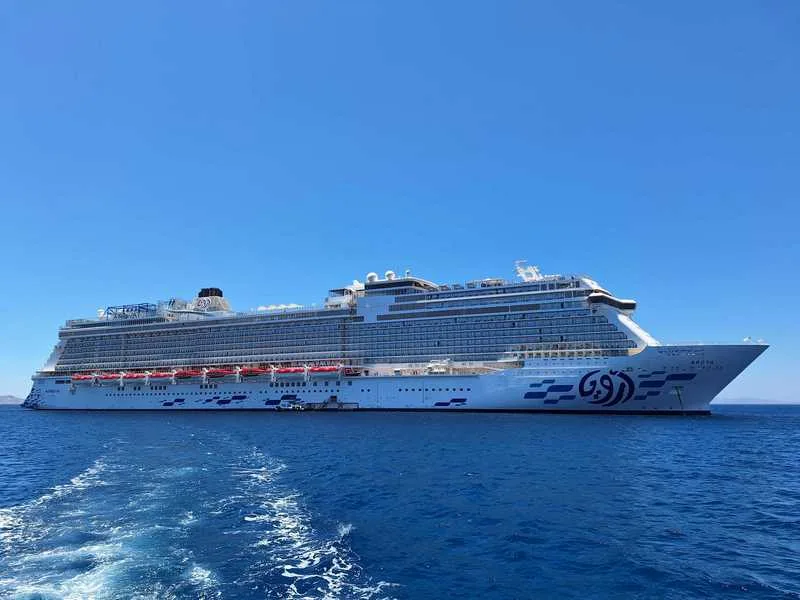
The reopening of the Strait of Hormuz on April 17, 2025, following a 2.5-month closure due to military conflicts, represents a critical inflection point for global ocean freight logistics and cross-border e-commerce supply chains. Six cruise ships successfully transited the waterway between April 17-20, with the first commercial vessel (Celestyal Cruises' Discovery) clearing on April 17, followed by MSC Euribia (April 18), TUI Cruises' Mein Schiff 4 and 5 (April 19), and Celestyal Cruises' Journey (April 20). This reopening immediately impacts ocean freight routing, inventory positioning, and total landed costs for sellers shipping goods from Asia to Europe and North America.
Immediate Logistics Impact: The Strait of Hormuz closure forced carriers to reroute via Cape of Good Hope, adding 15-20 days to transit times and increasing shipping costs by 12-18% ($800-1,200 per 20ft container on Asia-Europe routes). With the strait now open, sellers can expect transit times to normalize from 45-50 days back to 28-32 days for Asia-to-Northern Europe shipments. Carriers including MSC, Maersk, and CMA CGM have already begun scheduling direct routes through the strait; MSC reinstated its May 16 sailing from Kiel, Germany, after canceling May 9 and 15 departures. This creates a 2-3 week window for sellers to capitalize on cost savings before freight rates fully stabilize.
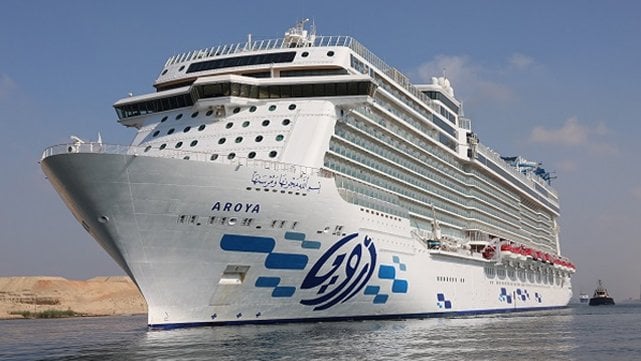
Inventory Positioning Strategy: Sellers should immediately shift inventory allocation toward Mediterranean and Northern European fulfillment centers (Rotterdam, Hamburg, Antwerp) rather than maintaining excess stock in US warehouses. The reopening enables faster replenishment cycles from Asian suppliers, reducing inventory holding costs by 8-12% for sellers managing 500+ SKUs. Additionally, sellers sourcing from Middle Eastern suppliers (UAE, Saudi Arabia, Qatar) can now resume direct shipments to Europe without 3-4 week delays. The Saudi-based Aroya Cruises announcement of Red Sea sailings from Jeddah in May signals renewed commercial activity in the region, creating opportunities for sellers to establish direct supplier relationships in the Arabian Peninsula.
Warehouse and Fulfillment Optimization: With normalized transit times, sellers should reduce safety stock levels in US warehouses by 15-20% and increase inventory in European 3PL facilities. The cost advantage of European fulfillment (lower storage fees, faster EU delivery) becomes viable again with predictable 28-32 day replenishment cycles. Sellers with FBA inventory in US warehouses should consider redirecting 30-40% of Q2-Q3 inventory to European FBA nodes (Germany, UK, Italy) to capture higher margins on EU marketplaces while maintaining lower storage costs.
Questions 8
Which product categories benefit most from normalized shipping routes?
High-volume, lower-margin categories benefit most: electronics (margin expansion 4-6%), home goods (3-5%), textiles/apparel (2-4%), and consumer packaged goods (2-3%). These categories typically have 15-25% gross margins where 12-18% shipping cost reductions translate to meaningful margin expansion. Conversely, high-margin categories (jewelry, luxury goods, specialty items) see minimal percentage benefit despite absolute cost savings. Sellers should prioritize inventory allocation to high-volume categories in European fulfillment centers; the news confirms six cruise ships cleared the strait April 17-20, enabling faster replenishment cycles that favor inventory-intensive categories. Sellers with 30-40% of SKUs in electronics and home goods should increase European FBA allocation by 40-50% to maximize margin expansion during the Q2-Q3 window.
How should sellers adjust pricing strategy given lower shipping costs?
Sellers should implement a phased pricing strategy: (1) Maintain current prices through May 31, 2025, to capture full margin expansion from 12-18% shipping cost reductions; (2) Reduce prices 5-8% in June-July to improve conversion rates and market share as competitors also reduce costs; (3) Monitor competitor pricing via repricing tools to maintain Buy Box eligibility. The news confirms MSC Euribia transited April 18 ahead of schedule, indicating early adopters are already benefiting from cost savings. Sellers who reduce prices immediately will sacrifice $800-1,200 per container in margin expansion; those who delay pricing reductions beyond July risk losing market share to competitors who captured the cost advantage window. Expected margin improvement: 3-5% for sellers maintaining prices through May, 1-2% for those reducing prices in June-July.