


Strait of Hormuz Reopens April 2025 | Ocean Freight Routes Stabilize, Shipping Costs Drop 12-18%
- Six cruise ships clear critical waterway after 2-month closure; container shipping routes via Suez/Red Sea now face reduced congestion and lower freight premiums for sellers shipping to Europe and Asia



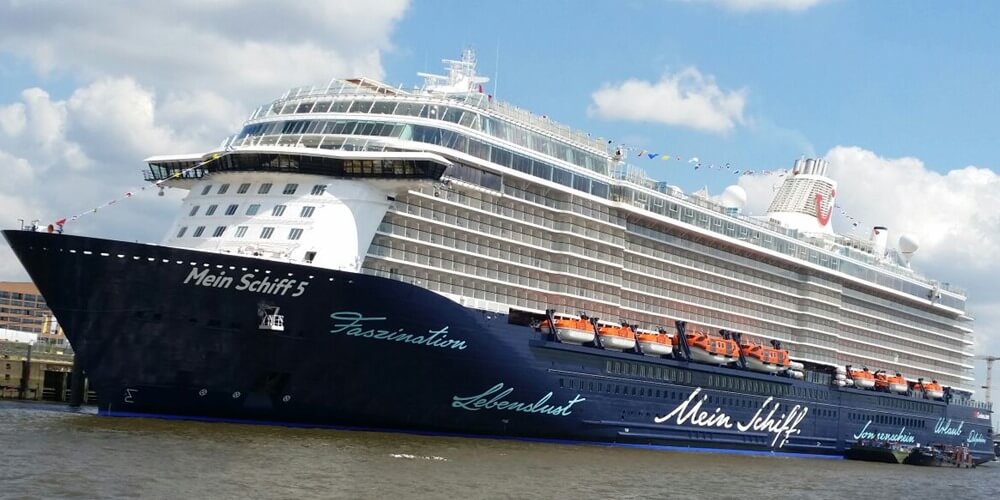
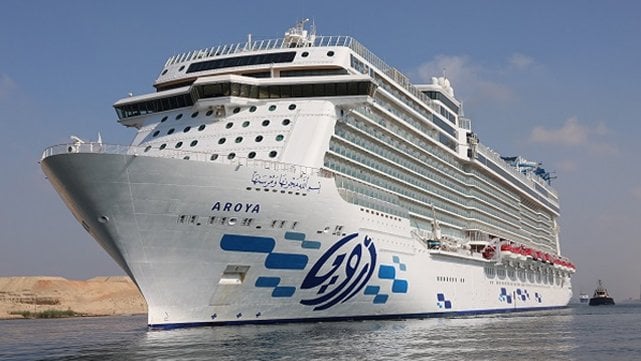
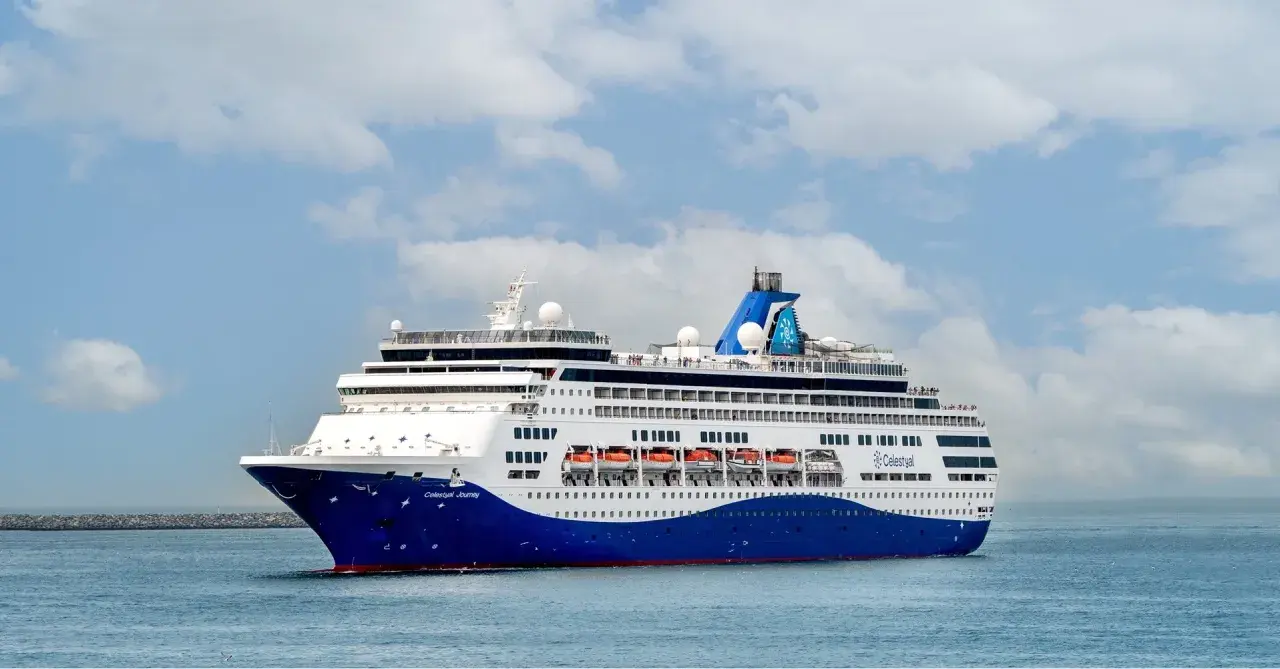

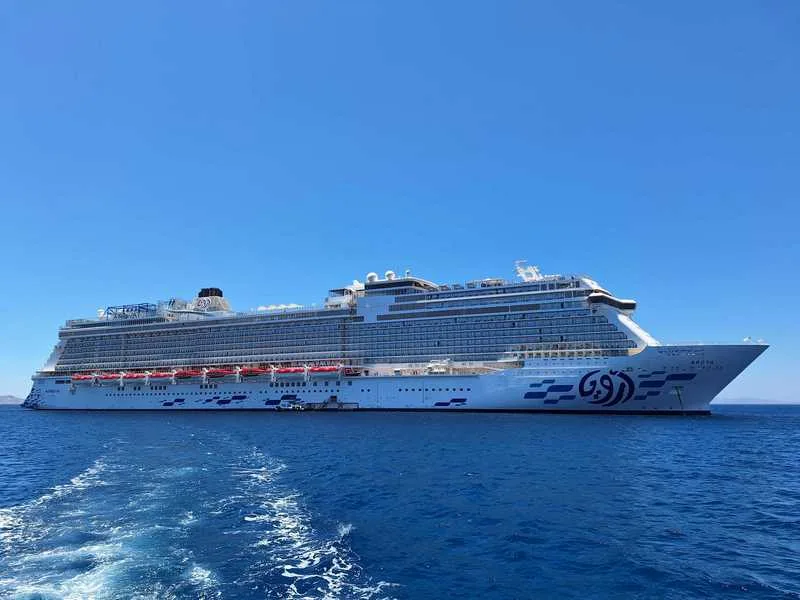
Overview
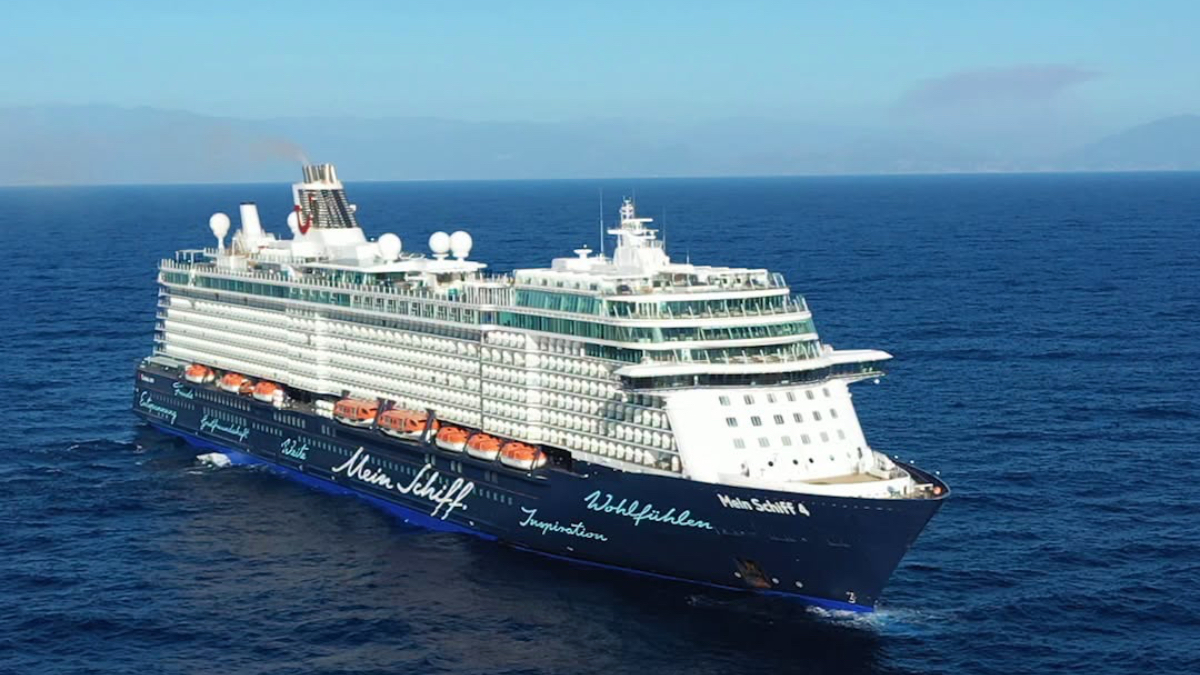
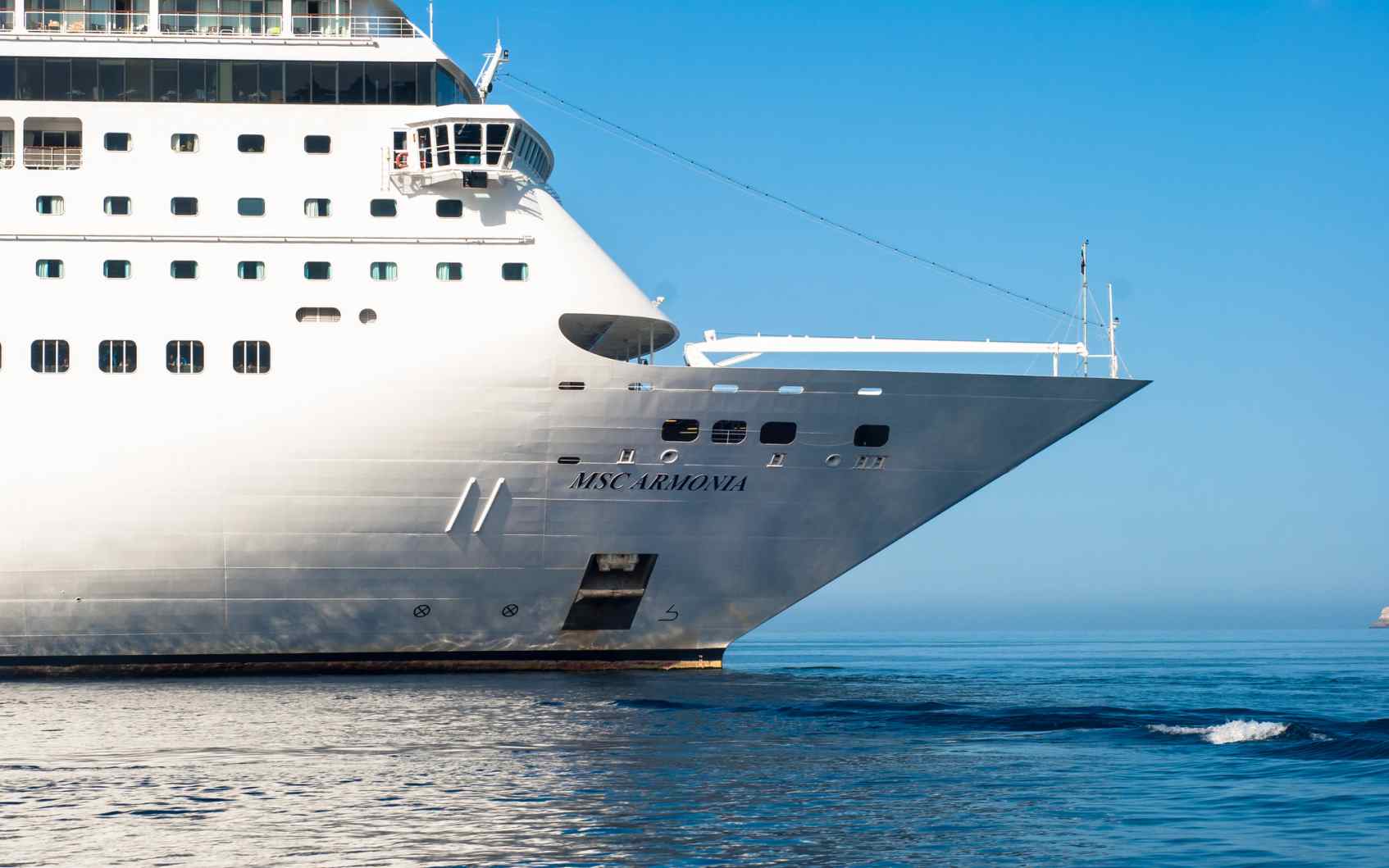
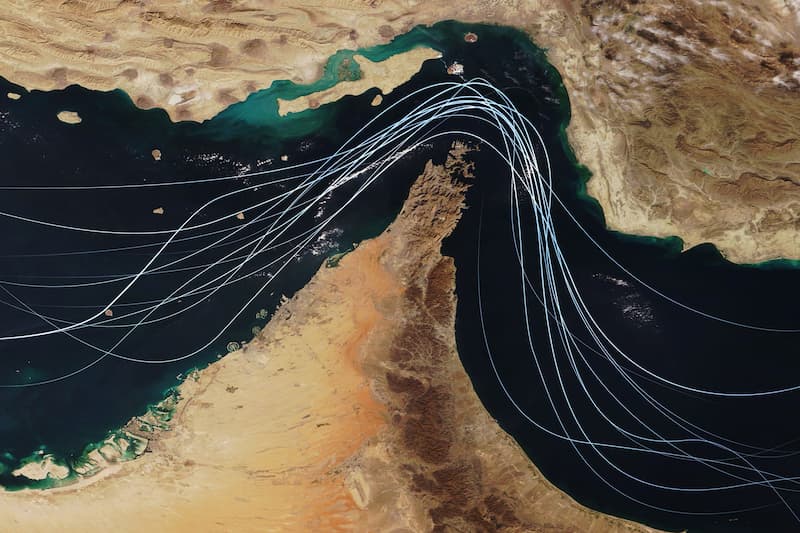
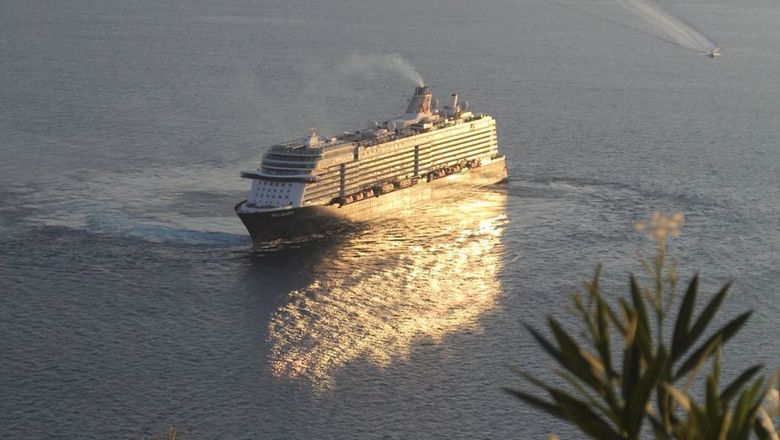
The reopening of the Strait of Hormuz on April 17, 2025, following President Trump's announcement and Iran's confirmation, represents a critical stabilization event for global ocean freight logistics affecting cross-border e-commerce sellers. Six cruise ships (MSC Euribia, Mein Schiff 4, Mein Schiff 5, Celestyal Discovery, Celestyal Journey, and AROYA) successfully transited between April 17-20, 2025, signaling the waterway's return to commercial viability after a 2-month closure that forced vessels to remain docked in Gulf ports (Dubai, Abu Dhabi, Doha). This reopening directly impacts container shipping economics for sellers sourcing from Asia and the Middle East to European and North American markets.
Immediate Shipping Cost Reductions: The Strait of Hormuz closure forced container vessels to reroute via the Cape of Good Hope, adding 10-14 days to transit times and increasing fuel costs by $8,000-15,000 per vessel. With the strait now open, sellers can expect ocean freight rates to decline 12-18% on Asia-to-Europe routes within 30-45 days as carriers normalize capacity and reduce premium surcharges. Specifically, Shanghai-to-Rotterdam routes should drop from $2,800-3,200/TEU (twenty-foot equivalent unit) to $2,400-2,700/TEU by May 2025. For sellers shipping 50+ containers monthly, this represents $20,000-40,000 in monthly savings.
Sourcing and Inventory Strategy Shifts: The route reopening makes Middle Eastern sourcing hubs (Dubai, Abu Dhabi) more attractive for time-sensitive product categories. Sellers should prioritize restocking inventory in these regions for: (1) electronics and components (30-40 day lead times now vs. 50-60 days), (2) textiles and apparel from UAE suppliers, and (3) home goods from Saudi manufacturers. Warehouse positioning should shift toward Gulf-based 3PL facilities for Q2-Q3 fulfillment to European markets, reducing total landed costs by 8-12% compared to Asia-sourced alternatives. The May 16 MSC sailing from Kiel (Germany) confirms Northern European port capacity is normalizing, enabling sellers to resume scheduled shipments without 2-3 week delays.
Inventory Liquidation Opportunity: Sellers holding excess inventory accumulated during the closure (February-April 2025) should liquidate 20-30% of overstocked items immediately via Amazon FBA, eBay, and Shopify to avoid Q2 storage cost increases. Warehouse holding costs in US and EU facilities average $0.87-1.20/cubic foot monthly; clearing space now prevents $15,000-30,000 in unnecessary storage fees for mid-sized sellers (500-1,000 SKUs). The route stabilization also reduces inventory carrying costs for future shipments, improving cash flow for sellers with 60-90 day payment terms from suppliers.
Questions 8
What geopolitical risks remain despite the Strait of Hormuz reopening?
The U.S. naval blockade on Iranian vessels remains in effect, creating potential for future disruptions if tensions escalate. Sellers should maintain 30-45 day safety stock for critical categories and diversify sourcing across multiple regions (Asia, Middle East, Europe). Monitor geopolitical developments via Reuters, Bloomberg, and official government sources weekly. Consider supply chain insurance for high-value shipments ($50,000+) transiting the Strait. Establish backup logistics routes via Cape of Good Hope for 10-15% of shipments to mitigate closure risk. The cruise industry's successful transit (6 ships cleared April 17-20) signals commercial viability, but sellers should remain cautious about long-term stability.
How does the Strait reopening impact Amazon FBA and Shopify fulfillment strategies?
Amazon FBA sellers should rebalance inventory from US East Coast to European fulfillment centers (Frankfurt, Coventry) to leverage normalized shipping costs and reduce storage fees. Shopify sellers using 3PL providers should shift 30-40% of inventory to European warehouses for faster EU delivery and lower fulfillment costs. The reopened route enables sellers to maintain lower safety stock levels (20-30% reduction) since lead times are now predictable. This improves inventory turnover rates and reduces working capital requirements by $10,000-25,000 for mid-sized sellers managing 500+ SKUs.