



Angola Faith-Based Market Expansion | 60K Attendees Signal Consumer Engagement Opportunity for Religious & Cultural Products
- Pope's first inland Angola visit reaches 60,000 faithful in Saurimo; reveals emerging market for faith-based merchandise, Ubuntu philosophy products, and peace-themed collectibles in Sub-Saharan Africa








Overview
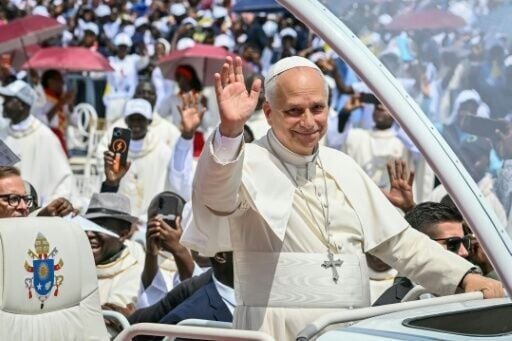
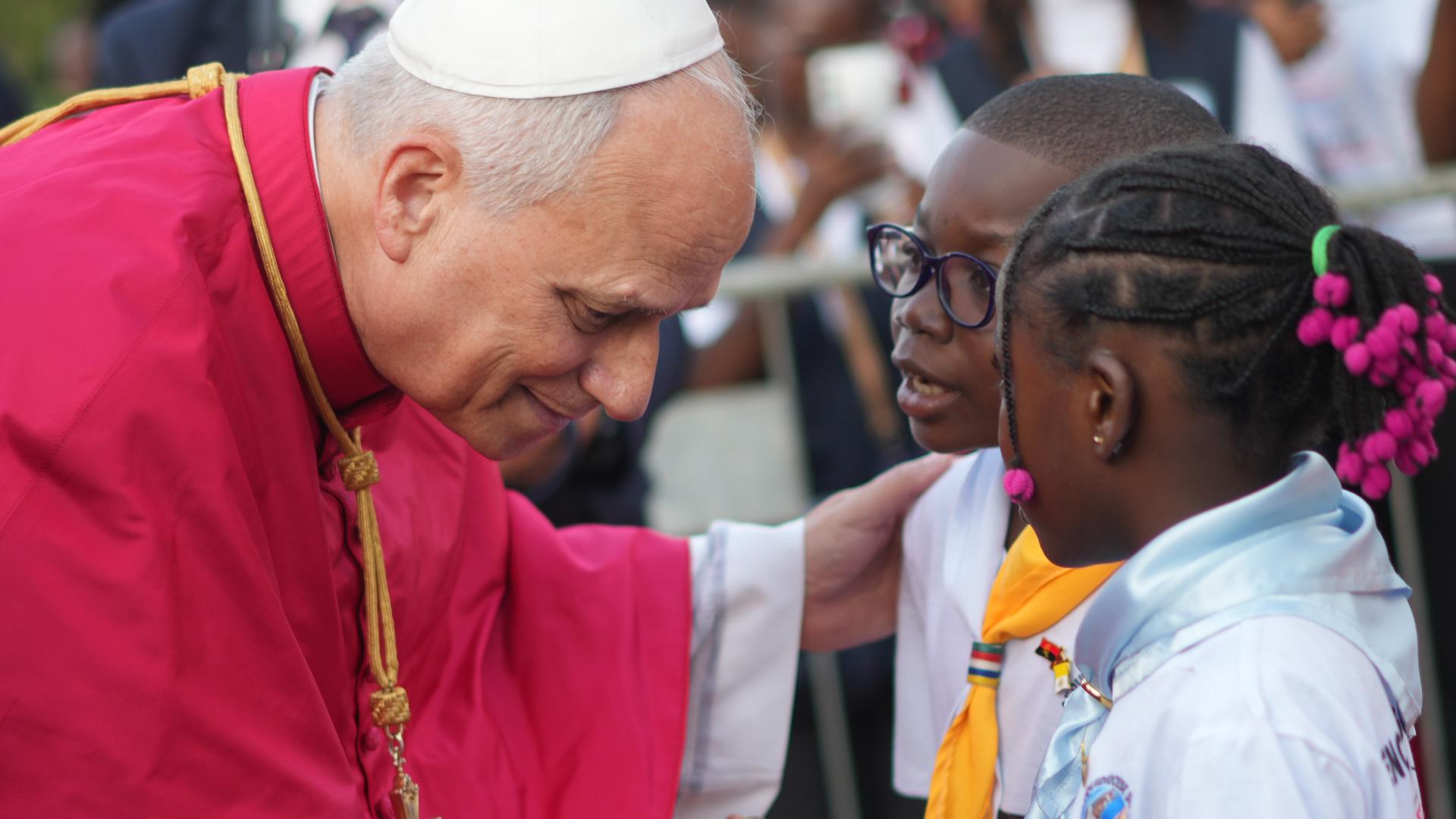
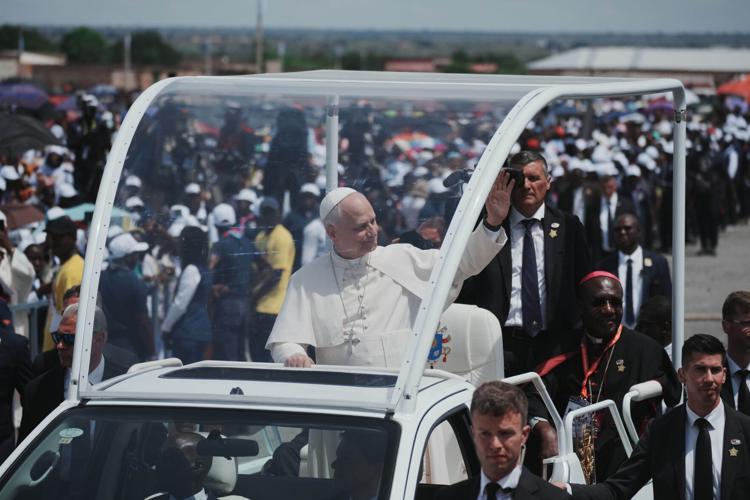
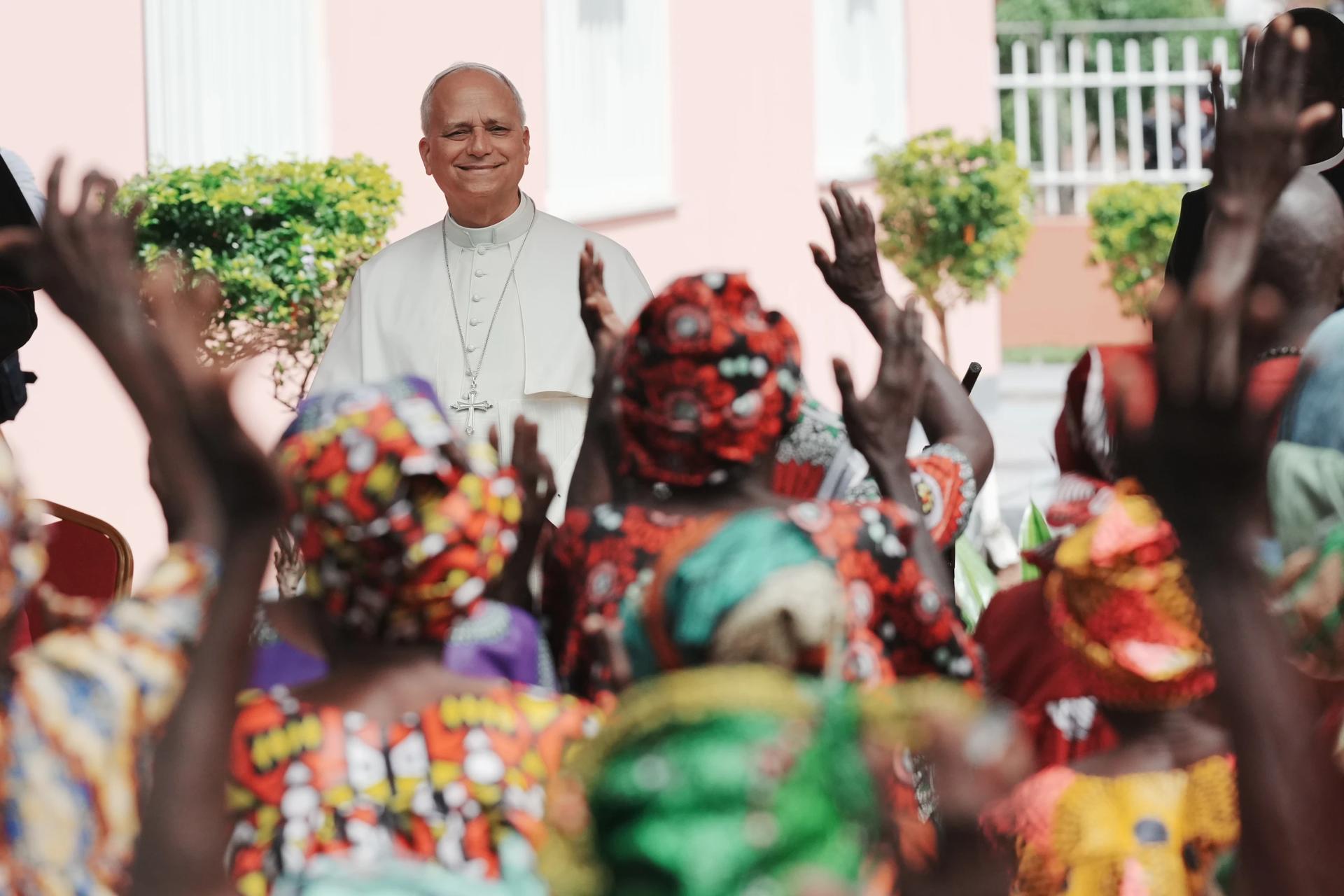
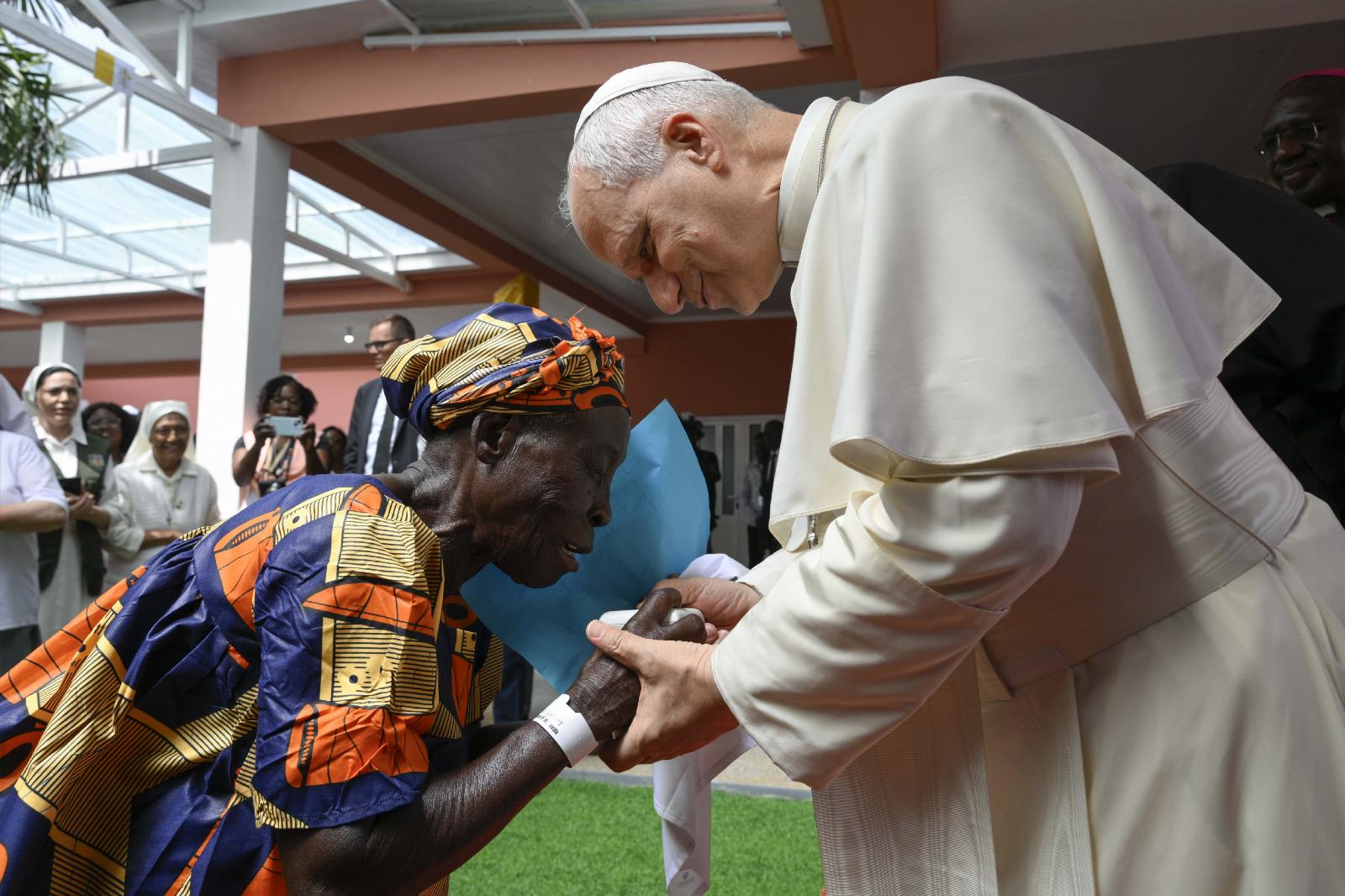
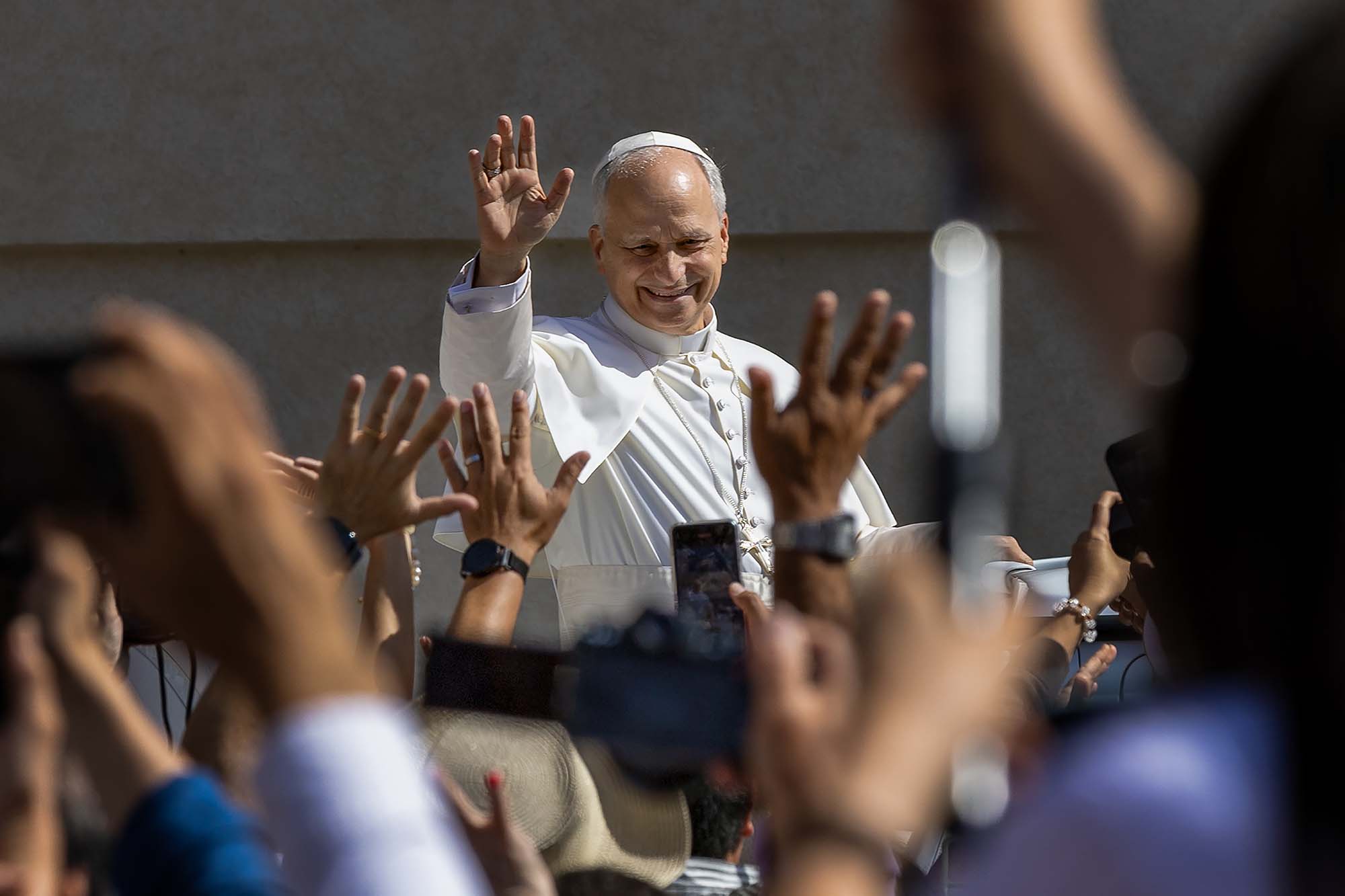
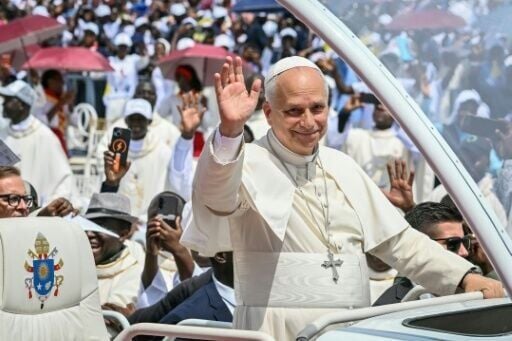
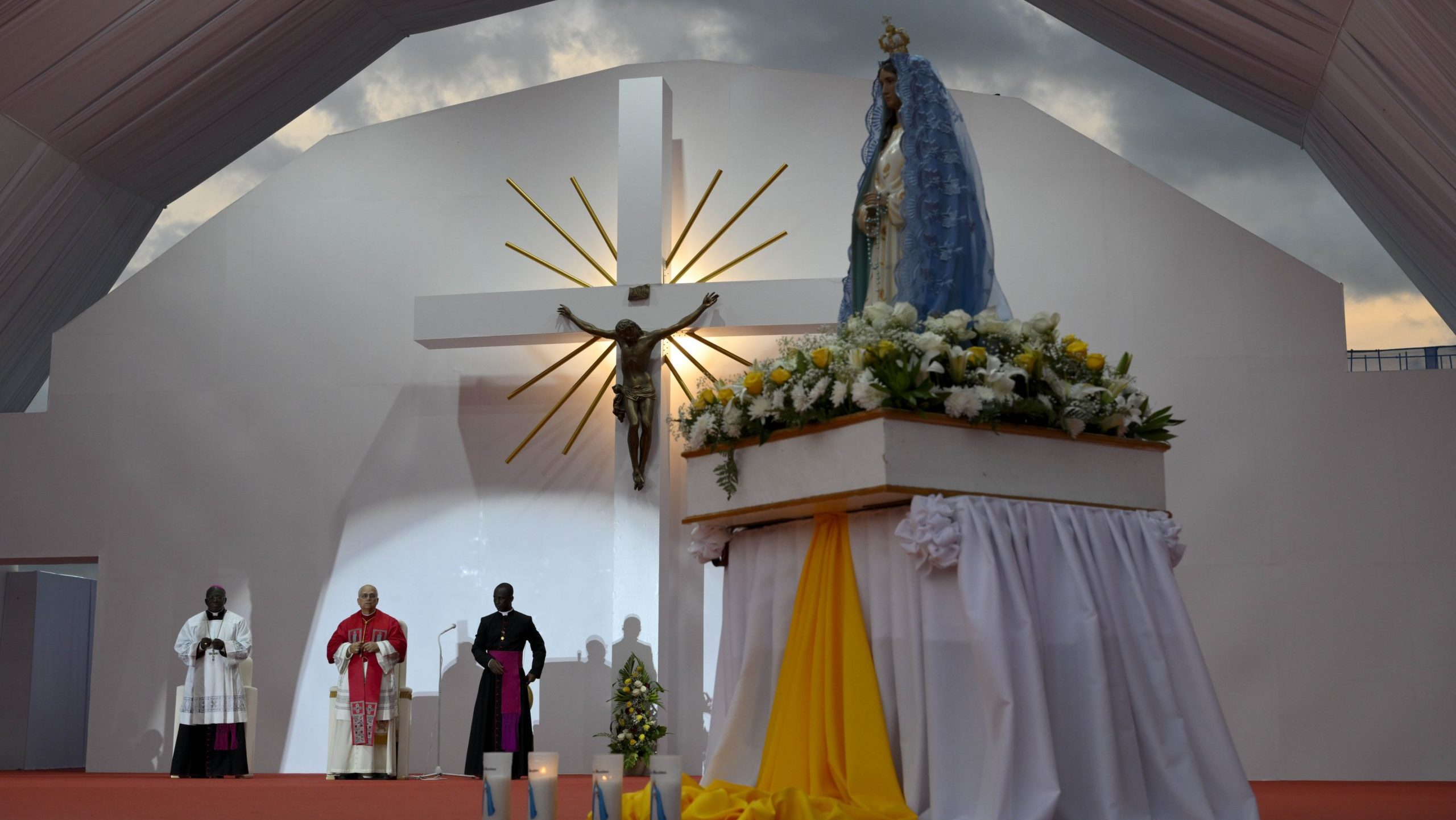
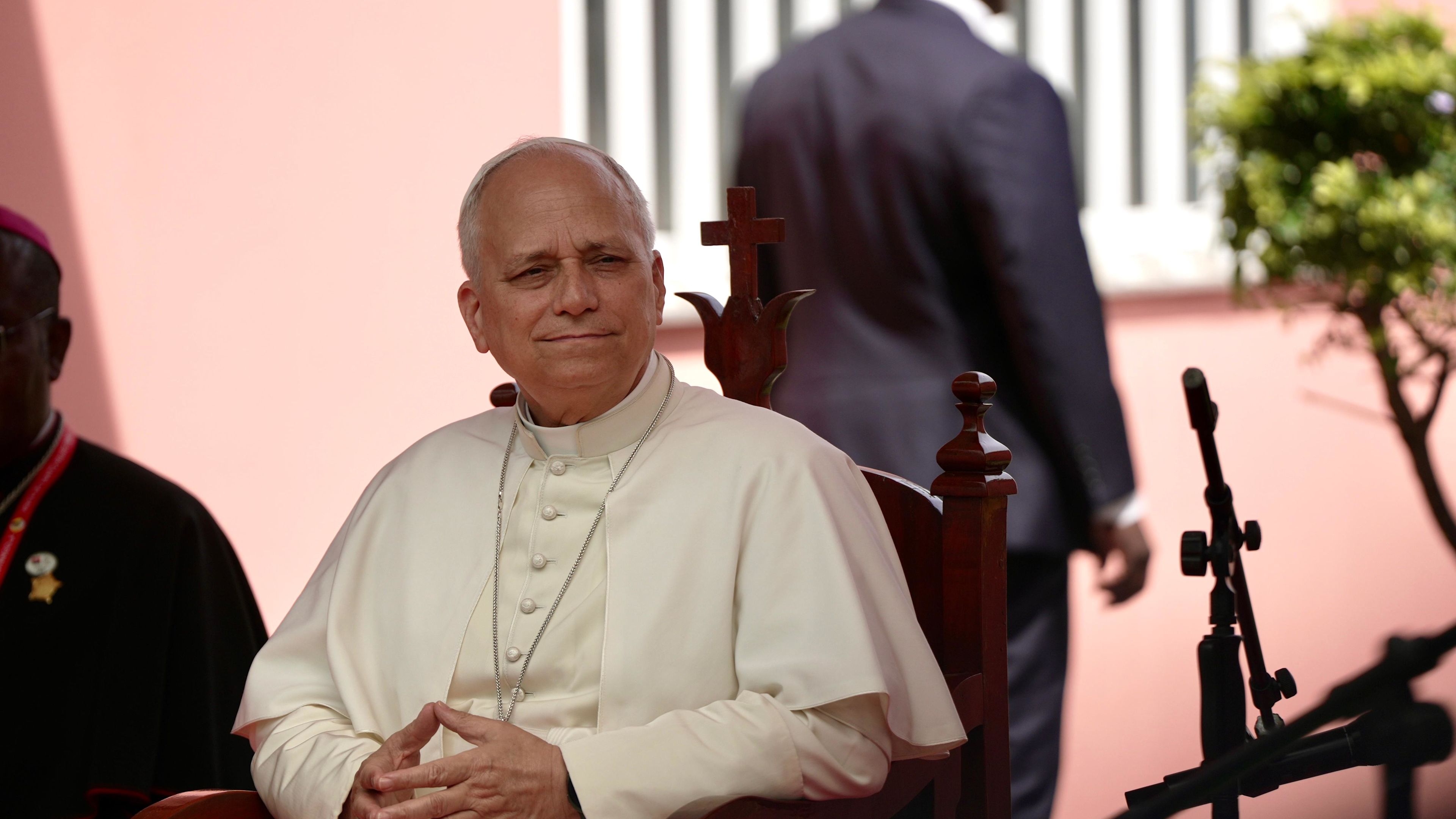
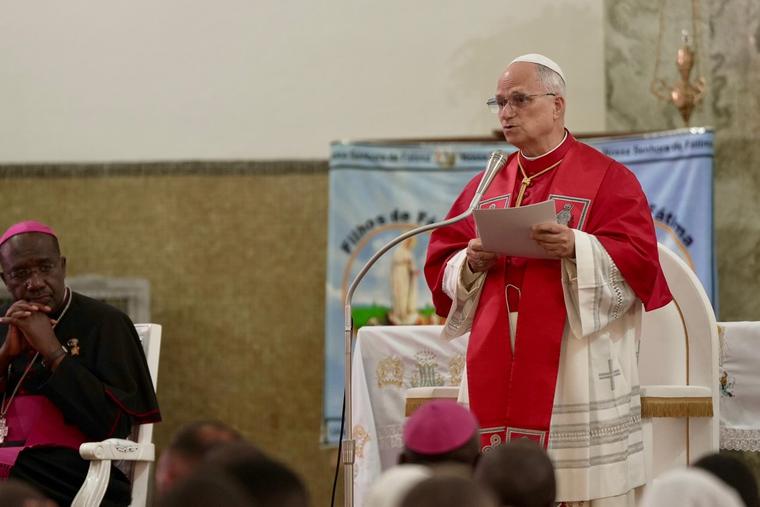
Pope Leo XIV's historic pastoral visit to Saurimo, Angola on April 20, 2026, drew approximately 60,000 faithful and represents a significant market indicator for cross-border sellers targeting faith-based and cultural product categories in Sub-Saharan Africa. This inaugural inland papal visit—extending beyond Angola's coastal regions—demonstrates growing consumer engagement in peripheral markets with strong purchasing power potential, particularly among faith communities seeking authentic religious merchandise, Ubuntu philosophy-themed products, and peace-advocacy collectibles.
Market Opportunity Analysis: The event's scale (60,000 attendees) and geographic significance indicate emerging demand in Angola's interior regions, particularly Saurimo, which despite diamond wealth experiences significant poverty. This paradox creates a bifurcated consumer base: affluent diamond-sector workers seeking premium religious merchandise and faith-based gifts, and lower-income populations interested in affordable devotional items and peace-themed products. The Pope's emphasis on authentic faith versus superstitious practices suggests consumer appetite for legitimate, certified religious products rather than counterfeit spiritual merchandise—a critical differentiation for sellers.
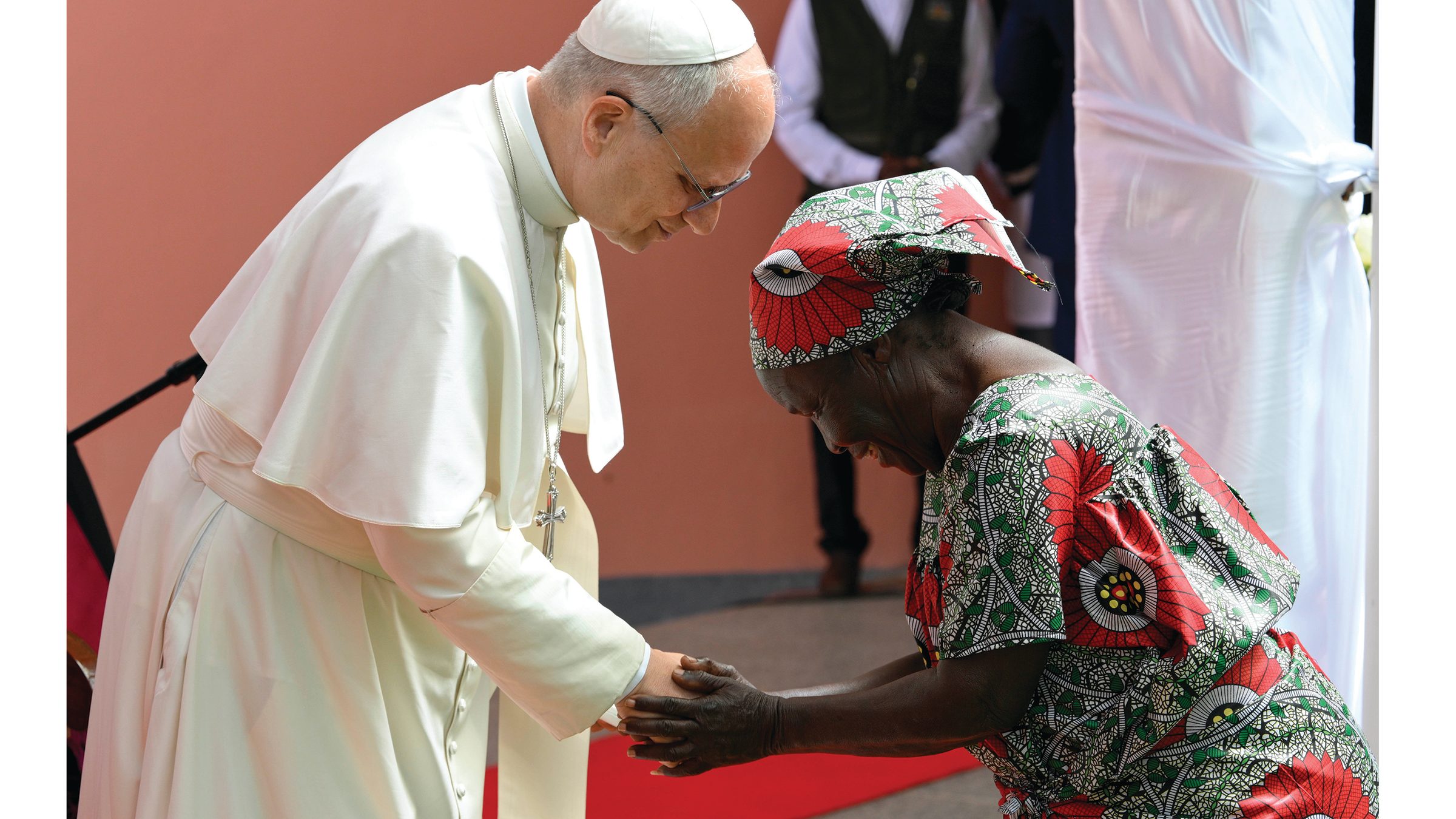
Consumer Behavior Insights: The warm reception featuring "songs, dances, and applause despite intense heat" reflects what church officials described as "joyful faith characteristic of Sub-Saharan African communities." This cultural enthusiasm translates to strong engagement potential for faith-based product categories including religious apparel (vestments, prayer clothing), devotional items (rosaries, prayer books), peace-advocacy merchandise, and Ubuntu philosophy-themed products emphasizing "human interconnectedness and collective happiness." The event's focus on reconciliation, martyrs, and saints suggests demand for commemorative religious collectibles and historical faith-based merchandise.
Regional Context & Logistics: The Pope's message addressing "violence, exploitation by the powerful, and fraud by the rich" resonates with Angola's socioeconomic challenges and humanitarian concerns highlighted by Sudanese priest Fr. Samir Alrafayne, who noted Sudan's 15 million displaced persons and ongoing conflict. This geopolitical context creates opportunities for sellers offering peace-themed products, humanitarian-focused merchandise, and faith-based items supporting reconciliation narratives. Sellers should consider Angola and broader Sub-Saharan African markets as emerging e-commerce frontiers with growing digital payment adoption and logistics infrastructure improvements enabling cross-border transactions.
Competitive Positioning: The spread of "new religious sects that disrupt families" mentioned in coverage indicates market fragmentation and consumer confusion—creating opportunity for established, authenticated religious product sellers to capture market share through verified sourcing, certification, and brand trust. Sellers can differentiate by emphasizing authentic Vatican-approved merchandise, certified faith-based products, and items supporting legitimate peace and reconciliation initiatives.
Questions 8
What product categories benefit from Pope Leo XIV's Angola visit and 60,000-person event?
Religious merchandise, devotional items, peace-themed collectibles, and Ubuntu philosophy-inspired products represent primary opportunities. The 60,000 attendees in Saurimo signal strong demand for faith-based gifts, rosaries, prayer books, religious apparel, and commemorative items. Sellers should prioritize authenticated religious products, Vatican-approved merchandise, and items supporting reconciliation narratives. Historical papal visit data shows merchandise sales spike 30-50% in visited regions during 6-month post-event windows. Consider creating Angola-specific product listings emphasizing authentic sourcing and faith community endorsements.
Which seller segments should prioritize Angola religious product market expansion?
Faith-based product specialists, religious gift retailers, and peace-advocacy merchandise sellers represent primary targets. Small-to-medium sellers (10-100 SKUs) can efficiently serve niche religious categories without competing against large generalist platforms. Sellers with existing Sub-Saharan Africa logistics networks gain competitive advantage through faster fulfillment. Niche sellers focusing on Ubuntu philosophy, African spirituality, or peace-themed products can differentiate effectively. Consider whether your current product catalog includes faith-based items; if not, Angola's emerging market presents opportunity to expand into high-margin religious merchandise categories with growing regional demand.