


UK Government Credibility Crisis | Cross-Border Seller Risk Alert
- Political instability in UK signals potential regulatory uncertainty for 50K+ cross-border sellers; Starmer administration credibility concerns may delay trade policy clarity through 2026













Overview
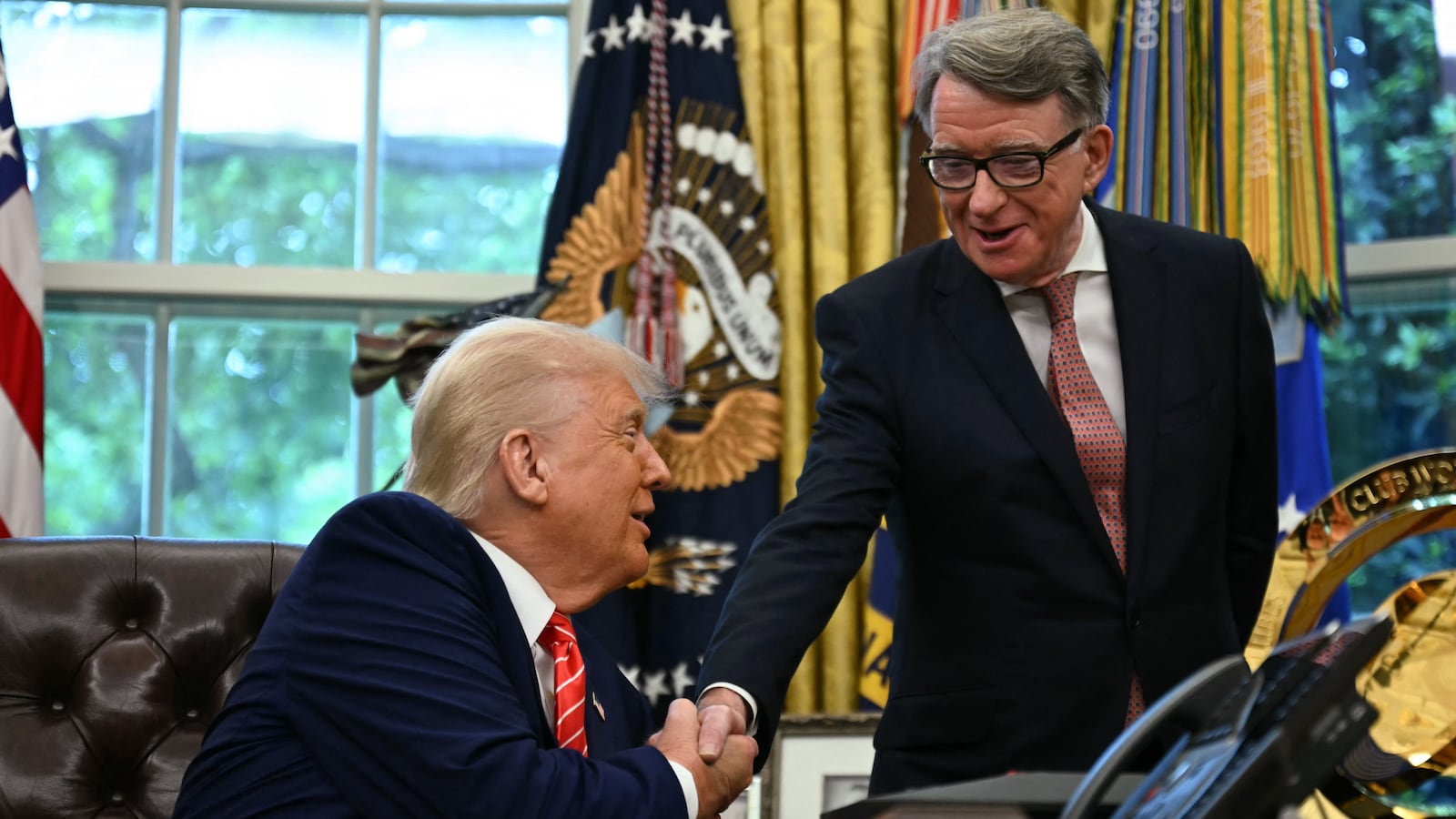
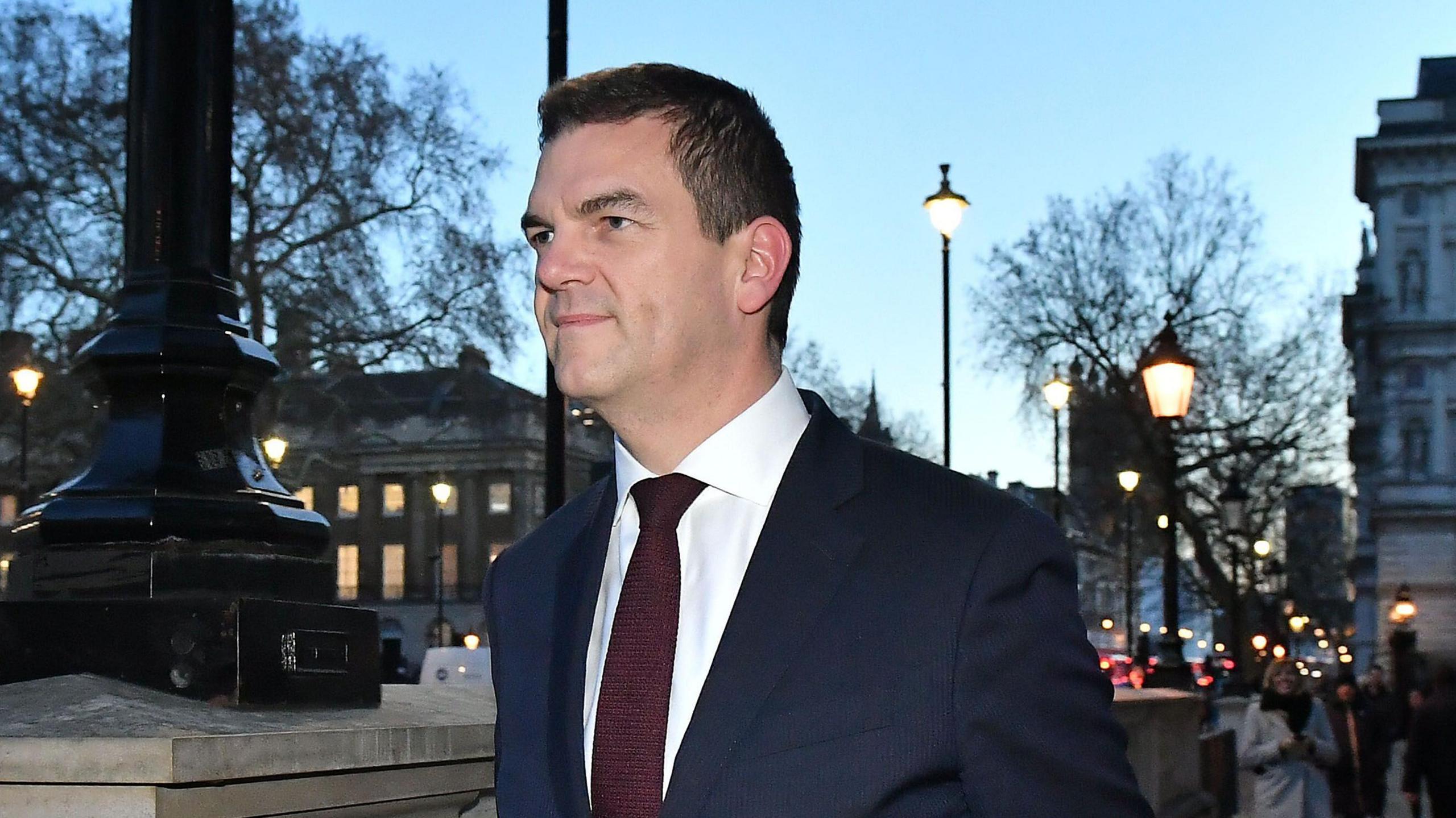
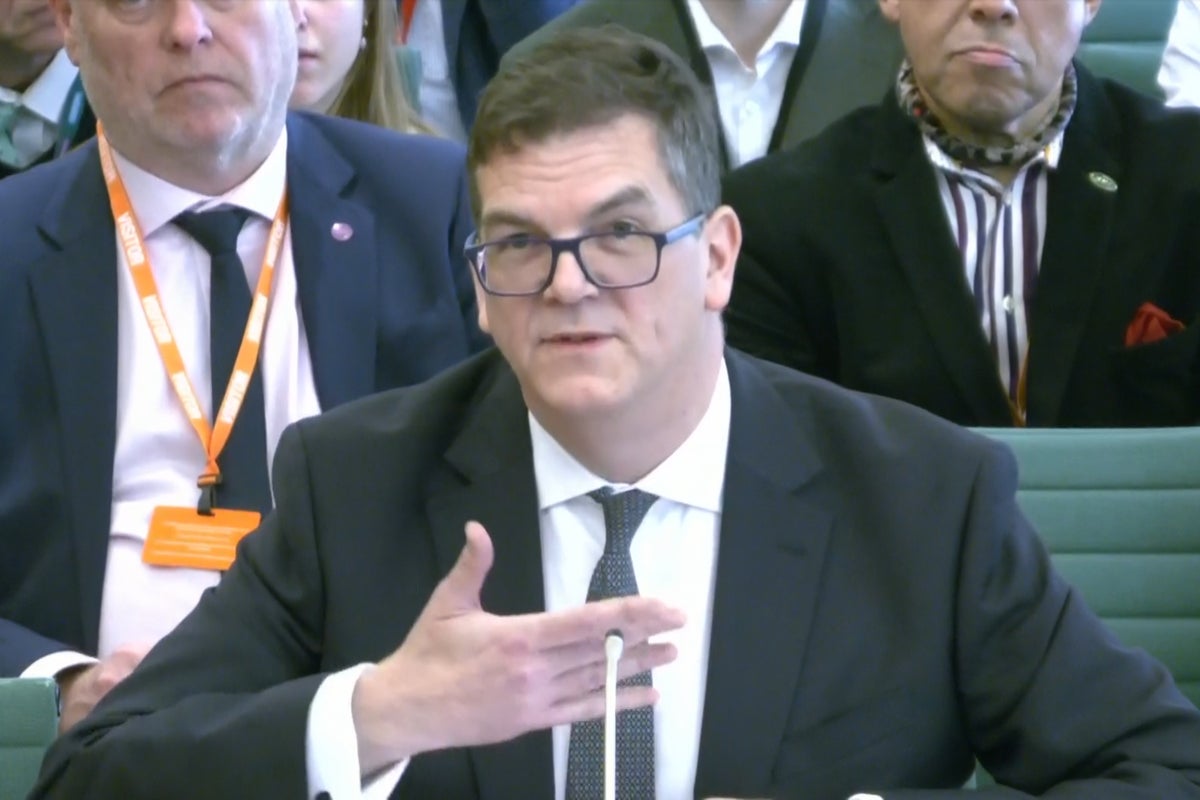
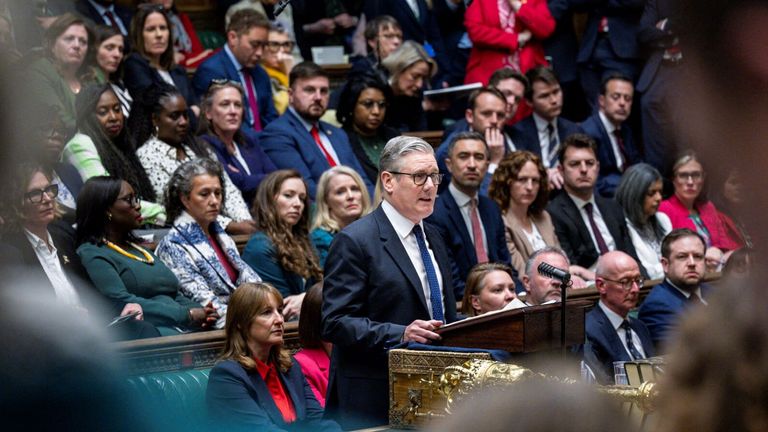
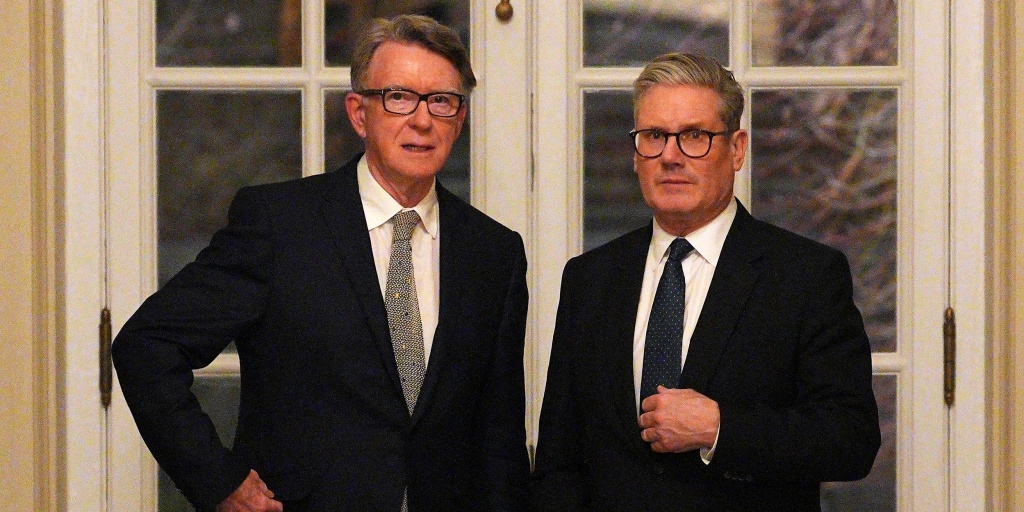
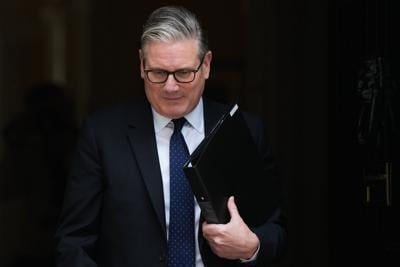
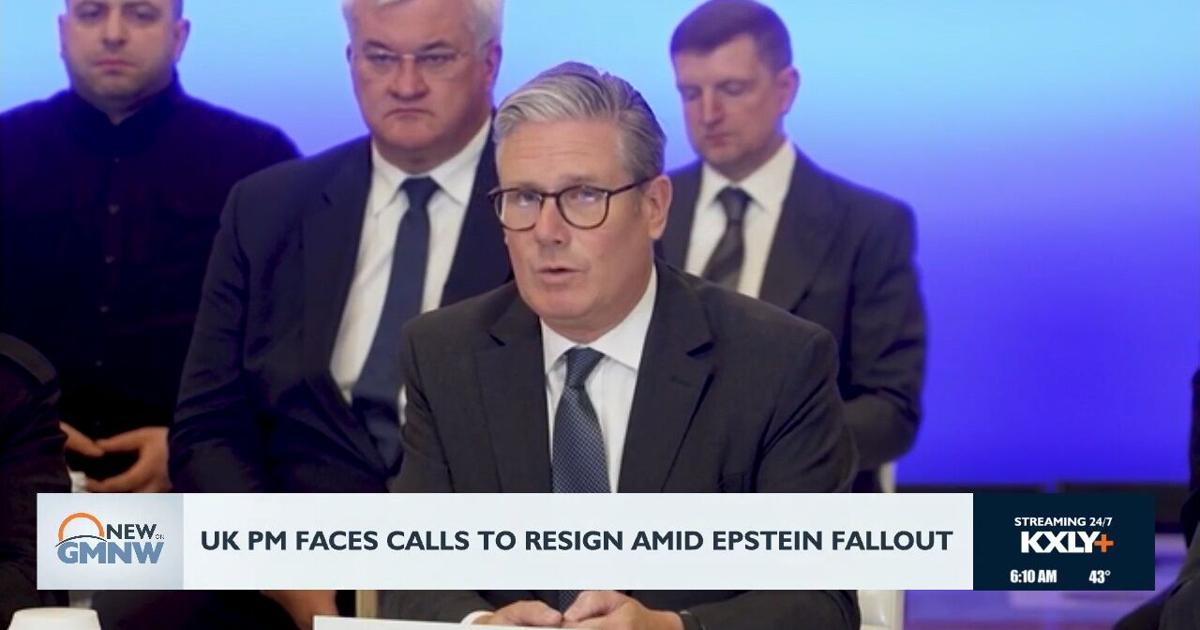
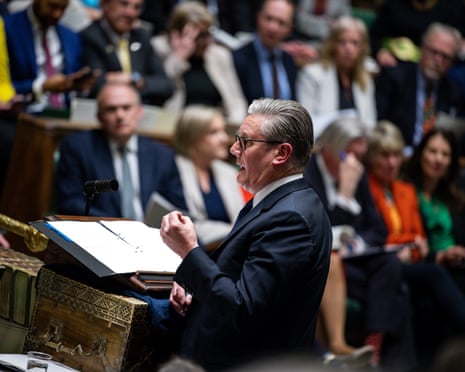
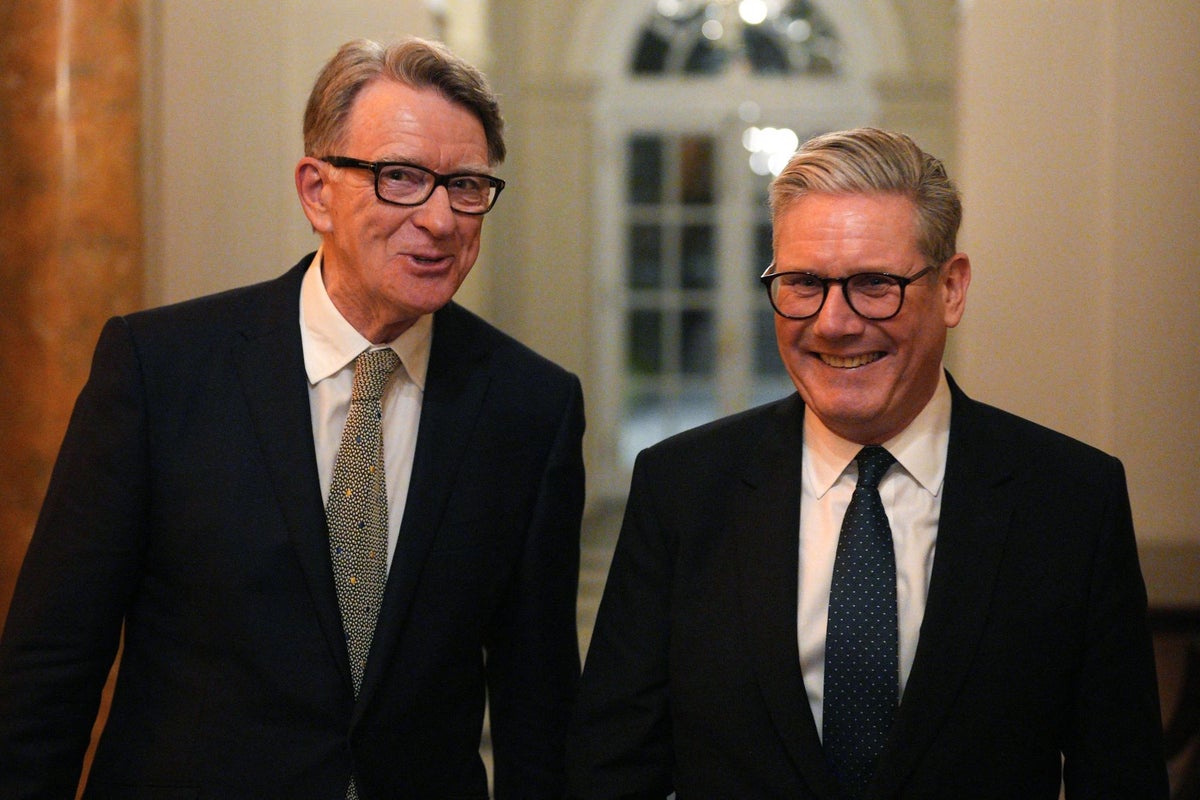
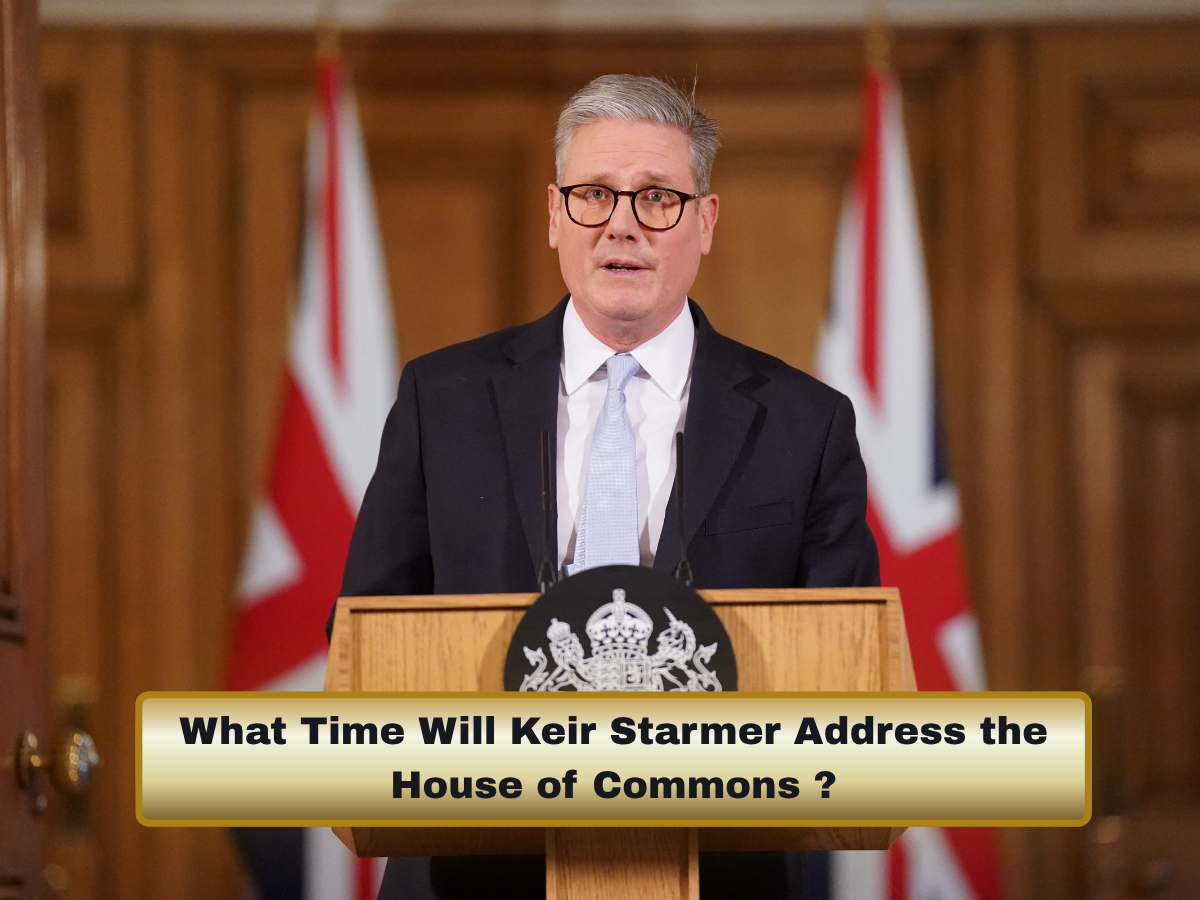
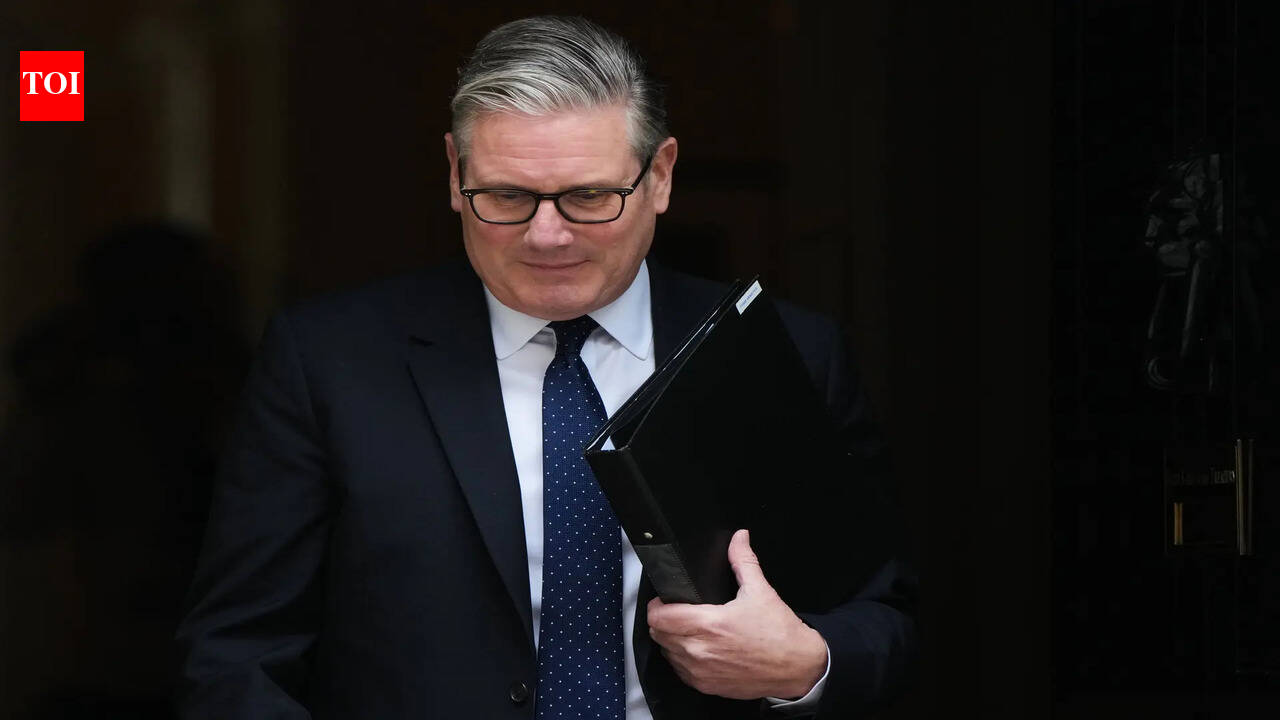
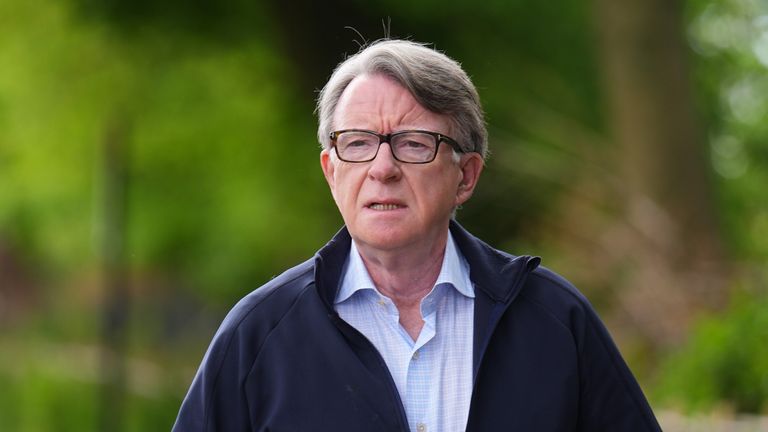
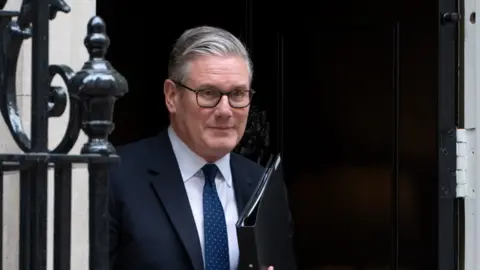
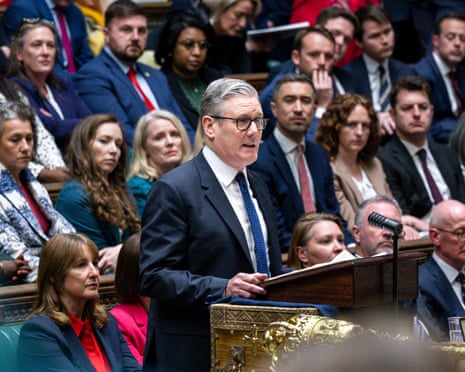
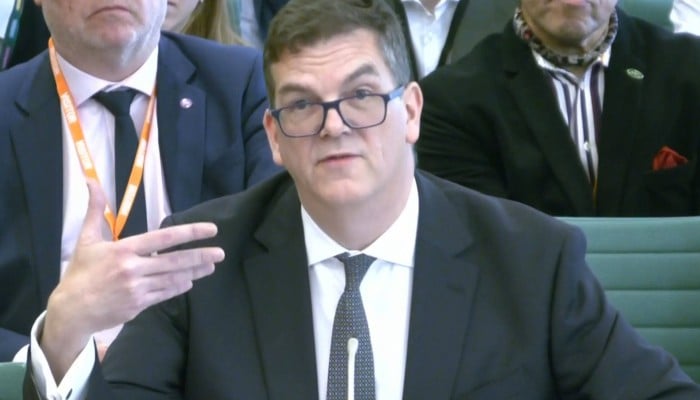
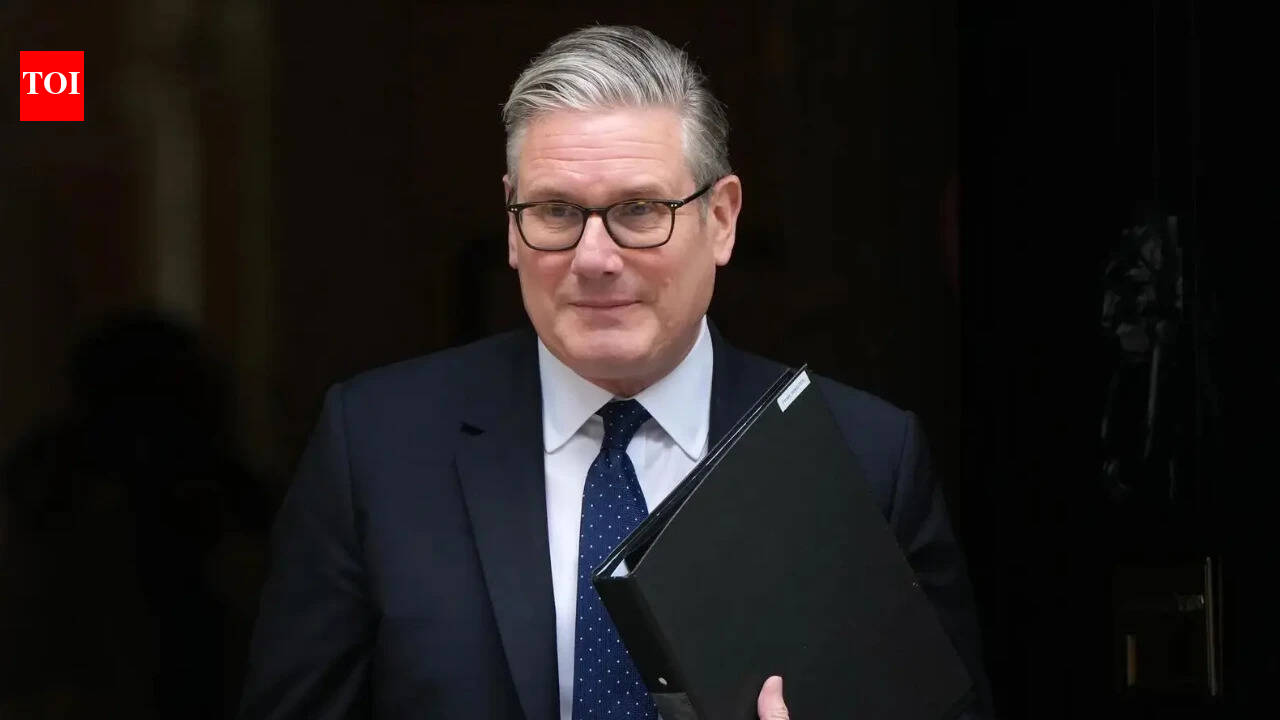
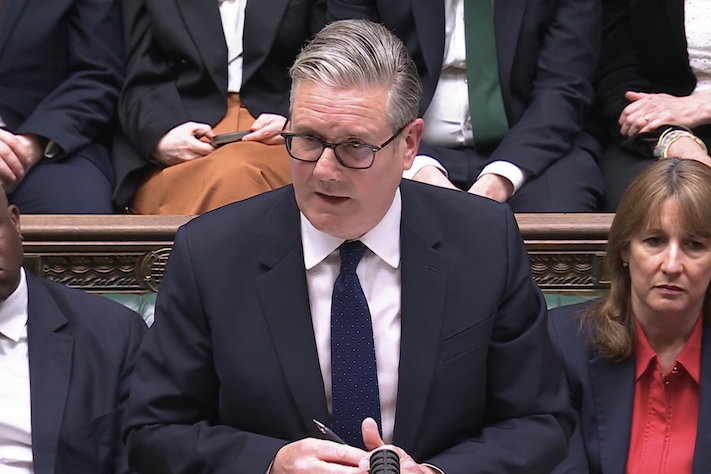
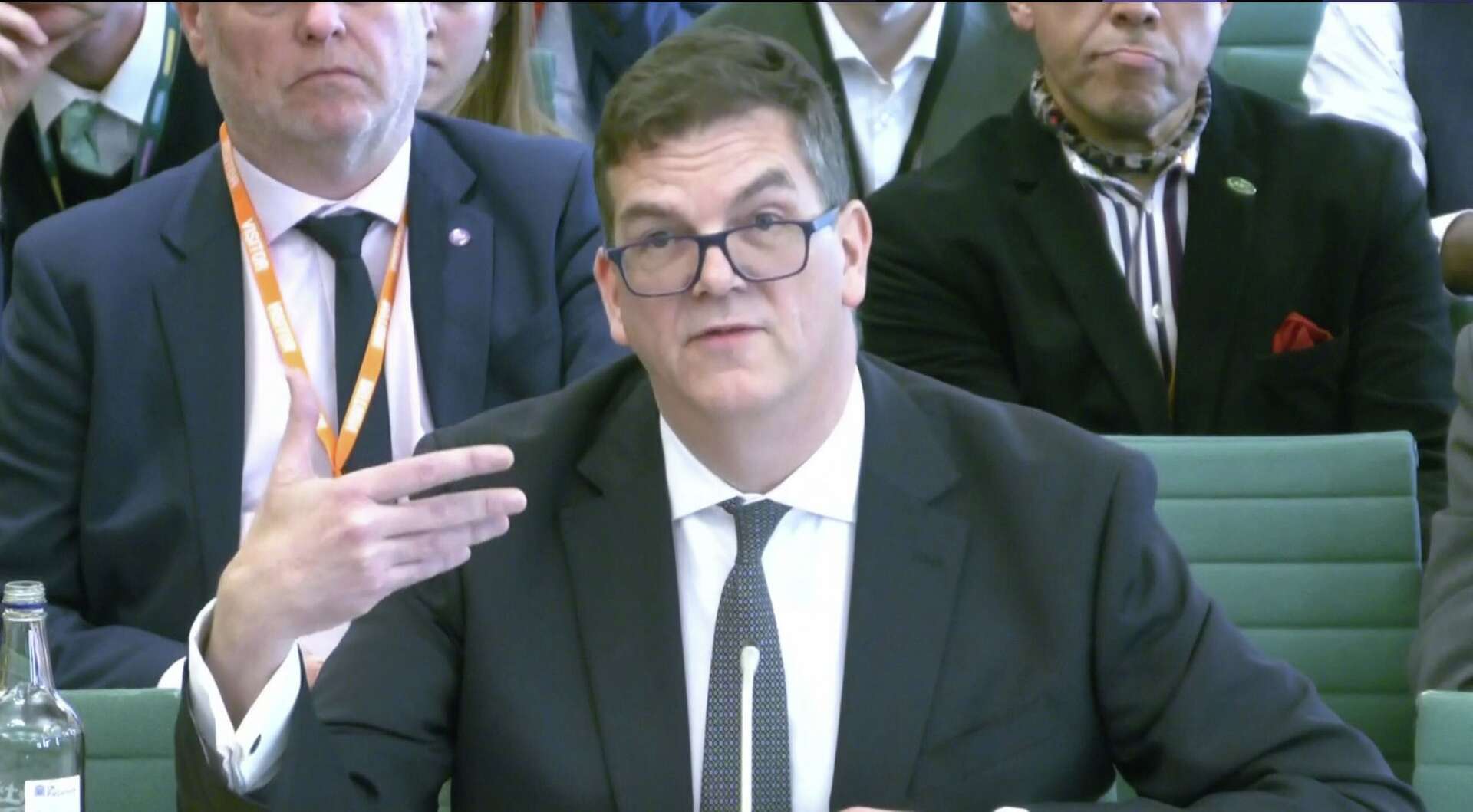
The ongoing UK political crisis surrounding Prime Minister Keir Starmer's appointment of Lord Peter Mandelson as US Ambassador—and subsequent parliamentary testimony from Sir Olly Robbins on April 21, 2026—reveals systemic governance failures that carry indirect but significant implications for cross-border e-commerce sellers operating in UK and EU markets. While the news focuses on diplomatic appointments and security vetting procedures, the underlying pattern of political dysfunction, procedural failures, and institutional distrust signals broader regulatory instability that affects seller confidence in UK trade policy implementation.
The Governance Pattern and Seller Impact: The scandal demonstrates three critical governance failures: (1) ministerial pressure overriding established security procedures, (2) deliberate withholding of information from Parliament, and (3) scapegoating of officials rather than accepting accountability. These patterns suggest a government struggling with institutional discipline and transparent decision-making. For cross-border sellers, this matters because regulatory compliance depends on clear, consistently-enforced rules. When government institutions lose credibility internally, external stakeholders—including international traders—face uncertainty about policy enforcement, regulatory interpretation, and dispute resolution. The Starmer administration's credibility damage (with calls for resignation from multiple opposition parties and Labour MPs) creates a governance vacuum that typically precedes policy shifts, regulatory delays, or sudden enforcement changes.
Indirect E-Commerce Implications: UK-based sellers and those shipping to UK/EU markets face three specific risks: (1) Regulatory Uncertainty: A weakened government typically delays major policy announcements (trade agreements, VAT reforms, customs procedures) to avoid additional controversy. This creates a 6-12 month window of policy limbo where sellers cannot plan long-term compliance strategies. (2) Trade Policy Delays: The UK government's credibility crisis coincides with ongoing post-Brexit trade negotiations and potential US-UK trade discussions (referenced in the news regarding Trump's second term and Mandelson's ambassador role). Political instability typically delays these negotiations, leaving sellers uncertain about tariff changes, customs procedures, and regulatory alignment. (3) Institutional Inconsistency: When government institutions lose internal trust (as evidenced by the Foreign Office vetting scandal), external regulatory bodies become less predictable. HMRC (Her Majesty's Revenue and Customs), which oversees VAT compliance and customs duties for cross-border sellers, may face leadership changes or policy reversals, creating compliance uncertainty.
Market Confidence Indicator: The scandal also signals broader concerns about the Labour government's decision-making quality since its July 2024 election victory. Multiple senior officials have criticized Starmer's judgment, and opposition leaders are calling for resignation. This level of institutional criticism typically precedes either government collapse or significant policy reversals. For sellers, this means the regulatory environment they planned around in 2024-2025 may shift substantially in 2026-2027. The 9-month timeline from Mandelson's appointment (early 2025) to his firing (September 2025) demonstrates how quickly government decisions can reverse when credibility erodes—a pattern sellers should monitor for other policy areas.
Questions 8
How does Starmer's pattern of poor judgment affect seller confidence in UK trade policy?
Starmer's documented pattern of poor judgment—Mandelson appointment despite failed vetting, repeated policy reversals, failure to deliver promised economic growth—signals a PM who may rush through trade decisions without adequate stakeholder consultation. Opposition leader Kemi Badenoch's criticism of his 'lack of curiosity' suggests Starmer avoids due diligence. For sellers, this means trade policy changes could arrive with minimal warning or seller input. Establish direct relationships with UK Department for Business and Trade contacts, join seller advocacy groups, and monitor parliamentary trade committees for early policy signals. Diversify political risk by maintaining relationships with both Labour and Conservative trade officials.
Will this affect Amazon, eBay, or Shopify seller policies in UK?
Indirectly, yes. Platforms typically align their UK policies with government regulatory changes. When government credibility is low and policies are uncertain, platforms often delay policy updates to avoid confusion. However, once new policies are announced, platforms must implement them quickly, sometimes with short notice. This creates a pattern of policy stasis followed by rapid changes. For sellers on Amazon UK, eBay UK, or Shopify UK, expect minimal policy changes through Q3 2026, then potential rapid updates once government stabilizes. Monitor Seller Central announcements closely during Q4 2026 and beyond. Platforms may also increase compliance audits during periods of regulatory uncertainty to protect themselves from liability, so ensure your account documentation is current.