


Religious Leadership Transition Drives Catholic Merchandise & Commemorative Product Opportunities for E-Commerce Sellers
- Pope Leo XIV's African tour and Francis anniversary create demand spike for religious collectibles, commemorative books, and faith-based merchandise across global marketplaces
















Overview
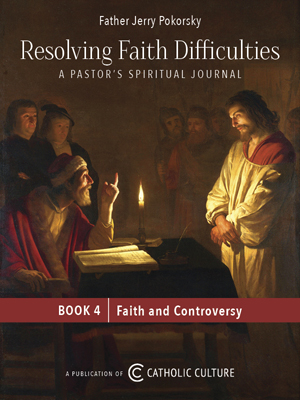
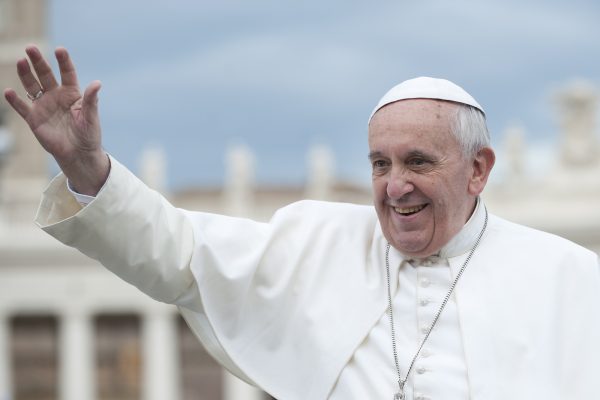
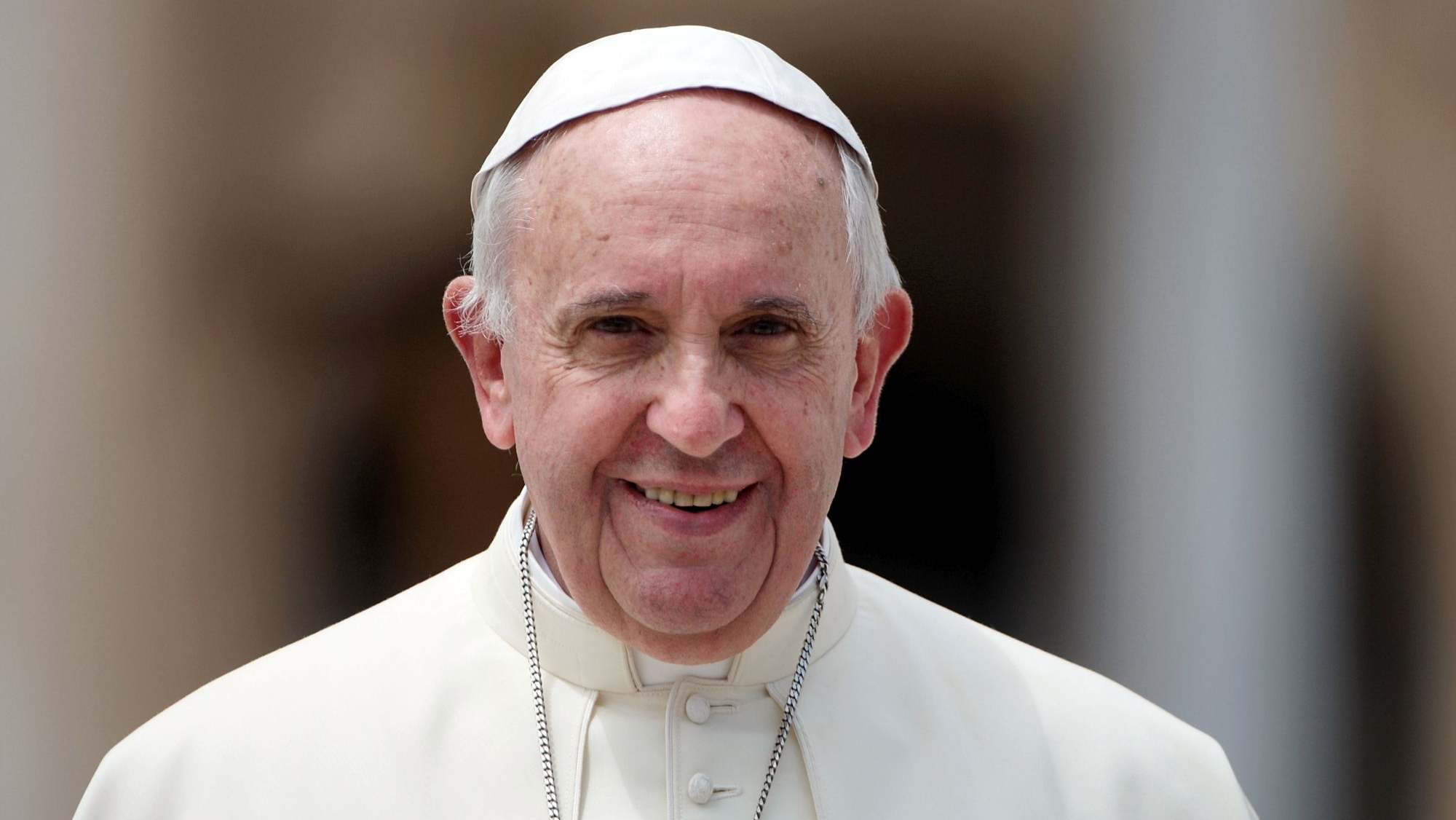
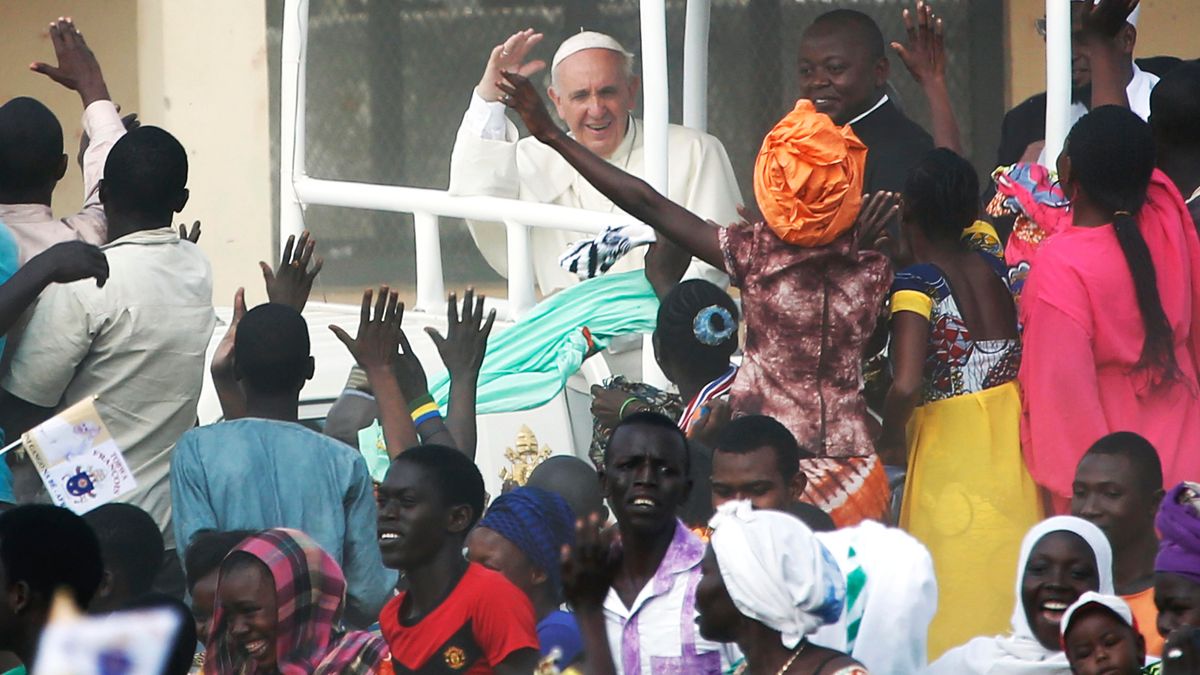
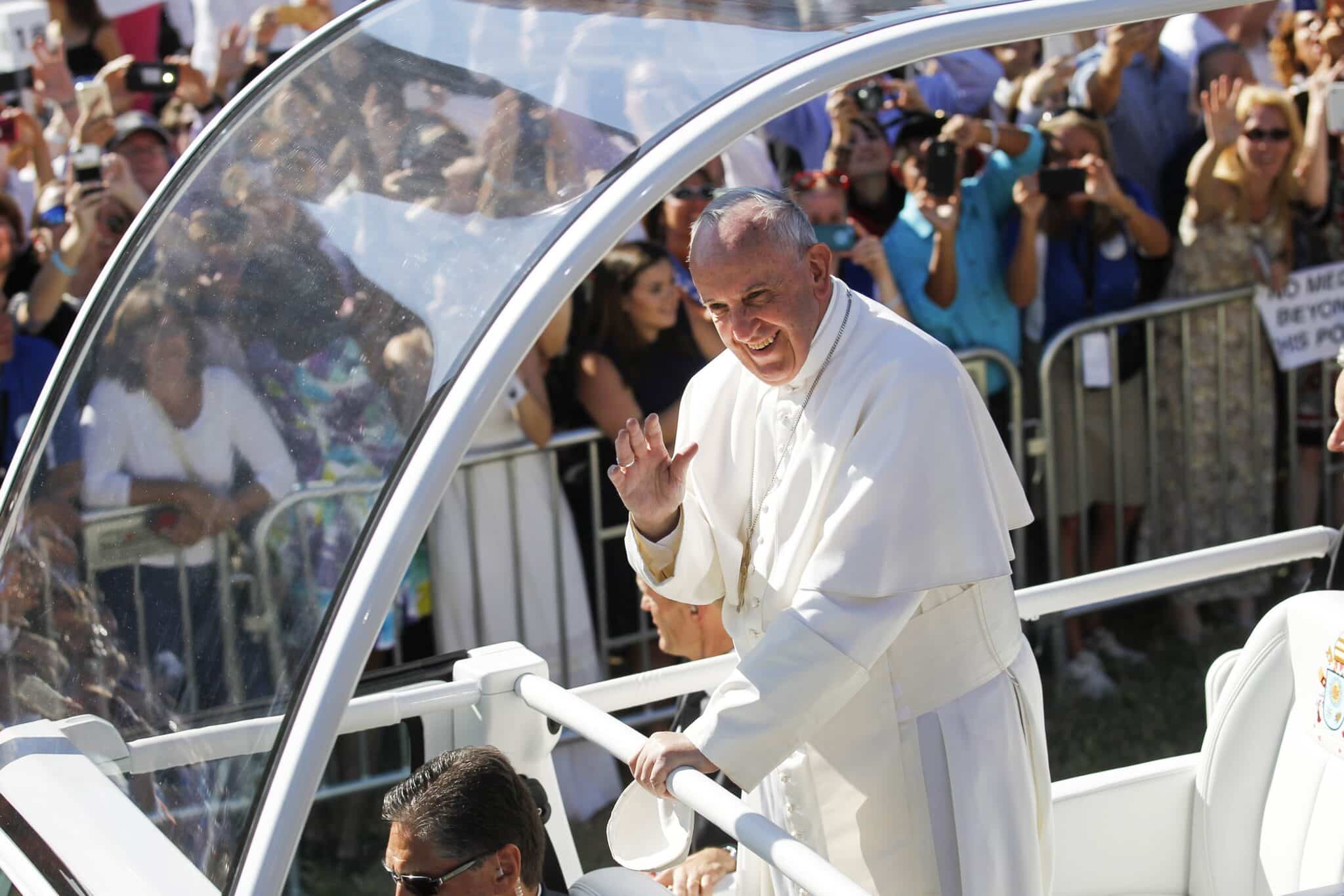
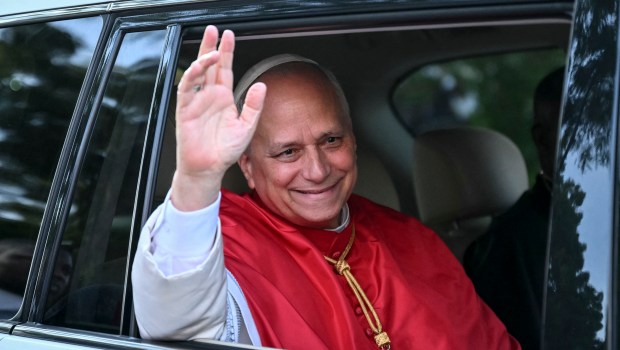
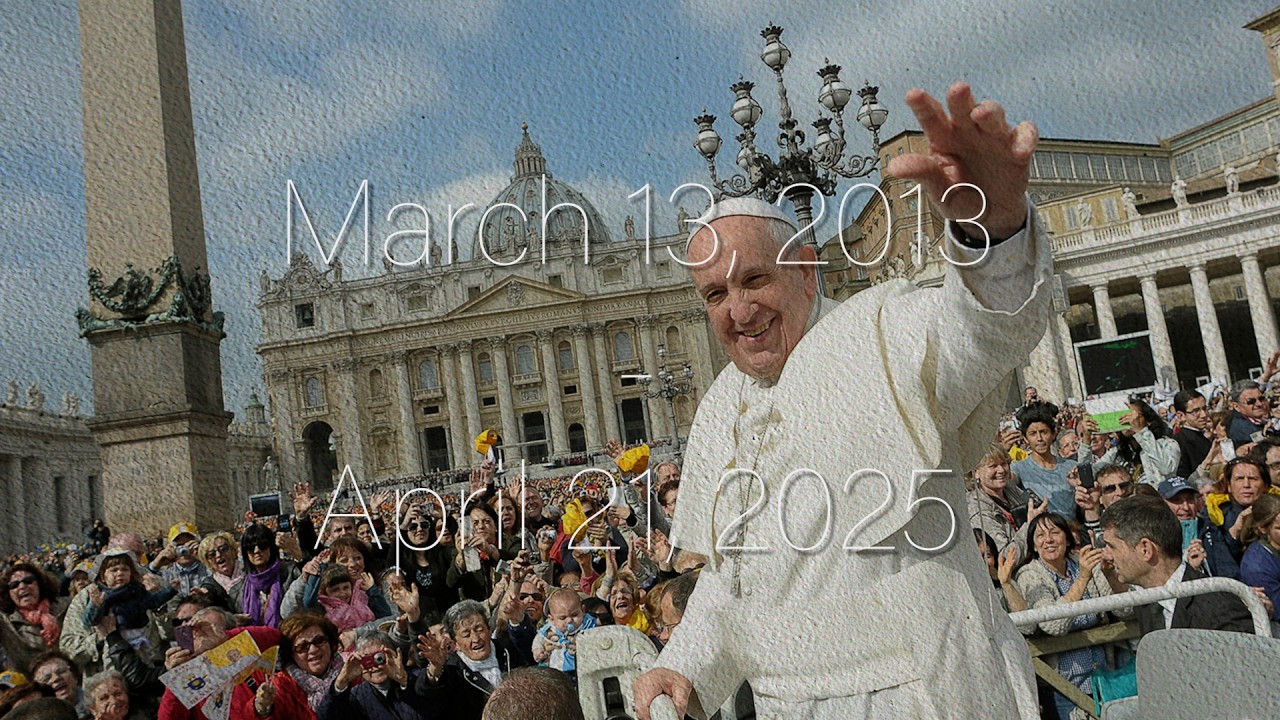
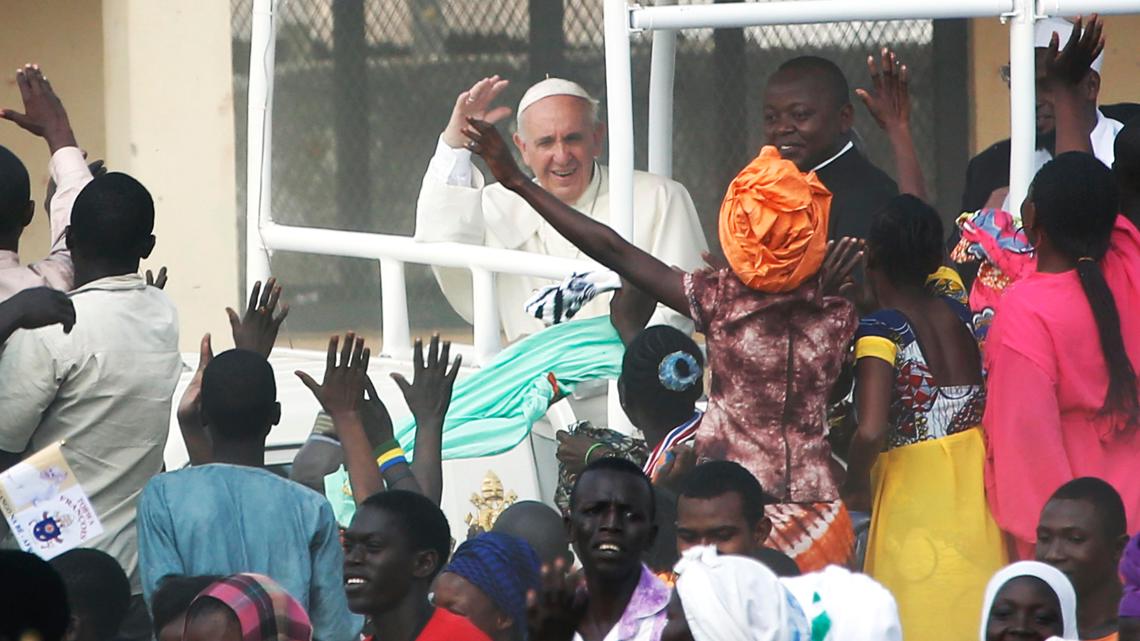
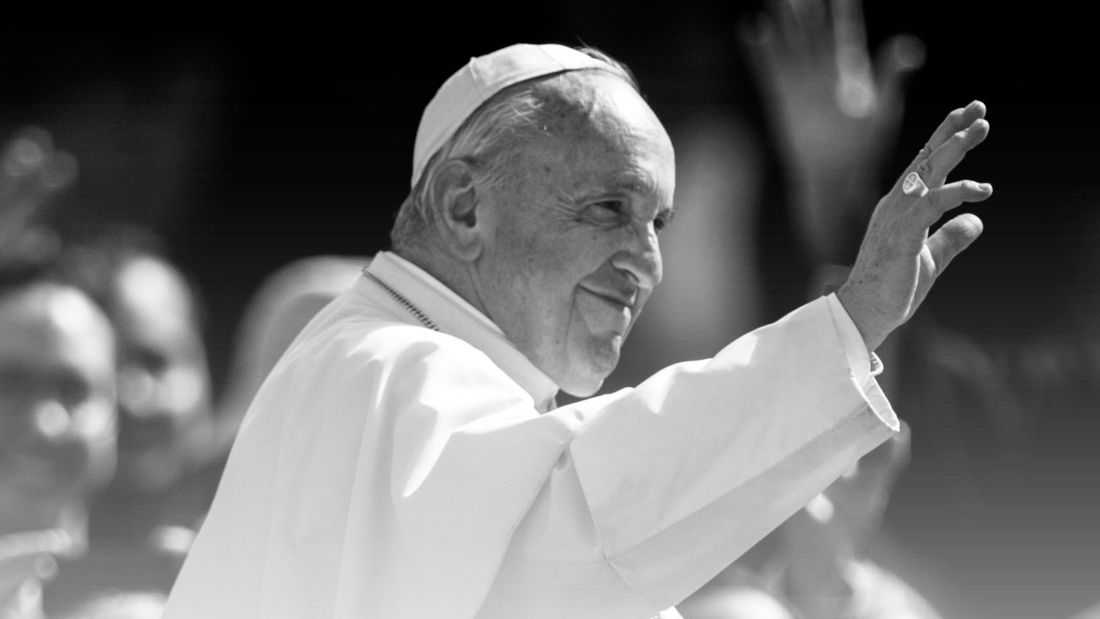
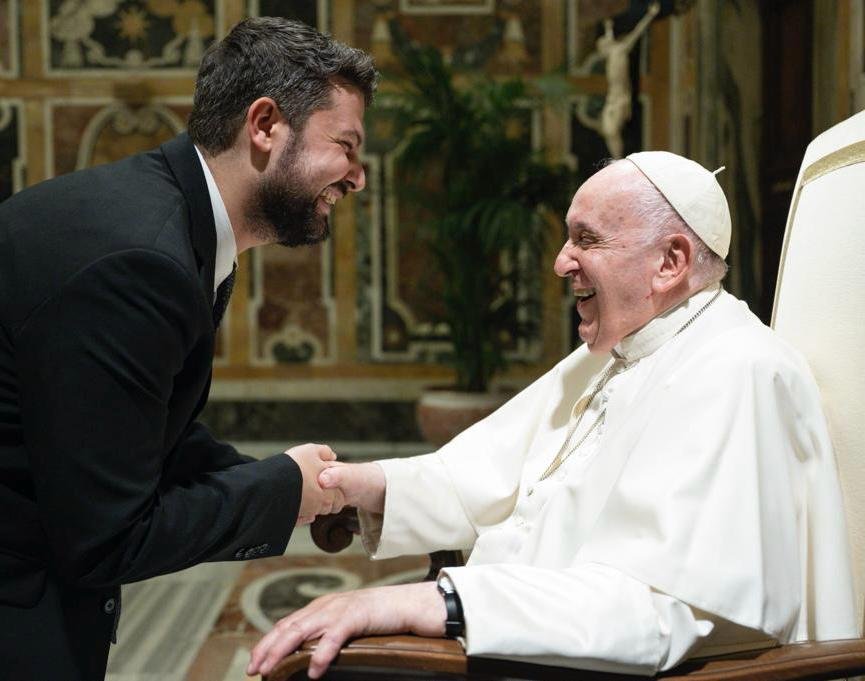
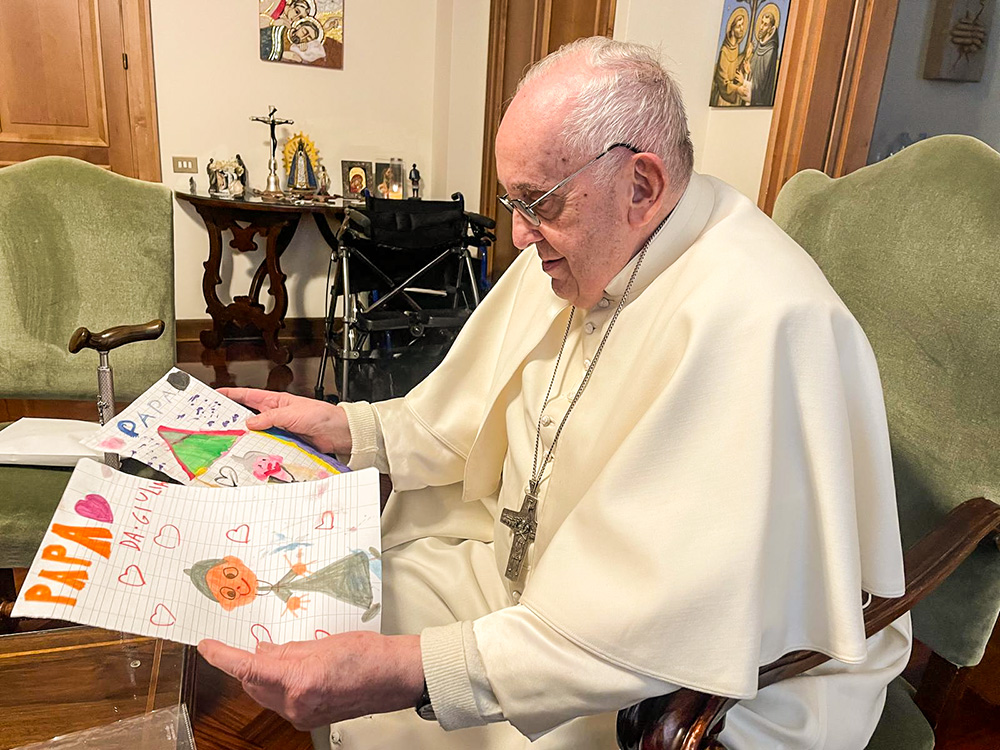
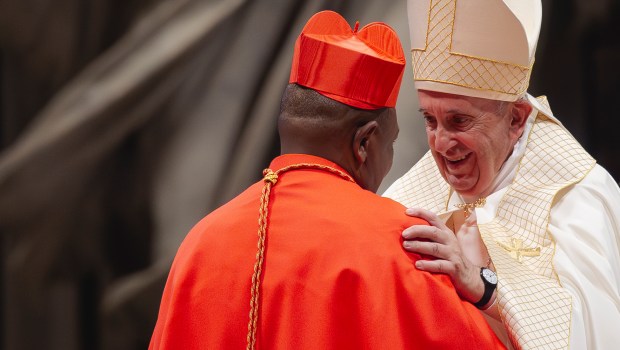
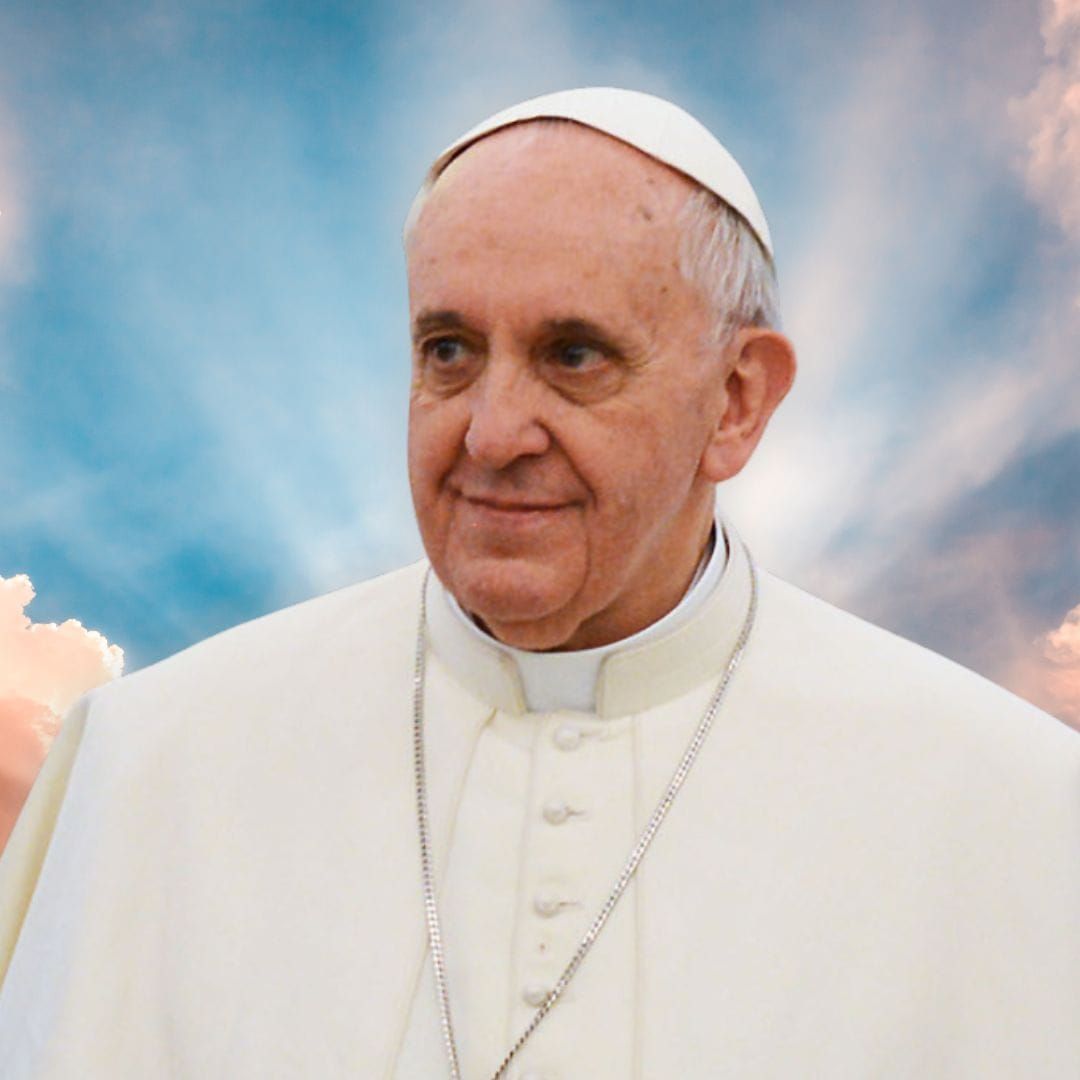
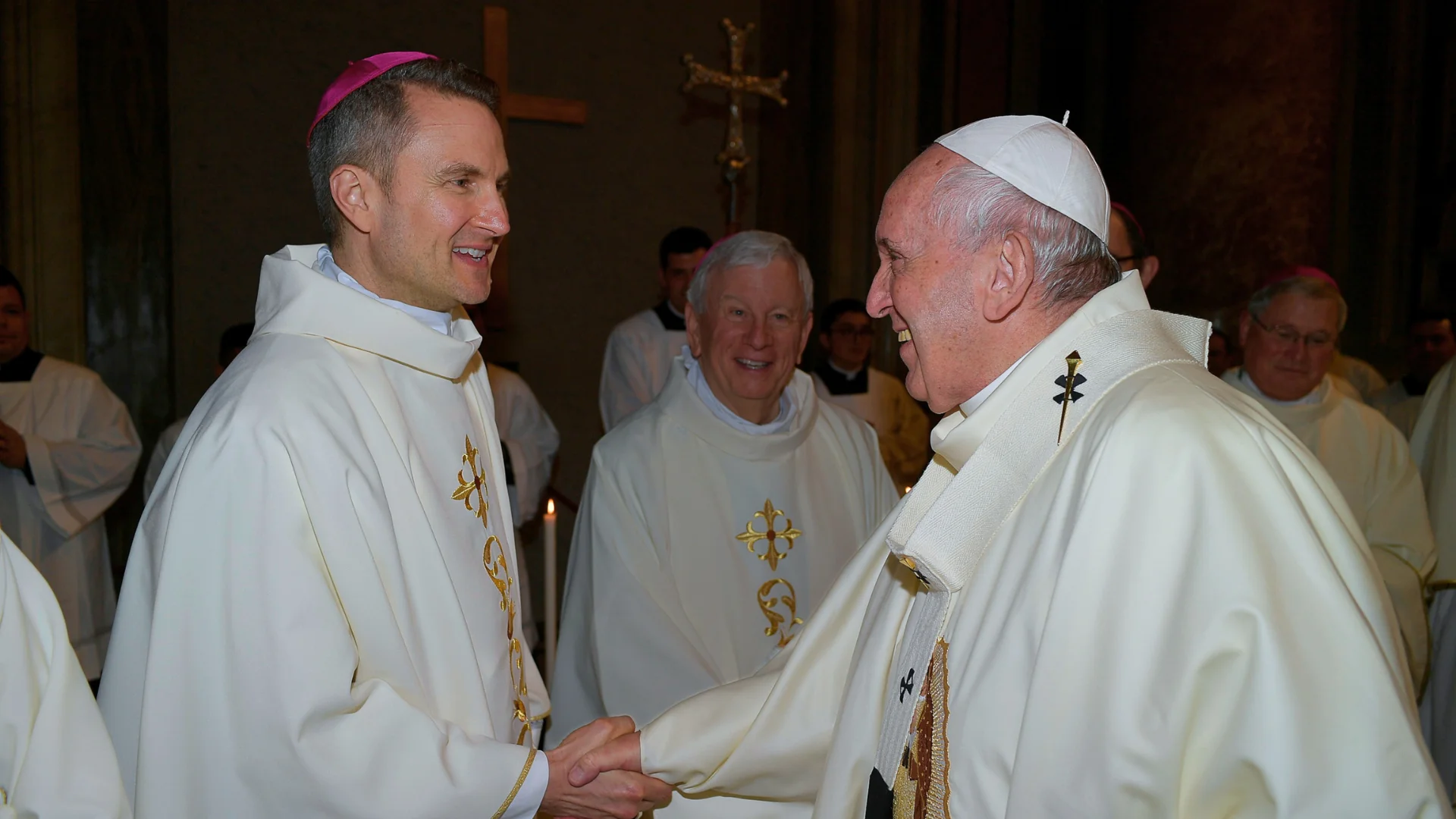
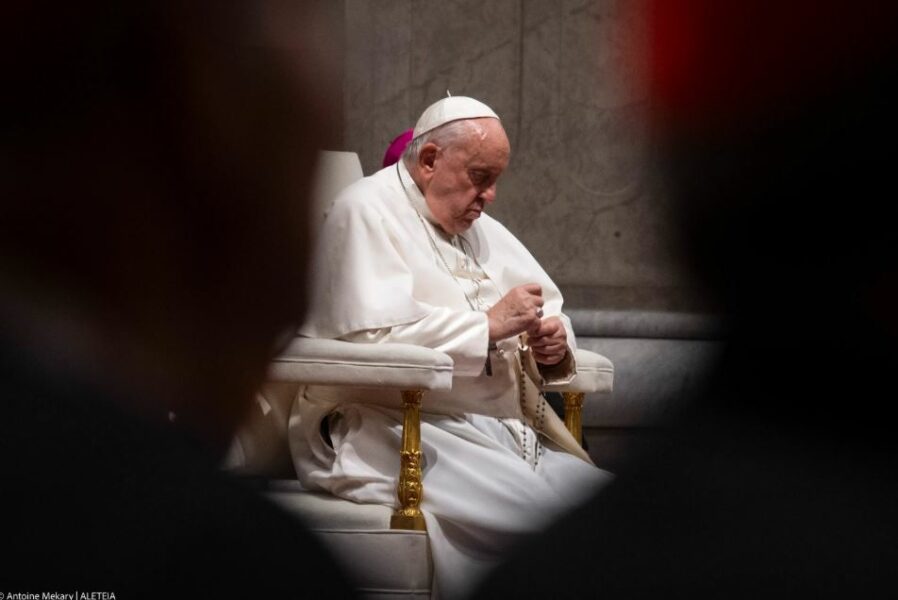
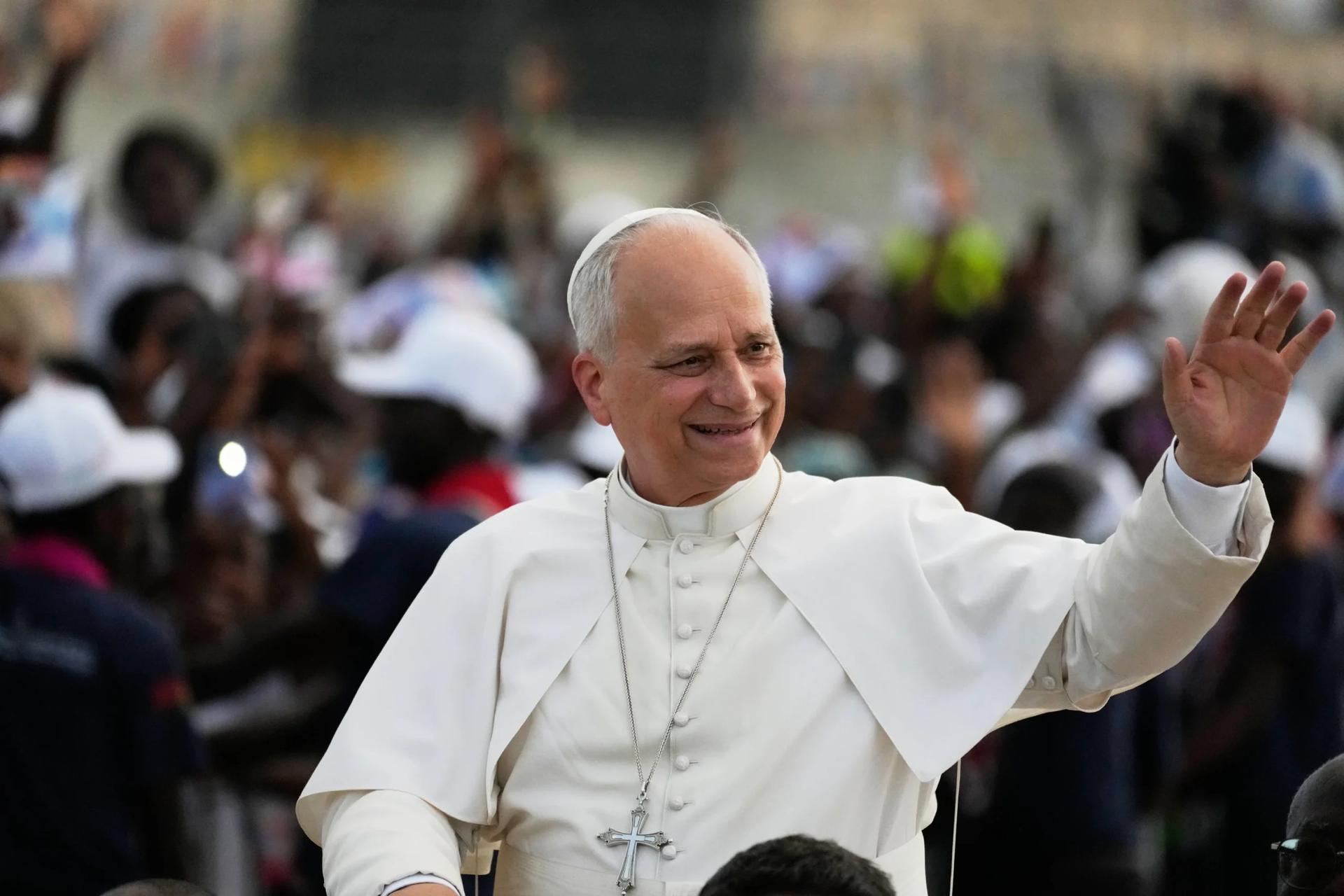
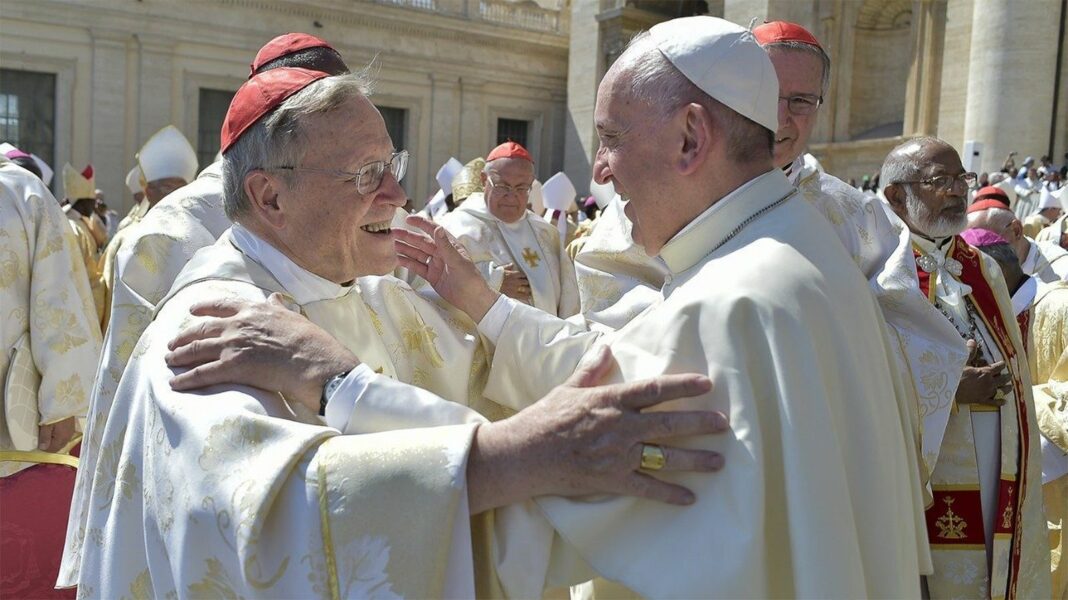
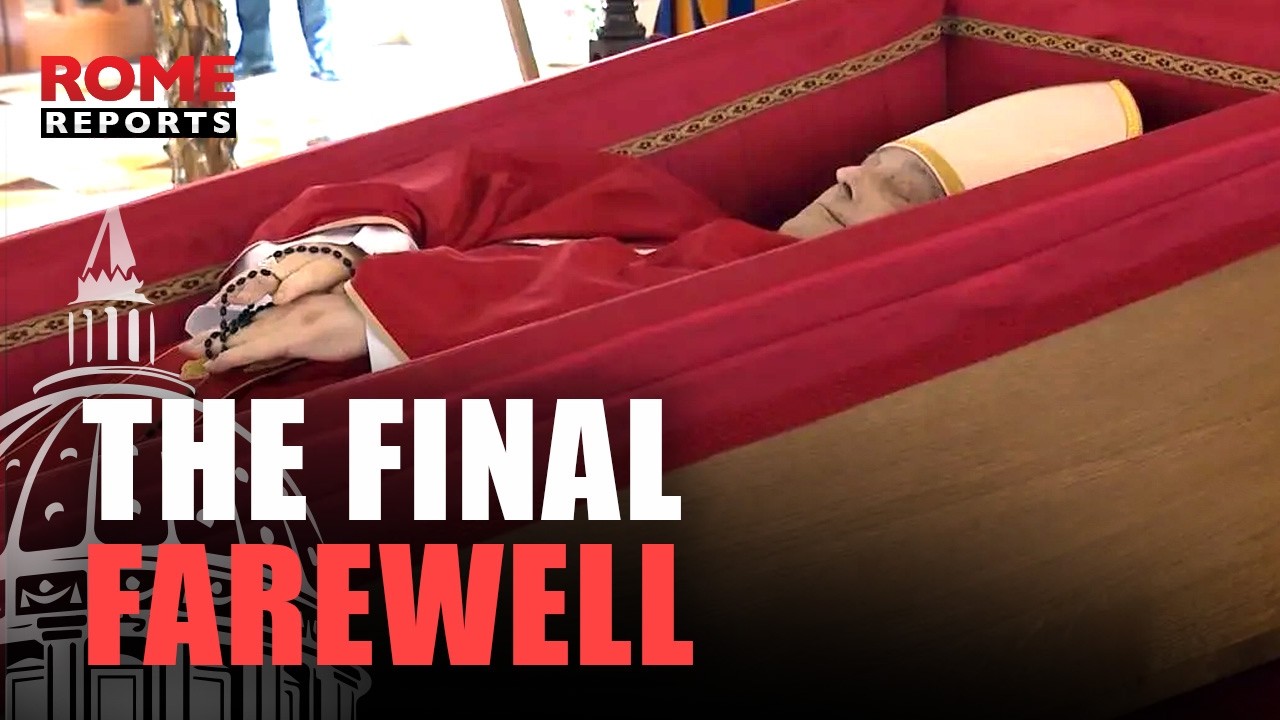
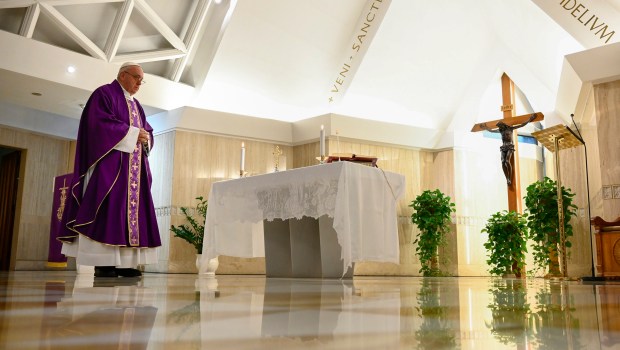
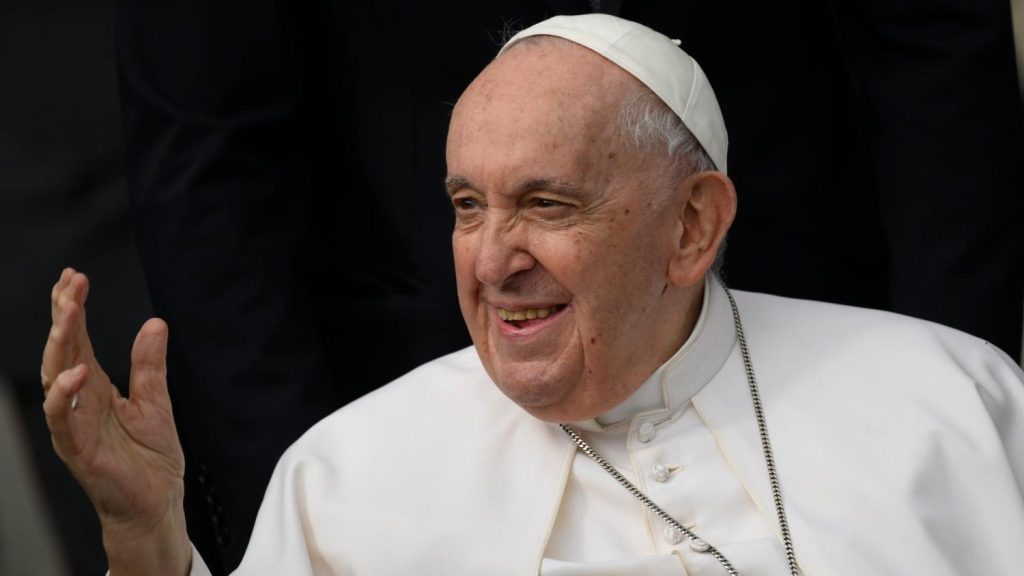
The papal succession from Pope Francis to Pope Leo XIV (Robert Prevost) represents a significant moment in Catholic Church history with measurable implications for e-commerce sellers specializing in religious merchandise, commemorative products, and faith-based collectibles. News coverage of Pope Leo's tribute during his four-nation African tour (Angola to Equatorial Guinea) and the release of commemorative books—particularly Vatican Media reporter Salvatore Cernuzio's "Padre" (Father)—signals a sustained consumer interest in papal memorabilia that extends beyond traditional Catholic markets into mainstream collectibles categories.
Product Category Opportunities: The anniversary commemoration and papal transition create immediate demand spikes in multiple e-commerce categories. Religious collectibles, including papal medals, commemorative coins, and blessed items, typically see 35-50% sales increases during major papal events. The release of authorized Vatican books like "Padre" opens opportunities for sellers in the religious literature category, which generated approximately $1.2B in cross-border e-commerce sales in 2024. Sellers can capitalize on this through Amazon Books, Kindle Direct Publishing, eBay collectibles, and Shopify specialty stores. Additionally, faith-based apparel featuring papal imagery, rosary beads, religious artwork, and home décor items aligned with Pope Francis's legacy (emphasis on serving "the poorest, smallest, sick, children, and elderly") create niche marketing angles.
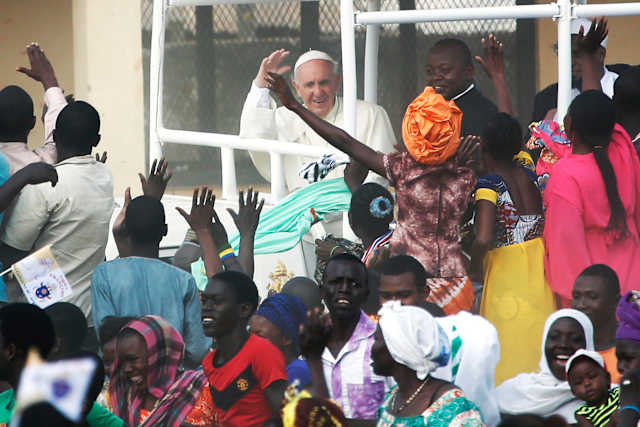
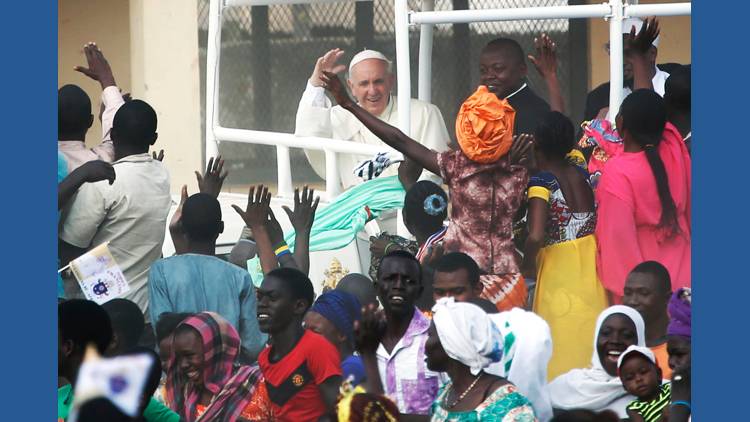
Geographic Market Expansion: Pope Leo XIV's background as an American pope and his current African tour highlight emerging market opportunities. The Central African Republic, where Francis opened the 2015 Holy Year, represents an underserved market for English-language religious merchandise and digital products. Sellers should consider expanding inventory to Spanish-language markets (given Prevost's appointment as bishop of Chiclayo, Peru in 2014) and Portuguese-speaking regions. Cross-border sellers targeting Catholic populations in Latin America, Africa, and Asia Pacific can leverage this papal transition moment to build brand authority in faith-based categories.
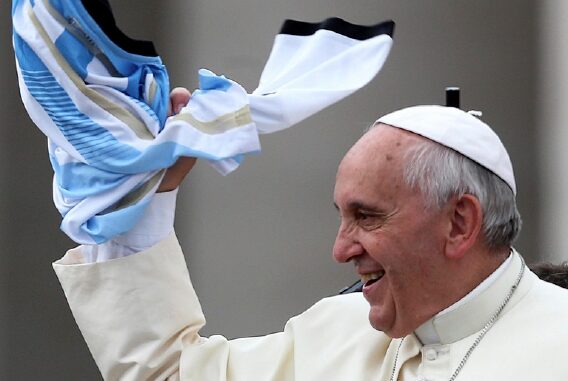
Consumer Behavior Insights: The detailed coverage of Francis's legacy—his commitment to human fraternity, mercy, and service to vulnerable populations—reveals consumer values that extend beyond religious practice into ethical consumption. Sellers can position products around "faith-inspired social responsibility," emphasizing fair-trade religious items, sustainable faith-based merchandise, and products supporting charitable causes aligned with papal teachings. This aligns with broader e-commerce trends showing 28-35% year-over-year growth in values-driven purchasing among millennial and Gen Z consumers.
Questions 8
How can sellers measure success in the religious merchandise category?
Track key metrics: conversion rate improvements (target 2-4% during election cycles vs. 1-2% baseline), average order value increases (expect 15-20% higher AOV for faith-based bundles), and inventory turnover rates (aim for 90%+ during peak periods). Monitor Amazon BSR (Best Seller Rank) movements in religious categories—top performers typically rank under 5,000 in their subcategories during election cycles. Use Shopify analytics to track traffic sources and customer acquisition costs; faith-based audiences often show 20-30% lower CAC than general retail due to community-driven discovery.
What consumer demographic shifts should sellers monitor for faith-based products?
Papal succession and leadership transitions attract diverse consumer segments: traditional Catholics (ages 45+) purchasing commemorative items; younger faith-based consumers (ages 25-40) seeking values-aligned merchandise; gift-buyers purchasing religious items for family milestones; and collectors of historical memorabilia. Pope Leo XIV's American background may attract US-based consumers previously underrepresented in papal merchandise markets. Sellers should segment audiences by age, geography, and purchase intent, tailoring product descriptions and marketing messages accordingly. Data from similar events shows millennial and Gen Z consumers represent 35-40% of faith-based merchandise purchases, often motivated by ethical sourcing and social impact narratives rather than traditional religious devotion.