



Airline Merger Blocked | Antitrust Enforcement Signals Sustained Competition in Air Freight Markets
- American Airlines rejects United merger on April 18, 2026; bipartisan Senate opposition signals 80% domestic capacity concentration remains competitive pressure point for e-commerce logistics costs









Overview
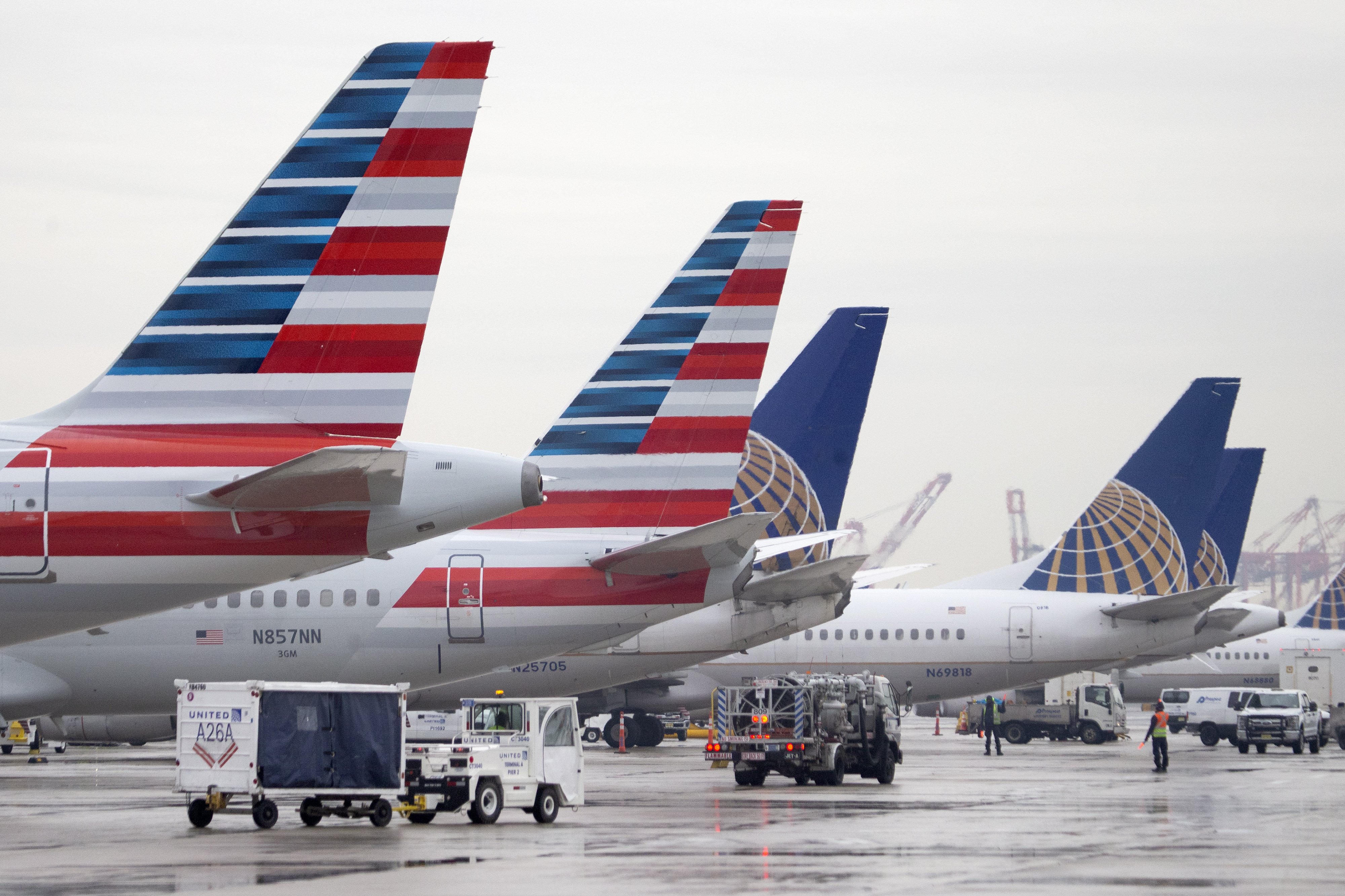
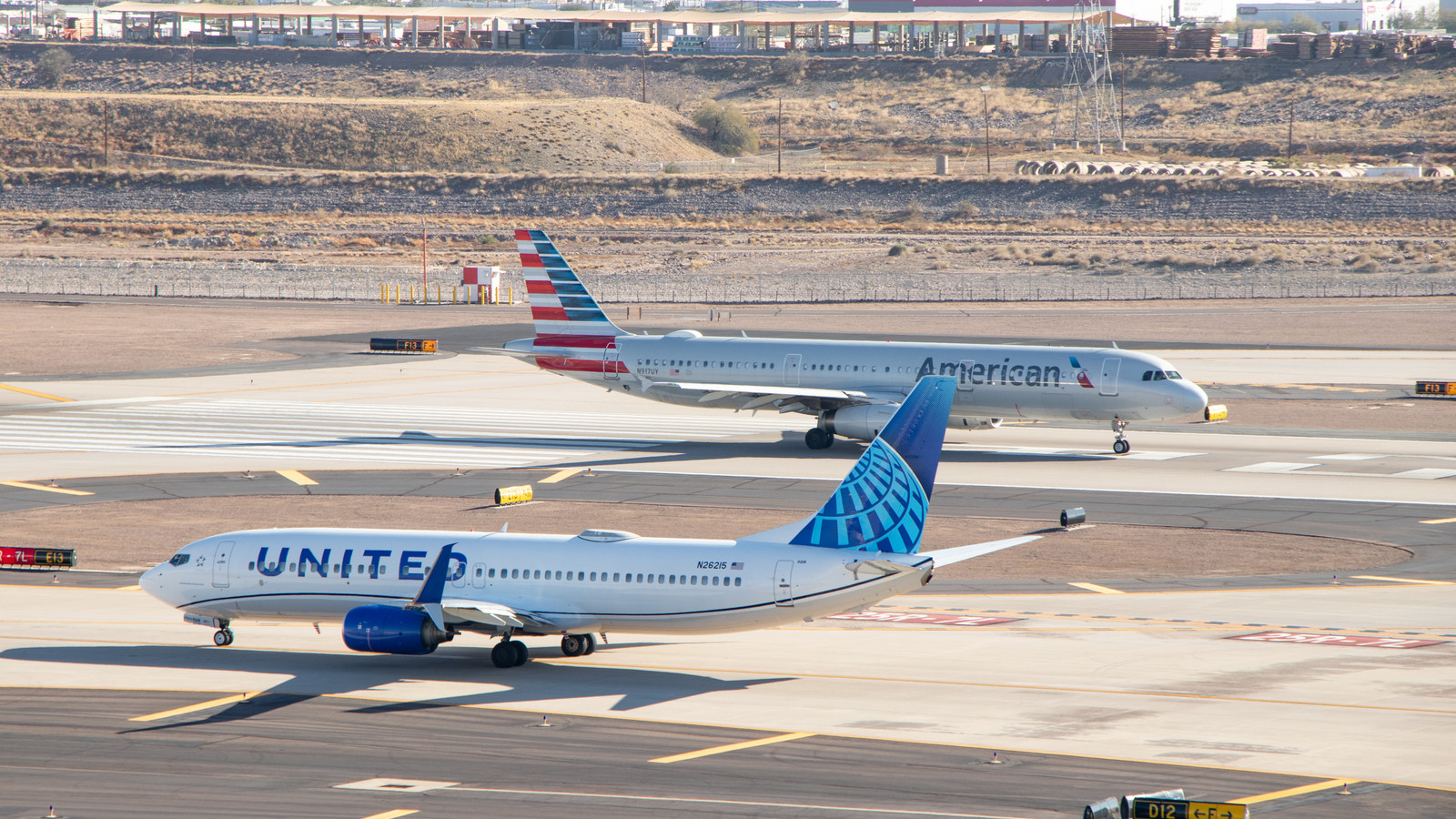
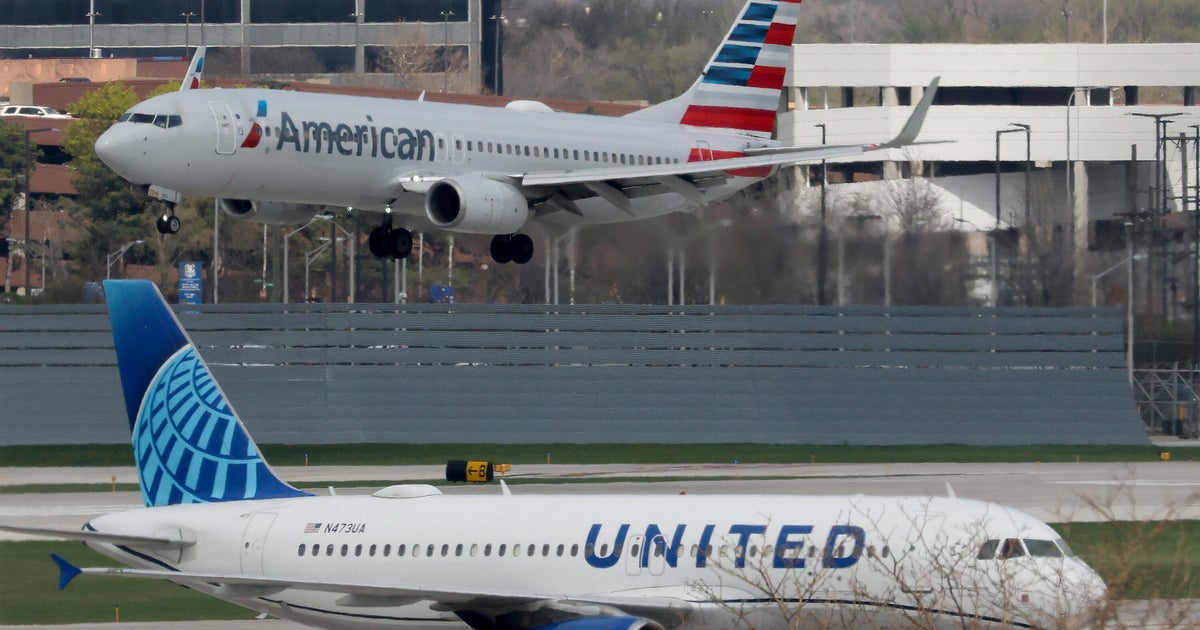
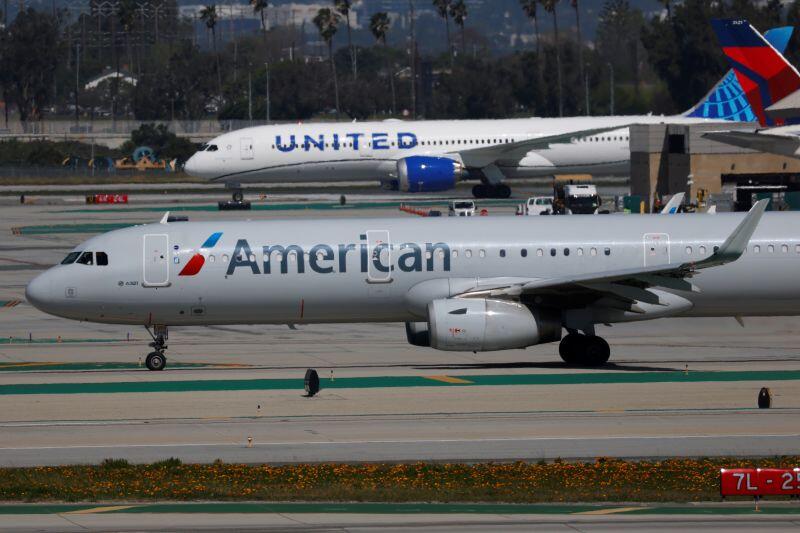
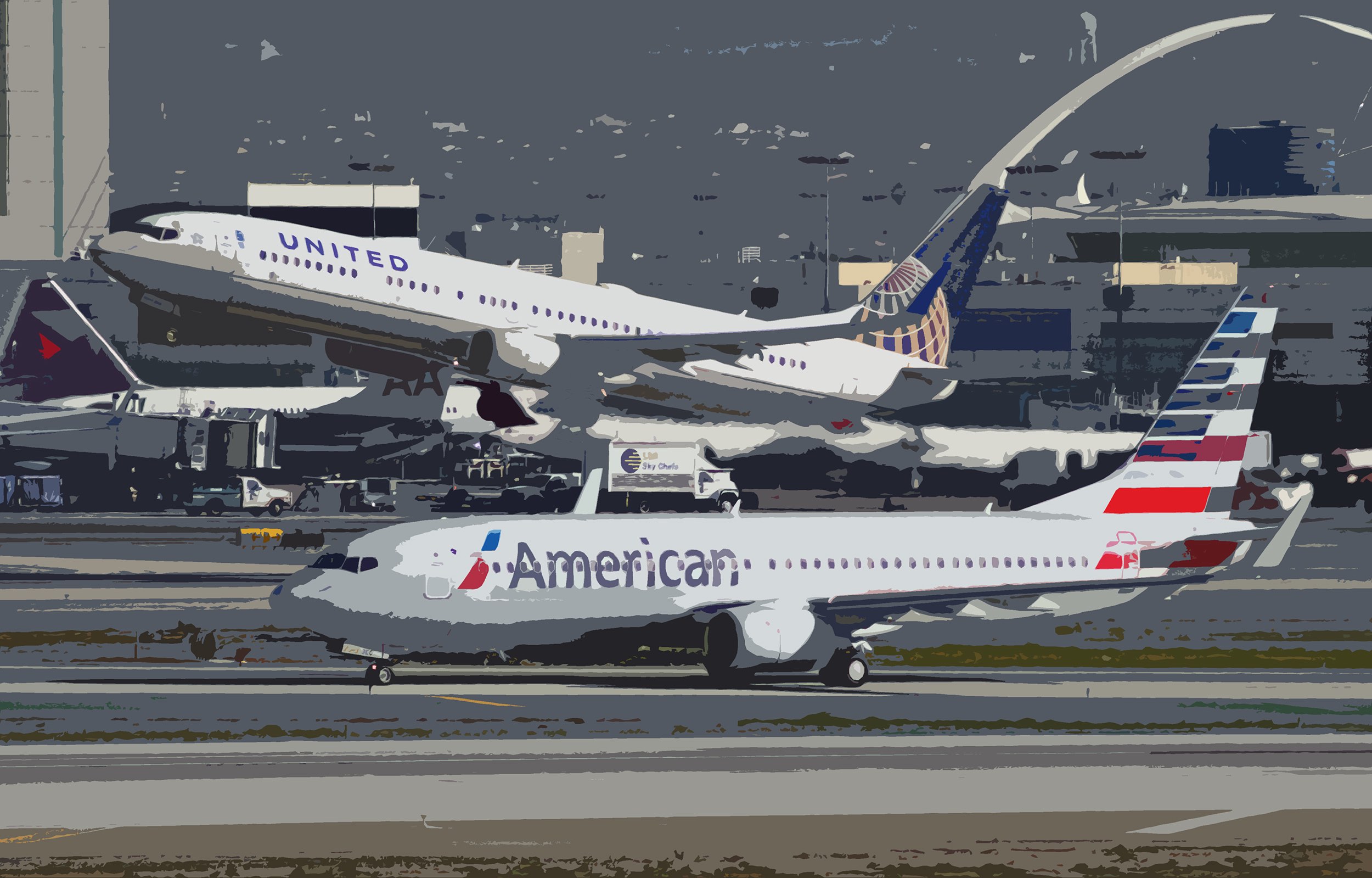
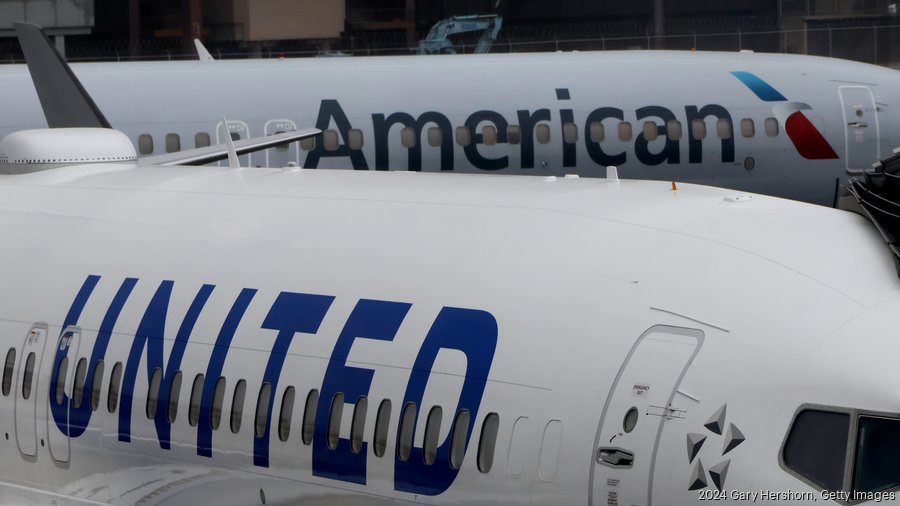
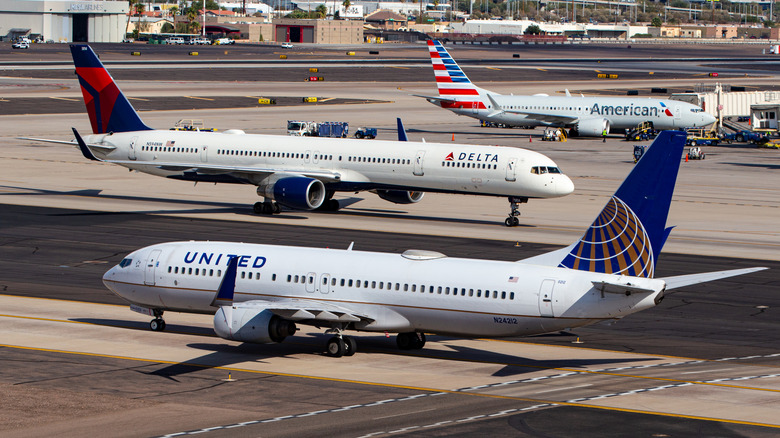
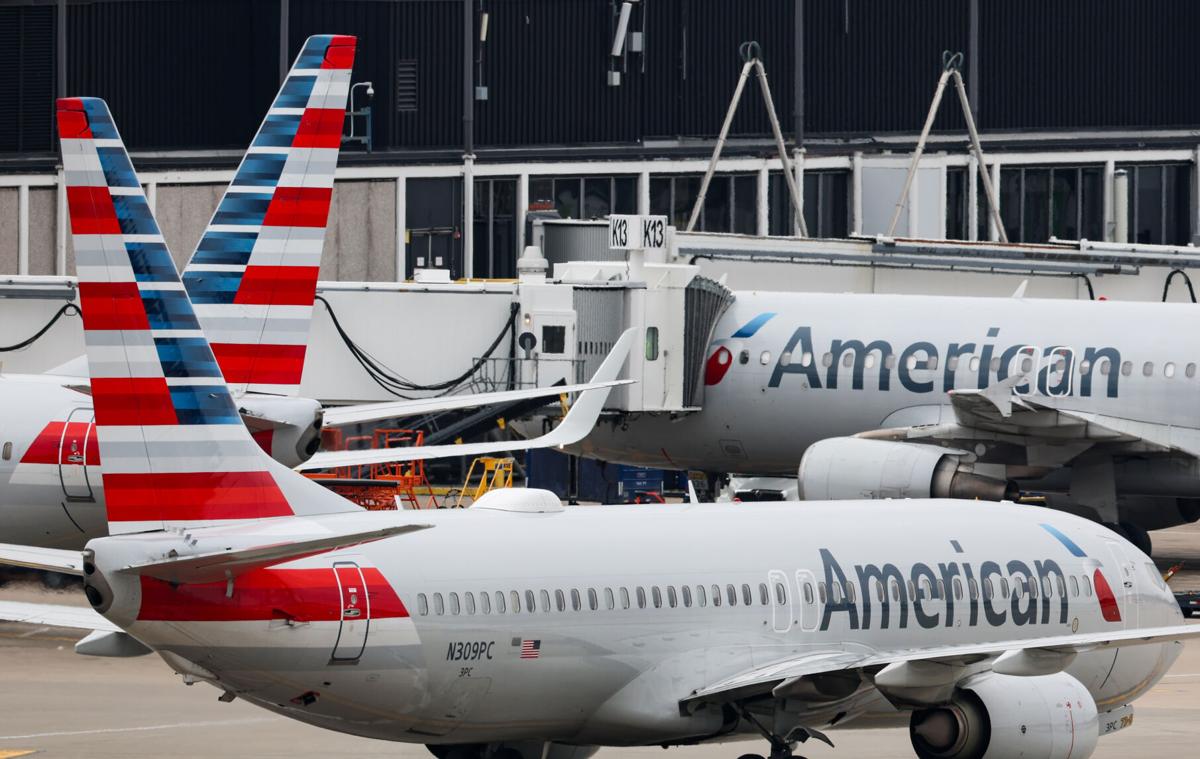
The rejection of a proposed United-American Airlines merger on April 18, 2026, represents a critical victory for antitrust enforcement that directly impacts cross-border e-commerce sellers relying on air freight logistics. American Airlines dismissed the merger citing competitive harm, while a bipartisan group of U.S. senators formally warned both carriers on April 20, 2026, that consolidation would enable monopolistic pricing and reduce flight frequencies. This regulatory intervention prevents the creation of a 40% domestic market share mega-carrier and maintains competitive pressure in aviation markets where four carriers already control approximately 80% of domestic capacity.
For e-commerce sellers, this outcome preserves competitive dynamics in air freight pricing. The failed merger signals that antitrust enforcement remains a significant barrier to airline consolidation, even under a pro-business Trump administration. Transportation Secretary Sean Duffy acknowledged openness to consolidation but warned that major mergers would require substantial asset divestitures. Cornell University law professor George Hay stated the proposed merger would be "the biggest of all time" with virtually no chance of court approval. This regulatory clarity creates a stable competitive environment for sellers negotiating air freight rates with carriers like United, American, Delta, and Southwest, preventing the pricing power concentration that would result from a 40% market share combination.
The immediate seller impact centers on logistics cost stability. Reduced competition in aviation typically drives higher air freight costs, directly affecting sellers using expedited delivery options for time-sensitive categories (electronics, fashion, perishables). The merger rejection preserves multiple carrier options for negotiating competitive rates. However, the bipartisan Senate intervention (April 20, 2026) signals intensified regulatory scrutiny of consolidation across industries, suggesting future merger attempts will face substantial legislative obstacles. This creates a 12-24 month window of pricing stability before carriers attempt alternative consolidation strategies.
Strategic implications for seller segments vary by logistics model. Large sellers (1000+ monthly units) with dedicated freight contracts benefit most from maintained competition, as they can leverage multiple carrier options for rate negotiations. Medium-sized sellers (100-999 units) relying on 3PL providers face indirect benefits through competitive pressure on logistics providers' carrier costs. Small sellers (under 100 units) using standard air freight services see minimal immediate impact but benefit from long-term rate stability. The regulatory environment now favors distributed logistics networks over consolidated carriers, creating opportunities for sellers to diversify freight providers and reduce single-carrier dependency.
Questions 8
What product categories are most vulnerable to air freight cost increases if consolidation occurs?
Time-sensitive categories most dependent on air freight—electronics, fashion, perishables, and high-value collectibles—face the highest vulnerability to cost increases if consolidation eventually occurs. Electronics sellers shipping new product launches or seasonal inventory (Q4 holiday, back-to-school) rely heavily on air freight to meet demand windows. Fashion sellers managing fast-fashion inventory turnover depend on expedited air freight to minimize markdown risk. Perishable sellers (specialty foods, supplements) require consistent air freight capacity to maintain product freshness and shelf life. High-value collectibles (trading cards, limited editions) justify air freight costs due to high per-unit margins. Sellers in these categories should prioritize negotiating long-term air freight contracts now while competition is high, locking in rates before potential future consolidation. Consider diversifying sourcing to reduce air freight dependency—for example, shifting some inventory to slower ocean freight with earlier order windows.
How can sellers leverage maintained airline competition to negotiate better freight rates?
The preserved competition among United, American, Delta, and Southwest creates immediate negotiation leverage for sellers. Large sellers should conduct competitive rate audits across all four carriers, documenting current pricing for key routes (US-Asia, US-Europe, US-Middle East). Request rate quotes from at least three carriers simultaneously, emphasizing volume commitments and multi-year contract potential. Medium-sized sellers should work with 3PL providers to consolidate freight across multiple carriers, using competitive pressure to negotiate lower per-unit rates. Small sellers should consider joining freight cooperatives or seller networks that aggregate volume across multiple shippers, increasing negotiation leverage. Document current rate baselines now (April-June 2026) while competitive pressure is highest, then lock in favorable rates through multi-year contracts with escalation caps. The regulatory environment signals this competitive window may narrow if future consolidation attempts succeed.